Why Is My Rat or Guinea Pig Sneezing a Lot?
By Dr. Zubair Khalid, DVM, MS, PhD ·
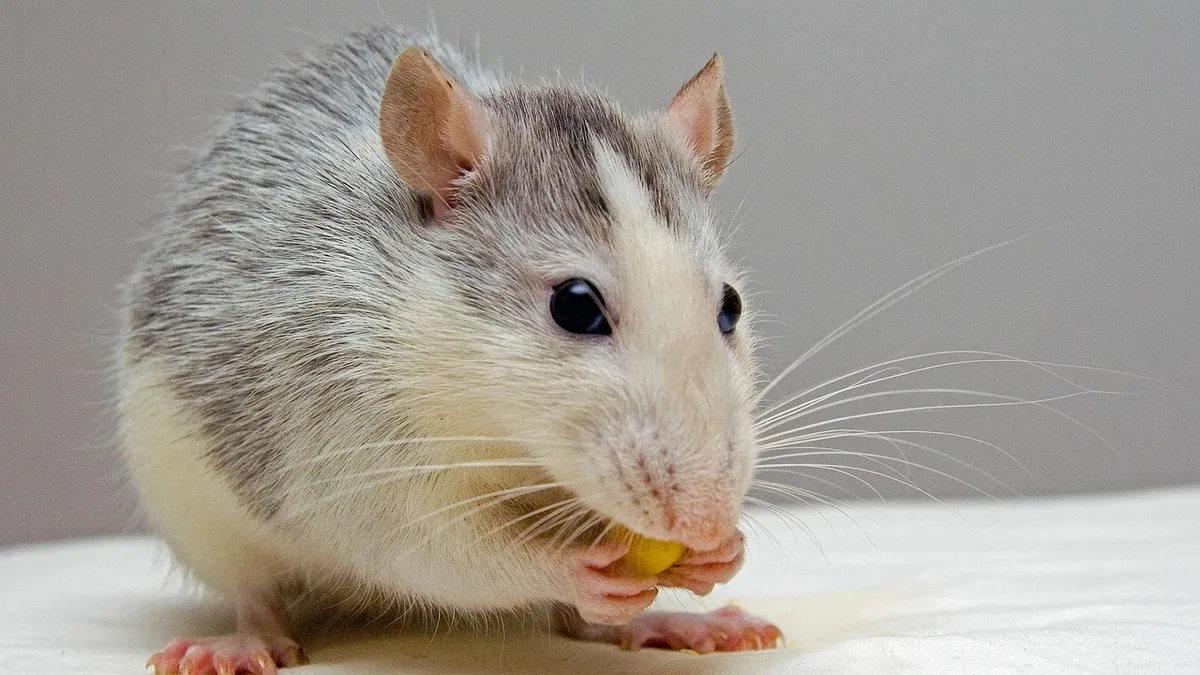
Sneezing is one of the most common reasons rat and guinea pig owners call a veterinarian. If your rat is sneezing a lot, the cause may be something simple like dusty bedding, or it may be a respiratory infection that needs treatment. Guinea pigs can sneeze for many of the same reasons, so the guidance below applies to both species unless noted.
This article is educational and is not a substitute for veterinary diagnosis or treatment.
Quick Answer
- Occasional sneezing after cage cleaning or exercise is often normal and should stop within a few minutes.
- Dusty bedding, strong odors, and poor ventilation are common triggers you can fix today.
- Frequent sneezing with red or brown discharge around the nose and eyes is a red flag for respiratory infection.
- Rats and guinea pigs hide illness well, so a rat that sneezes a lot plus breathes heavily or eats less needs a vet visit.
- Never give antibiotics or human cold medicine on your own, because the wrong drug or dose can be harmful.
What Normal Sneezing Looks Like
A sneeze is a sudden, forceful push of air through the nose. It clears dust, pollen, or mucus from the nasal passages. In a healthy rat or guinea pig, you might hear a sneeze or two after you change the bedding, after the animal burrows in hay, or when it wakes up.
Normal sneezing has a few features:
- It happens in short bursts and then stops.
- The nose stays clean and dry.
- The animal keeps eating, drinking, and moving normally.
- No sound comes from the chest, and breathing looks easy.
Guinea pigs also make a sound that owners describe as a sneeze but is actually a "pop" or "chuff." This can be a normal vocalization. If the sound repeats many times an hour, treat it as a possible sneeze and watch closely.
Rats are especially prone to nasal irritation because they explore with their noses and live close to bedding. A rat that sneezes a lot over hours or days is telling you something is irritating the airway or an infection is brewing.
Why Is My Rat Sneezing a Lot? Main Causes
Several problems can make a rat or guinea pig sneeze often. Some are mild and fixable at home. Others need a veterinarian.
| Cause | Typical clues | How urgent |
|---|---|---|
| Bedding dust or hay dust | Sneezing starts after cage cleaning, no discharge, animal acts normal | Low, change bedding and watch |
| Strong odors (ammonia, smoke, perfume, cleaning sprays) | Sneezing in a cage that smells sharp, eyes may water | Low to moderate, remove the odor source |
| Allergic rhinitis | Sneezing fits, clear discharge, itchy nose rubbing, no fever | Moderate, needs a vet to confirm |
| Dental disease (guinea pigs) | Drooling, weight loss, trouble chewing, nasal or eye discharge | Moderate to high, see a vet soon |
| Respiratory infection (bacterial or viral) | Red or brown nasal discharge, noisy breathing, poor appetite, hunched posture | High, see a vet promptly |
| Nasal foreign body or fungal rhinitis | One-sided discharge, sneezing, sometimes nosebleeds | High, needs imaging and treatment |
Bedding and Environmental Irritants
Dust is the number one trigger owners can control. Wood shavings, paper bedding, and hay all release fine particles. These particles land in the nose and cause sneezing. If your rat sneezes a lot right after you refill the cage, the bedding is a likely culprit.
Ammonia from urine is another common irritant. A cage that smells strong can burn the nasal lining. Smoke, scented candles, air fresheners, and harsh cleaners add to the problem. Move the cage away from kitchens, drafty windows, and any source of fumes.
Allergic Rhinitis
Allergic rhinitis is inflammation of the nasal lining caused by an allergic response. In a rat model of allergic rhinitis, animals showed sneezing and nasal rubbing along with raised levels of immune signals such as IL-4, IL-6, and IL-17 [1]. This tells us that allergy can drive sneezing in rodents, not only infection.
Allergic sneezing often comes in fits. The discharge tends to be clear. The animal may rub its nose with its front paws. You may notice the sneezing gets worse at certain times, such as after cage cleaning or when pollen is high.
If you have a cat with similar sneezing, the pattern can look familiar. You can read more about feline sneezing in Why Is My Cat Sneezing All The Time and Why Is My Cat Sneezing So Much And Has A Runny Nose.
Dental Disease in Guinea Pigs
Guinea pig teeth grow continuously. When the upper and lower teeth do not line up, the teeth overgrow. This is called malocclusion. It causes pain while chewing, drooling, weight loss, and discharge from the nose or eyes [2]. A guinea pig that sneezes a lot and drops food or drools needs a dental exam.
Dental disease is common in guinea pigs, and it can lead to tooth root infections and abscesses [2]. These problems can push into the nasal area and cause sneezing. This is one reason a guinea pig that sneezes a lot should always have its mouth checked.
Respiratory Infection
Respiratory infection is the most serious common cause of frequent sneezing. Bacteria and viruses spread easily in group housing [2]. Rats and guinea pigs that live together can pass germs back and forth.
Signs of infection include:
- Red or brown crust around the nose and eyes (porphyrin, a pigment in rodent tears and saliva)
- Noisy or labored breathing
- Weight loss and a hunched posture
- Less interest in food and water
- Sneezing that does not stop
A rat that sneezes a lot with any of these signs needs veterinary care. Waiting can let the infection move into the lungs.
Fungal and Other Nasal Disease
Fungal rhinitis is rare in small pets but does occur. In dogs with fungal rhinitis, signs included sneezing, nasal discharge, and nosebleeds, and imaging showed damage to the nasal structures [3]. The lesson for owners is that long-standing one-sided sneezing with discharge deserves a full workup, not just a bedding change.
Red Flags That Make It an Emergency
Some signs mean you should stop reading and call a veterinarian now.
- Open-mouth breathing or gasping
- Blue or pale gums and tongue
- Breathing that is fast and shallow at rest
- Collapse or inability to stand
- Heavy bleeding from the nose
- No eating or drinking for 12 hours or more
- A guinea pig that stops passing stool
Rats and guinea pigs are prey animals. They hide weakness until they are very sick. A rat that sneezes a lot and suddenly sits still, puffs up its fur, or refuses food is in trouble.
If you think your pet ate something toxic, call the ASPCA Animal Poison Control Center at (888) 426-4435 or the Pet Poison Helpline at (855) 764-7661. These services may charge a fee.
Safe Things You Can Do at Home
While you wait for a vet visit, you can make the environment easier on the nose.
Improve the Air and Bedding
- Switch to dust-free paper bedding or fleece liners.
- Shake hay outside before you put it in the cage.
- Clean the cage more often to cut ammonia.
- Move the cage away from smoke, perfume, and cleaning fumes.
- Keep the room ventilated but free of cold drafts.
Support Eating and Drinking
- Offer fresh water in a bowl and a bottle so the animal can choose.
- Warm a small amount of food slightly to make it smell appealing.
- Offer favorite greens and hay to encourage eating.
- Weigh your pet daily on a kitchen scale and write down the number.
Keep the Nose Clean
- Wipe the nose gently with a warm, damp cloth.
- Do not put anything inside the nostril.
- Do not use human decongestants, essential oils, or vapor rubs.
Do Not Self-Medicate
Never give antibiotics, pain relievers, or cold medicine without a veterinarian. The dose depends on the species, weight, and health status. Some drugs that are safe for people or dogs are toxic to rodents. Your veterinarian calculates the dose from your pet's weight and condition.
What the Veterinarian Will Check and Test
A veterinary visit starts with a full history. Be ready to describe when the sneezing started, what the discharge looks like, and whether the animal is eating and pooping normally.
The exam usually includes:
- Listening to the heart and lungs with a stethoscope
- Checking the nose, eyes, ears, and mouth
- Looking at the front teeth and, when possible, the back teeth
- Feeling the belly and checking body condition
- Taking the temperature when it is safe to do so
Tests may include:
- A nasal or eye swab to look for bacteria
- A blood panel to check organ function
- X-rays or other imaging of the head and chest
- A dental exam under sedation for guinea pigs
Treatment depends on the cause. Bacterial infections need antibiotics chosen for the specific germ. Dental disease needs tooth trimming or extraction. Allergies need an irritant-free environment and sometimes medication. Fungal disease needs specific antifungal therapy, as seen in the dog cases where clotrimazole infusion was used [3].
Some owners ask about natural remedies. Research in rats and mice has looked at compounds such as ginseng polysaccharides and matcha that reduced sneezing in allergy models [4][5]. These are laboratory findings, not home treatments. Do not give your pet tea, garlic, or supplements without veterinary guidance. Aged garlic extract has been studied in a rat allergy model, but the dose and safety for pet rats are not established [6].
Prevention and Monitoring
Good husbandry prevents many sneezing problems.
- Use dust-free bedding and clean cages often.
- Keep humidity and temperature steady.
- House social species together when possible, but quarantine new animals before introducing them.
- Weigh your pet weekly and track the numbers.
- Watch for changes in breathing, appetite, and activity.
- Schedule routine checkups, especially for guinea pigs over age 5, when tumors and other problems become more common [2].
If your rat sneezes a lot but acts normal, start with the environment. If the sneezing continues for more than a day or two, or if any red flag appears, call your veterinarian. Early treatment is easier and safer than waiting.
For comparison, sudden sneezing in other pets can have different causes. You can read about sudden onset in Why Is My Cat Sneezing All Of The Sudden and repeated fits in Why Is My Cat Sneezing A Lot In A Row.
Limitations and When to Contact a Veterinarian
This article gives general information only. Every animal is different, and only a veterinarian who examines your pet can diagnose the cause of sneezing and prescribe treatment.
Contact a veterinarian the same day if your rat or guinea pig:
- Sneezes constantly for more than 24 hours
- Has colored nasal or eye discharge
- Breathes noisily or with effort
- Eats less than half of its normal food
- Loses weight or feels thin
- Drools or has trouble chewing
Go to an emergency clinic now if your pet:
- Breathes with its mouth open
- Has blue gums or tongue
- Collapses or cannot stand
- Bleeds heavily from the nose
- Stops breathing normally
Schedule a routine visit soon if the sneezing is mild but has lasted more than a few days, or if you notice any change in behavior. Do not wait for the problem to become severe.
Frequently Asked Questions
Is sneezing in rats always a sign of illness?
No, an occasional sneeze after cage cleaning or burrowing is normal. It becomes a concern when sneezing is frequent, lasts more than a day, or comes with discharge, noisy breathing, or appetite loss. A rat that sneezes a lot with any of those signs should see a veterinarian.
Can dusty bedding really make my guinea pig sneeze?
Yes, dust and ammonia are common nasal irritants for guinea pigs. Switching to dust-free bedding and cleaning the cage more often often reduces sneezing within a few days. If sneezing continues after the change, the cause is likely something else.
Should I give my rat antibiotics from a pet store?
No, never give antibiotics without a veterinary prescription. The wrong antibiotic or dose can be toxic or ineffective, and it can hide the real problem. A veterinarian will choose the right drug based on the exam and test results.
How can I tell if my guinea pig has a dental problem?
Watch for drooling, dropping food, weight loss, and trouble chewing. Guinea pig teeth grow continuously, and misalignment can cause overgrowth, pain, and nasal discharge [2]. A veterinarian can examine the teeth and take images if needed.
Can allergies cause sneezing in rats?
Yes, allergic rhinitis can cause sneezing and nose rubbing in rats. Research models show that allergy triggers immune signals linked to nasal inflammation and sneezing [1]. If allergies are suspected, your veterinarian can help you remove triggers and decide on treatment.
Related Articles
References
- Establishment and evaluation of a rat model of allergic rhinitis with mixed cold-heat pattern. International immunopharmacology, 2026.
- Common Health Problems of Guinea Pigs - All Other Pets. Merck Veterinary Manual.
- Scedosporium spp. rhinitis in 4 dogs from Northern California. Medical mycology case reports, 2026.
- Amelioration of ovalbumin-induced allergic rhinitis in rats by ginseng residue oligosaccharides and ginseng polysaccharides via multi-omics analysis. International journal of biological macromolecules, 2025.
- Matcha alleviates sneezing response in a murine model of allergic rhinitis. NPJ science of food, 2026.
- Investigation of the effects of aged garlic extract and S- allylcysteine on endothelin-1 levels and histopathological findings in an ovalbumin-induced allergic rhinitis rat model. Respiratory medicine, 2026.