Why Is My Ferret So Itchy? Causes and Relief
By Dr. Zubair Khalid, DVM, MS, PhD ·
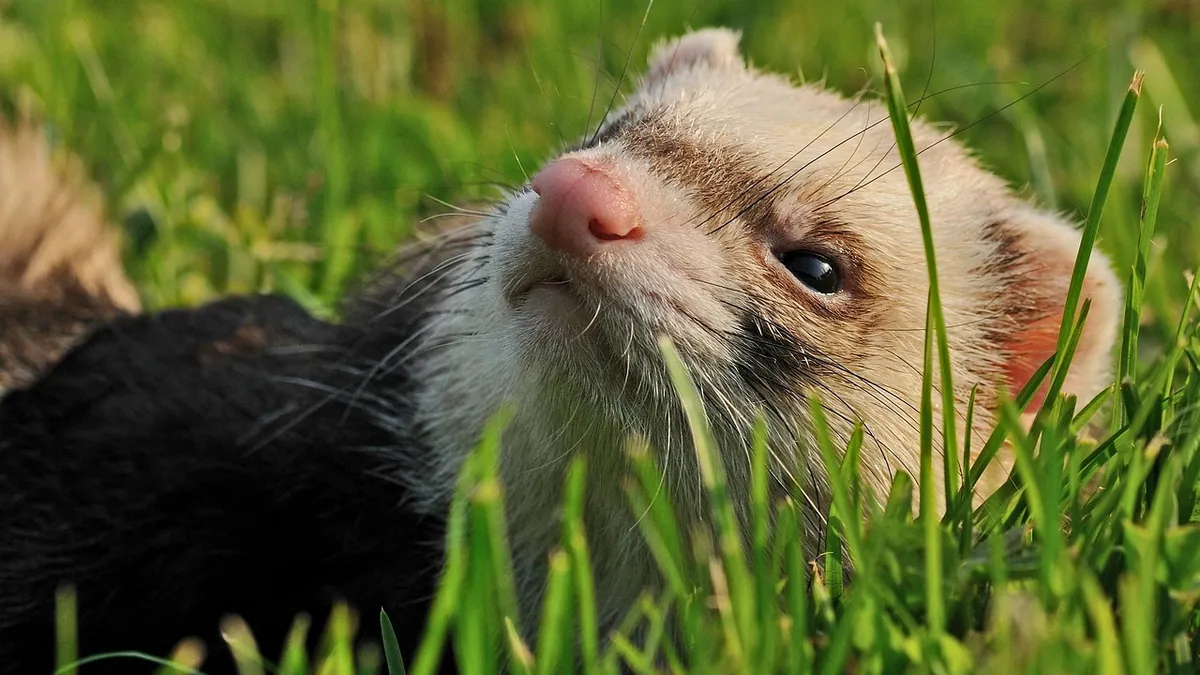
Ferrets scratch for many reasons, and the cause usually falls into one of a few groups: parasites, adrenal disease, skin infections, or allergies. If your ferret is scratching more than usual, the pattern of the itch and any skin changes will point your veterinarian toward the answer. This article is educational and is not a substitute for veterinary diagnosis or treatment.
Quick Answer
- Ear mites are one of the most common and treatable causes of intense scratching, especially around the head, ears, and neck.
- Adrenal disease is a leading cause of hair loss and itching in middle-aged to older ferrets, particularly those that were spayed or neutered.
- Fleas and other external parasites cause generalized scratching and are easy to miss on a thick ferret coat.
- Bathing too often makes itching worse by stripping natural oils, so limit baths unless your veterinarian advises otherwise.
- Any ferret that stops eating, seems weak, or has open sores needs to be seen promptly.
What Normal Scratching Looks Like
Ferrets scratch. They groom, they rub against cage bars, and they dig at bedding. A few quick scratches a day are normal. The problem is when scratching becomes frequent, lasts longer than a few seconds at a time, or comes with hair loss, redness, scabs, or a change in behavior.
Owners often notice itching before they notice anything else. That is because ferrets hide discomfort well. A ferret that is always itchy may also sleep more, pace, or scratch at the walls of its enclosure. In one large survey of ferret owners, scratching at enclosure walls was the most commonly reported behavior linked to boredom, named by 420 of 621 owners [1]. That does not mean every scratching ferret is bored, but it does mean you should look at both the skin and the environment.
Why Is My Ferret So Itchy? The Main Causes
Skin disease is common in pet ferrets, and the most frequent categories are neoplastic, endocrine, and parasitic diseases [2]. In plain terms, that means tumors, hormone problems, and bugs. Here is how the big causes compare.
| Cause | Typical clues | How urgent |
|---|---|---|
| Ear mites | Intense head and ear scratching, dark crumbly debris in the ear canal, head shaking | See a vet soon, usually within a few days |
| Fleas | Generalized scratching, visible fleas or flea dirt, hair thinning over the back | See a vet soon |
| Adrenal disease | Hair loss on the tail, flanks, or body, itchy skin, swollen vulva in females, muscle loss | See a vet soon, it progresses over time |
| Skin infections (bacterial or fungal) | Red, crusty, or scaly patches, sometimes with a bad smell | See a vet soon |
| Allergies or immune reactions | Itchy patches, redness, scaling, crusts, sometimes erosions | See a vet soon |
| Boredom or dry skin | Scratching at cage walls, dull coat, no visible sores | Routine visit if it continues |
Ear Mites
Ear mites are a top suspect when a ferret scratches hard at its head and ears. The mite involved is Otodectes cynotis, a contagious parasite that causes a parasitic ear infection [3]. Ferrets with ear mites often shake their heads, scratch at one or both ears, and build up dark, coffee-ground-like debris in the ear canals.
Ear mites spread easily between ferrets, so if you have more than one, assume they all need treatment. A 2024 study found that oral lotilaner, given at inclusion and again 28 days later, was effective and safe for treating ear mite infestation in ferrets, with a mean dose of 12.3 mg/kg used in that study [3]. Your veterinarian will calculate the right dose and product for your ferret based on weight and health. Never use a product meant for dogs or cats without veterinary guidance, because some ingredients are toxic to small pets.
Adrenal Disease
Adrenal disease is one of the most important causes of itching and hair loss in ferrets. It is common in surgically sterilized, middle-aged to older ferrets, and the adrenal tissue develops hyperplasia, adenomas, or adenocarcinomas that pump out steroid hormones [4]. The classic signs are hair loss in both sexes and a swollen vulva in females, along with itching, muscle wasting, hind limb weakness, and sexual or aggressive behavior [4].
The itching in adrenal disease is often described as a persistent, whole-body itch that does not respond to flea treatment or bathing. Hair loss usually starts on the tail or flanks and moves forward. Because the disease is linked to continuous elevated luteinizing hormone in neutered ferrets, treatment focuses on controlling that hormone signal [4]. Options include surgery, hormone implants, and in some cases a GnRH vaccine such as GonaCon, which has been studied for both prevention and treatment of adrenocortical disease in ferrets [4]. Your veterinarian will discuss which approach fits your ferret.
Fleas and Other External Parasites
Fleas are less common in indoor ferrets but still possible, especially in homes with dogs or cats. A flea infestation causes generalized scratching, and you may see small dark specks (flea dirt) in the coat. Ferrets can also pick up other external parasites from the environment or from other animals.
If you also have itchy pets at home, it is worth checking them too. The same fleas that bother your ferret can bother your cat or dog, and the reverse is true. If you want to understand how parasites behave in other species, see Why Is My Cat So Itchy? and Why Is My Dog So Itchy?.
Skin Infections
Bacterial and fungal skin infections often start as small scratches that get infected. You may see red patches, crusts, scaling, or a greasy coat. These infections can be primary or secondary, meaning they can cause itching on their own or show up because your ferret has been scratching due to another problem.
Allergies and Immune Reactions
Ferrets can develop allergic skin disease and immune-mediated skin reactions. Erythema multiforme is an uncommon skin reaction pattern that has been reported in ferrets, causing variably itchy hair loss, redness, scaling, crusts, and erosions [5]. This is rare, but it shows that not every itchy ferret has mites. A skin biopsy may be needed to sort out these cases.
Boredom, Dry Skin, and Environment
Not all scratching is medical. Ferrets in small, boring enclosures scratch more. The 2022 owner survey found that most owners believed ferrets could experience boredom, and owners who doubted this provided fewer types of environmental enrichment [1]. Dry indoor air, harsh bedding, and over-bathing can also dry out the skin and trigger scratching.
Red Flags That Make It an Emergency
Most itchy ferrets can wait a few days for an appointment. Some cannot. Get emergency care right away if your ferret:
- Breathes with effort, coughs, or seems weak and lethargic. Heart disease is common in ferrets over 4 years old, and signs can include lethargy, weakness, increased respiratory effort, coughing, and exercise intolerance [6].
- Has a swollen belly (ascites), which can also point to heart disease [6].
- Cannot urinate or strains to urinate. Male ferrets with adrenal disease can develop prostatic cysts, prostatitis, and urethral obstruction [4].
- Has deep open sores, bleeding, or skin that looks infected and is spreading fast.
- Stops eating or drinking for more than a few hours.
Safe Things You Can Do at Home
While you wait for your appointment, keep your ferret comfortable and avoid making the itch worse.
Limit Bathing
This is the single most important home step. Frequent baths strip the oils from a ferret's coat and skin, which leads to more dryness and more scratching. Most ferrets do not need regular baths. Spot-clean dirty areas with a damp cloth, and only bathe when your veterinarian tells you to. If odor is your main concern, that is usually a separate issue from itching, and you can read more in Why Does My Ferret Smell, and How to Reduce It.
Check the Ears and Coat
Look inside the ears with a flashlight. Dark debris or redness is a clue for mites. Run your hands over the coat to feel for scabs, lumps, or thinning hair. Note where the hair loss started, because the pattern helps your veterinarian.
Improve the Environment
Add tunnels, dig boxes, and rotated toys. Clean bedding often and rinse it well, since detergent residue can irritate skin. Keep the room humid enough that your ferret's skin does not dry out.
Do Not Use Over-the-Counter Products Without Advice
Many flea products sold for dogs and cats are not safe for ferrets. Some can cause serious reactions. Ask your veterinarian before putting anything on your ferret's skin or giving any oral product.
What Your Veterinarian Will Check and Test
Your veterinarian will start with a full physical exam, including weight, heart and lung sounds, abdominal palpation, and a close look at the skin and ears. They will ask about diet, housing, cagemates, and how long the itching has lasted.
Common tests include:
- Ear swab and microscopic exam to look for ear mites [3].
- Skin scraping or tape prep to check for other parasites.
- Flea combing and coat inspection.
- Blood work to evaluate organ function and hormone levels, especially if adrenal disease is suspected.
- Imaging such as radiographs or ultrasound. Radiographs can help evaluate lung edema or pleural effusion if heart disease is a concern, and echocardiography is needed to confirm a cardiac diagnosis [6].
- Skin biopsy for unusual cases such as immune-mediated reactions [5].
Treatment depends on the cause. Ear mites are treated with an appropriate antiparasitic, and the dose is calculated by your veterinarian from your ferret's weight and health [3]. Adrenal disease may be managed with surgery, hormone implants, or a GnRH vaccine [4]. Heart disease treatment may include furosemide, pimobendan, and enalapril, with dosing set by your veterinarian [6].
Prevention and Monitoring
Weigh your ferret monthly and write it down. Weight loss or muscle wasting is an early clue for adrenal disease and other chronic problems [4]. Check the ears weekly for debris. Keep up with parasite prevention as directed by your veterinarian. Rotate enrichment so your ferret stays busy, since scratching at enclosure walls is a common boredom behavior [1]. If your ferret has been diagnosed with a skin or hormone condition, keep every recheck appointment, because these diseases change over time.
Limitations and When to Contact a Veterinarian
This article cannot tell you what is causing your ferret's itch. Only an exam and testing can do that, and individual cases need a veterinarian.
Contact your veterinarian the same day if your ferret has new hair loss, a swollen vulva, ear debris, or skin sores. Book a routine visit within a week or two if the itching is mild but persistent. Go to an emergency clinic now if your ferret is struggling to breathe, cannot urinate, is collapsing, or has stopped eating. Do not wait to see if itching resolves on its own when other signs are present.
Frequently Asked Questions
Can I give my ferret a bath to stop the itching?
A bath may soothe the skin for a few hours, but frequent bathing usually makes itching worse by drying out the coat. Bathe only when your veterinarian recommends it, and use a ferret-safe shampoo. If your ferret needs repeated baths to stay comfortable, that is a sign to book an exam.
Is itching always a sign of ear mites?
No. Ear mites cause intense head and ear scratching with dark ear debris, but adrenal disease, fleas, infections, and allergies also cause itching. A veterinarian can confirm mites with an ear swab. Treating for mites when mites are not present will not fix the problem.
Can adrenal disease cause itching without hair loss?
Yes, itching can appear before or alongside hair loss. Adrenal disease often starts with subtle signs like mild scratching, then progresses to hair thinning, muscle loss, and a swollen vulva in females. Early blood work and imaging can help catch it sooner.
Are some ferrets just itchier than others?
Some ferrets scratch more due to dry skin, boredom, or sensitive skin, but a sudden increase in scratching is not normal. Track when the scratching started and what else changed. If it lasts more than a few days, have your ferret checked.
Can my other pets catch the cause of my ferret's itching?
Some causes are contagious, and some are not. Ear mites spread easily between ferrets, and fleas can move between ferrets, cats, and dogs. Adrenal disease and allergies are not contagious. If one pet is diagnosed with parasites, ask your veterinarian whether the others need treatment too.
Related Articles
- Why Does My Ferret Smell, and How to Reduce It
- Why Is My Ferret Itching, Sneezing, or Shedding So Much?
- Why Is My Ferret Losing Hair on Its Tail?
- How to Tell If Your Ferret Is Sick: Early Warning Signs
References
- Pet Owner Perception of Ferret Boredom and Consequences for Housing, Husbandry, and Environmental Enrichment. Animals : an open access journal from MDPI, 2022.
- Ferret Dermatology. The veterinary clinics of North America. Exotic animal practice, 2023.
- Efficacy and innocuity of lotilaner in the treatment of otodectic mange in ferrets. Veterinary parasitology, 2024.
- Use of a GnRH vaccine, GonaCon, for prevention and treatment of adrenocortical disease (ACD) in domestic ferrets. Vaccine, 2013.
- A retrospective study of the range of cutaneous clinical and histological features of erythema multiforme in five ferrets (Mustela putorius furo). Veterinary dermatology, 2023.
- Noninfectious Diseases of Ferrets - Exotic and Laboratory Animals. Merck Veterinary Manual.