Why Is My Rabbit Itching Its Ears? Causes and Treatment
By Dr. Zubair Khalid, DVM, MS, PhD ·
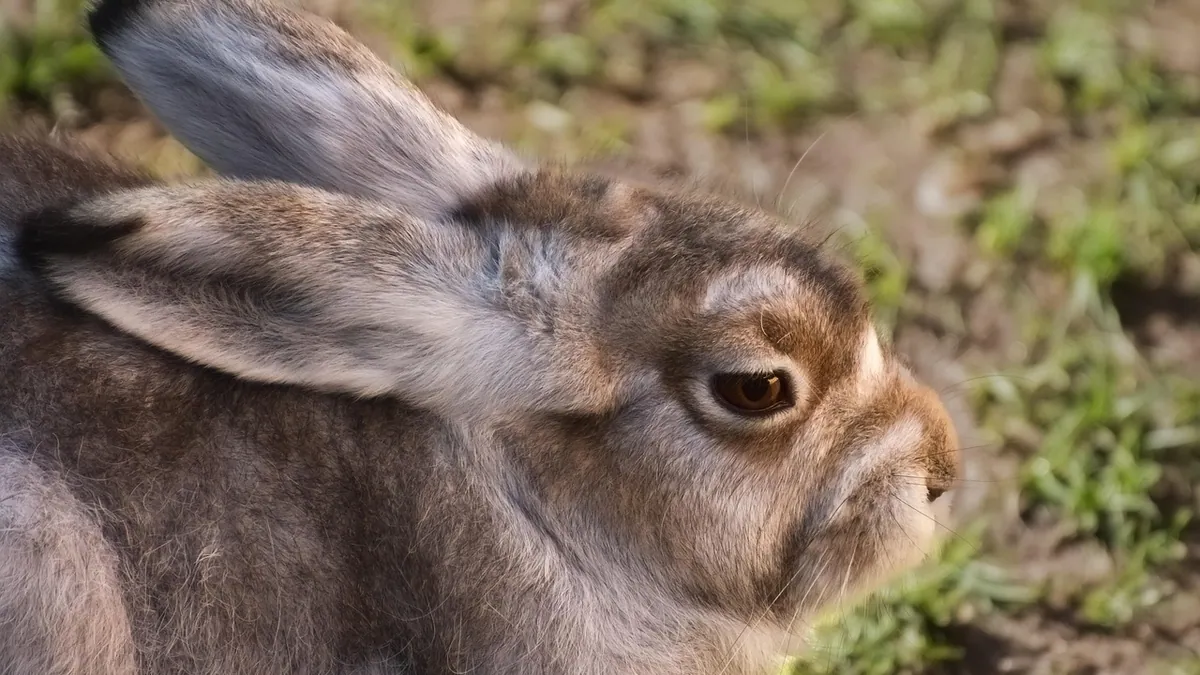
If your rabbit is itching his ears, the most likely reasons are ear mites, a bacterial or fungal ear infection, or irritation from allergies and environment. Rabbits also scratch when ear wax builds up, when the ear canal is shaped in a way that traps debris, or when something is stuck in the fur around the ear. The answer to "why is my rabbit itching his ears" almost always comes down to one of a handful of causes, and a veterinarian can tell them apart with a look inside the ear.
This article is educational and is not a substitute for veterinary diagnosis or treatment.
Quick Answer
- Ear mites are a leading cause of intense scratching, head shaking, and dark crusty debris inside the ear [1][2].
- Lop-eared rabbits get ear disease far more often than upright-eared rabbits because of how their ear canals are built [3][4].
- A rabbit that scratches hard enough can tear the skin, cause bleeding, or shake its head so much it stops eating.
- Never pour ear cleaner, oil, or leftover medication into a rabbit's ear on your own. You can push debris deeper or rupture the eardrum.
- Any rabbit with head tilt, loss of balance, or a head shake that will not stop needs to be seen the same day.
What Ear Itching Looks Like in Rabbits and What Is Normal
Rabbits groom themselves many times a day, and a quick scratch behind the ear is normal. What you want to watch for is a change in pattern. Normal grooming is brief and occasional. Problem scratching is repeated, forceful, and focused on one or both ears.
Signs that something is wrong include:
- Scratching the ear with a hind foot over and over
- Shaking the head or flicking the ears
- Rubbing the ear along the cage wall or floor
- Redness, swelling, or scabs on the ear flap (pinna)
- Crusty, waxy, or foul-smelling debris inside the ear
- Hair loss around the base of the ear or on the ear itself
- A rabbit that flinches or pulls away when you touch the ear
Rabbits are prey animals, so they hide discomfort well. By the time you see obvious scratching, the problem may have been building for a while. Regular grooming sessions help you catch skin and ear problems early [5].
Why Does My Rabbit Have Itchy Ears? The Main Causes
Ear mites (Psoroptes cuniculi)
Ear mites are tiny parasites that live on the skin inside the ear canal. They cause intense itching, and the classic sign is thick, dry, crusty material that looks like brown coffee grounds or dried scabs inside the ear [1]. Affected rabbits often shake their heads, scratch constantly, and may go off their food.
In one study of 200 pet rabbits, nearly 30 percent tested positive for ear mites, so this is not a rare problem [2]. The same study found that female rabbits had a higher chance of infestation [2]. Mites spread easily between rabbits, so if you have more than one, assume the others are at risk.
Treatment usually involves a prescription antiparasitic medication given by injection or applied by your veterinarian. In one reported case, a rabbit with ear canker was treated with subcutaneous ivermectin at 400 µg/kg body weight, repeated two weeks later, along with an antihistamine [1]. Your vet will calculate the right drug and dose for your rabbit's weight and health. Never use a dose you found online.
Ear infections (otitis)
Otitis means inflammation of the ear, and in rabbits it can affect the outer canal, the middle ear, the inner ear, or more than one part at once [3]. Outer ear infections often follow mites, trauma from scratching, or a buildup of wax and debris. Middle and inner ear infections are more serious and can cause head tilt, circling, and balance problems.
Lop-eared rabbits are at much higher risk. A field study of 435 pedigree rabbits found that lop-eared rabbits had higher scores and odds for 9 out of 11 ear abnormalities tested, including abnormal ear canal color, narrowed ear canals, and several types of ear discharge [4]. The shape of a lop ear creates a warm, moist, poorly ventilated canal where debris and microbes collect.
Ear infections in rabbits are often stubborn. Medical treatment alone rarely clears them completely, and many cases need a procedure or surgery to resolve [3]. That is one reason early veterinary care matters so much.
Allergies and environmental irritation
Rabbits can react to dust, bedding, pollen, mold, strong odors, and cleaning fumes. The result is itchy, red skin and sometimes clear discharge. Allergy-related itching tends to affect both ears and often comes with sneezing, watery eyes, or skin irritation elsewhere on the body.
If your rabbit's ears look clean inside but the skin around them is pink and irritated, environment is a strong suspect. Switching to a low-dust paper bedding, cleaning the cage more often, and keeping the room well ventilated often helps. If it does not, your vet can look for other causes.
Other causes worth knowing
- Bacterial or yeast overgrowth. These often follow mites or moisture and produce discharge with an odor.
- Foreign material. A piece of hay, bedding, or a seed head can lodge in the ear and cause sudden, violent scratching.
- Ear wax buildup. Some rabbits produce more wax, especially in narrow canals.
- Skin disease spreading to the ear. Conditions such as ringworm can cause patchy hair loss that starts on the head and spreads, with dry, flaky, red skin [5].
- Abscess or tumor. A lump near the ear base can cause discomfort and scratching.
Cause comparison table
| Cause | Typical clues | How urgent |
|---|---|---|
| Ear mites | Dark crusty debris, intense scratching, head shaking, often both ears [1] | See a vet within a few days |
| Outer ear infection | Redness, discharge, odor, wax buildup, one or both ears [3] | See a vet within a few days |
| Middle or inner ear infection | Head tilt, circling, loss of balance, nystagmus (eye flicking) [3] | Same day, urgent |
| Allergies or irritants | Both ears itchy, clean canals, sneezing, red skin, recent bedding or dust change | Routine visit if it persists |
| Foreign body | Sudden violent scratching, one ear, rabbit may paw at the face | Same day |
| Ringworm or other skin disease | Patchy hair loss starting on the head, flaky red skin [5] | Routine visit, isolate from other pets |
Red Flags That Make It an Emergency
Call your veterinarian right away or go to an emergency clinic if your rabbit has any of these:
- Head tilt that appeared suddenly
- Rolling, circling, or inability to stand
- Rapid eye movement you cannot control (the eyes flick side to side)
- Not eating or not producing droppings for 12 hours or more
- Severe pain when the ear is touched, or a rabbit that cries out
- Bleeding from the ear or a large open wound from scratching
- Swelling around the ear base or face
- Difficulty breathing or collapse
Head tilt and balance problems point to the inner ear or a deeper problem, and they get harder to treat the longer they go on [3]. Rabbits that stop eating can develop serious gut problems within a day, so appetite changes are always urgent.
Safe Things You Can Do at Home While You Wait
You cannot diagnose or treat an ear problem at home, but you can keep your rabbit comfortable and prevent things from getting worse.
- Do not put anything in the ear. No oils, no over-the-counter ear cleaners, no leftover drops from another pet. You can push debris deeper or damage the eardrum.
- Stop the scratching if you can. A soft cone or collar, if your vet approves one, prevents self-trauma. Ask before you use it.
- Check the cage. Remove dusty bedding, ammonia buildup from soiled litter, and any sharp edges. Keep the enclosure clean and dry [5].
- Separate rabbits. If you have more than one, keep the itchy rabbit apart until your vet says otherwise. Mites and some skin infections spread between rabbits [5].
- Offer favorite foods. Fresh hay, greens, and pellets encourage eating. If your rabbit refuses food, that is a same-day call.
- Keep a simple log. Note when the scratching started, which ear, what the inside looks like, and any head tilt or appetite change. This helps your vet a lot.
If you want more background on what ear disease looks like in rabbits, see Symptoms Of Ear Infection In Rabbits and Ear Mites In Rabbits Symptoms.
What Your Veterinarian Will Check and Test
Your vet will start with a full physical exam, then focus on the ears. Expect some or all of the following:
- Otoscopy. A look inside the ear canal with a scope. This is how vets see mites, discharge, narrowing, or a foreign body. In the field study, otoscopy was used to score ear abnormalities in hundreds of rabbits [4].
- Skin scraping and microscopy. Material from the edge of a lesion is mixed with potassium hydroxide and examined under a microscope. This is how Psoroptes cuniculi was confirmed in a reported case [1].
- Cytology and culture. A swab of discharge helps identify bacteria or yeast and guides antibiotic choice.
- Imaging. X-rays or other imaging may be needed for middle or inner ear disease, especially before surgery [3].
- Neurologic exam. If there is head tilt or balance loss, your vet will check cranial nerves and reflexes to localize the problem.
Treatment depends on the cause. Mites are treated with prescription antiparasitic drugs [1]. Infections are treated with antibiotics or antifungals, sometimes along with flushing or surgery [3]. Allergies are managed by changing the environment and, in some cases, medication. For more on treatment options, see How To Treat A Rabbit Ear Infection and How To Treat Ear Infection In Rabbits.
If your rabbit's itching turns out to be skin-related instead of ear-related, the same principles apply. Itching from allergies and skin disease is common across species, and the approach to diagnosis is similar. For comparison, see Dog Itchy Ears Why.
Prevention and Monitoring
You cannot prevent every ear problem, but you can lower the odds and catch issues early.
- Groom and check weekly. Look inside both ears, feel for lumps, and note any redness or debris. Early detection makes treatment easier [5].
- Keep housing clean and dry. Dirty cages and poor nutrition raise the risk of skin and ear disease [5]. Change litter often and avoid ammonia buildup.
- Choose low-dust bedding. Paper bedding or kiln-dried shavings produce less dust than some alternatives.
- Watch lop-eared rabbits closely. Their anatomy puts them at higher risk, so check their ears more often [3][4].
- Quarantine new rabbits. Mites and ringworm spread between animals, so keep a new rabbit separate until a vet checks it [5].
- Keep nails trimmed. Long nails cause more damage when a rabbit scratches.
- Control weight. Heavy rabbits have more trouble grooming and moving, which can lead to skin problems [5].
- Follow up on treatment. Ear mite treatment often needs a second dose, and stopping early lets the problem return [1].
Limitations and When to Contact a Veterinarian
This article covers common causes, but it cannot tell you what is happening in your rabbit's ear. Only a veterinarian can examine the canal, run tests, and prescribe treatment. Individual cases need a veterinarian, and home remedies can make things worse.
Contact your vet the same day if your rabbit has a head tilt, is circling or falling, has stopped eating, has a swollen or bleeding ear, or is in obvious pain.
Go to an emergency clinic now if your rabbit is rolling uncontrollably, cannot stand, is breathing hard, or has collapsed.
Schedule a routine visit within a few days if your rabbit is scratching but otherwise eating, drinking, and behaving normally. Even mild itching that lasts more than a day or two deserves a look, because ear disease in rabbits tends to get worse without treatment [3].
Frequently Asked Questions
Can I treat my rabbit's itchy ears at home?
No, not safely. You cannot tell mites from an infection from allergies without a veterinary exam, and putting drops or oils into the ear can cause harm. Your vet will identify the cause and prescribe the right treatment.
Are ear mites contagious to my other pets or to me?
Ear mites spread easily between rabbits, so separate an affected rabbit until it is treated [5]. They are not considered a common human problem, but ringworm, which also causes ear and skin itching, can spread to people and other animals [5].
Do lop-eared rabbits get more ear problems?
Yes. Lop-eared rabbits have higher rates of ear canal narrowing, abnormal color, and discharge than upright-eared rabbits [4]. Their ear shape traps moisture and debris, so they need more frequent ear checks [3].
How long does ear mite treatment take to work?
Itching usually improves within days of the first treatment, but a second dose is often needed about two weeks later to kill newly hatched mites [1]. Follow your vet's schedule exactly, even if your rabbit seems better.
Can itchy ears cause a head tilt in my rabbit?
Yes, if the infection reaches the middle or inner ear. Head tilt, circling, and balance loss are signs of deeper ear disease and need same-day veterinary care [3]. The sooner treatment starts, the better the chance of full recovery.
Related Articles
- How To Treat A Rabbit Ear Infection
- How To Treat Ear Infection In Rabbits
- Symptoms Of Ear Infection In Rabbits
- Ear Mites In Rabbits Symptoms
- Do Rabbits Get Ear Infections
- Why Is My Rabbit Itching So Much? Causes and Relief
- Why Is My Rabbit Losing Hair? Causes and What to Do
References
- Psoroptes cuniculi infestation in an Angora rabbit from Kashmir and its therapeutic management. Journal of parasitic diseases : official organ of the Indian Society for Parasitology, 2025.
- Psoroptes cuniculi infestation in pet rabbits in Tabasco, Mexico, 2021-2022. Veterinary dermatology, 2024.
- Surgical Management of Ear Diseases in Rabbits. The veterinary clinics of North America. Exotic animal practice, 2026.
- Rabbit conformational predispositions to ear abnormalities: Field study of a pedigree population. Veterinary journal (London, England : 1997), 2026.
- Skin Disorders of Rabbits - All Other Pets. Merck Veterinary Manual.