Why Is My Guinea Pig Not Pooping? Causes and What to Do
By Dr. Zubair Khalid, DVM, MS, PhD ·
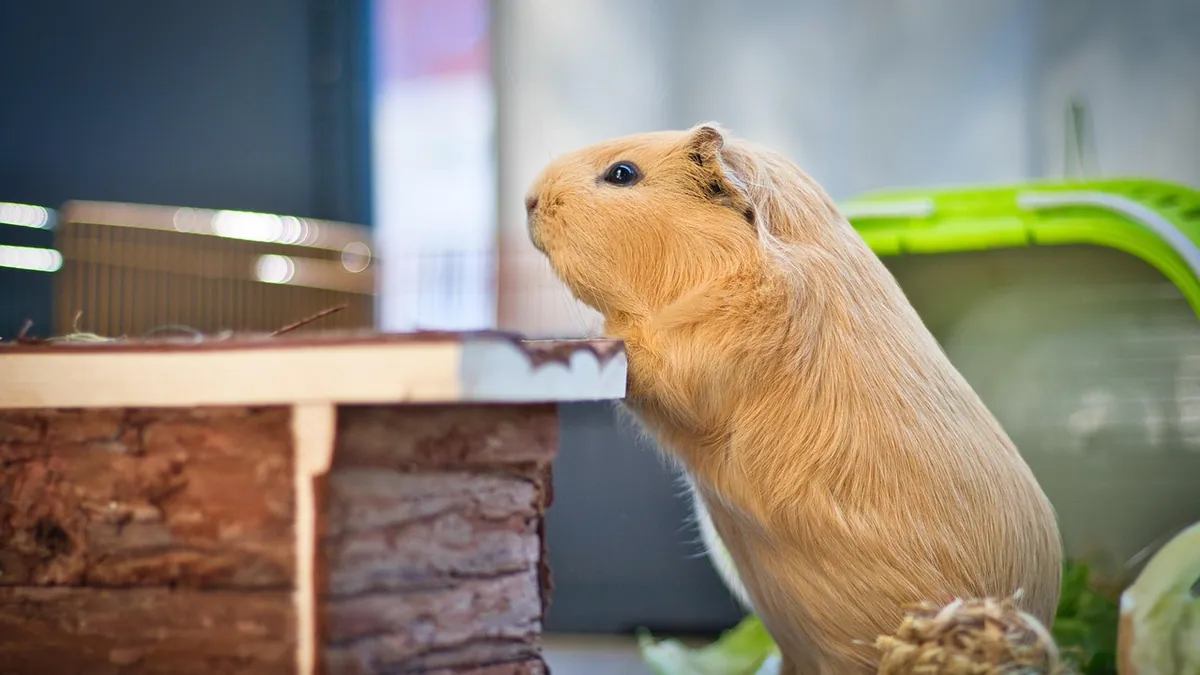
Guinea pigs stop pooping when their digestive tract slows down, a condition called gastrointestinal stasis. Because a guinea pig's gut must keep moving almost constantly, a drop in poop output can become life-threatening within hours, not days. If your guinea pig is not pooping, treat it as an emergency and call an exotic vet right away.
This article is educational and is not a substitute for veterinary diagnosis or treatment.
Quick Answer
- A healthy guinea pig poops often, usually dozens of droppings a day. A sudden drop to zero or near zero is an emergency.
- Stop guessing and start counting. Check the cage bedding for fresh droppings over a 1 to 2 hour window.
- If your guinea pig is not eating or pooping, that combination points to gut stasis or a dental problem and needs same-day veterinary care [1].
- Never give human laxatives, enemas, or over-the-counter gas remedies. These can kill a guinea pig.
- Keep offering hay, water, and a heat source, then get to a vet who treats exotic pets.
What Normal Pooping Looks Like in Guinea Pigs
Guinea pigs are hindgut fermenters. Their digestive system depends on a steady flow of fiber moving through it at all times. When that flow stops, gas builds up, the gut wall can be damaged, and the animal can decline fast.
Normal droppings are small, oval, and fairly uniform. They should be firm but not rock hard. A healthy adult produces a lot of them, so the bedding usually looks busy. If you clean the cage and find almost nothing new a few hours later, that is your first warning sign.
Some guinea pigs eat their own soft night droppings (cecotropes) directly from the rear. This is normal and you may never see them. So a lack of visible poop does not always mean zero output, but it does mean you need to watch closely.
Why Is My Guinea Pig Not Pooping? Main Causes
Many different problems can slow or block the gut. The table below groups the most common ones and how fast you need to act.
| Cause | Typical clues | How urgent |
|---|---|---|
| Gut stasis from not eating | Not eating or pooping, hunched posture, small or no droppings, quiet behavior | Emergency now |
| Dental disease (malocclusion) | Drooling, weight loss, dropping food, mouth bleeding, trouble chewing [1] | Same day |
| Vitamin C deficiency (scurvy) | Rough coat, lameness, swollen joints, weight loss, diarrhea, sudden illness [2] | Same day |
| Intestinal blockage or intussusception | Painful defecation, rolling behavior, low body temperature, bloated belly [3] | Emergency now |
| Dehydration | Sunken eyes, skin that tents when pinched, dry gums, no urine | Emergency now |
| Pain or stress from another illness | Reduced appetite, hiding, teeth grinding, reluctance to move | Same day |
| Reproductive or hormonal disease | Weight loss with a normal appetite, drinking and peeing more, soft stool [4] | Routine to urgent |
A guinea pig that is not peeing or pooping at all is a different level of concern than one passing small amounts. No urine for several hours can mean a urinary blockage, which is also an emergency.
Gut Stasis: The Most Common Reason
Gut stasis means the muscles of the digestive tract have stopped pushing food along. It usually starts because the guinea pig stopped eating for some reason, such as pain, stress, or dental problems. Once the gut slows, gas and fluid build up, the guinea pig feels worse, eats less, and the cycle tightens.
This is why the timeline is so short. A guinea pig that skips meals for a day can already be in serious trouble.
Dental Problems That Stop Eating
Guinea pig teeth grow continuously. When the upper and lower teeth do not line up, the teeth overgrow, develop sharp edges, and cause pain while chewing [1]. The molars at the back of the mouth are often the problem even when the front teeth look fine [1].
Signs include drooling, weight loss, mouth bleeding, tooth root infections, and discharge from the nose or eyes [1]. A guinea pig in mouth pain simply eats less, and the gut slows down behind it.
Nutritional Causes
Guinea pigs cannot make their own vitamin C, so they must get it from food [2]. Without enough, they can lose their appetite, develop dental problems, have swollen joints, bleed under the skin, become weak, and possibly die [2]. Signs include a rough coat, lameness, weight loss, diarrhea, and sudden illness [2].
Vitamin C in pellets is unstable and breaks down with heat, light, and moisture, so a bag of pellets can lose much of its vitamin C within a few months [2]. That means a guinea pig on old pellets and no fresh vegetables can become deficient even if the bag says it is fortified.
Blockage and Other Serious Causes
A physical blockage is less common than simple stasis, but it happens. One report described a guinea pig with painful defecation and a 24-hour history of poor appetite and rolling episodes, later found to have an intestinal intussusception (a telescoping of the bowel) causing a mechanical ileus [3]. That case shows a blockage belongs on the list of possibilities when a guinea pig has ileus and a bloated stomach [3].
Other conditions can also change appetite and stool. Cystic ovarian disease is the most common reproductive tract disorder in female guinea pigs, and hyperthyroidism is the most common nonreproductive endocrine disorder, usually in guinea pigs over 3 years old [4]. Hyperthyroid guinea pigs often lose weight despite a normal or increased appetite and may have soft feces or diarrhea [4].
Red Flags That Mean Emergency Now
Call an emergency exotic vet immediately if you see any of these:
- No droppings for 12 hours or more
- Not eating at all, or not eating for more than a few hours
- Not peeing, or straining to pee with no urine
- A hard, bloated, or tender belly
- Rolling, writhing, or pressing the belly to the floor
- Grinding teeth, which often signals pain
- Labored breathing, open-mouth breathing, or a blue tinge to the gums
- Cold ears and feet, or a body that feels cool to the touch
- Collapse, weakness, or unresponsiveness
- Drooling combined with not eating [1]
Do not wait to see if it passes. Guinea pigs hide illness well and often look "a little quiet" only when they are already very sick.
What You Can Safely Do at Home While Waiting
Your job at home is to keep the guinea pig warm, hydrated, and comfortable until you reach the vet. Do not try to force the gut to move on its own.
Keep hay and water available. Fresh grass hay and clean water should always be in the cage. Do not remove food, even if your guinea pig is not eating.
Offer a heat source. A microwavable heat pad wrapped in a towel, or a warm water bottle, placed against one side of the cage gives the guinea pig a choice to warm up or move away. Never put a guinea pig directly on a hot surface.
Count droppings and note the time. Take a photo of the cage before you clean it. This gives the vet real information about output.
Do not give human medications. Laxatives, enemas, simethicone, and pain relievers made for people can seriously harm or kill a guinea pig. Leave all drugs to the veterinarian.
Do not syringe-feed unless a vet tells you to. If there is a blockage, pushing food in can make things worse. Ask the vet first.
Call ahead. Not every clinic treats guinea pigs. Ask specifically whether the practice has a veterinarian who sees exotic pets, and describe your guinea pig's symptoms on the phone.
If your guinea pig is also refusing all food, the general principles in Why Is My Dog Not Eating? can help you understand how quickly appetite loss becomes dangerous, though the species and timeline differ.
What Your Veterinarian Will Check
Expect a thorough physical exam first. The vet will weigh your guinea pig, check hydration, listen to the gut, and feel the abdomen for gas, masses, or tenderness. They will also look inside the mouth, because dental disease is a leading cause of appetite loss in this species [1].
Common next steps include:
- Skull x-rays to assess the teeth, especially the molars at the back of the mouth [1]
- Abdominal imaging to look for gas patterns, dilation, or a blockage [3]
- Blood work to check organ function, hydration, and signs of infection
- Fluid therapy, which may be given by injection if the guinea pig is dehydrated [1]
- Syringe feeding with a liquid formula if the guinea pig is not eating [1]
- Pain medication and gut motility drugs chosen by the vet based on your pet's weight and condition
If dental disease is found, the vet may need to clip or file the teeth, and chronic cases may need trimming every month [1]. If a fracture or other jaw injury is involved, treatment can include immobilizing the jaw and supporting nutrition through a feeding tube [5].
Vitamin C dosing is one of the few places where a number is safe to share. Guinea pigs need at least 10 mg of vitamin C per kilogram of body weight per day, and pregnant females need 30 mg per kg per day [2]. Because most guinea pigs weigh around 1 kg, giving 10 mg per guinea pig, and 30 mg to a pregnant female, is safe [2]. Ask your vet before starting any supplement.
Preventing Gut Slowdown
Most stasis cases start with something you can influence: diet, dental care, and early detection.
Feed unlimited grass hay. Hay provides the long fiber that keeps the gut moving. Pellets and vegetables are supplements, not the base of the diet.
Give fresh vitamin C daily. Because pellets lose vitamin C over time, offer fresh sources such as bell pepper and leafy greens, and consider a supplement at the dose above [2].
Weigh your guinea pig weekly. A kitchen scale catches weight loss before you notice a thinner animal. Weight loss is one of the earliest signs of dental pain and other illness [1][4].
Check the mouth and droppings regularly. Look for drooling, dropped food, and changes in stool size or number [1].
Keep the cage clean. Remove uneaten food and sanitize the cage to reduce infection risk [1].
Schedule routine vet visits. In one survey of guinea pig owners, about half reported taking their guinea pig to a veterinarian [6]. Regular checkups help catch dental and nutritional problems early.
Know your pet's normal. If you know how much your guinea pig usually eats, drinks, and poops, you will spot a problem hours sooner.
If you are also managing a dog or cat with constipation, the same "count the output" habit applies. See Dog Not Pooping but Eating Normally: Causes and Solutions and Cat Not Pooping but Eating Normally: Causes and When to Help for comparison.
Limitations and When to Contact a Veterinarian
This article cannot tell you what is wrong with your specific guinea pig. Only a veterinarian who examines your pet can do that.
Contact a veterinarian the same day if your guinea pig has stopped eating, is passing very few droppings, is drooling, has lost weight, or seems painful [1][4].
Go to an emergency clinic now if there has been no poop for 12 hours or more, the belly is hard or bloated, your guinea pig is rolling or pressing its belly down, it is not peeing, or it is weak, cold, or struggling to breathe [3].
Book a routine visit if your guinea pig is eating and pooping normally but you have noticed gradual weight loss, a rough coat, or soft stool [2][4].
Guinea pigs decline quickly. When in doubt, call. A phone call costs nothing, and waiting can cost your pet its life.
Frequently Asked Questions
How long can a guinea pig go without pooping?
A guinea pig should not go more than a few hours without producing droppings. If you see no new poop for 12 hours, that is an emergency. Do not wait a full day to see if it improves.
Can I give my guinea pig a laxative?
No. Human laxatives and enemas can cause severe harm or death in guinea pigs. Gut motility drugs must be prescribed and dosed by a veterinarian who has examined your pet.
Will my guinea pig start pooping again once it eats?
Sometimes, but only if the underlying problem is fixed. If the gut has already slowed, eating alone may not restart it, and the guinea pig may need fluids, pain control, and motility support from a vet.
Is it normal for a guinea pig to eat its own poop?
Yes. Guinea pigs produce soft cecotropes and eat them directly to absorb nutrients and B vitamins. This is normal behavior and not a sign of illness.
Can stress cause a guinea pig to stop pooping?
Yes. Stress, pain, a new environment, or the loss of a cage mate can reduce appetite, and reduced appetite is what starts gut stasis. If the behavior lasts more than a few hours, call your vet.
Related Articles
- Guinea Pig Diarrhea: Causes and What to Do
- Why Is My Guinea Pig Not Eating? When to Worry
- Is It Normal for Guinea Pigs to Poop and Pee a Lot?
References
- Common Health Problems of Guinea Pigs - All Other Pets. Merck Veterinary Manual.
- Nutritional Problems of Guinea Pigs - All Other Pets. Merck Veterinary Manual.
- Jejuno-jejunal intussusception in a guinea pig (Cavia porcellus). Open veterinary journal, 2017.
- Noninfectious Diseases of Guinea Pigs - Exotic and Laboratory Animals. Merck Veterinary Manual.
- Use of chin sling for conservative treatment of mandibular fracture in a guinea pig (Cavia porcellus). Journal of the American Veterinary Medical Association, 2023.
- Cross-sectional survey of husbandry for pet guinea pigs (Cavia porcellus) in New Zealand. New Zealand veterinary journal, 2023.