Why Is My Guinea Pig Shedding So Much?
By Dr. Zubair Khalid, DVM, MS, PhD ·
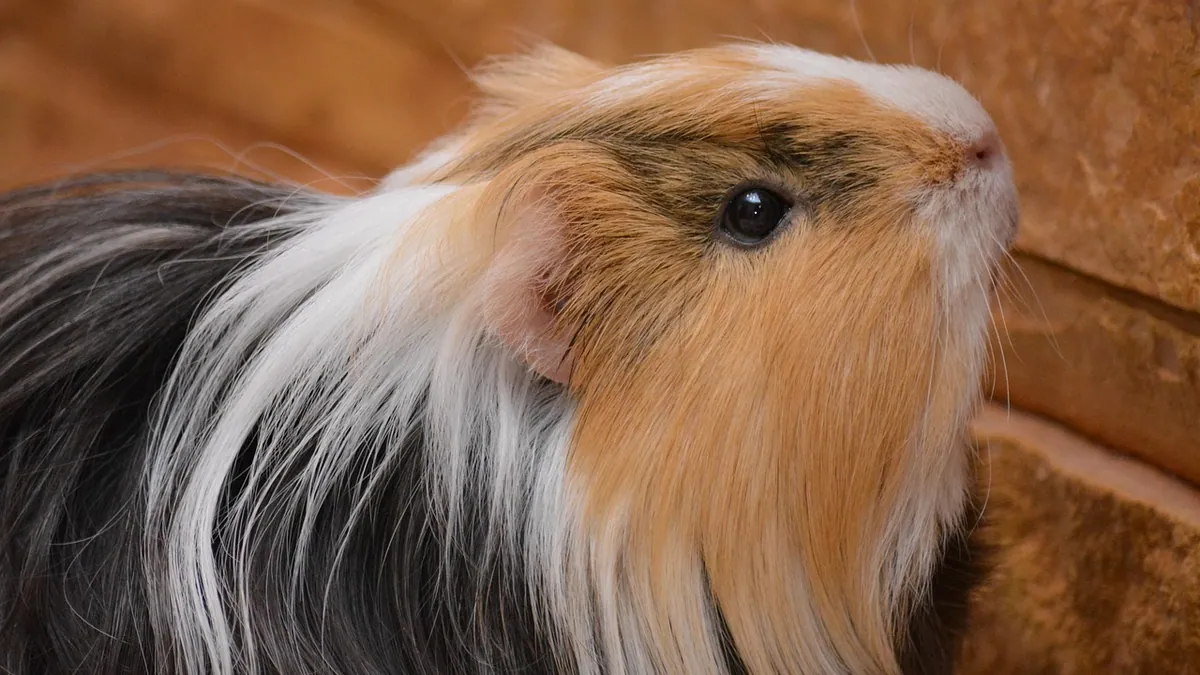
Guinea pigs shed all year, and many shed more in spring and fall as daylight and temperature shift. If the hair is coming out in small amounts and your guinea pig still has a full coat, that is usually normal. If you are seeing bald patches, crusty skin, or hair coming out in clumps, something else is going on. This article is educational and is not a substitute for veterinary diagnosis or treatment.
Quick Answer
- Light, even shedding with no bald spots is normal, especially during seasonal coat changes.
- Bald patches, crusts, or intense scratching usually mean mites, ringworm, or another skin problem [1].
- Female guinea pigs with hair loss on both flanks and a swollen belly may have cystic ovarian disease [2].
- Never use flea or mite products made for dogs or cats, since many are toxic to guinea pigs.
- Any guinea pig with open sores, weight loss, or trouble eating needs a veterinary visit.
What Normal Shedding Looks Like in Guinea Pigs
A healthy guinea pig has a dense coat with no visible skin. When you pet your guinea pig or hold it against a dark shirt, you may notice a few loose hairs. That is normal. Guinea pigs shed continuously at a low level, and many shed more heavily when the seasons change.
Normal shedding has a few features:
- The coat still looks full and even.
- The skin underneath is clean and pale, with no flakes, scabs, or redness.
- Your guinea pig is not scratching, biting, or rubbing itself more than usual.
- Hair comes out in small strands, not in tufts or clumps.
If you are comparing species, the pattern is similar to what owners see with Dog Shedding Constantly, where a seasonal coat blow is normal but patchy loss is not.
Why Is My Guinea Pig Shedding So Much? The Main Causes
When shedding crosses from normal into excessive, the cause is usually one of the problems below. The table gives a quick overview, and the sections after it explain each one.
| Cause | Typical clues | How urgent |
|---|---|---|
| Mites | Intense itching, scabs, hair loss on the back and sides | See a vet soon |
| Lice | Itching, hair loss around the neck and ears, visible insects | See a vet soon |
| Ringworm | Bald, scaly patches on the face, around the eyes, in the ears | See a vet soon, contagious to people |
| Barbering | Broken hair, patchy loss, no skin disease | Routine visit |
| Cystic ovarian disease | Hair loss on both flanks, swollen belly, in females | See a vet soon |
| Fighting or injury | Wounds, scabs, hair loss in patches | Depends on wound severity |
| Bumblefoot | Swollen, painful feet, reluctance to move | See a vet soon |
| Poor nutrition | Dull coat, flaky skin, weight loss | Routine visit |
Mites
Mites are one of the most common causes of heavy hair loss in guinea pigs. They spread through contact with an infected guinea pig or contaminated bedding [1]. The classic sign is intense itching. Your guinea pig may scratch until the skin is raw, and you may see scabs and patches of missing hair along the back and sides.
Veterinarians diagnose mites by looking at skin scrapings under a microscope. Treatment involves injections or topical medications applied to the skin [1]. Good cage sanitation and low stress help prevent infestations from taking hold [1].
Mites are not the same as the mange mite that affects farm pigs, which is a separate condition studied in commercial herds [3]. Guinea pig mites are treated differently, so do not assume a pig product will work.
Lice
Lice cause itching, hair loss, and inflamed skin around the neck and ears in severe cases [1]. You can often see lice on the hair with a magnifying glass. Treatment is usually topical, and keeping the cage clean helps prevent reinfection [1].
Ringworm
Ringworm is a fungal infection, and it is common in young guinea pigs. It causes bald, scaly patches, often on the face, around the eyes, and in the ears. These patches may be flaky, crusty, or red, and they can spread to other areas of skin [1]. Bacterial infection can complicate ringworm, which makes early treatment important [1].
Ringworm is contagious to humans and other animals [1]. A recent case report described a teenager who developed a skin infection after being bitten while breaking up a fight among her guinea pigs, and testing suggested the infection came from the guinea pigs [4]. This is a good reminder to wash your hands after handling your pet, especially if you have broken skin.
A study of guinea pigs in Southern California shelters found that dermatophyte DNA was detected in 54 of 85 animals by PCR, though far fewer were positive on other tests [5]. This suggests that exposure to ringworm fungi may be more common than visible disease, and it supports testing instead of guessing.
Barbering
Barbering is when a guinea pig chews its own hair or the hair of a cage mate. The hair loss looks patchy, but the skin underneath is usually normal. You may find chewed hair stubs in the cage. Barbering can be a sign of stress, overcrowding, or boredom, and it can also happen when one guinea pig is bullying another.
Cystic Ovarian Disease
In female guinea pigs, cystic ovarian disease is the most common reproductive tract disorder, and uterine problems may occur at the same time [2]. Signs include decreased appetite, lethargy, a hunched posture, weight gain, a palpable mass in the middle of the abdomen, and progressive belly swelling [2]. Hair loss on both flanks and the underside of the belly is a classic clue, along with crusting or darkening of the nipples and clitoral enlargement [2].
Diagnosis is usually made with abdominal ultrasound, and surgery (spaying) is the recommended treatment [2]. If your female guinea pig has a swollen belly and symmetrical hair loss, book a veterinary visit.
Fighting and Injuries
Guinea pigs housed together sometimes fight, and injuries from fighting can cause patches of hair loss [1]. Check for wounds, scabs, or swelling. If you see a bite that is open or draining, call your veterinarian.
Bumblefoot
Inflammation of the bottom of the feet, called pododermatitis or bumblefoot, is common in guinea pigs [1]. It causes swollen, painful feet and can make your guinea pig reluctant to move. Hair loss around the feet may be part of the picture. This condition needs veterinary care.
Nutrition and General Health
A dull coat and flaky skin can reflect a poor diet, especially a lack of vitamin C or low-quality pellets. Guinea pigs cannot make their own vitamin C, so they need a steady supply from food. Sudden hair loss along with weight loss or a change in appetite can also point to a broader illness. If your guinea pig is losing hair and also drinking or urinating more than usual, that pattern deserves a closer look, similar to how owners track Why Is My Dog Peeing So Much?.
Red Flags That Make It an Emergency
Most shedding is not an emergency, but some signs mean you should act right away.
- Open wounds that will not stop bleeding
- Trouble breathing, gasping, or blue gums
- Not eating or not pooping for 12 hours or more
- Collapse, seizures, or extreme weakness
- A swollen belly with a guinea pig that will not move or eat
- Sudden severe itching with raw, bleeding skin
If you see any of these, call an emergency veterinary hospital that treats exotic pets. Guinea pigs can decline quickly when they stop eating.
Safe Things You Can Do at Home While You Wait
While you wait for your appointment, there are a few safe steps you can take. These will not cure a mite or fungal infection, but they can keep your guinea pig comfortable and prevent spread.
Check the Coat and Skin
Part the hair in several places and look at the skin. Note where the bald patches are, whether the skin is red, crusty, or flaky, and whether your guinea pig seems itchy. Take photos so you can show your veterinarian.
Improve the Cage
Clean the cage more often, replace bedding, and remove soiled spots daily. Mites and lice spread through contaminated bedding, so sanitation matters [1]. Use a gentle, pet-safe cleaner and rinse well.
Reduce Stress
Stress makes skin problems worse. Keep the cage in a quiet spot, avoid overcrowding, and give each guinea pig enough space and hiding spots. Handle your guinea pig gently and keep sessions short if it seems uncomfortable.
Do Not Use Over-the-Counter Dog or Cat Products
Many flea and tick products made for dogs and cats are toxic to guinea pigs. Do not apply them, even in small amounts. Do not use human antifungal creams on your guinea pig unless your veterinarian tells you to.
Support Good Nutrition
Offer fresh hay, plain pellets made for guinea pigs, and a daily source of vitamin C such as bell pepper. Fresh water should always be available. If your guinea pig is not eating well, that is a reason to call the vet, not to wait.
Isolate if Needed
If you have multiple guinea pigs and one has crusty patches or heavy hair loss, keep it separate until your veterinarian gives you a plan. Ringworm is contagious to other animals and to people [1].
What Your Veterinarian Will Check and Test
Your veterinarian will start with a full physical exam. They will check your guinea pig's weight, teeth, eyes, ears, feet, and belly. They will look at the pattern of hair loss, since the location often points to the cause.
Depending on what they find, they may recommend:
- Skin scrapings to look for mites under a microscope [1]
- A magnifying glass exam or tape prep to look for lice [1]
- Fungal culture, PCR, or other testing for ringworm [1][5]
- A Wood's lamp or skin scraping for fungal disease
- Abdominal ultrasound if cystic ovarian disease is suspected [2]
- Blood work to check for underlying illness
Treatment depends on the diagnosis. Mites are treated with injections or topical medication [1]. Lice are usually treated topically [1]. Ringworm needs antifungal treatment, and your veterinarian will also talk with you about cleaning the environment and protecting yourself. If cystic ovarian disease is confirmed, surgery is the recommended treatment [2].
Your veterinarian will calculate any medication dose based on your guinea pig's weight and health. Never guess a dose or reuse a medication from a previous illness.
Prevention and Monitoring
A few habits go a long way toward keeping your guinea pig's coat healthy.
- Weigh your guinea pig weekly and write down the number. Small changes are easier to catch early.
- Clean the cage regularly and replace bedding often to reduce mites and lice [1].
- Quarantine new guinea pigs for a few weeks before introducing them to your others.
- Wash your hands after handling, especially if you have a new pet or a guinea pig with skin problems [1].
- Feed a balanced diet with a daily vitamin C source.
- Keep stress low with enough space, hiding spots, and a stable routine [1].
- Schedule a routine exam if you notice any change in coat, appetite, or energy.
If you also keep rabbits, you may notice they shed heavily too. The same rule applies, since a full coat with no bald spots is normal, while patchy loss needs a vet visit. Owners often search for answers about why is my rabbit shedding so much when they see a heavy molt, and the pattern of normal versus abnormal is similar across small pets. If you are comparing hair loss patterns in another species, Dog Losing Lots of Hair: Is It Normal Shedding or a Problem? walks through the same logic.
Limitations and When to Contact a Veterinarian
This article cannot tell you what is causing your guinea pig's hair loss. Only a veterinarian who examines your pet can do that. Individual cases need a veterinarian, and the timing depends on how sick your guinea pig is.
Contact an emergency veterinary hospital right away if your guinea pig is not eating, is struggling to breathe, has open bleeding wounds, is collapsed, or has a swollen belly and will not move.
Call your regular veterinarian the same day if you see bald patches with crusty or red skin, intense scratching that breaks the skin, hair loss on both flanks in a female, or hair loss along with weight loss.
Schedule a routine visit within a few days if the shedding seems heavier than usual but your guinea pig is eating, drinking, and acting normally. Bring notes about when the shedding started, what the skin looks like, and any changes in diet, cage mates, or bedding.
Frequently Asked Questions
Is it normal for guinea pigs to shed so much?
Light shedding is normal, and many guinea pigs shed more during seasonal changes. Heavy shedding with bald spots, scabs, or itching is not normal and usually points to mites, lice, ringworm, or another skin problem [1].
Can I catch a skin problem from my guinea pig?
Yes, ringworm is contagious to humans and other animals [1]. A case report described a person who developed a skin infection after a guinea pig bite, with testing suggesting the infection came from the guinea pigs [4]. Wash your hands after handling and see your doctor if you develop a rash.
Why does my guinea pig have bald patches on both sides?
In female guinea pigs, hair loss on both flanks along with a swollen belly can be a sign of cystic ovarian disease [2]. Your veterinarian can confirm this with an ultrasound and discuss treatment options [2].
Should I use a mite treatment from the pet store?
Do not use flea or mite products made for dogs or cats, since they can be toxic to guinea pigs. Your veterinarian can diagnose mites with a skin scraping and prescribe a safe treatment [1].
How often should I check my guinea pig's coat?
Check the coat and skin about once a week during handling, and weigh your guinea pig at the same time. Early detection makes skin problems easier to treat and helps you spot weight loss before it becomes serious.
Related Articles
- Do Guinea Pigs Shed? Normal Hair Loss vs a Problem
- Why Is My Guinea Pig Losing Hair? Causes and Fixes
- Why Is My Guinea Pig Itching? Mites, Ringworm and More
References
- Skin Problems of Guinea Pigs - All Other Pets. Merck Veterinary Manual.
- Updates on Cystic Ovarian Disease in Guinea Pigs. The veterinary clinics of North America. Exotic animal practice, 2025.
- Serological survey on Sarcoptes scabiei var. suis in fattening pigs and sows from intensive farms in Italy. Parasitology research, 2026.
- Inflammatory-Type Tinea Corporis from Trichophyton mentagrophytes Animal Type 3 with Suspected Infection from a Guinea Pig. Medical mycology journal, 2026.
- Prevalence of Lesional and Nonlesional Dermatophytosis in Shelter/Rescue Guinea Pigs (Cavia porcellus) in Southern California, USA. Veterinary dermatology, 2026.