Why Is My Guinea Pig Losing Hair? Causes and Fixes
By Dr. Zubair Khalid, DVM, MS, PhD ·
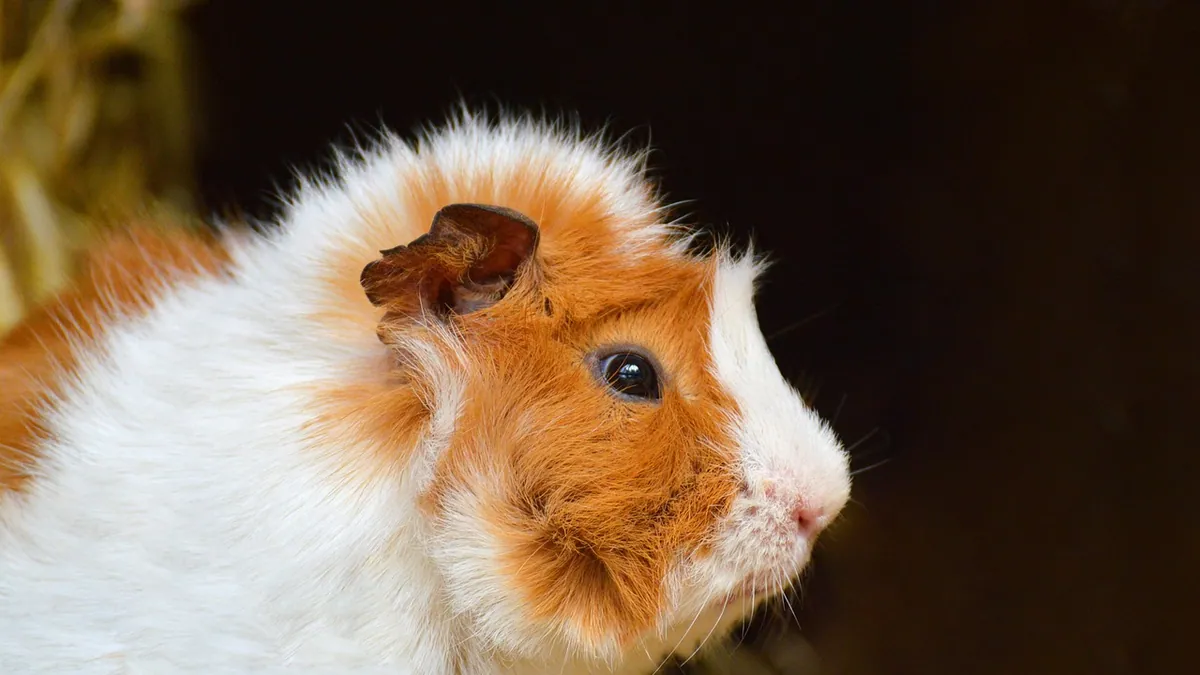
Guinea pigs do shed a little hair normally, but visible bald patches, crusty skin, or itching usually mean something else is going on. If you are asking why is my guinea pig losing hair, the most common culprits are mites, fungal infection, barbering, and hormonal disease such as ovarian cysts. This article is educational and is not a substitute for veterinary diagnosis or treatment.
Quick Answer
- Light, even shedding is normal. Bald patches, broken stubble, scabs, or intense scratching are not.
- Mites and lice cause itching and hair loss, often on the flanks, shoulders, neck, and inner thighs [1].
- Ringworm (a fungal infection) causes crusty, scaly patches and can spread to people in the home [2].
- Barbering is hair chewing, either self-inflicted or by a cage mate. The skin underneath usually looks normal.
- Unspayed female guinea pigs with symmetric hair loss on the flanks and belly may have ovarian cysts, which need veterinary diagnosis [3].
What Normal Shedding Looks Like Versus True Hair Loss
Guinea pigs shed hair the way most mammals do. You may notice a few loose hairs on bedding, on your clothes after handling, or in the brush. The coat still looks full and even. The skin underneath is clean and pale, with no redness, flakes, or scabs.
True hair loss looks different. You see a patch where the skin is exposed. The patch may be round, irregular, or symmetric on both sides of the body. The skin may be red, crusty, scaly, or darkened. Your guinea pig may scratch, bite, or squeak when touched. Some guinea pigs with skin disease lose weight, act frantic, or stop eating [1].
So is it normal for guinea pigs to lose hair? A little shedding, yes. A bald spot, no. When in doubt, take a photo of the area every few days. If the patch grows, call your veterinarian.
Common Causes of Hair Loss in Guinea Pigs
Skin problems in guinea pigs often show up as patches of hair loss, and there are several possible causes [1]. Here is a quick comparison.
| Cause | Typical clues | How urgent |
|---|---|---|
| Mites | Intense itching, hair loss on inner thighs, shoulders, neck, scabs, weight loss, frantic behavior [1] | Urgent. Severe cases can cause seizures and death [1] |
| Lice | Itching, hair loss and inflamed skin around neck and ears in severe cases, lice visible with a magnifying glass [1] | Soon. Treat with topical medication [1] |
| Ringworm (fungal) | Crusty, scaly, round patches, often on the face or back, can spread to people [2] | Soon. Contagious and zoonotic [2] |
| Barbering | Broken or chewed hair, no skin disease, often a dominant cage mate or a bored guinea pig [1] | Routine, but check for underlying stress or crowding |
| Ovarian cysts | Symmetric hair loss on flanks and belly, enlarged nipples, crusting, weight gain, abdominal swelling in unspayed females [3] | Soon. Needs ultrasound and often surgery [3] |
| Fighting injuries | Wounds, scabs, missing fur near bite sites [1] | Soon if wounds are open or infected |
| Bumblefoot | Swollen, crusty sores on the bottom of the feet, limping [1] | Soon. Painful and can worsen |
Mites
Mite infestations are one of the most common reasons a guinea pig loses hair. Some mites burrow into the skin and cause intense itching, hair loss, and inflammation, often on the inner thighs, shoulders, and neck [1]. Your guinea pig may scratch so hard that the skin breaks and a bacterial infection develops. Some animals lose weight or act frantic from the itching [1]. Severe infestations can cause seizures and death [1].
Mites spread through contact with an infected guinea pig or contaminated bedding [1]. This is why a new guinea pig should be checked by a veterinarian before meeting your existing pets. Veterinarians diagnose mites by examining skin scrapings under a microscope and treat with injections or topical medications applied to the skin [1].
Lice
Lice also cause itching and hair loss. In severe cases, the skin around the neck and ears becomes inflamed [1]. You can sometimes see lice on the hair with a magnifying glass [1]. Treatment is usually topical, and keeping the cage clean helps prevent lice [1].
Ringworm and Other Fungal Infections
Dermatophytosis, commonly called ringworm, is a contagious fungal infection of the skin and hair [2]. It can pass from guinea pigs to people, so it matters for your whole household [2]. A study of shelter guinea pigs in Southern California found that most animals tested negative on fungal culture, but fungal DNA was detected in a large share of samples, which shows how common exposure can be even when obvious lesions are absent [2].
Ringworm usually causes crusty, scaly, round patches. The hair may break off at the surface, leaving a stubby look. Your veterinarian can confirm it with a fungal culture or other tests [2].
Barbering
Barbering is when a guinea pig chews its own hair or a cage mate's hair [1]. The skin underneath usually looks healthy. You may see short, choppy hair instead of a smooth bald patch. Barbering can be a sign of stress, crowding, or a dominant cage mate. It can also happen when a guinea pig is itchy and chews at the area. If the skin is red or scabby, assume there is an underlying skin problem and see your veterinarian.
Hormonal Disease: Ovarian Cysts
Cystic ovarian disease is the most common reproductive tract disorder in female guinea pigs [3]. It often causes symmetric, non-itchy hair loss on the flanks and ventral abdomen [3]. Other signs include enlarged nipples with crusting or darkening, a swollen belly, weight gain, decreased appetite, lethargy, a hunched posture, and behavior changes [3]. Your veterinarian can often feel a mass in the midabdomen, and ultrasound is the usual way to confirm the diagnosis [3]. Treatment is surgical, with ovariohysterectomy or ovariectomy recommended [3].
If your guinea pig is female, unspayed, middle-aged or older, and losing hair on both sides of the belly, ask your veterinarian about ovarian cysts.
Other Causes
Fighting can cause wounds and missing fur [1]. Bumblefoot, or pododermatitis, causes inflammation on the bottom of the feet and is common in guinea pigs kept on rough or dirty bedding [1]. Vitamin C deficiency is another concern because guinea pigs cannot make their own vitamin C. A study in guinea pig fetuses showed that complete vitamin C deprivation can weaken basement membranes and alter brain structure, which is a reminder of how essential this nutrient is for tissue health [4]. In adult guinea pigs, poor vitamin C intake can affect skin, coat, and wound healing. Feed a fresh guinea pig pellet plus daily vegetables rich in vitamin C.
If you also have dogs or cats with hair loss, the causes are different. You can read about why dogs lose hair and why cats lose hair for comparison.
Red Flags That Make It an Emergency
Call an emergency veterinary hospital right away if your guinea pig:
- Has seizures, tremors, or collapses [1]
- Is not eating or drinking for more than a few hours
- Is breathing with effort or open-mouth breathing
- Has a swollen, painful belly and is hunched or crying
- Has open wounds with pus or a foul smell
- Is suddenly paralyzed or dragging the back legs
Severe mite infestation can cause seizures and death, so do not wait if itching is intense and your guinea pig is frantic [1].
Safe Things You Can Do at Home While Waiting
You cannot diagnose mites, ringworm, or ovarian cysts at home. But you can make your guinea pig more comfortable and lower the risk of spread.
- Keep the cage clean. Remove soiled bedding daily and disinfect the enclosure. Good sanitation and low stress help prevent mite infestations [1].
- Isolate a new guinea pig for a few weeks before introductions, and have a veterinarian check it first.
- Do not use over-the-counter flea or mite products made for dogs or cats. Many are toxic to guinea pigs. Your veterinarian will choose a safe product and calculate the dose from your pet's weight and health.
- Do not bathe a guinea pig with crusty skin unless your veterinarian tells you to. Bathing can spread fungal spores and dry out the skin.
- Offer fresh water and a balanced diet with guinea pig pellets and vitamin C rich vegetables.
- Reduce stress. Crowding, loud noises, and frequent handling can worsen skin problems.
- Wash your hands after handling your guinea pig, especially if ringworm is possible, because it can spread to people [2].
- Take clear photos of the bald areas and note when you first saw them. This helps your veterinarian track progress.
If your guinea pig has a cage mate, check that guinea pig too. Mites and lice spread through contact [1].
What Your Veterinarian Will Check and Test
Your veterinarian will start with a full physical exam. They will look at the skin, coat, feet, teeth, and belly. They will weigh your guinea pig and ask about diet, cage setup, cage mates, and recent changes.
Depending on what they find, they may recommend:
- Skin scrapings to look for mites under a microscope [1]
- A magnifying glass exam or tape prep to look for lice [1]
- A fungal culture, PCR, or other test for ringworm [2]
- A Wood's lamp exam, though not all fungi glow
- Abdominal ultrasound to check for ovarian cysts or uterine disease in females [3]
- Blood work or imaging if your guinea pig is not eating or losing weight
Treatment depends on the cause. Mites are treated with injections or topical medications [1]. Lice are treated topically [1]. Ringworm needs antifungal medication and environmental cleaning [2]. Ovarian cysts usually need surgery [3]. Bacterial infections that develop alongside mites need antibiotics. Your veterinarian will calculate every dose based on your guinea pig's weight and health.
Prevention and Monitoring
You can lower the chance of hair loss problems with a few habits.
- Buy guinea pigs from a reputable source, and quarantine new arrivals.
- Clean the cage often. Dirty bedding harbors mites, lice, and bacteria [1].
- Provide a large enclosure with hiding spots so guinea pigs can escape each other. This reduces barbering and fighting.
- Feed a complete diet with guinea pig pellets and daily vitamin C. Guinea pigs cannot make vitamin C on their own, and it is essential for collagen and tissue health [4].
- Check your guinea pig's coat and skin once a week. Run your hands over the body and look for scabs, flakes, or thin spots.
- Weigh your guinea pig weekly. Weight loss can be an early sign of mites, dental problems, or other illness [1].
- Keep the environment calm. Stress makes skin problems worse and can trigger outbreaks.
- Schedule a wellness exam once or twice a year, and sooner if you see hair loss.
If you have other pets with skin issues, some of the same principles apply. For dogs, patchy hair loss has its own list of causes, which you can read about in why dogs lose hair in patches.
Limitations and When to Contact a Veterinarian
This article cannot tell you what is causing your guinea pig's hair loss. Only a veterinarian who examines your pet can do that. Individual cases need a veterinarian, and home remedies can delay proper treatment.
Contact your veterinarian the same day if your guinea pig has a bald patch that is growing, red or crusty skin, intense itching, weight loss, or a swollen belly. Contact an emergency hospital now if your guinea pig has seizures, trouble breathing, is not eating, or has open wounds with pus [1].
For a routine visit, book an appointment if you notice mild shedding that seems heavier than usual, or if a cage mate is chewing hair. Early treatment is easier and safer than waiting.
Frequently Asked Questions
Is it normal for guinea pigs to shed hair?
Yes, light shedding is normal. Guinea pigs replace hair like other mammals, and you may see a few loose hairs on bedding or clothing. The coat should still look full, and the skin should be clean and smooth. Bald patches, scabs, or itching are not normal and need a veterinary exam.
Why does my guinea pig lose hair in patches?
Patches usually point to mites, ringworm, barbering, or hormonal disease. Mites cause itching and hair loss on the flanks, shoulders, neck, and inner thighs. Ringworm causes crusty, scaly round patches. Ovarian cysts cause symmetric hair loss on the flanks and belly in unspayed females. Your veterinarian can sort out which one it is with an exam and simple tests.
Can hair loss in guinea pigs be caused by stress?
Stress can contribute to barbering and can make skin problems worse. Crowding, a new cage mate, or a dirty cage can trigger hair chewing. Stress also weakens the immune system, which may let mites or fungal infections take hold. Fixing the environment and seeing a veterinarian covers both angles.
Is guinea pig hair loss contagious to other pets or people?
Some causes are contagious and some are not. Mites and lice spread between guinea pigs through contact and bedding. Ringworm is contagious to other pets and to people, so wash your hands after handling your guinea pig. Ovarian cysts and barbering are not contagious.
How long does it take for guinea pig hair to grow back?
Regrowth depends on the cause and how much hair was lost. Once the underlying problem is treated, you may see fine new hair within a few weeks, with a full coat taking longer. If the skin stays red, crusty, or itchy after treatment, call your veterinarian for a recheck.
Related Articles
- Guinea Pig Respiratory Infections: Causes, Signs, and Treatment
- Why Is My Hamster or Guinea Pig Losing Hair on Its Back?
- Do Guinea Pigs Shed? Normal Hair Loss vs a Problem
- Why Does My Small Pet Have a Bald Spot? Hair Loss in Hamsters, Rabbits, Rats and Guinea Pigs
References
- Skin Problems of Guinea Pigs - All Other Pets. Merck Veterinary Manual.
- Prevalence of Lesional and Nonlesional Dermatophytosis in Shelter/Rescue Guinea Pigs (Cavia porcellus) in Southern California, USA. Veterinary dermatology, 2026.
- Updates on Cystic Ovarian Disease in Guinea Pigs. The veterinary clinics of North America. Exotic animal practice, 2025.
- Neurodevelopmental Changes in the Guinea Pig Brain Caused by Time-Limited Complete Vitamin C Deprivation. Nutrients, 2025.