Do Guinea Pigs Get Depressed Alone?
By Dr. Zubair Khalid, DVM, MS, PhD ·
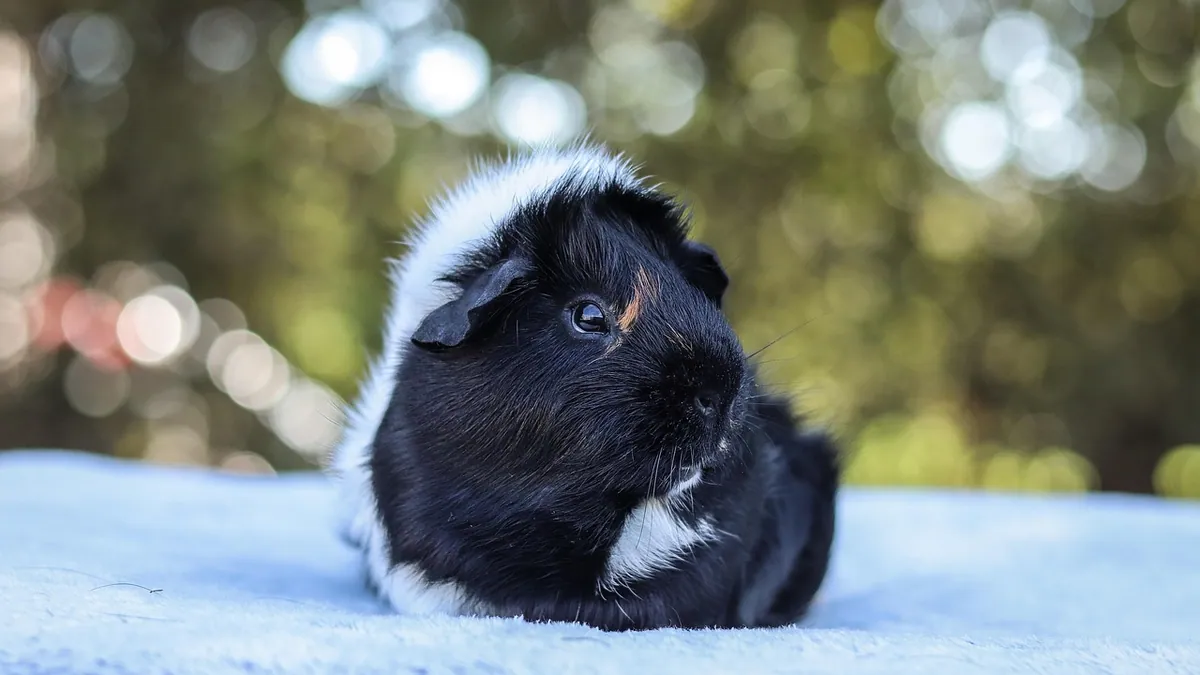
Do guinea pigs get depressed alone? Often, yes. Guinea pigs are social animals that usually do best in pairs or small groups, and a pig kept by itself can develop real stress and depressive-like behavior [1][2]. That said, some single guinea pigs do fine when their owner meets their social needs. This article is educational and is not a substitute for veterinary diagnosis or treatment.
Quick Answer
- Guinea pigs are naturally social and often do best with at least one compatible same-sex companion [1].
- Isolation from companions or a caregiver can trigger depressive-like behavior and stress responses in guinea pigs [2][3].
- A lone guinea pig needs daily, hands-on human interaction and a stimulating environment to reduce loneliness.
- Not every single pig is unhappy. Some do well alone if they are aggressive with other pigs or have health issues that require separate housing.
- Sudden changes in eating, activity, or behavior in a lone pig warrant a veterinary visit, since illness can look like depression.
Why Guinea Pigs Get Lonely
Guinea Pigs Are Built for Company
Guinea pigs are social animals that often do well in pairs or small groups [1]. In the wild and in group housing, they eat, rest, and explore near each other. In one large survey of guinea pig caretakers, eating and resting next to other guinea pigs happened several times per day in most animals [4]. That closeness is normal, not optional.
They are also mostly diurnal, meaning they are awake during the day when you are [1]. That gives you a real window to interact with a single pig. But human company is not the same as another guinea pig. A companion provides constant social contact, grooming, and shared hiding spots that you cannot fully replace.
What Isolation Does to a Guinea Pig
Research on guinea pig pups shows that early separation from their mother triggers an initial phase of anxiety-like vocalizing, followed by depressive-like behavior and fever that get worse with repeated isolation [3]. Another study found that early attachment disruption increased depressive-like behavior in adolescent guinea pigs [2]. These findings come from young animals in controlled settings, so they do not map perfectly onto a pet living alone in a home. Still, they show that guinea pigs have a strong biological response to being separated from others.
Social housing also shapes stress hormones. In female guinea pigs, the social situation an animal lives in is linked to cortisol concentrations and social behavior during adolescence [5]. Cortisol is a stress hormone. A lonely pig may carry a higher stress load than a pig with a companion.
Medical Causes That Can Look Like Depression
Before you assume loneliness is the whole story, rule out illness. A sick guinea pig often becomes quiet, hides, and eats less. Those signs can look exactly like depression.
Common medical problems in guinea pigs include dental disease, respiratory infections, skin conditions, and digestive issues. A lone pig that stops eating or drinking is a medical concern, not a behavioral one.
Temperature and humidity matter too. Guinea pigs are sensitive to heat and need a narrow comfort range of about 65 to 75°F (18 to 24°C) with low humidity, and temperatures above about 85°F (29°C) can cause heatstroke [1]. A pig that is too hot or too cold may become inactive and withdrawn.
Pain is another cause. A guinea pig with a painful tooth, joint, or bladder problem may sit still and avoid interaction. Your veterinarian can examine the animal and run tests to sort out medical causes from social ones.
When Loneliness Becomes a Problem
A single guinea pig is not automatically depressed. The question is whether the pig's needs are being met.
Signs that loneliness may be affecting your guinea pig include:
- Less interest in food or hay
- Hiding more than usual
- Fewer happy sounds and less movement
- Chewing on cage bars or pacing
- Weight loss
Bar chewing and running up and down were rare in the survey of caretakers, reported several times per day in only a small percentage of animals [4]. If your pig does these things often, something is off.
A lone pig that is eating well, active, and interactive with you may be fine. A lone pig that is withdrawn and quiet needs a closer look.
What to Do Step by Step
Step 1: Get a Veterinary Checkup First
Book an exam before you make big changes. Your veterinarian can rule out pain, infection, dental disease, and other medical causes. This matters most if your pig has stopped eating or is losing weight.
Step 2: Consider a Companion
The best fix for a lonely guinea pig is usually another guinea pig. Keep same-sex pairs or groups to avoid breeding, or have a veterinarian spay or neuter the animals before housing opposite-sex pairs together [1]. Male guinea pigs are less likely to fight if they are neutered or introduced before weaning [1].
Introductions need care. A neutral space, plenty of hiding spots, and slow supervised meetings reduce conflict. Our guide to Guinea Pig Social Needs: Pair Housing, Introductions, and Signs of Conflict walks through the process.
Step 3: Upgrade the Environment
A single pig needs more to do. Provide:
- Constant access to hay
- A large enclosure with room to run
- Hiding places, tunnels, and chew items
- Daily floor time in a safe, supervised area
Guinea pigs like to chew and may gnaw electrical cords or toxic houseplants, and other pets can seriously harm them, so always supervise time outside the cage [1]. Our article on Guinea Pig Companionship and Housing Needs covers setup in detail.
Step 4: Build a Daily Routine
Guinea pigs are awake during the day, so you can handle them without disrupting their sleep [1]. Aim for consistent, hands-on time every day. Talk to your pig, hand-feed vegetables, and sit nearby during floor time. Predictable routines lower stress.
Step 5: Watch the Behavior
Keep a simple log of eating, drinking, weight, and activity. Changes over a few days tell you more than a single bad afternoon. If your pig's behavior shifts, act early. Our guide to Guinea Pig Behavior: Understanding Sounds and Actions helps you read the signals.
When a Single Guinea Pig Is Acceptable
Some guinea pigs genuinely do better alone. This includes pigs that fight aggressively with every companion, pigs recovering from surgery, and pigs with contagious conditions that require isolation.
If your pig must live alone, you become the social partner. That means daily interaction, enrichment, and a stable routine. It also means watching closely for signs of stress, since you are the main source of companionship.
Age and health matter. An older pig that has lived alone for years may be stressed by a new companion. A veterinarian familiar with guinea pigs can help you weigh the risks and benefits.
What Not to Do
Do not punish a guinea pig for hiding, chewing, or being quiet. Punishment increases fear and does not teach the animal anything useful. Guinea pigs do not understand discipline the way dogs do.
Do not assume a stuffed toy or a mirror replaces a live companion. These can add interest, but they do not provide social contact.
Do not skip the veterinary exam because you assume the problem is loneliness. Illness and loneliness look alike, and treating one while missing the other delays care.
Do not house a guinea pig with a rabbit or another species. Different species have different diets, behaviors, and safety needs, and a larger animal can injure a guinea pig [1].
Do not breed your guinea pigs to solve loneliness. Pregnancy carries real health risks, and same-sex housing or spay/neuter is the safer path [1].
When to Involve a Veterinarian or Behavior Professional
Call your veterinarian if your guinea pig:
- Stops eating or drinking
- Loses weight
- Breathes noisily or with effort
- Has diarrhea or no droppings
- Becomes suddenly withdrawn or aggressive
- Shows new bar chewing, pacing, or self-injury
A veterinarian can diagnose medical causes and guide you on housing changes. If medical issues are ruled out and the behavior persists, ask for a referral to a veterinarian who focuses on behavior or an animal behavior professional with guinea pig experience.
Limitations and When to Contact a Veterinarian
This article gives general guidance. Every guinea pig is an individual, and only a veterinarian who examines your pet can give advice for your situation.
Contact a veterinarian the same day if your guinea pig stops eating, stops producing droppings, or becomes suddenly weak or unresponsive. These are signs of a serious problem that can worsen quickly.
Go to an emergency clinic now if your guinea pig is struggling to breathe, has a seizure, collapses, or shows signs of heatstroke such as heavy panting, drooling, or a hot body in a warm room [1]. Heatstroke can be fatal.
Schedule a routine visit if your guinea pig has been quiet, hiding, or less interactive for more than a day or two, even if it is still eating. Early care is easier than emergency care.
Frequently Asked Questions
Can a guinea pig die from loneliness?
Loneliness itself is not usually fatal, but the stress and appetite loss that come with it can lead to serious health problems. A guinea pig that stops eating can develop dangerous digestive issues within a day. Treat any drop in eating as urgent.
Is it cruel to keep one guinea pig?
It depends on the pig and the care it receives. Guinea pigs are social and often do best in pairs [1], so a single pig needs daily human interaction and enrichment to thrive. Some pigs must live alone for medical or behavioral reasons, and those animals can still have good welfare with attentive care.
How do I know if my guinea pig is lonely or just calm?
A calm guinea pig eats well, moves around, and interacts with you. A lonely or stressed pig hides more, vocalizes less, chews bars, or loses weight. Track these signs over several days and talk to your veterinarian if they persist.
Will my guinea pig be happier with a friend?
Often, yes. Guinea pigs frequently do well in pairs or small groups [1]. The match matters, so choose a compatible same-sex companion and introduce them carefully in a neutral space. Watch for fighting and separate them if needed.
Do guinea pigs get depressed when their companion dies?
They can show real changes after losing a cage mate, including reduced eating and more hiding. Give your pig extra attention, keep routines steady, and watch for weight loss. If signs last more than a few days, contact your veterinarian.
Related Articles
- Guinea Pig Social Needs: Pair Housing, Introductions, and Signs of Conflict
- Guinea Pig Companionship and Housing Needs
- Guinea Pig Health: Recognizing and Responding to Common Illnesses
- Husbandry and Welfare of Laboratory Guinea Pigs
- Guinea Pig Behavior: Understanding Sounds and Actions
- Guinea Pig Health: Common Conditions and Prevention
- Do Guinea Pigs Grieve When a Companion Dies?
- Do Guinea Pigs Mourn Each Other? Grief Signs
- Do Guinea Pigs Need to Be in Pairs? Social Needs
References
- Unique Needs of Guinea Pigs - All Other Pets. Merck Veterinary Manual.
- Early attachment disruption differentially enhances multiple signs of microglia activation in the prefrontal cortex, hippocampus, and preoptic area of periadolescent guinea pigs. Behavioural brain research, 2026.
- Examination of the role of adrenergic receptor stimulation in the sensitization of neuroinflammatory-based depressive-like behavior in isolated Guinea pig pups. Stress (Amsterdam, Netherlands), 2023.
- Guinea Pig (Cavia porcellus) Welfare: Associations Between Husbandry Practices, Human-Animal Interactions, and Animal Behaviour. Animals : an open access journal from MDPI, 2025.
- Social niche shapes social behavior and cortisol concentrations during adolescence in female guinea pigs. Hormones and behavior, 2024.