Do Guinea Pigs Get Cold or Overheat Easily?
By Dr. Zubair Khalid, DVM, MS, PhD ·
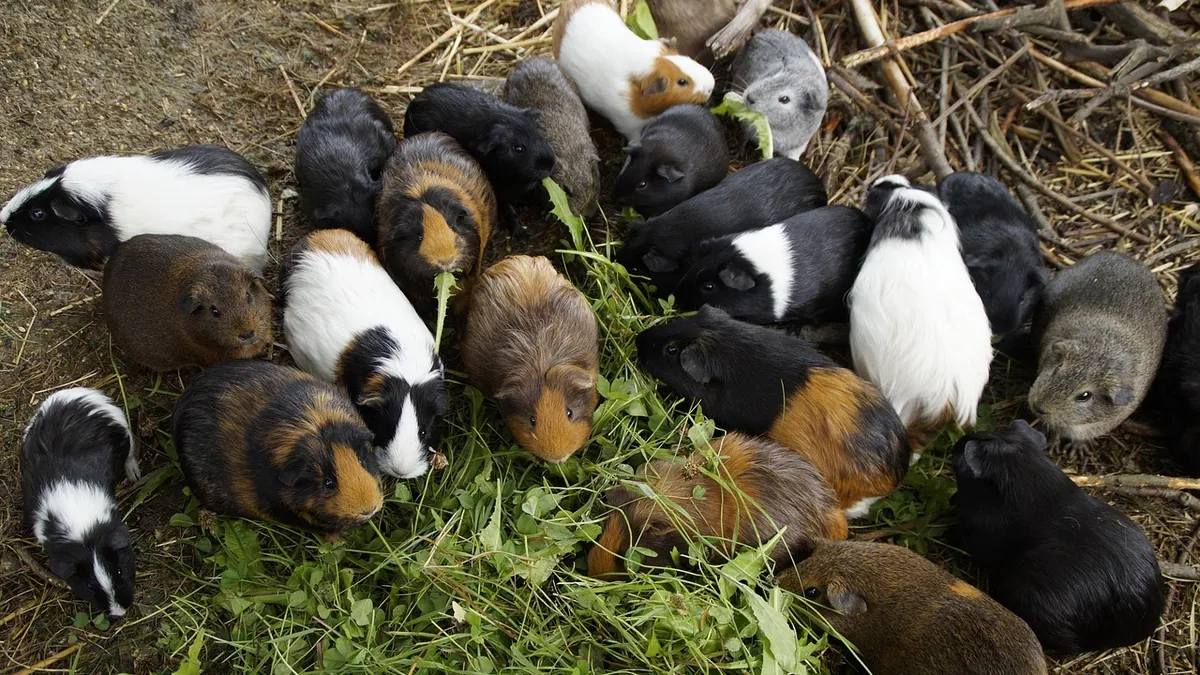
Yes, do guinea pigs get cold easily? Guinea pigs are small animals with a narrow comfort zone, so they chill faster than you might expect and they overheat just as quickly. Their safe range is roughly 65 to 79°F (18 to 26°C) with moderate humidity, and anything outside that window needs your attention [1]. This article is educational and is not a substitute for veterinary diagnosis or treatment.
Quick Answer
- Keep the room between 65 and 79°F (18 to 26°C) and humidity around 30 to 60% [1].
- Temperatures above about 85°F (29°C) can cause heatstroke, so never leave a guinea pig in a hot car, a sunroom, or direct sun [2].
- Cold drafts, unheated floors, and sudden temperature swings are the most common chilling risks in a normal home.
- Watch for huddling, shivering, and cold ears on the cold side, and heavy panting, drooling, and limpness on the hot side.
- Move the cage first, then call your veterinarian if symptoms do not improve within minutes.
How to Keep Your Guinea Pig at a Safe Temperature
Guinea pigs are adaptable, but their small bodies lose and gain heat fast. A room that feels fine to you in a T-shirt can be too cool for a guinea pig sitting still on a bare floor. Here is a practical routine.
Step 1: Measure the actual temperature where the cage sits
Do not guess from how the room feels. Put a digital thermometer at cage level, not on a high shelf. Heat rises, so a cage on the floor can be several degrees cooler than the thermostat reading, and a cage near a window can be much hotter in the afternoon. Check the reading at the warmest and coolest times of day for a week so you know your real range.
Step 2: Fix the biggest problems first
If the room runs below 65°F, add gentle heat. A space heater in the room (never pointed directly at the cage) or a pet-safe heat pad placed under part of the cage so your guinea pig can move away from it works well. If the room runs above 79°F, focus on cooling. Move the cage to the coolest interior room, close blinds against direct sun, and use a fan to move air around the room without blowing on the cage [2].
Step 3: Set up bedding and hiding spots that buffer temperature
Bedding choice matters for warmth and for respiratory health. Recycled paper products and fleece are good options, and wood shavings or chips should be avoided because aromatic oils can irritate the airways and lead to disease [1]. Provide more hiding spots than guinea pigs, so three guinea pigs need at least four hiding spots [1]. A pigloo or fleece tunnel gives a chilled guinea pig a warm microclimate, and it gives an overheated one a shaded place to lie flat.
Step 4: Adjust for season and time of day
Guinea pigs are mostly active during the day, so they are awake and moving when household temperatures peak [2]. That means a hot afternoon is a real risk, not a time when they are sleeping through it. In winter, watch for cold floors, drafty doors, and overnight drops after your heat cycles off.
Step 5: Handle transport carefully
Take extra care when moving guinea pigs in very hot or very cold weather [2]. Warm the car before loading in winter, cool it before loading in summer, and keep the carrier out of direct sun. Short trips with a stable temperature are far safer than long errands with the carrier sitting in a parked vehicle.
Step 6: Check on them at least twice a day
A quick visual check morning and evening catches problems early. Look at posture, breathing, and where your guinea pig chooses to rest. A guinea pig pressed into a corner or sprawled in the open is telling you something about the temperature.
Temperature and Setup Checklist
| Item | Target or action | Why it matters |
|---|---|---|
| Room temperature | 65 to 79°F (18 to 26°C) [1] | Outside this range, risk rises |
| Heatstroke threshold | Above about 85°F (29°C) [2] | Can cause heatstroke |
| Humidity | 30 to 60% [1] | Low humidity preferred, damp air adds stress |
| Drafts and direct sun | Avoid both [2] | Causes chilling and overheating |
| Bedding | Recycled paper or fleece, no wood shavings [1] | Avoids respiratory irritation |
| Hiding spots | More spots than guinea pigs [1] | Gives choice of warm or cool zones |
| Thermometer | One at cage level | Floor and shelf temps differ |
| Transport | Climate-controlled, out of sun [2] | Prevents rapid temperature swings |
Signs of Chilling and Heat Stress
Cold warning signs
A chilled guinea pig often huddles in a tight ball, tucks its feet under its body, and stays in one spot instead of exploring. The ears and feet may feel cool to the touch. You may see shivering or a hunched posture with ruffled fur. A guinea pig that stops eating or becomes quiet and still in a cold room needs to warm up gradually and be checked by a veterinarian if it does not perk up.
Long-term cold exposure is a genuine physiological stressor in pigs, triggering changes in fat tissue, muscle, and blood vessel function [3][4][5]. You do not need to understand the biology to act on it. The point is that cold is not a minor inconvenience for a small animal. It is a stress on the whole body.
Heat warning signs
Heat is the faster killer. Watch for heavy open-mouth breathing, panting, drooling, stretched-out posture, and skin that feels hot. A guinea pig that becomes limp, unresponsive, or has a racing heartbeat is in an emergency. Temperatures above about 85°F (29°C) can cause heatstroke [2], and heatstroke can progress quickly.
Behavior changes that signal stress
Guinea pigs show stress through behavior as well as body signs. In a study of guinea pigs used for interactive activities, excessive handling produced increased body temperature along with more head turning, more locomotion, and freezing behavior, while normal interaction led to a gradual drop in body temperature over time [6]. Salivary cortisol rose across all activities [6]. For you at home, the takeaway is simple. A guinea pig that freezes, paces, or turns its head repeatedly may be stressed, and stress and temperature problems often travel together.
If you notice ongoing behavior changes or subtle signs of illness, see Guinea Pig Health: Recognizing and Responding to Common Illnesses for a fuller symptom list. Sudden loud vocalizing can also be a pain or distress signal, which is covered in Guinea Pig Squeaking Noise.
Common Mistakes That Put Guinea Pigs at Risk
Leaving the cage in direct sun. A sunny window spot feels cozy in winter and becomes an oven by afternoon. Constant direct sunlight should be avoided [2].
Trusting the house thermostat. Thermostats sit at human height and read average conditions. The floor of a cage in a corner can be much colder.
Using wood shavings for warmth. They do not hold heat well, and aromatic oils can irritate the respiratory tract [1].
Skipping hiding spots. Without enough hiding areas, a guinea pig cannot choose a warmer or cooler spot, and it has nowhere to retreat from stress [1].
Ignoring humidity. Damp, stuffy air makes both heat and cold harder to tolerate, and low relative humidity is preferred [2].
Transporting in extreme weather without planning. Very hot or very cold weather is a specific transport risk [2].
Assuming a quiet guinea pig is fine. A guinea pig that goes still and stops eating is often sick, not calm. Pair your temperature checks with a general health routine, and see Guinea Pig Health: Common Conditions and Prevention for what to monitor.
Supplies and Setup That Actually Matter
A few inexpensive items do most of the work.
A digital thermometer with a humidity reading lets you track both numbers at once. Place it at cage level and check it daily.
A safe heat source for cold rooms. Choose a pet-safe heat pad you can place under part of the cage, so your guinea pig can step away when it gets warm enough. Never use a heat lamp that could tip or overheat one spot.
Cooling options for hot rooms. Frozen water bottles wrapped in a towel, cool ceramic tiles, and air movement in the room (not blowing into the cage) all help. Shade from direct sun is non-negotiable [2].
Proper bedding. Recycled paper products or fleece, free of loose fibers and strings [1]. Loose threads can wrap around toes and legs.
Enrichment. Enrichment items are essential, and they can be store-bought or homemade as long as materials are nontoxic and safe [1]. Chew toys and tunnels double as temperature-friendly hiding spaces.
A social setup. Guinea pigs are social and often do well in pairs or small groups [2]. A single guinea pig may huddle more and move less, which can mask temperature problems. Keep same-sex groups, or have a veterinarian spay or neuter before housing opposite-sex pairs together [2].
If you are still deciding between species, Guinea Pig vs Rabbit: Which Pet Is Right for You? compares their needs, and How Long Do Guinea Pigs Live? Lifespan and Care covers the long-term commitment.
Limitations and When to Contact a Veterinarian
No article can judge your individual guinea pig's condition. A veterinarian who examines your pet needs to make that call.
Emergency now. Go to an exotic or emergency veterinarian immediately if your guinea pig is limp, unresponsive, having trouble breathing, panting with its mouth open, having seizures, or feels hot and will not stand. Heatstroke can be fatal and moves fast.
Same day. Call your veterinarian the same day if your guinea pig is shivering and will not warm up, has stopped eating or drinking, is drooling, has cold ears with a hunched posture, or is breathing faster than normal. Also call if a temperature problem happened while you were away and you are not sure how long it lasted.
Routine visit. Schedule a checkup if you keep seeing subtle changes, such as less activity, hiding more, or eating less, even when the room temperature looks fine. These can point to illness instead of temperature alone.
Frequently Asked Questions
Can guinea pigs live outside in a hutch?
Guinea pigs are sensitive to temperature and humidity, and their comfortable range is narrow, so outdoor housing is risky in most of the United States. A hutch can swing from too cold at night to dangerously hot by afternoon, and drafts and direct sun are hard to control. Most owners do best keeping guinea pigs indoors in a climate-controlled room.
What room temperature is too cold for a guinea pig?
Below about 65°F (18°C) is outside the comfortable range for guinea pigs. A healthy adult may tolerate brief dips, but a cold floor, a draft, or a long overnight drop can chill a small body quickly. If your room regularly falls below that mark, add a safe heat source and a warm hiding area.
How fast can a guinea pig overheat?
Overheating can develop within minutes in a hot car, a sunroom, or direct sun. Temperatures above about 85°F (29°C) can cause heatstroke, and small animals heat up faster than people do. If you suspect overheating, move your guinea pig to a cool area and call your veterinarian right away.
Do guinea pigs need a heat lamp in winter?
Most indoor guinea pigs do not need a heat lamp if the room stays within the safe range. A heat lamp concentrates heat in one spot and can overheat a guinea pig that cannot move away. A pet-safe heat pad under part of the cage, with room to step off it, is a safer choice for a chilly room.
Does humidity matter as much as temperature?
Yes, humidity matters. Low relative humidity below 50% is preferred, and a range of 30 to 60% is comfortable for most guinea pigs. Damp, stuffy air makes both heat and cold harder to handle and can worsen respiratory problems. A thermometer that also reads humidity makes this easy to track.
Related Articles
- Guinea Pig Health: Common Conditions and Prevention
- Guinea Pig Squeaking Noise
- How Long Do Guinea Pigs Live? Lifespan and Care
- Guinea Pig vs Rabbit: Which Pet Is Right for You?
- Guinea Pig Health: Recognizing and Responding to Common Illnesses
- Guinea Pig Care: Respiratory Infection Symptoms & Antibiotic Protocol
- Can Guinea Pigs Overheat? Heat Stroke Signs and Care
- Do Guinea Pigs Hibernate? Torpor and Cold Safety
- Why Is My Guinea Pig Breathing Fast? When to Worry
References
- Housing and Nutrition of Guinea Pigs - Exotic and Laboratory Animals. Merck Veterinary Manual.
- Unique Needs of Guinea Pigs - All Other Pets. Merck Veterinary Manual.
- Effects of Cold Stress on the Morphology and Thermogenic Capacity of Adipose Tissue in Various Anatomical Depots of Min pigs. Cells, 2026.
- Effects of Prolonged Cold Stress on Vascular Function in Guinea Pigs With Atherosclerosis. Journal of cardiovascular pharmacology, 2025.
- Transcriptome profile of Min pig muscle response to cold stress. Veterinary and animal science, 2026.
- Relationship between Ear Temperature, Behaviour and Stress Hormones in Guinea Pigs (Cavia porcellus) during Different Interactive Activities in Zoos. Animals : an open access journal from MDPI, 2024.