Do Guinea Pigs Get Periods? Their Heat Cycle Explained
By Dr. Zubair Khalid, DVM, MS, PhD ·
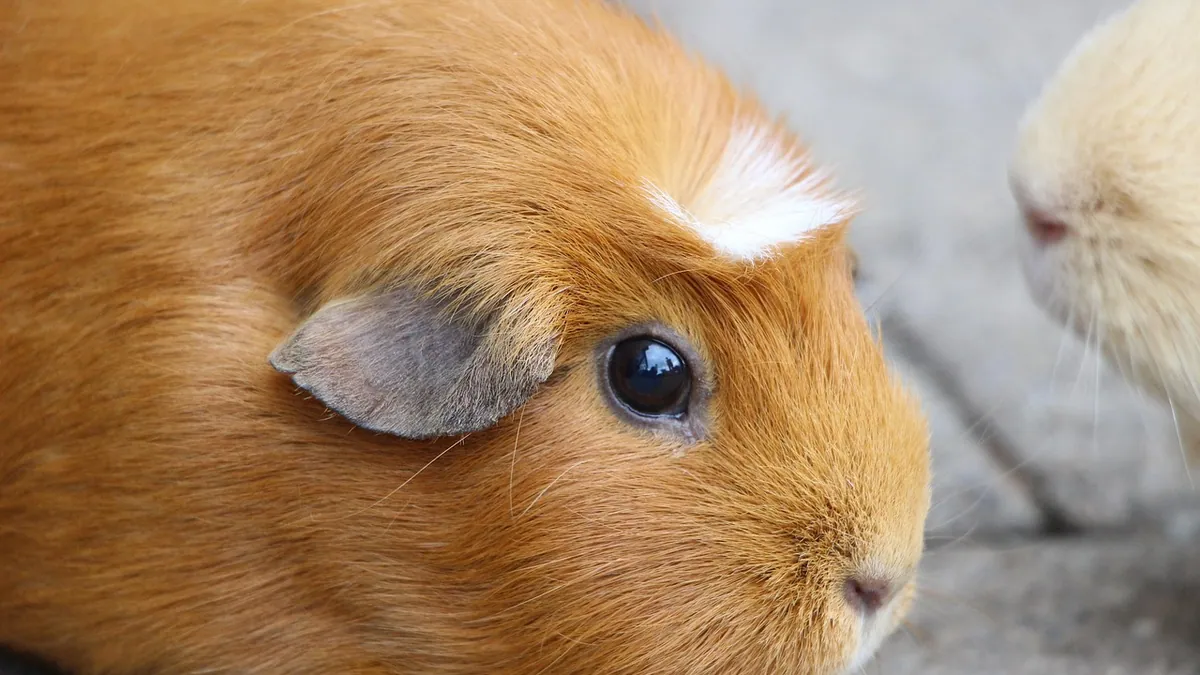
Do guinea pigs get their period? No. Guinea pigs do not menstruate the way humans do. Instead, females go through a repeating estrous cycle, and any blood you see is not a period. It is a sign that needs a closer look.
This article is educational and is not a substitute for veterinary diagnosis or treatment.
Quick Answer
- Guinea pigs have an estrous cycle, not a menstrual cycle, so they do not shed the uterine lining the way people do.
- A normal cycle in a guinea pig lasts about 16 days and includes an active luteal phase [1].
- A vaginal closure membrane covers the opening and ruptures briefly around estrus, then seals again [2].
- Clear or milky discharge can be normal around estrus. Red blood is not normal and should prompt a vet visit.
- If you see bleeding, keep your guinea pig calm, note the amount and timing, and call your veterinarian.
What Is Happening in a Guinea Pig's Body?
Estrous cycle basics
A guinea pig's reproductive cycle is called an estrous cycle. It is driven by hormones that rise and fall in a pattern, and it ends with ovulation if no pregnancy occurs [3]. This is different from a menstrual cycle, where the body builds up and then sheds the lining of the uterus. Guinea pigs reabsorb that lining instead of bleeding it out.
The cycle runs about 16 days, which is longer than many other rodents. It also has a true luteal phase, the part of the cycle after ovulation when the body prepares for a possible pregnancy [1]. That long, well-defined cycle is one reason guinea pigs are studied in reproductive research.
The vaginal closure membrane
One feature that surprises many owners is the vaginal closure membrane. This thin tissue covers the vaginal opening most of the time. It ruptures gradually and naturally right before labor and during estrus, then it closes again [2]. So if you notice the opening looks different on some days, that can be a normal part of the cycle.
Behavior and hormone shifts
Hormones do more than control reproduction. They can affect mood and social behavior too. In one study, aggressive behavior increased on the day of estrus, and guinea pigs spent less time hiding and more time eating at certain points in diestrus [1]. Cortisol, a stress hormone, also tends to be higher around estrus than in diestrus [3][4]. That means your guinea pig may seem a little more edgy or active at certain times of the month. This is normal.
Signs Owners Notice During the Cycle
Most guinea pigs show few obvious signs. When signs do appear, they are usually mild.
- Mounting or humping other guinea pigs
- More rumbling or rumble-strutting
- Slight restlessness or increased activity
- Mild swelling or a slightly open vaginal area
- Small amounts of clear or milky discharge
- A brief change in appetite or social interest
These signs come and go. They do not mean your guinea pig is sick on their own.
Do Guinea Pigs Get Their Period? What Bleeding Really Means
This is the heart of the question. Since guinea pigs do not menstruate, visible red blood is never a normal period. It points to something else.
Possible reasons for bleeding include:
- A urinary tract problem such as a bladder stone or infection
- A reproductive tract problem such as an infection, cyst, or tumor
- Trauma or a bite wound near the genital area
- A pregnancy complication or recent birth
- A skin problem that is bleeding and looks like it comes from the vagina
Blood can also come from the urinary opening instead of the vagina, and owners often cannot tell the difference at home. That is one reason a veterinary exam matters. If you are comparing species, dogs do have a true estrous cycle with bleeding, which you can read about in How Long Does A Dog Period Last and How Long Do Dog Periods Last. Guinea pigs are different.
Normal discharge versus abnormal discharge
| Type of discharge | Color and texture | What it usually means |
|---|---|---|
| Normal estrus discharge | Clear, milky, or slightly white, small amount | Hormonal change around estrus |
| Urine | Yellow to cloudy, may be thick | Normal urine, or sludge if very thick |
| Blood | Red, pink, or brown | Not normal, needs a vet visit |
| Pus | Yellow-green, thick, often smelly | Infection, needs a vet visit |
| Tissue or clots | Red or fleshy pieces | Not normal, urgent vet visit |
If you are unsure which opening the fluid came from, take a photo and call your vet. A clean white paper towel under your guinea pig can help you see the color clearly.
Causes and Risk Factors for Abnormal Bleeding
Bleeding in a guinea pig is a symptom, not a disease. The cause can be urinary, reproductive, or something else.
Urinary causes
Bladder stones and urinary tract infections are common in guinea pigs. They can cause blood in the urine, straining, and crying while urinating. Because the urinary and genital openings are close together, bloody urine can look like vaginal bleeding.
Reproductive causes
Older, unspayed females are at higher risk for problems in the uterus and ovaries, including infections and tumors. Cysts on the ovaries are also seen in guinea pigs [5]. These conditions can cause discharge or bleeding.
Other risk factors
- Age. Reproductive problems become more common as guinea pigs get older.
- Pregnancy status. Birth and pregnancy complications can cause bleeding.
- Living with males. A female housed with an intact male can become pregnant, which adds risk.
- Group housing stress. Social stress can affect behavior and hormones [1].
- Poor diet. Low vitamin C and low fiber diets raise the risk of urinary problems.
If you keep guinea pigs in a group, learn the normal social patterns so you can spot real problems. Understanding Mini Pig Behavior: Affection, Aggression, and Heat Cycles covers heat-related behavior in another species, and the same idea applies here, know what is normal for your pet.
How Veterinarians Diagnose the Problem
Your vet starts with a full history. They will ask when you saw the discharge, what color it was, and whether your guinea pig is eating, drinking, and urinating normally.
Next comes a physical exam. The vet checks the genital area, feels the abdomen, and looks at overall body condition. They may also check the teeth, since dental problems can cause drooling and eating changes that owners sometimes confuse with other issues.
Common tests include:
- Urinalysis to check for blood, crystals, and infection
- Imaging such as X-rays or ultrasound to look for stones, cysts, or masses
- Blood work to check organ function and general health
- Vaginal cytology, where a swab sample is examined under a microscope. This method is used to monitor the estrous cycle and confirm pregnancy in guinea pigs [6].
Guinea pigs are prey animals and hide illness well. By the time bleeding is obvious, the problem may have been present for a while. Early testing gives you more options.
Treatment Options
Treatment depends on the cause. There is no single answer.
- For a urinary infection, your vet may prescribe an antibiotic. The dose is calculated from your guinea pig's weight and health, so never use a leftover medication or a dose meant for another pet.
- For bladder stones, surgery is often needed to remove the stone.
- For reproductive infections or tumors, spaying may be recommended. This removes the source of the problem and prevents future uterine disease.
- For hormonal or cystic changes, your vet will decide whether monitoring, medication, or surgery is best.
- For trauma or wounds, wound care and sometimes antibiotics are needed.
Supportive care matters too. Your vet may recommend fluids, pain relief, and a diet high in fiber and vitamin C. If your guinea pig is not eating, that becomes an urgent problem, because guinea pigs can develop serious gut and liver issues quickly when they stop eating.
Recovery, Outlook, and Long-Term Management
Recovery depends on what caused the bleeding. A simple urinary infection often improves within days of starting the right treatment. Stones and tumors need more time and may need surgery.
For long-term care:
- Weigh your guinea pig weekly. Small weight loss is an early warning sign.
- Feed unlimited grass hay, fresh leafy greens, and a plain vitamin C source.
- Keep fresh water available at all times.
- Clean the cage often to reduce bacteria and ammonia.
- Watch for straining, crying, or changes in urine color.
- Keep a simple log of any discharge you see, including color and date.
If your guinea pig is not spayed and is not intended for breeding, talk with your vet about whether spaying makes sense. It can prevent several reproductive problems later in life.
Prevention
You cannot prevent a normal estrous cycle, and you should not try. What you can do is reduce the risk of the problems that cause abnormal bleeding.
- House females separately from intact males unless you are intentionally breeding.
- Provide a large cage with room to move and hide.
- Feed a proper diet with enough fiber and vitamin C.
- Schedule a wellness exam at least once a year, and twice a year for older guinea pigs.
- Track your guinea pig's cycle signs so you know what is normal for them.
Good daily care is the best prevention. The principles in Husbandry and Welfare of Laboratory Guinea Pigs apply to pet guinea pigs too, since housing, diet, and handling all affect health. If you also live with cats, their heat cycles are very different, which you can compare in How Often Do Cats Go Into Heat? Feline Estrous Cycle & Signs Guide.
Limitations and When to Contact a Veterinarian
No article can tell you what is causing your guinea pig's symptoms. Individual cases need a veterinarian who can examine your pet in person.
Contact your vet the same day if you see:
- Any red, pink, or brown discharge
- Straining to urinate or crying while urinating
- A swollen or painful belly
- Not eating or not producing droppings
- Drooling or trouble chewing
Go to an emergency clinic right away if you see:
- Heavy or continuous bleeding
- Collapse, weakness, or trouble breathing
- A large amount of blood in the cage
- A guinea pig that is cold, limp, or unresponsive
Call for a routine visit if you notice:
- Repeated small amounts of clear discharge with no other signs
- Behavior changes around the same time each month
- Any new lump or swelling near the belly or genitals
When in doubt, call. A short phone call can help you decide whether you need an urgent visit or can wait for a regular appointment.
Frequently Asked Questions
Do guinea pigs bleed when they are in heat?
No, guinea pigs do not bleed during heat. Their cycle does not shed the uterine lining, so there is no period blood. Any red discharge is a sign of a problem and should be checked by a veterinarian.
How often does a guinea pig go into heat?
A guinea pig's cycle repeats about every 16 days. Each cycle includes estrus, when she is receptive to mating, and diestrus, the longer phase after ovulation. Some guinea pigs show clear behavior changes and others show almost none.
What does normal guinea pig discharge look like?
Normal discharge is clear, milky, or slightly white and appears in small amounts around estrus. It should not smell bad or contain blood. Thick yellow or green discharge suggests infection and needs veterinary care.
Can a guinea pig get pregnant during her cycle?
Yes. Guinea pigs ovulate on their own, without needing a male to trigger it. A female housed with an intact male can become pregnant during estrus. Pregnancy in guinea pigs is a serious matter because of their body shape and the size of the babies.
Is my guinea pig in pain if she is bleeding?
Bleeding itself is not always painful, but the cause often is. Conditions like bladder stones and uterine problems can cause real discomfort. Signs of pain in guinea pigs include hunched posture, grinding teeth, reduced appetite, and less movement. If you see any of these along with bleeding, treat it as urgent.
Related Articles
- Husbandry and Welfare of Laboratory Guinea Pigs
- Guinea Pig Care: Ovarian cysts hormonal alopecia treatment guide
- How Long Are Guinea Pigs Pregnant? Timeline
- Is My Guinea Pig Pregnant or Just Fat?
References
- Behavioral and physiological changes during the estrous cycle of socially housed female guinea pigs. Behavioural processes, 2026.
- Early puberty in short-haired Guinea pigs kept in laboratory animal facilities. Animal reproduction, 2022.
- Physiological and behavioral traits in female guinea pigs: estrous cycle effects and repeatability. Physiology & behavior, 2026.
- Effects of the estrous cycle and sex on stress responses in guinea pigs. Scientific reports, 2025.
- Mast cells and Kurloff cells - Their detection throughout the oestrous cycle in normal guinea pig ovaries and in guinea pigs with cystic rete ovarii. Research in veterinary science, 2021.
- Validation and refinement of existing methods for timed mating and early pregnancy detection in guinea pigs. PloS one, 2026.