Do Guinea Pigs Mourn Each Other? Grief Signs
By Dr. Zubair Khalid, DVM, MS, PhD ·
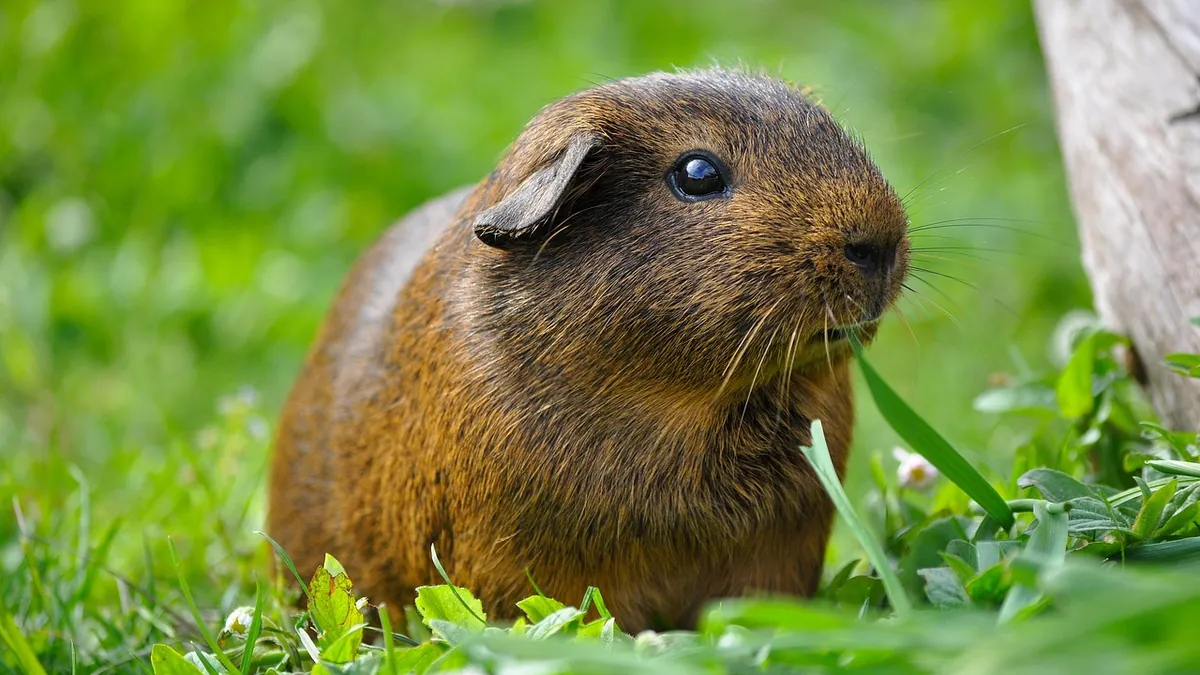
Guinea pigs can show real signs of distress after a cagemate dies, and many owners notice changes in appetite, vocalization, and hiding. Because guinea pigs are highly social animals that form strong attachments, the loss of a companion can affect their behavior and well-being. This article is educational and is not a substitute for veterinary diagnosis or treatment.
Quick Answer
- Guinea pigs are social animals that form strong bonds, and losing a cagemate can trigger grief-like behaviors such as hiding, reduced eating, and more distress vocalizations [1][2].
- Most guinea pigs adjust within a few days to a few weeks, but some take longer, especially if they were closely bonded.
- Watch closely for weight loss, not eating, or labored breathing, because these can signal a medical problem that needs a vet visit.
- Keep a routine, offer extra hiding spots, and spend more calm time near the cage while your guinea pig adjusts.
- Consider a new companion only after you have ruled out illness and given your guinea pig time to stabilize, and plan introductions carefully.
Do Guinea Pigs Mourn Each Other? What the Behavior Tells You
Guinea pigs are herd animals. In the wild, they live in groups and rely on each other for safety and social contact. That social wiring does not switch off when a cagemate dies. Research on attachment in guinea pigs shows that separating an infant from its mother triggers distress vocalizations, and those calls stay high for the first four weeks before slowly declining [1]. This tells us guinea pigs have a strong biological drive to stay near bonded companions.
Grief in animals is harder to confirm than grief in people. Animals cannot describe sadness, and owners can misread normal behavior as mourning [2]. Still, observational and separation research has documented grief-like responses across many species, including withdrawal, changes in vocalization, and shifts in social interaction [2]. In guinea pigs, the most reliable sign is a change from your pet's normal baseline.
You know your guinea pig best. If your guinea pig was outgoing and now hides, or was a loud wheeker at feeding time and now stays silent, that change matters more than any single behavior on a checklist.
Guinea Pig Grief Signs to Watch For
Grief signs in guinea pigs usually show up in four areas: eating, activity, vocalization, and social contact.
Eating and drinking changes
A grieving guinea pig may eat less, drink less, or lose interest in favorite vegetables. Weight loss is the most objective sign to track. Weigh your guinea pig on a small kitchen scale every few days and write down the numbers. A steady drop over several days is a reason to call your vet.
Activity and hiding
Your guinea pig may spend more time in a hidey house, move less, or seem "flat." In welfare research, guinea pigs show negative behaviors such as freezing and reduced movement when they are stressed [3]. A grieving guinea pig may also sit in the spot where the cagemate used to rest.
Vocalization changes
Some guinea pigs call more, especially with the loud wheek or whistle they use when they want attention or food. Others go quiet. Separation studies show that guinea pigs vocalize more when a bonded companion is absent, and the rate depends on how familiar the surroundings are [1]. If your guinea pig is calling more than usual, that can be a sign of distress.
Social and bonding behavior
Your guinea pig may seek you out more, follow you, or cling to routine. In owner surveys of dogs and cats after a companion animal died, the most common changes were increased affectionate behavior and more attention-seeking [4]. Guinea pigs can show similar clinginess. Some also become irritable or start barbering (chewing their own fur).
How Long Do Guinea Pigs Mourn Each Other?
There is no fixed timeline. In separation research, distress vocalizations in young guinea pigs stayed high for about four weeks and then declined to near zero by week 12 [1]. That study looked at mother-infant separation, not death of a cagemate, so use it as a rough guide, not a rule. Many owners report that appetite and activity return to normal within one to two weeks.
A few factors affect how long it lasts:
- How closely bonded the pair was. A guinea pig that slept next to its cagemate and shared food may react more strongly.
- Whether the surviving guinea pig saw the body. Some owners report a calmer adjustment when the surviving pet has time near the deceased cagemate, though this is not proven in guinea pigs.
- The guinea pig's age and personality. Young, shy, or single-bonded guinea pigs often take longer.
- How much social contact remains. A guinea pig that now lives alone has lost its main source of daily companionship.
If your guinea pig is still not eating normally after two to three days, or still losing weight after a week, treat it as a medical concern, not just grief.
Medical Causes to Rule Out First
Never assume every change is grief. Guinea pigs hide illness well, and many diseases look like sadness. A guinea pig that stops eating can develop serious gut problems within hours. Dental pain, respiratory infection, bladder stones, and gut stasis can all cause hiding, reduced appetite, and low activity.
Pain assessment in guinea pigs is limited. Grimace scales and pain scoring tools used in other species have not been developed for guinea pigs, and many analgesic doses are extrapolated from other animals [5]. That means your veterinarian will rely on a full physical exam, weight history, and sometimes imaging or blood work to find the cause. If your guinea pig is not eating, breathing fast, or sitting hunched, call your vet the same day.
Read more about common health problems in Guinea Pig Health: Recognizing and Responding to Common Illnesses.
When Grief Becomes a Problem
Grief is a normal response to loss. It becomes a problem when it affects basic survival needs or lasts too long.
Call your veterinarian if you see any of these:
- No eating or drinking for 12 to 24 hours.
- Weight loss of more than a few grams per day for several days.
- Labored breathing, wheezing, or clicking sounds.
- Diarrhea, no droppings, or small, dry droppings.
- Teeth grinding, hunched posture, or reluctance to move.
- Crying or distress vocalizations that do not settle.
- No improvement in appetite or activity after one to two weeks.
A guinea pig that stops eating needs veterinary care quickly. Do not wait to see if it "snaps out of it."
What to Do Step by Step After Losing a Cagemate
1. Give your guinea pig time to adjust
Keep the cage in a quiet, familiar spot. Avoid moving furniture or changing the setup right away. Familiar surroundings lower distress vocalizations in guinea pigs [1]. Let your guinea pig hide if it wants to, but check on it often.
2. Keep a strict routine
Feed at the same times, offer the same vegetables, and keep cleaning schedules steady. Guinea pigs are creatures of habit. Predictability helps them feel safe.
3. Weigh daily and track intake
Use a small digital scale. Write down weight, how much hay and pellets are eaten, and how many droppings you see. This gives your vet useful information if you need to call.
4. Increase calm social contact
Sit near the cage and talk softly. Offer gentle hand-feeding of hay or a favorite veggie. Some guinea pigs want more lap time, others want less. Follow your guinea pig's lead. Do not force interaction.
5. Add enrichment and hiding spots
Provide multiple hidey houses, tunnels, chew toys, and foraging opportunities. Guinea pigs that have places to retreat feel safer. Enrichment also gives them something to do besides waiting for a companion. For more on reading your guinea pig's signals, see Guinea Pig Behavior: Understanding Sounds and Actions.
6. Consider a new companion when the time is right
Guinea pigs are social and generally do better with a companion. Wait until your guinea pig is eating, active, and medically stable. Then plan introductions carefully. A neutral space, plenty of hay, and short supervised meetings work best. Never just put a new guinea pig into the cage. Read Guinea Pig Companionship: How to Introduce and Bond Pairs before you start.
If your guinea pig is very young, very old, or has health problems, talk to your vet about whether a new companion is a good idea now or later.
What Not to Do
- Do not punish hiding, crying, or reduced appetite. These are stress responses, not misbehavior.
- Do not force your guinea pig to interact with you or a new guinea pig before it is ready.
- Do not assume a new cagemate will fix everything. Introductions can be stressful, and a bad match can make things worse.
- Do not skip meals or withhold food to "encourage" eating. Guinea pigs need constant food through their gut.
- Do not use human grief timelines. A guinea pig may adjust in days or take weeks.
- Do not ignore weight loss because you think it is "just grief." Weight loss is a medical red flag.
When to Involve a Veterinarian or Behavior Professional
Contact your veterinarian if your guinea pig stops eating, loses weight, breathes abnormally, or has digestive changes. These are same-day concerns. If your guinea pig is stable but still withdrawn after two to three weeks, a routine visit can rule out hidden illness and help you plan next steps.
A veterinarian with small mammal experience can assess pain, dental health, and overall condition. If behavior problems continue after medical causes are ruled out, ask for a referral to a veterinarian who focuses on behavior. They can help with introduction planning and environmental changes.
Limitations and When to Contact a Veterinarian
This article cannot tell you whether your specific guinea pig is grieving or sick. Only a veterinarian who examines your pet can do that. Individual cases need a veterinarian, especially when eating or breathing changes.
Call your veterinarian the same day if your guinea pig:
- Has not eaten in 12 to 24 hours.
- Is breathing fast, open-mouthed, or with visible effort.
- Has no droppings or very small droppings.
- Is hunched, grinding teeth, or crying when touched.
- Is losing weight steadily.
Go to an emergency clinic now if your guinea pig:
- Is gasping, limp, or unresponsive.
- Has seizures or sudden collapse.
- Has severe diarrhea or blood in the cage.
- Cannot stand or move.
Schedule a routine visit within a few days if your guinea pig:
- Is eating less but still eating.
- Is hiding more than usual for more than a week.
- Has mild weight loss.
- Seems withdrawn after two to three weeks.
Frequently Asked Questions
Do guinea pigs get depressed after their cagemate dies?
Yes, guinea pigs can show depression-like behaviors after losing a bonded companion. They may eat less, hide more, vocalize differently, and lose interest in play. These signs usually improve with time, routine, and social contact, but they can also signal illness, so watch weight and appetite closely.
Should I show my guinea pig the body of its dead cagemate?
There is no strong evidence for or against this in guinea pigs. Some owners report that a brief period near the deceased companion helps the surviving guinea pig settle. If you choose to do this, keep it short and supervised, then return your guinea pig to its normal routine.
Will my guinea pig die of a broken heart?
Guinea pigs do not die directly from grief, but stress from loss can lead to reduced eating and gut problems. A guinea pig that stops eating can become seriously ill within a day. If your guinea pig is not eating or is losing weight, contact your veterinarian right away.
How soon can I get a new guinea pig after one dies?
There is no set waiting period. Wait until your surviving guinea pig is eating, active, and medically cleared. Some owners wait a few days, others wait weeks. The right time depends on your guinea pig's health and temperament, and introductions should always be done slowly in neutral space.
Can a guinea pig live alone after its cagemate dies?
A guinea pig can survive alone, but it is not ideal for its long-term well-being. Guinea pigs are social and often do better with a compatible companion. If your guinea pig is elderly, ill, or aggressive toward other guinea pigs, talk to your veterinarian about the safest housing plan.
Related Articles
- Guinea Pig Social Needs: Pair Housing, Introductions, and Signs of Conflict
- Guinea Pig Companionship: How to Introduce and Bond Pairs
- Guinea Pig Health: Recognizing and Responding to Common Illnesses
- Guinea Pig Companionship and Housing Needs
- Guinea Pig Behavior: Understanding Sounds and Actions
- Husbandry and Welfare of Laboratory Guinea Pigs
- Do Guinea Pigs Grieve When a Companion Dies?
- How Long Do Guinea Pigs Grieve? Signs and Support
- Do Guinea Pigs Get Depressed Alone?
References
- Attachment and separation distress in the infant guinea pig. Developmental psychobiology, 1979.
- On the nature of grief: uncovering the evolutionary roots of loss across the animal realm. Philosophical transactions of the Royal Society of London. Series B, Biological sciences, 2026.
- Relationship between Ear Temperature, Behaviour and Stress Hormones in Guinea Pigs (Cavia porcellus) during Different Interactive Activities in Zoos. Animals : an open access journal from MDPI, 2024.
- Owners' Perceptions of Their Animal's Behavioural Response to the Loss of an Animal Companion. Animals : an open access journal from MDPI, 2016.
- Pain management in pet guinea pigs (Cavia porcellus): a review of limitations of current knowledge and practice. Veterinary anaesthesia and analgesia, 2025.