Why Is My Guinea Pig Breathing Fast? When to Worry
By Dr. Zubair Khalid, DVM, MS, PhD ·
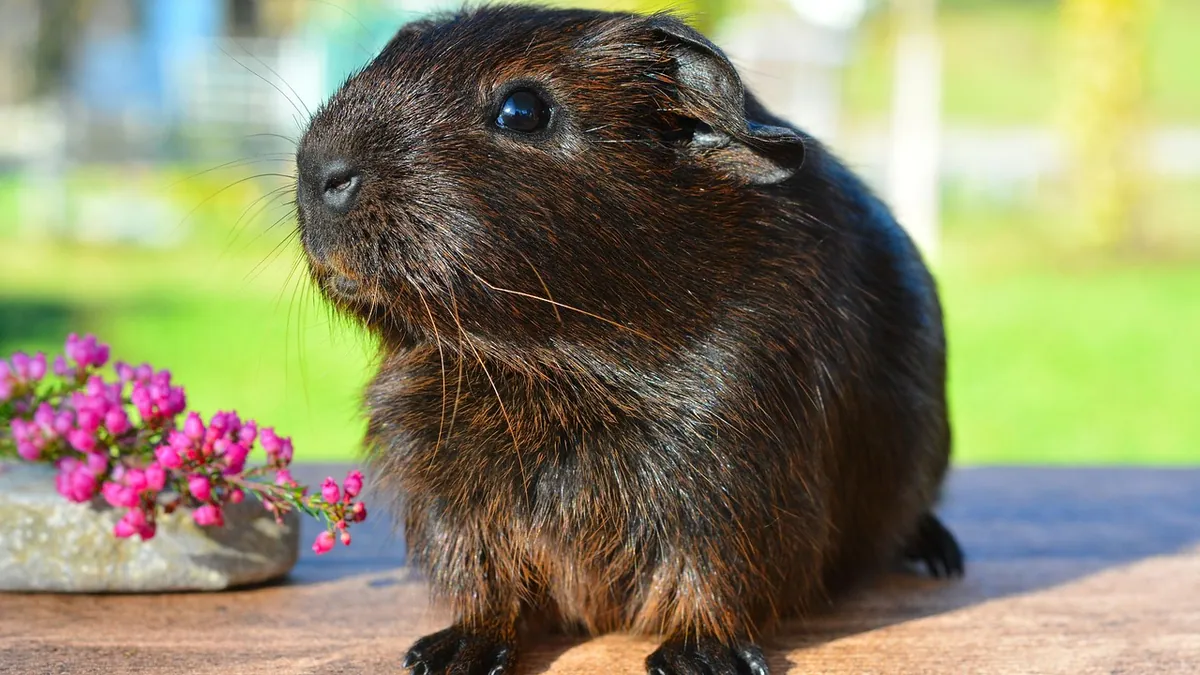
A guinea pig that is breathing fast may simply be stressed, warm, or recovering from a romp around the cage. But a guinea pig that keeps breathing fast while resting, or that is working hard for every breath, needs a veterinarian. This article explains why is my guinea pig breathing fast, what a normal rate looks like, and which changes mean you should act now.
This article is educational and is not a substitute for veterinary diagnosis or treatment.
Quick Answer
- A relaxed adult guinea pig usually breathes around 100 to 120 times per minute, and healthy guinea pigs in research settings averaged about 104 breaths per minute at rest [1].
- Fast breathing during handling, after exercise, or in a hot room often settles within a few minutes once the guinea pig is calm and cool.
- Breathing that stays fast at rest, or that comes with open-mouth breathing, wheezing, a bobbing head, or a blue tinge to the gums, is an emergency.
- Never give a guinea pig human or leftover pet medication for breathing trouble. Only a veterinarian can choose a safe drug and calculate the dose from your pet's weight and health.
- Keep the room cool, quiet, and dim while you arrange care, and do not chase or handle the guinea pig more than you must.
What Fast Breathing Looks Like in a Guinea Pig
Guinea pigs breathe with their chest and belly, and the movement can be subtle. Watch the ribcage and the flanks while the guinea pig sits quietly. You can also rest a hand lightly near the ribs and count each rise and fall for 15 seconds, then multiply by four.
Is it normal for guinea pigs to breathe fast?
Yes, guinea pigs normally breathe much faster than dogs or cats. In a study that tracked breathing with motion sensors, alert guinea pigs averaged about 104 breaths per minute, with a range that varied between individuals [1]. So a rate near 100 per minute is not alarming on its own.
What matters is context. A guinea pig that just ran across the cage, was picked up, or heard a loud noise will breathe faster for a short time. Guinea pigs are prey animals, and their breathing rate responds to physical stressors like heat and to social stressors like noise or crowding [1]. Once the trigger passes, the rate should drift back toward the resting baseline.
What abnormal breathing looks like
Signs that the breathing is not just fast but labored include:
- Nostrils flaring with each breath
- The belly pulling in sharply or the whole body rocking
- A head that bobs or extends forward with each breath
- Open-mouth breathing (guinea pigs should breathe through the nose)
- Wheezing, clicking, or gurgling sounds
- Grunting or a whistling noise
- Sitting hunched, puffed up, or in a corner
- Refusing food, which is serious in guinea pigs because they must keep eating
- Gums, lips, or tongue that look pale, gray, or blue
If you see any of these, treat it as urgent. Guinea pigs hide illness well, so visible breathing effort often means the problem is already advanced.
Main Causes of Fast Breathing in Guinea Pigs
| Cause | Typical clues | How urgent |
|---|---|---|
| Stress, handling, or noise | Fast breathing only during or right after a disturbance, settles in minutes, guinea pig otherwise bright | Monitor at home |
| Heat stress | Warm room, panting, fast breathing, drooling, lying stretched out, warm ears | Urgent, cool gently and call a vet |
| Respiratory infection (pneumonia) | Fast or labored breathing at rest, nasal or eye discharge, sneezing, poor appetite, weight loss | Emergency |
| Heart disease | Fast breathing that worsens over days or weeks, low energy, swelling, poor weight despite eating | Same-day to urgent |
| Pain or illness of any kind | Hunched posture, fast shallow breathing, not eating, teeth grinding | Same-day |
| Anesthesia or sedation effects | Fast or slow breathing after a procedure, groggy and unsteady | Follow your vet's discharge instructions |
| Obesity or a large belly | Fast breathing with mild activity, guinea pig overweight | Routine visit |
Stress and environment
A noisy household, a new cage mate, or a predator in the room (a cat or dog staring at the cage) can raise the breathing rate. In the sensor study, guinea pigs showed measurable breathing changes in response to repeated sound pulses, which shows how sensitive their respiratory rate is to stress [1]. If the rate drops once the room is quiet and the guinea pig is left alone, stress was likely the cause.
Heat stress
Guinea pigs handle cold better than heat. A room above roughly 80°F, a cage in direct sun, or a heat lamp can push them into heat stress. Fast breathing, panting, drooling, and lying flat are warning signs. Move the guinea pig to a cooler spot right away and call your veterinarian.
Pneumonia and other respiratory infections
Bacterial pneumonia is one of the most common reasons a guinea pig breathes fast at rest. It often follows stress, poor ventilation, or a draft. Look for discharge from the nose or eyes, sneezing, a rough coat, and a guinea pig that stops eating. Guinea pigs with respiratory disease can decline quickly, so this needs same-day veterinary care.
Heart disease
Guinea pigs can develop heart disease, and fast breathing is often the first thing owners notice. It tends to build slowly. The guinea pig may breathe fast even at rest, tire easily, and lose weight despite eating. Your veterinarian can listen for a murmur or fluid sounds and may recommend imaging.
Pain, bloating, and other illness
Any painful condition can raise the breathing rate. Dental disease, bladder stones, and gastrointestinal bloat are common culprits. A guinea pig in pain often hunches, grinds its teeth, and stops eating. Because guinea pigs cannot vomit and their gut must keep moving, not eating is itself an emergency.
Anesthesia and sedation
If your guinea pig recently had a procedure, its breathing rate may be altered for a while. Anesthetic drugs can affect the cardiovascular, respiratory, and thermoregulatory systems [2]. Sedatives used for handling also change heart rate, blood pressure, and breathing [3]. Follow your veterinarian's instructions about what is expected after sedation and what should prompt a call.
Red Flags That Mean Emergency Care Now
Call an emergency veterinary hospital or your regular vet immediately if you see:
- Open-mouth breathing
- Breathing that is fast at rest and not settling
- Blue, gray, or white gums or tongue
- A guinea pig that is limp, unresponsive, or collapsing
- Severe drooling with fast breathing in a warm room (possible heat stroke)
- Loud breathing sounds with a guinea pig that will not eat
- Sudden worsening over hours
Do not wait until morning for these signs. Guinea pigs can go from "a little off" to critical in a short time.
Safe Things You Can Do at Home While You Wait
- Keep the room quiet, dim, and cool. Aim for a comfortable room temperature and move the cage out of direct sun.
- Do not handle the guinea pig more than needed. Restraint and stress can raise the breathing rate further [1].
- Offer water in a shallow dish and favorite foods, but do not force-feed unless your vet tells you to.
- Do not give any medication, including antibiotics, cough syrups, or pain relievers meant for people or other pets. Doses for guinea pigs are calculated by the veterinarian based on weight and health, and many common drugs are unsafe for them.
- Note the breathing rate, the time you counted it, and any other signs. This helps your vet.
- Keep the guinea pig with a calm companion if that is normal for them, since guinea pigs are social and isolation adds stress.
If you are comparing signs across species, our guides on cat breathing fast while sleeping and dog breathing fast while sleeping explain how sleep breathing differs in other pets. The same principle applies here. Resting breathing is the number that matters.
What Your Veterinarian Will Check
Your veterinarian will start with a full physical exam, including listening to the heart and lungs with a stethoscope. They will count the respiratory rate and effort, check the gums for color and refill time, feel the abdomen, and weigh your guinea pig. Weight change is one of the most useful clues in small pets.
Depending on findings, they may recommend:
- Oxygen support if breathing is labored
- Chest X-rays to look for pneumonia, fluid, or an enlarged heart
- Blood work to check organ function and infection markers
- A heart ultrasound if heart disease is suspected
- A fecal or swab test if infection is possible
- Pain relief and supportive care such as fluids or assisted feeding
Guinea pigs are challenging to anesthetize, and their cardiovascular and respiratory systems respond strongly to drugs [2]. If your guinea pig needs a procedure, your vet will choose a protocol that protects breathing and heart function. Research in guinea pigs has compared different sedative and anesthetic combinations specifically to find options that keep cardiorespiratory function stable [2][3]. This is why your vet may ask about your guinea pig's recent activity, appetite, and any prior reactions to sedation.
If your guinea pig is coughing or has nasal symptoms, your vet may also consider airway irritants and allergies. In guinea pig research, blocking a specific sodium channel reduced cough without changing the respiratory rate [4]. That tells us cough and breathing rate can be separate problems, so a guinea pig can have a normal rate and still have airway disease.
Preventing and Monitoring Breathing Problems
- Weigh your guinea pig weekly on a small kitchen scale. A drop of even a few ounces is a reason to call your vet.
- Keep the room between about 65°F and 75°F, out of direct sun and away from drafts.
- Use good ventilation and clean bedding to reduce ammonia from urine, which irritates airways.
- Reduce loud noise and crowding. Both are known stressors that raise breathing rate in guinea pigs [1].
- Feed unlimited grass hay, fresh water, and a source of vitamin C. Guinea pigs cannot make their own vitamin C.
- Trim nails and check teeth regularly. Dental pain often shows up as eating changes first.
- Learn your guinea pig's normal resting rate so you can spot a change early.
If your guinea pig has other symptoms, such as sudden bad breath, our article on why your dog has bad breath suddenly explains how dental disease can affect appetite and breathing effort in pets. The takeaway for guinea pigs is the same. Mouth pain can change how they eat and breathe.
Limitations and When to Contact a Veterinarian
This article cannot tell you what is wrong with your specific guinea pig. Only a veterinarian who examines your pet can do that.
Contact your veterinarian the same day if your guinea pig:
- Breathes fast at rest for more than a few minutes
- Has a reduced appetite or stops eating
- Shows nasal or eye discharge
- Loses weight
- Seems tired or less interactive than usual
Go to an emergency clinic now if your guinea pig:
- Breathes with an open mouth
- Has blue, gray, or pale gums
- Collapses or cannot stand
- Breathes with obvious effort, with the belly pulling in hard
- Is drooling heavily in a hot room
Schedule a routine visit if your guinea pig is stable but you want a baseline check, especially if it is older, overweight, or has had breathing issues before. Early exams are cheaper and safer than waiting for a crisis.
Frequently Asked Questions
Do guinea pigs breathe fast all the time?
Yes, guinea pigs have a naturally fast resting breathing rate compared with dogs and cats. A relaxed guinea pig commonly breathes around 100 to 120 times per minute. What matters is whether the rate is normal for your guinea pig and whether the breathing looks easy or labored.
My guinea pig is breathing fast but acting normal. Should I worry?
If the fast breathing passes within a few minutes and your guinea pig eats, moves, and behaves normally, it was likely stress or activity. If the fast breathing continues while your guinea pig is resting, or if it happens repeatedly, call your veterinarian. Subtle changes in appetite and weight often come first.
Can heat cause fast breathing in guinea pigs?
Yes, heat is a common cause. Guinea pigs do not tolerate warm rooms well, and fast breathing, panting, and drooling can signal heat stress. Move your guinea pig to a cool, shaded spot and contact your veterinarian if the breathing does not settle quickly.
Is fast breathing a sign of pneumonia in guinea pigs?
It can be. Pneumonia often causes fast or labored breathing at rest along with nasal discharge, sneezing, and poor appetite. Because guinea pigs decline quickly with respiratory infections, see a veterinarian the same day if you suspect pneumonia.
What should I do if my guinea pig is breathing fast and not eating?
Treat this as an emergency. A guinea pig that stops eating can develop serious gut problems within hours. Keep the guinea pig warm, quiet, and hydrated, and call your veterinarian or an emergency clinic right away. Do not wait to see if it improves on its own.
Related Articles
- Why Is My Guinea Pig Wheezing? Breathing Warning Signs
- Guinea Pig Not Moving but Breathing: What to Do
- Heavy Breathing in Budgies, Rabbits, and Guinea Pigs
References
- Breathing Rate as a Marker for Noise-Induced Stress in Guinea Pigs. Brain sciences, 2025.
- A Comparison of Three Anesthetic Drug Combinations for Use in Inducing Surgical Anesthesia in Female Guinea Pigs (Cavia porcellus). Journal of the American Association for Laboratory Animal Science : JAALAS, 2024.
- Differential effects of four intramuscular sedatives on cardiorespiratory stability in juvenile guinea pigs (Cavia porcellus). PloS one, 2021.
- Effectiveness of selective NaV1.7 blocker PF-05089771 in reducing cough associated with allergic rhinitis in guinea pigs. Respiratory physiology & neurobiology, 2025.