Can Guinea Pigs Overheat? Heat Stroke Signs and Care
By Dr. Zubair Khalid, DVM, MS, PhD ·
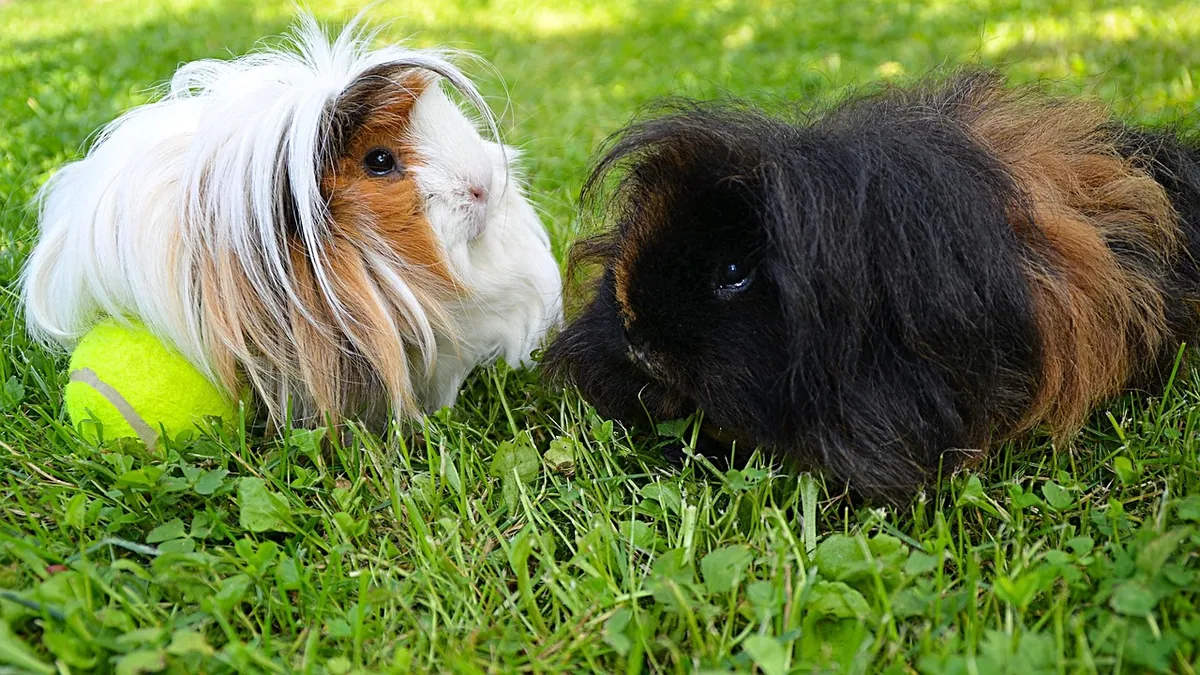
Yes, guinea pigs can overheat, and they can do it fast. These small rodents come from cool mountain climates and have a limited ability to shed heat, so a warm room or a sunbeam can push their body temperature into a danger zone within minutes. Knowing the early signs of heat stress and how to cool your guinea pig safely can mean the difference between a quick recovery and a life-threatening emergency.
This article is educational and is not a substitute for veterinary diagnosis or treatment.
Quick Answer
- Guinea pigs do best between roughly 65°F and 75°F, and heat stress becomes a real risk as the temperature climbs above the mid-80s, especially with high humidity.
- Early signs include fast breathing, lying stretched out, drooling, and feeling warm to the touch.
- Move your guinea pig to a cool, shaded, well-ventilated spot right away and offer cool water.
- Never use ice-cold water, ice packs directly on the skin, or a cold bath, because rapid cooling can cause shock.
- Call a veterinarian immediately if your guinea pig is limp, gasping, having seizures, or unresponsive.
What Overheating Looks Like and What Is Normal
A healthy guinea pig breathes quietly and comfortably at rest. You should not see obvious chest movement, and you should not hear breathing sounds from across the room. A relaxed guinea pig may lie stretched out on its side, which is normal, especially in a comfortable, cool environment.
When heat stress starts, that picture changes. Your guinea pig may breathe faster and more visibly, and you may notice its sides moving in and out with each breath. It may lie flat and spread out, press its belly against a cool surface, or seem restless and unable to settle. Some guinea pigs drool or have wet fur around the mouth and chin. Others feel hot to the touch, particularly around the ears, feet, and belly.
As overheating worsens, the signs get more serious. Breathing becomes labored, the gums may look pale or bluish, and your guinea pig may become weak, wobbly, or unwilling to move. In severe cases, it may collapse, have seizures, or become unresponsive. Any of these later signs mean heat stroke, which is a medical emergency.
It helps to know your guinea pig's normal breathing rate and behavior so you can spot changes early. If you are unsure whether your pet is simply relaxed or actually struggling, err on the side of caution and cool it down while you call your veterinarian.
Why Guinea Pigs Overheat So Easily
Guinea pigs have a few features that make them poorly suited to heat. They do not sweat effectively, and they cannot pant the way dogs do to dump heat. Their thick coats trap warmth, and their small bodies heat up quickly in a warm room. Because they are prey animals, they also tend to hide signs of distress until they are quite sick, which means owners often notice a problem later than they would like.
The table below covers the most common causes of overheating and how urgent each one tends to be.
| Cause | Typical clues | How urgent |
|---|---|---|
| Hot room or no air conditioning | Warm cage, stuffy air, multiple pets affected | Urgent, cool the environment now |
| Direct sunlight through a window | Guinea pig parked in a sunbeam, warm to the touch | Urgent, move out of the sun |
| High humidity with warm temperatures | Fast breathing even when the room feels only mildly warm | Urgent, humidity blocks cooling |
| Cage too close to a heat source | Radiator, space heater, or heat lamp nearby | Urgent, relocate the cage |
| Car travel in warm weather | Heavy breathing during or after a ride | Emergency if signs are severe |
| Obesity or thick coat | Overheats faster than cage mates | Same-day vet call if signs persist |
| Underlying illness | Heat stress with little heat exposure | Same-day vet visit |
Heat stress is not only about the number on the thermometer. Humidity matters a great deal, because moist air makes it harder for any animal to cool down. Pigs, which also have limited sweating ability, rely heavily on behavioral strategies like seeking shade and changing posture to manage heat [1]. Your guinea pig does the same thing, so if it is huddled in a corner or lying flat and not moving, that is a signal worth acting on.
Red Flags That Make It an Emergency
Some signs mean you should stop reading and call a veterinarian right now.
- Labored or open-mouth breathing
- Gasping, or gums that look pale or blue
- Collapse, weakness, or inability to stand
- Seizures, twitching, or tremors
- Unresponsiveness or confusion
- Body that feels very hot and dry
- No improvement after 10 to 15 minutes of cooling
Open-mouth breathing in a guinea pig is never normal. It is a sign of severe respiratory distress and often appears with advanced heat stroke. If you see it, treat it as an emergency.
Safe Things You Can Do at Home While Waiting
Your goal is gradual cooling, not a sudden plunge in body temperature. Rapid cooling can cause shock, so slow and steady wins here.
Step 1: Move to a Cool Space
Move your guinea pig to the coolest room in your home, ideally one with air conditioning or a fan moving air (but not blowing directly on the pet). Keep the area shaded and quiet.
Step 2: Offer Cool Water
Place a shallow dish of cool, not ice-cold, water within reach. You can also offer a water bottle. Do not force your guinea pig to drink, because that can cause choking. If it is alert and willing, let it drink on its own.
Step 3: Use Cool, Damp Cloths
Dampen a cloth with cool water and wipe down the ears, feet, and belly. These areas have more blood flow near the surface, so they help release heat. You can also place a cool, damp towel for your guinea pig to lie on. Avoid soaking the whole body.
Step 4: Avoid Ice and Cold Baths
Do not use ice packs directly on the skin, do not submerge your guinea pig in cold water, and do not use ice-cold cloths. These can drop body temperature too fast and cause shock. Cool, not cold, is the rule.
Step 5: Monitor Breathing and Behavior
Check breathing every few minutes. You want to see it slow down and become less visible. If your guinea pig starts to shiver, stop cooling and dry it off, because shivering means it is getting too cold.
Step 6: Call Your Veterinarian
Even if your guinea pig seems to improve, call your veterinarian for advice. Heat stress can cause hidden problems, including dehydration and organ stress, that are not obvious from the outside. If your pet does not improve within 10 to 15 minutes, or if any red flag appears, go to an emergency clinic.
If you have a dog as well, the same principles apply, and you can read more about recognizing and responding to heat emergencies in Stop Heat Stroke In Dogs and How to Tell If Your Dog Has Heat Stroke and What to Do Immediately.
What Your Veterinarian Will Check and Test
When you bring in a guinea pig with suspected heat stroke, your veterinarian will start with a full physical exam. They will check your pet's temperature, breathing rate, heart rate, gum color, and hydration status. They will also look for signs of underlying illness that may have made your guinea pig more vulnerable to heat.
Depending on how sick your guinea pig is, your veterinarian may recommend blood tests to check organ function and electrolyte levels, and they may use imaging if they suspect another problem. Guinea pigs can develop a range of medical conditions that can complicate heat stress, including dental disease, which is common because their teeth grow continuously and can cause pain, drooling, and difficulty eating [2]. Infections and other conditions can also affect guinea pigs, and enlarged lymph nodes in the neck can signal a bacterial infection that may spread to the ears, sinuses, or eyes [3]. Cancer is less common in young guinea pigs but becomes more likely after age 4 to 5, and some cancers can cause enlarged lymph nodes, liver, or spleen [3].
Treatment for heat stroke usually involves careful rehydration, oxygen support if needed, and gradual cooling under veterinary supervision. Your veterinarian will calculate any fluid or medication doses based on your guinea pig's weight and health, so never give human medications or guess at a dose on your own.
Preventing Overheating: Temperature, Humidity, and Monitoring
Prevention is far easier than treatment. Keep your guinea pig's environment within a safe temperature range, and pay attention to humidity as well as heat.
Set Up a Cool, Stable Environment
Aim for a room temperature between about 65°F and 75°F. Avoid placing the cage near windows with direct sun, radiators, space heaters, or heat lamps. If you do not have air conditioning, use a fan to move air around the room, but do not point it directly at your guinea pig. A frozen water bottle wrapped in a towel can give your pet a cool spot to lean against, but check it often so it does not get too cold.
Watch the Weather and Your Pet
On hot days, check on your guinea pig more often. Look for fast breathing, stretching out, or drooling. If you see any of these, act early. Heat stress tends to build, so catching it at the first sign makes a big difference.
Consider Travel Carefully
Car trips in warm weather can be risky. Never leave a guinea pig in a parked car, even for a few minutes. If you must travel, keep the car cool and bring your pet inside with you when you stop. Research on heat stress in other animals shows that cooling methods applied at the wrong time or in the wrong way can sometimes make things worse, so keep cooling simple and steady [4].
Manage Weight and Coat
Guinea pigs that are overweight or have very thick coats overheat faster. Talk with your veterinarian about a healthy diet and appropriate grooming. If your guinea pig has long hair, keep it trimmed in warm months, but never shave down to the skin.
Know Your Guinea Pig's Baseline
Spend a few minutes each day just watching your guinea pig breathe and move. Knowing what is normal for your pet makes it much easier to spot the first signs of heat stress. If your guinea pig lives with others, watch the whole group, because heat affects every animal in the cage.
Limitations and When to Contact a Veterinarian
This article gives general guidance, but every guinea pig is an individual, and only a veterinarian who examines your pet can diagnose and treat heat stroke. Use the following timing guide.
- Emergency now: labored or open-mouth breathing, collapse, seizures, unresponsiveness, or gums that look pale or blue. Go to an emergency clinic immediately.
- Same day: fast breathing that does not improve after 10 to 15 minutes of cooling, drooling, weakness, or a body that feels very hot. Call your veterinarian right away.
- Routine visit: you have questions about your guinea pig's environment, weight, or heat risk, or you want to plan ahead for warm weather.
If you are ever unsure, call your veterinarian. It is always better to check than to wait.
Frequently Asked Questions
Can guinea pigs overheat indoors?
Yes, guinea pigs can overheat indoors, especially in rooms without air conditioning or with poor airflow. A stuffy room, direct sun through a window, or a cage near a heat source can all raise the risk. Keep the room cool and check on your pet often during warm weather.
What temperature is too hot for a guinea pig?
Temperatures above the mid-80s become dangerous, particularly when humidity is high. Guinea pigs do best between about 65°F and 75°F. If your home gets warmer than that, take steps to cool the room and watch your guinea pig closely for early signs of heat stress.
How fast can a guinea pig overheat?
A guinea pig can overheat in a matter of minutes in a hot, poorly ventilated space. Small bodies heat up quickly, and these animals cannot sweat or pant effectively to cool down. This is why early action matters so much.
Should I put my guinea pig in water to cool it down?
No, do not submerge your guinea pig in water. Use cool, damp cloths on the ears, feet, and belly instead. Cold water or ice can drop the body temperature too fast and cause shock.
Can heat stroke kill a guinea pig?
Yes, heat stroke can be fatal if it is not treated quickly. Severe overheating can damage organs and lead to collapse and death. If you see red-flag signs, treat it as an emergency and get veterinary help right away.
Related Articles
- Do Guinea Pigs Get Cold or Overheat Easily?
- Do Guinea Pigs Hibernate? Torpor and Cold Safety
- Why Is My Guinea Pig Breathing Fast? When to Worry
References
- Genetic background of behavior traits in lactating sows under heat-stress conditions and their relationship with heat tolerance and maternal performance traits. Frontiers in genetics, 2025.
- Common Health Problems of Guinea Pigs - All Other Pets. Merck Veterinary Manual.
- General Medical Conditions of Guinea Pigs - All Other Pets. Merck Veterinary Manual.
- Load-cooling strategy and associated heat stress in piglets transported by road in semiarid climates. International journal of biometeorology, 2025.