Do Leopard Geckos Like to Be Held? Handling Tips
By Dr. Zubair Khalid, DVM, MS, PhD ·
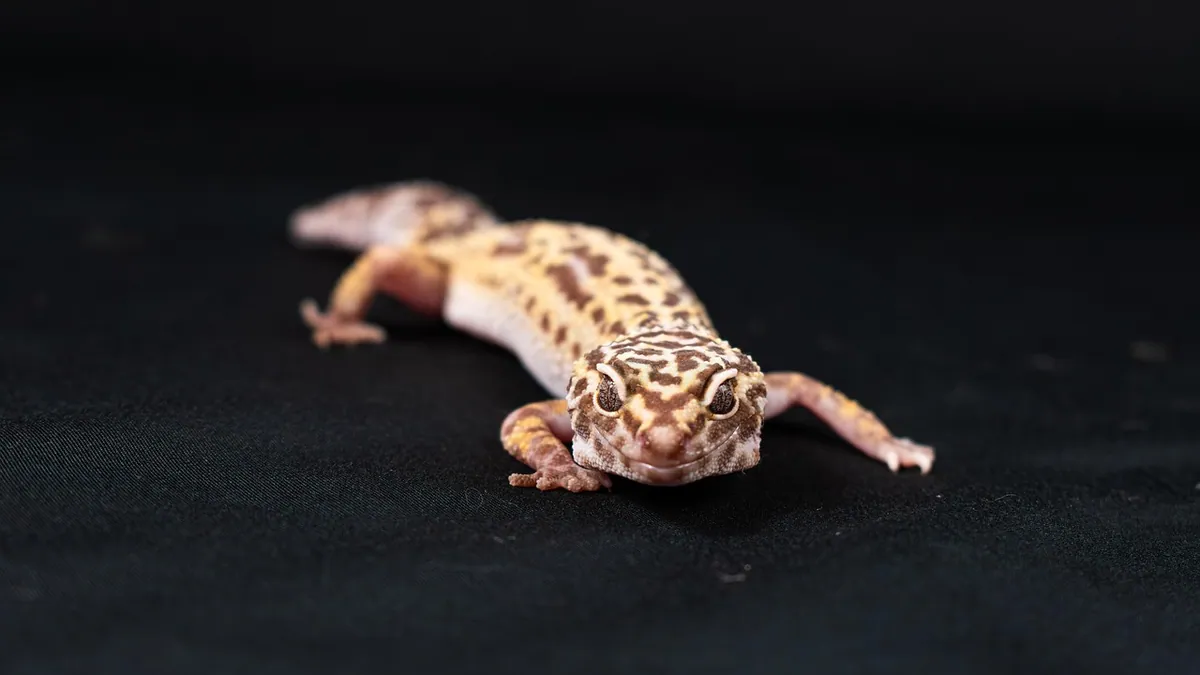
Do leopard geckos like to be held? Most leopard geckos tolerate gentle handling, but they do not seek it out the way a dog or cat might. They are small prey animals that naturally view large moving objects as threats. With patience and the right technique, many geckos learn to stay calm in your hands, and a few seem to relax into it. This article is educational and is not a substitute for veterinary diagnosis or treatment.
Quick Answer
- Most leopard geckos tolerate handling but do not enjoy it the way social mammals do. Calm tolerance is the realistic goal.
- A gecko that walks onto your open hand, stays loose, and explores is showing comfort. A gecko that freezes, flattens, or tries to bolt is showing stress.
- Keep sessions short, 5 to 10 minutes at first, and handle in the evening when leopard geckos are naturally more active.
- Never grab, chase, or scoop a gecko in published veterinary research. That mimics a predator and triggers a fear response.
- Stop handling if you see a dropped tail, repeated hissing, or a gecko that refuses to eat afterward.
Do Leopard Geckos Want to Be Held? Understanding the Behavior
Leopard geckos are crepuscular, meaning they are most active around dawn and dusk. In the wild they spend most of the day hidden under rocks or in burrows, emerging to hunt insects. They are solitary and territorial, and they do not form social bonds with humans the way mammals do.
That does not mean handling is always stressful. Reptiles can become habituated to gentle, predictable contact. A study of zoo snakes found that inactive behavior increased after handling sessions, while abnormal behavior did not change significantly [1]. In plain terms, the animals became quieter and less active after being handled, which is a common response in reptiles. It does not prove they enjoyed it, but it does suggest that calm handling does not automatically cause distress.
For leopard geckos, the honest answer is this. They do not want to be held in the sense of seeking affection. They can learn that handling is safe and predictable, and many will sit calmly on a warm hand. That is the best outcome you can aim for.
Signs Your Gecko Is Comfortable
- Walks onto your hand on its own instead of being scooped
- Stays loose and low, with normal breathing
- Explores your fingers or arm slowly
- Holds its tail in a normal position
- Returns to normal eating and activity within a day
Signs Your Gecko Is Stressed
- Freezes completely or flattens its body
- Tries to run, jump, or hide
- Hisses, opens its mouth, or lunges
- Waves or drops its tail
- Breathes rapidly or holds its breath
- Refuses food for more than a day or two after handling
If your gecko drops its tail, that is a serious stress response and needs its own care plan. See Leopard Gecko Tail Drop Care for what to do next.
Medical Causes to Rule Out Before You Blame Handling
Sometimes a gecko that suddenly hates being held is not reacting to you at all. It may be sick or uncomfortable. Reptiles hide illness well, and handling can be the moment when underlying problems become obvious.
Common Health Issues That Change Handling Tolerance
- Retained shed. Stuck skin around the toes, tail tip, or eyes can make a gecko irritable and painful to touch.
- Mouth rot or stomatitis. Swelling, redness, or discharge around the mouth makes handling painful.
- Metabolic bone disease. Weak bones and tremors make a gecko feel unstable and defensive.
- Impaction. A gecko that has not passed stool may be uncomfortable when picked up.
- Respiratory infection. Wheezing, open-mouth breathing, or mucus in the mouth or nose needs prompt veterinary care.
- Parasites. Weight loss and poor appetite often show up as a gecko that suddenly avoids contact.
Any of these problems can make a normally calm gecko flinch, bite, or try to escape. If your gecko's behavior changed suddenly, get a veterinary exam before you assume it is a handling problem. A basic care review can also help you spot environment issues. The Leopard Gecko Care Guide for Beginners covers setup basics that affect behavior.
When Handling Becomes a Problem
Handling is a problem when it causes lasting changes in your gecko's behavior or health. Watch for these patterns.
- The gecko stops eating for more than a few days after a handling session.
- It hides constantly and comes out only at night when no one is around.
- It drops its tail or shows tail waving every time you approach.
- It loses weight or becomes lethargic.
- It bites or hisses even during short, gentle sessions.
Any of these signs mean you should pause handling and look at the whole picture. Environment, temperature, and diet all affect how a reptile responds to contact. A gecko that is too cold cannot digest food or behave normally. Reptiles rely on behavioral thermoregulation to maintain body temperature, and that temperature affects nearly every physiological function [2]. If your warm side is too cool, your gecko may be uncomfortable for reasons that have nothing to do with you.
Welfare assessments for reptiles in private homes look at environment, nutrition, physical health, and behavior together [3]. That framework is useful here. If handling is going badly, check all four areas before you decide your gecko is just unfriendly.
How to Build Positive Handling Experiences Step by Step
Start With the Environment
A gecko that feels secure in its tank is more likely to tolerate handling. Make sure you have a proper temperature gradient, at least two hides, and a tank that is not too open. Add clutter so your gecko can move without feeling exposed. Review the Leopard Gecko Care Requirements: A Practical Guide for New Owners if you are not sure your setup meets the basics.
Use Short, Predictable Sessions
- Wash your hands. This protects your gecko from anything on your skin and protects you from Salmonella, which reptiles can carry.
- Approach from the side or below. Never come down in published veterinary research. A shadow over the tank looks like a predator.
- Let the gecko come to you. Place your open hand flat in the tank near the gecko. Wait. If it walks on, great. If not, try again another day.
- Support the whole body. Keep one hand under the belly and let the gecko rest on your palm. Do not squeeze or pinch the tail.
- Keep it short. Five minutes is plenty at first. Work up to 10 or 15 minutes only if your gecko stays calm.
- Handle in the evening. This matches the gecko's natural active period.
- Put the gecko back gently. Lower your hand into the tank and let it walk off. Do not drop it in in published veterinary research.
Pair Handling With Something Good
Some keepers offer a single insect after a calm handling session. This can build a positive association over time. Do not overfeed, and do not use food to bribe a stressed gecko. If your gecko is hissing or trying to escape, end the session and try again later.
Respect the Off Days
Reptiles have good days and bad days just like any animal. If your gecko is shedding, has just eaten, or is hiding more than usual, skip handling. Shedding geckos are often irritable because their skin feels tight. Give them space and let the process finish.
What Not to Do
- Do not punish your gecko. Reptiles do not learn from punishment the way mammals do. Hitting, tapping, or spraying a gecko will only make it more defensive.
- Do not grab or chase. Chasing a gecko around the tank teaches it that hands are dangerous.
- Do not pick up by the tail. Leopard geckos can drop their tails as a defense mechanism, and the tail does not grow back the same.
- Do not handle during shedding or right after a meal. Give your gecko at least 24 to 48 hours after eating before you handle it.
- Do not let young children handle unsupervised. A dropped gecko can be seriously injured.
- Do not assume a calm gecko is a happy gecko. Tolerance is not the same as enjoyment.
Myths to Drop
- Myth: Leopard geckos love being pet. They tolerate gentle contact. They do not seek affection.
- Myth: A gecko that closes its eyes is enjoying it. Closed eyes during handling often mean stress or submission.
- Myth: Handling every day makes them tamer. Daily handling can backfire. Two or three short sessions a week is plenty for most geckos.
- Myth: A gecko that bites is mean. Biting is fear or pain, not personality.
When to Involve a Veterinarian or Behavior Professional
Call a veterinarian if your gecko shows any of these signs.
- Same day: sudden refusal to eat, lethargy, or a change in droppings.
- Emergency now: open-mouth breathing, prolapse, severe bleeding, or a dropped tail with heavy bleeding.
- Routine visit: weight loss, retained shed that will not come off, or a sudden change in handling tolerance.
A veterinarian who treats reptiles can rule out medical causes and help you adjust your setup. If your gecko is healthy but still panics during handling, a certified behavior professional with reptile experience can help you build a gradual plan. Individual cases need a veterinarian, so do not rely on internet advice alone.
Limitations and When to Contact a Veterinarian
This article covers general handling principles. It cannot tell you what is wrong with your specific gecko. Reptile welfare assessment is still a developing field, and private-keeping frameworks are meant to guide caretakers, not replace veterinary exams [3]. If your gecko's behavior changes suddenly, or if handling causes injury or illness, contact a veterinarian who works with reptiles.
Handling also carries a disease risk in the other direction. Human hands can spread fungal pathogens between reptiles, and this is a growing concern for wild and captive animals alike [4]. Wash your hands before and after handling, and do not handle a new gecko and an established gecko on the same day without changing clothes and washing up.
Frequently Asked Questions
Do leopard geckos mind being held?
Most leopard geckos do not mind brief, gentle handling once they are used to it, but they do not seek it out. A calm gecko that stays loose and explores your hand is tolerating contact well. A gecko that freezes, flattens, or tries to run is telling you it minds.
How can I tell if my leopard gecko wants to be held?
A gecko that walks onto your open hand on its own is showing willingness. It may climb your fingers slowly or sit calmly on your palm. If it hides when you open the tank or bolts when you reach in, it does not want to be held right now.
How often should I hold my leopard gecko?
Two or three short sessions a week is enough for most geckos. Start with five minutes and only extend the time if your gecko stays relaxed. Daily handling is not necessary and can increase stress in some animals.
Can handling make my leopard gecko sick?
Handling itself does not cause illness, but it can spread pathogens if you do not wash your hands. Human hands can move fungal diseases between reptiles, which is a real concern for both captive and wild animals [4]. Always wash before and after contact.
What should I do if my leopard gecko hates being held?
Stop handling for a week or two and check your setup, temperature, and diet first. If your gecko is healthy and still panics, work in very short sessions and let it come to you. If the behavior started suddenly, see a reptile veterinarian to rule out pain or illness.
Related Articles
- Leopard Gecko Tail Drop Care
- Leopard Gecko Care Guide for Beginners
- Leopard Gecko Care Requirements: A Practical Guide for New Owners
- Leopard Gecko Care: Pyramiding & Shell Health Management
- Leopard Gecko Morphs Explained for Owners
- Leopard Gecko Care: Floppy tail syndrome and proper husbandry guide
- Do Leopard Geckos Bite? Why It Happens and What to Do
- Do Leopard Geckos Recognize Their Owners? What Science Says
- Do Leopard Geckos Make Good Pets? Pros and Cons
References
- Behavioural Welfare Implications of Human Handling Practices in Zoo Snakes. Veterinary medicine and science, 2026.
- Thermal biology characteristics of the Caspian whipsnake (Dolichophis caspius, Gmelin, 1789) under natural and laboratory conditions. Journal of comparative physiology. B, Biochemical, systemic, and environmental physiology, 2026.
- Laying the groundwork for reptile welfare assessment in zoos and private keeping: A literature-based proposal. Animal welfare (South Mimms, England), 2025.
- Mitigating the human link in emerging reptile fungal pathogen transmission. Conservation biology : the journal of the Society for Conservation Biology, 2026.