Do Leopard Geckos Make Good Pets? Pros and Cons
By Dr. Zubair Khalid, DVM, MS, PhD ·
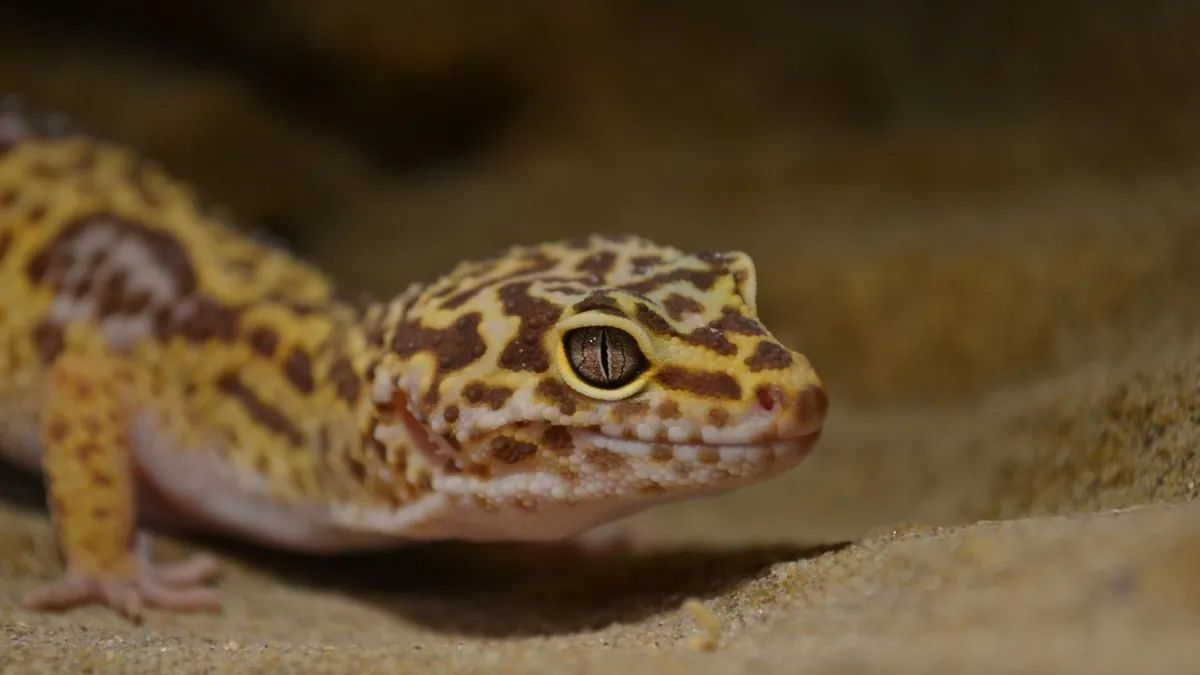
Do leopard geckos make good pets? For most first-time reptile owners, yes. They are calm, quiet, and among the most popular reptiles kept in American homes [1]. They still need correct heat, food, and handling, so the real question is whether you can meet those needs for 10 to 20 years.
This article is educational and is not a substitute for veterinary diagnosis or treatment.
Quick Answer
- Leopard geckos are one of the top three most popular reptile pets worldwide, behind bearded dragons and ball pythons [1].
- They eat live insects, which can trigger allergies and asthma in sensitive household members [2].
- They need a temperature gradient, not one uniform tank temperature, so they can regulate their own body heat.
- Most healthy adults eat every few days and need only a small enclosure, which keeps daily care short.
- They are poor classroom pets for young children because handling must be gentle and supervised.
Are Leopard Geckos Good Pets for Beginners?
Yes, with realistic expectations. Leopard geckos are small, hardy, and generally tolerate handling better than many reptiles. That is a big reason they sit near the top of global reptile popularity [1].
They are also crepuscular, meaning they are most active around dawn and dusk. You will see them moving in the evening, not all day. That suits people who work during the day.
One thing to plan for is the food. Leopard geckos eat live insects. Homes that keep insect-eating reptiles can develop airborne allergies to those insects, and one report described an 8-year-old boy who developed severe asthma within four months of a bearded dragon arriving in the living room, with confirmed sensitization to grasshoppers [2]. If anyone in your home has asthma or allergies, talk to a doctor before bringing home an insect-eating reptile.
What a Leopard Gecko Needs Every Day
Step 1: Set up the enclosure before the gecko arrives
Use a tank with a secure screen lid. Provide at least three zones: a warm hide, a cool hide, and a humid hide. The humid hide helps with shedding. Add a shallow water dish and a calcium dish.
Step 2: Get the heat right
Reptiles depend on ambient temperature to control their body temperature, and they move between warm and cool areas to do it [3]. That is why a heat gradient matters more than a single thermometer reading. Put a heat source at one end and leave the other end cooler. Use a thermostat to prevent overheating.
Step 3: Feed live insects
Offer a variety of appropriate insects, dusted with calcium and a reptile multivitamin. Gut-load the insects before feeding. Remove uneaten insects so they do not bite your gecko.
Step 4: Handle gently and briefly
Support the whole body. Keep sessions short at first. Wash your hands before and after handling, and never handle a gecko that is mid-shed or refusing food.
Step 5: Clean on a schedule
Spot-clean waste daily. Replace water daily. Do a full substrate change and enclosure cleaning on a regular schedule your veterinarian can help you set.
If you are still deciding between species, this comparison of a Bearded Dragon vs. Leopard Gecko: Choosing the Right Pet Lizard walks through the differences in size, diet, and daily time.
Weekly Care Checklist
| Task | How often | Why it matters |
|---|---|---|
| Fresh water | Daily | Prevents dehydration |
| Spot-clean waste | Daily | Limits bacteria and parasites |
| Check temperatures | Daily | Supports digestion and immunity |
| Feed insects | Every 2 to 3 days for adults | Matches natural eating pattern |
| Dust food with calcium | Most feedings | Supports bone health |
| Weigh your gecko | Weekly | Early sign of illness |
| Full enclosure clean | Monthly or as needed | Reduces disease risk |
| Veterinary check | Yearly, plus any concern | Catches problems early |
A kitchen scale works well for weekly weights. A steady drop over two or three weeks is a reason to call your veterinarian.
Do Leopard Geckos Make Good Classroom Pets?
Sometimes, but only with the right classroom. A leopard gecko can work in a middle school or high school setting with a teacher who handles all care. It is a poor fit for a busy elementary classroom where many small hands want to touch the animal.
The bigger issue is allergies. Insect-based diets can introduce airborne allergens into indoor spaces, and reptile keeping has grown partly because people hoped to avoid allergenic pets with fur [2]. A classroom with 25 students includes students with asthma. That risk is hard to manage in a shared room.
If a classroom keeps a gecko, the enclosure should stay in a low-traffic area, insects should be stored away from students, and no student with known insect allergy should be in the room during feeding. Check your school district policy first.
Signs That Something Is Wrong
Call your veterinarian if you see any of these:
- Refusing food for more than a week in an adult
- Weight loss you can see or measure
- Sunken eyes or loose skin
- Stuck shed around the toes, tail tip, or eyes
- Swollen or crooked limbs, which can point to metabolic bone disease
- Wheezing, open-mouth breathing, or mucus around the nose
- Bloody or unusually runny stool
- A prolapse, meaning tissue sticking out of the vent
- Tremors, twitching, or trouble walking
Some of these are emergencies. A prolapse, trouble breathing, or a seizure needs care the same day.
Common Mistakes New Owners Make
Using one thermometer for the whole tank. Reptiles regulate their temperature by moving between zones, so a single reading hides the real problem [3]. Measure both ends.
Skipping calcium dusting. Without it, young geckos can develop bone disease. Ask your veterinarian how often to dust based on your gecko's age and diet.
Feeding only one insect type. Variety supports better nutrition. It also reduces the chance your gecko refuses food later.
Handling during shed. Shedding geckos are uncomfortable and more likely to bite or drop their tail.
Buying before the setup is ready. Have heat, hides, and a thermostat running for a few days before the animal arrives.
Ignoring allergy risk. If you chose a reptile to avoid pet allergies, know that insect feeders can cause their own allergic reactions in the home [2].
Assuming all reptiles are the same. Species differ a lot in behavior, welfare needs, and risk, which is why veterinarians and researchers argue for responsible, evidence-based reptile keeping [4].
Setup Details That Affect Health
Enclosure size and hides
A single adult leopard gecko does well in a tank around 20 gallons, though larger is fine. Floor space matters more than height. Provide at least three hides so your gecko can choose a temperature and a humidity level.
Substrate
Avoid loose sand for young geckos because of impaction risk. Paper towel is easy to monitor and a good choice for new arrivals. Move to a safe solid or digestible substrate once your gecko is eating well.
Heating and lighting
Use a thermostat with any heat mat or heat lamp. Provide a light cycle that mimics day and night. Some owners add low-level UVB, which your veterinarian can help you decide on.
Water and humidity
Keep a shallow dish that your gecko cannot drown in. Mist the humid hide during shedding periods. Poor humidity is a common cause of stuck shed.
Quarantine for new reptiles
Keep a new gecko in a separate room from other reptiles for at least 30 to 60 days. Wash your hands and use separate tools between enclosures. This limits the spread of parasites and infections.
Diet and supplements
Feed a mix of appropriate insects. Dust with calcium and a multivitamin on a schedule your veterinarian sets. Do not guess at supplement doses. Your veterinarian calculates what your gecko needs based on weight, age, and health.
For a full walkthrough of housing and feeding, see the Leopard Gecko Care Guide for Beginners and Leopard Gecko Care Requirements: A Practical Guide for New Owners.
Costs and Time: What to Expect
Startup costs include the enclosure, lid, heat source, thermostat, hides, water dish, calcium dish, thermometer, and substrate. Ongoing costs include insects, supplements, electricity, substrate, and veterinary care.
Time is modest but not zero. Plan on a few minutes daily for water, spot cleaning, and temperature checks. Add feeding time every few days and a longer cleaning session monthly.
Veterinary care for reptiles is less common than for dogs and cats, so find an exotics or reptile-experienced veterinarian before you buy. That way you have a plan if your gecko gets sick.
Limitations and When to Contact a Veterinarian
This article cannot tell you whether your specific gecko is healthy. Individual cases need a veterinarian who can examine the animal, ask about your setup, and run tests if needed.
Contact an emergency veterinary hospital right away for a prolapse, trouble breathing, seizures, severe bleeding, or a burn from a heat source.
Call for a same-day appointment if your gecko has not eaten for over a week, is losing weight, has stuck shed covering an eye or toe, or is showing tremors or trouble walking.
Schedule a routine visit within the first few weeks of getting a new gecko, then yearly after that. A new pet exam lets your veterinarian check for parasites and review your heat, diet, and supplement plan.
If you are unsure whether a symptom is urgent, call your veterinarian's office and describe what you see. They can tell you whether to come in now or wait.
Frequently Asked Questions
Are leopard geckos good pets for children?
They can be good pets for older children who can handle them gently and wash their hands afterward. Younger children should only watch, since a dropped gecko can be injured. An adult should always supervise.
Do leopard geckos smell bad?
A clean enclosure with daily spot cleaning has little odor. Smell usually means waste has been left too long or the substrate needs changing. Persistent odor despite cleaning is a reason to check for infection.
Can I keep a leopard gecko if I have asthma?
Talk to your doctor first. Insect feeders used for reptile diets can release airborne allergens that trigger asthma in sensitive people [2]. Your risk depends on your specific allergies and how the insects are stored and handled.
How long do leopard geckos live?
Many live well into their teens with good care, and some live longer. That makes them a long-term commitment, similar to adopting a small dog. Plan for the full lifespan before you buy.
Is a leopard gecko a good first reptile?
Yes for many adults and teens, because their care needs are manageable and they are widely kept [1]. They still need correct heat, a varied insect diet, and yearly veterinary care. Responsible reptile keeping means meeting those needs for the animal's whole life [4].
Do leopard geckos need a friend?
No. They are generally solitary and do best housed alone. Group housing raises the risk of stress, injury, and breeding. Keep one gecko per enclosure unless a veterinarian or experienced keeper advises otherwise.
What if my gecko's colors look different than expected?
Color and pattern come from genetics, and some morphs carry health risks. Learn what to expect in Leopard Gecko Morphs Explained for Owners. If you notice swelling, skin problems, or a change in appetite, that is a veterinary issue, not a color issue.
Related Articles
- Bearded Dragon vs. Leopard Gecko: Choosing the Right Pet Lizard
- Leopard Gecko Morphs Explained for Owners
- Leopard Gecko Care: Pyramiding & Shell Health Management
- Leopard Gecko Care Guide for Beginners
- Leopard Gecko Care Requirements: A Practical Guide for New Owners
- Leopard Gecko Tail Drop Care
- Do Leopard Geckos Like to Be Held? Handling Tips
- Leopard Gecko Lifespan: How Long Do They Live?
- What Do Leopard Geckos Need in Their Tank?
References
- Using Google Trends to Determine Current, Past, and Future Trends in the Reptile Pet Trade. Animals : an open access journal from MDPI, 2021.
- Caution: Reptile pets shuttle grasshopper allergy and asthma into homes. The World Allergy Organization journal, 2015.
- Living in the city has its advantages: thermoregulation behavior and activity time in the Torquate lizard. Journal of thermal biology, 2026.
- Future of keeping pet reptiles and amphibians: towards integrating animal welfare, human health and environmental sustainability. The Veterinary record, 2017.