My Leopard Gecko Escaped: How to Find It Fast
By Dr. Zubair Khalid, DVM, MS, PhD ·
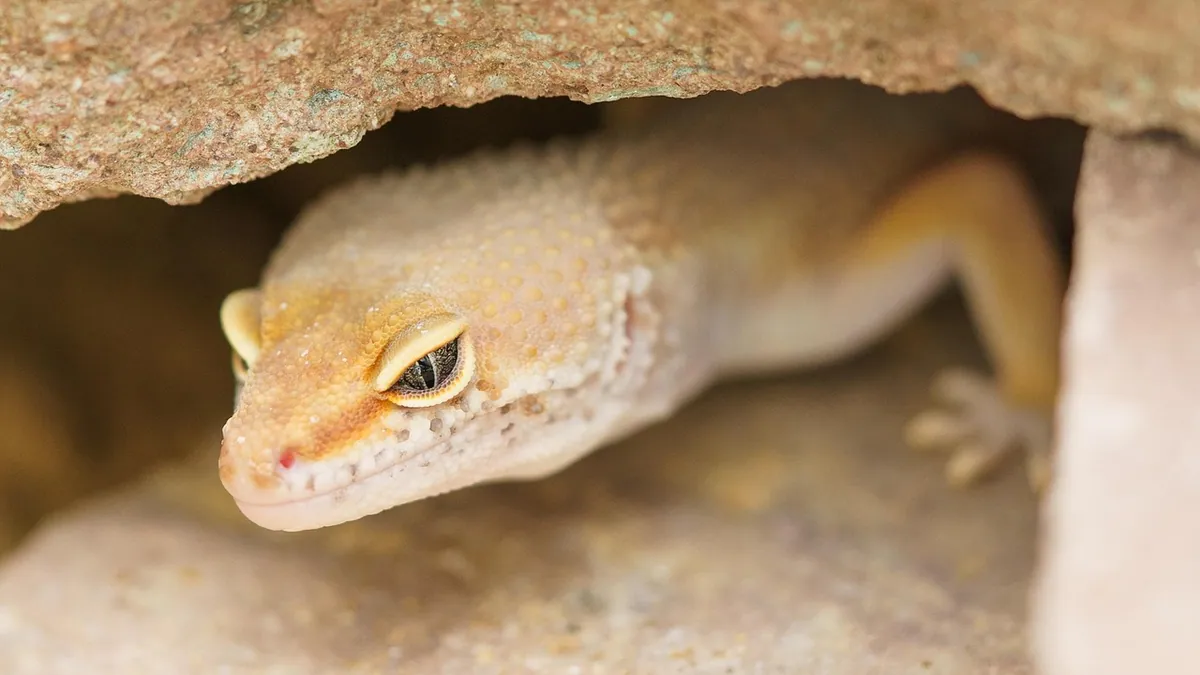
If your leopard gecko escaped, act tonight, not next week. Most are found within the same room, hiding in the warmest, darkest spot they can reach. Start by sealing the room, then search low and slow with a heat source and a flashlight.
This article is educational and is not a substitute for veterinary diagnosis or treatment.
Quick Answer
- Search at night with a flashlight. Leopard geckos are crepuscular, meaning they move most in dim light, so a dark room with a red or dim light gives you the best chance of catching movement.
- Think warm and low. A loose gecko seeks heat and cover, so check under and behind appliances, along baseboards, inside closets, and under furniture before you check high shelves.
- Set a heat trap. A shallow container with a warm (not hot) hide and a shallow water dish can draw a thirsty, chilled gecko out of hiding.
- Most geckos are found within a few days, but a healthy adult can survive longer than you might expect if it stays warm and hydrated.
- Check the room before you sleep. A gecko that is still loose overnight is more likely to wander into an unsafe spot while you are not watching.
How to Find an Escaped Leopard Gecko: Step by Step
Step 1: Seal the room first
Close the door. Block the gap under the door with a rolled towel. Close windows and vents if you can. A loose gecko that leaves the room is much harder to find, and it may slip into a wall void or under a cabinet where you cannot reach it.
If the escape happened in a bedroom or small room, keep the search contained there for the first 24 hours. If the gecko was last seen in an open-plan space, work outward from the enclosure in a widening circle.
Step 2: Turn off the lights and wait
Wait until the room is dark and quiet. Give it 20 to 30 minutes. Leopard geckos are more active in low light, and a still, dark room makes movement easier to spot. Sit on the floor with a flashlight and sweep the beam slowly along walls and floor edges. Look for a small shape, a tail tip, or a pair of eyes reflecting light.
Step 3: Search the warm spots
A loose reptile looks for heat. That instinct is strong in ectotherms, which rely on external warmth to regulate body temperature. Research on terrestrial ectotherms shows they actively select warm retreat sites, and artificial warm shelters can change where they settle [1]. In a house, that means:
- Behind and under the refrigerator
- Near a water heater, furnace, or radiator
- Under a dishwasher or washing machine
- Along the back of a computer or TV
- Inside a warm closet or laundry pile
- Under a heat vent or near a baseboard heater
Use a flashlight and a soft probe (a ruler or a wooden spoon) to check gaps. Never poke blindly with your fingers.
Step 4: Check the classic hiding spots
Leopard geckos are ground dwellers. They do not climb like many other geckos, so focus your search at floor level and just above it. Check:
- Under the bed, dresser, and sofa
- Inside shoes and boots
- Between couch cushions
- Behind bookshelves and under rugs
- In cardboard boxes and paper bags
- Inside laundry baskets and under towels
- Along the base of walls and in corners
Lizards use spatial memory to return to shelters they have learned, and they can learn a route to a goal shelter quickly [2]. That means once your gecko finds a good hiding spot, it may keep coming back to the same place. If you find it once and it escapes again, search that spot first.
Step 5: Set a heat and water trap
If a direct search fails, set up a trap. Use a shallow plastic container with low sides so the gecko can climb in. Place a hide inside, a shallow water dish, and a gentle heat source under one side (a low-wattage heat mat on a thermostat works well). Put the trap along a wall, because geckos tend to travel along edges instead of across open floor.
Check the trap every few hours, especially at dawn and dusk. Do not use a heat rock, which can cause burns.
Step 6: Use flour or tape to track movement
Lightly dust a strip of flour or cornstarch along doorways and baseboards. Check it in the morning for tiny footprints or tail drag marks. This tells you which room the gecko is using, so you can focus your search.
You can also place strips of painter's tape sticky-side up along walls, but check it often. A gecko that gets stuck can lose toes or tail. If you use tape, use low-tack tape only and check every hour.
Step 7: Repeat the search at the right times
Search at dusk and again just before dawn. These are the hours when a leopard gecko is most likely to move. Keep the room quiet and the lights low. If you have pets, keep cats and dogs out of the search area. A cat can injure or kill a loose gecko quickly.
Search Schedule and Checklist
| Time | Action | Why it matters |
|---|---|---|
| First 30 minutes | Seal the room, block gaps, remove pets | Prevents the gecko from leaving or being injured |
| First night | Dark search with flashlight at floor level | Best chance to spot movement |
| Overnight | Set heat and water trap along a wall | Draws a chilled gecko out |
| Next morning | Check flour lines and trap | Shows which room the gecko is using |
| Days 2 to 5 | Repeat dusk and dawn searches | Geckos may stay hidden for days |
| Day 5 and beyond | Widen search, check adjacent rooms | The gecko may have moved through a gap |
How Long Can a Leopard Gecko Survive Loose?
A healthy adult leopard gecko can survive several days to a few weeks outside its enclosure if it stays warm and finds water. The two biggest risks are cold and dehydration. A gecko that gets chilled becomes sluggish and stops moving, which makes it harder to find and harder for it to recover.
A gecko that is loose in a cool room for more than a few days is at real risk. If your home is below about 70°F, the gecko may become too cold to move normally. If you find it after several days, warm it slowly and offer shallow water. Do not feed it a large meal right away.
Young geckos and geckos that were already sick or underweight have much less reserve. For those animals, treat the escape as urgent and search every few hours.
Signs Something Is Wrong After You Find It
Finding your gecko is only half the job. Check it carefully before you put it back.
Warning signs to look for
- Cold, limp body that does not right itself
- Sunken eyes or wrinkled skin (dehydration)
- Stuck shed on toes, eyes, or tail tip
- A dropped or partially dropped tail
- Cuts, punctures, or bite marks from a cat or dog
- Labored breathing or open-mouth breathing
- Refusal to move or eat for more than a few days
A dropped tail is common after a scare. It is a defense mechanism, and the tail will regrow over weeks to months. Keep the wound clean and watch for infection. For detailed steps, see Leopard Gecko Tail Drop Care.
Stuck shed is another common problem after an escape, because a stressed gecko may not shed cleanly. If you see retained skin on the toes or eye caps, follow a careful removal guide such as Leopard Gecko Care: Stuck shed toe and eye cap removal guide. Never pull dry skin off by force.
Warm it up slowly
Move the gecko to a quiet enclosure with a proper temperature gradient. Let it warm gradually over several hours. A sudden jump in temperature can stress a chilled reptile. Offer shallow water in a small dish. If the gecko drinks, that is a good sign.
Common Mistakes Owners Make
Searching only during the day
A leopard gecko is most active at dusk and dawn. A daytime search of a bright, busy room often misses a gecko that is tucked into a dark gap. Search when the room is dim and quiet.
Looking high instead of low
Leopard geckos are not climbers. If you are checking curtains and shelves, you are probably looking in the wrong place. Focus on the floor, baseboards, and low furniture.
Leaving food out as bait
A bowl of insects will not reliably draw a gecko out, and loose feeders can bite or stress a hiding gecko. Use water and warmth instead.
Letting cats and dogs roam
A single cat can seriously injure or kill a loose gecko. Keep pets out of the search area until the gecko is back in its enclosure.
Assuming it cannot get far
A gecko can travel along walls and through gaps you did not know existed. Check adjacent rooms, closets, and laundry areas. Research on small reptiles shows they can learn and reuse routes to shelters, so a gecko that finds a path may keep using it [2]. Rats and other household pests can also share space with reptiles, and their activity patterns overlap in some settings [3]. That is another reason to keep the search area sealed and clean.
Giving up too soon
Many owners stop searching after two or three days. Keep checking warm spots and traps for at least a week. Some geckos are found much later, especially in cluttered homes.
Supplies and Setup That Matter for Health
The escape-proof enclosure
Check your enclosure before you put the gecko back. A secure lid, tight-fitting screen, and no gaps around cords or vents are basic. If your gecko escaped through a gap, fix it before you return the animal.
Heat and temperature
Leopard geckos need a temperature gradient with a warm side and a cool side. A heat mat on a thermostat is safer than a heat rock. After an escape, a gecko may be chilled, so warm it slowly and monitor its behavior for the first few days.
Water and hydration
Offer shallow water in a small, stable dish. A dehydrated gecko may need veterinary fluids. Do not try to force water into its mouth.
Food after the escape
Wait until the gecko is warm and alert before offering insects. Start with a small meal. If it refuses food for more than a few days, contact your veterinarian. For normal feeding schedules and insect choices, see Leopard Gecko Diet and Feeding Guide.
Quarantine if you have other reptiles
Keep a found gecko separate from other reptiles for at least 30 days. A gecko that was loose may have picked up parasites or an infection. Wash your hands before and after handling each animal.
Dental and mouth checks
A stressed gecko may rub its mouth against hard surfaces while hiding. Check for swelling, drooling, or visible spurs around the mouth. If you see problems, a veterinarian can evaluate whether trimming is needed. See Leopard Gecko Care: Overgrown Dental Spurs & Tooth Trimming Guide.
Limitations and When to Contact a Veterinarian
This guide covers a healthy adult leopard gecko that has been loose for a short time. It does not cover every situation. Individual cases need a veterinarian who can examine your gecko in person.
Contact an emergency veterinary hospital right away if your gecko:
- Was caught by a cat or dog, even if you see no wound
- Is limp, unresponsive, or cannot right itself
- Has open-mouth breathing or obvious difficulty breathing
- Has a deep cut, puncture, or exposed tissue
- Has a prolapse (tissue protruding from the vent)
Call your veterinarian the same day if your gecko:
- Was loose for more than a few days
- Feels cold and will not warm up or move normally
- Has sunken eyes, wrinkled skin, or has not passed droppings
- Has stuck shed on the eyes, toes, or tail tip
- Refuses food for more than a few days after warming up
Schedule a routine visit within a week or two if your gecko was loose for more than 48 hours, even if it looks normal. A veterinarian can check hydration, weight, and overall health. If you are not sure whether your setup is correct, a routine visit is also a good time to review temperature, lighting, and diet. A beginner-friendly reference is the Leopard Gecko Care Guide for Beginners.
Frequently Asked Questions
How long can a leopard gecko survive outside its tank?
A healthy adult can survive several days to a few weeks if it stays warm and finds water. Cold and dehydration are the main dangers. A young, sick, or underweight gecko has much less time.
Do leopard geckos come back to their tank on their own?
Sometimes, but do not count on it. A gecko may return to a warm spot near the enclosure, especially if the heat mat is still on. Keep a heat and water trap near the tank and check it often.
Will my gecko be aggressive after it escapes?
Most leopard geckos are frightened, not aggressive. They may hiss, bite, or drop their tail if grabbed. Approach slowly, use a soft container or cup, and avoid grabbing the tail.
Can I use a bug bomb or spray to flush out my gecko?
No. Insecticides and foggers are toxic to reptiles and can kill your gecko. Never use sprays, powders, or foggers in the search area. Use warmth, water, and quiet instead.
How do I stop my leopard gecko from escaping again?
Check the enclosure for gaps, secure the lid, and route cords so they do not create openings. Keep the tank in a quiet room away from cats and dogs. Handle your gecko over a low surface, and never leave the lid open unattended.
Related Articles
- Leopard Gecko Care Guide for Beginners
- Leopard Gecko Tail Drop Care
- Leopard Gecko Care: Stuck shed toe and eye cap removal guide
- Leopard Gecko Diet and Feeding Guide
- Leopard Gecko Care: Overgrown Dental Spurs & Tooth Trimming Guide
- Leopard Gecko Cryptosporidiosis: Testing, Supportive Care, and Collection Management
- My Ball Python Escaped: Where to Look and How to Catch It
- My Leopard Gecko Fell on the Floor: What to Do
- My Leopard Gecko Died: Common Causes Explained
References
- Disease Refuge or Ecological Trap: Location-Specific Performance of Amphibian Hotspot Shelters. Ecology and evolution, 2026.
- Spatial learning and lateralization in lizards. Biology letters, 2026.
- Population Density and Spatial-Temporal Niche Use of Ship Rats and Italian Wall Lizards on a Small Adriatic Island. Ecology and evolution, 2026.