My Leopard Gecko Hasn't Eaten in a Month: What to Do
By Dr. Zubair Khalid, DVM, MS, PhD ·
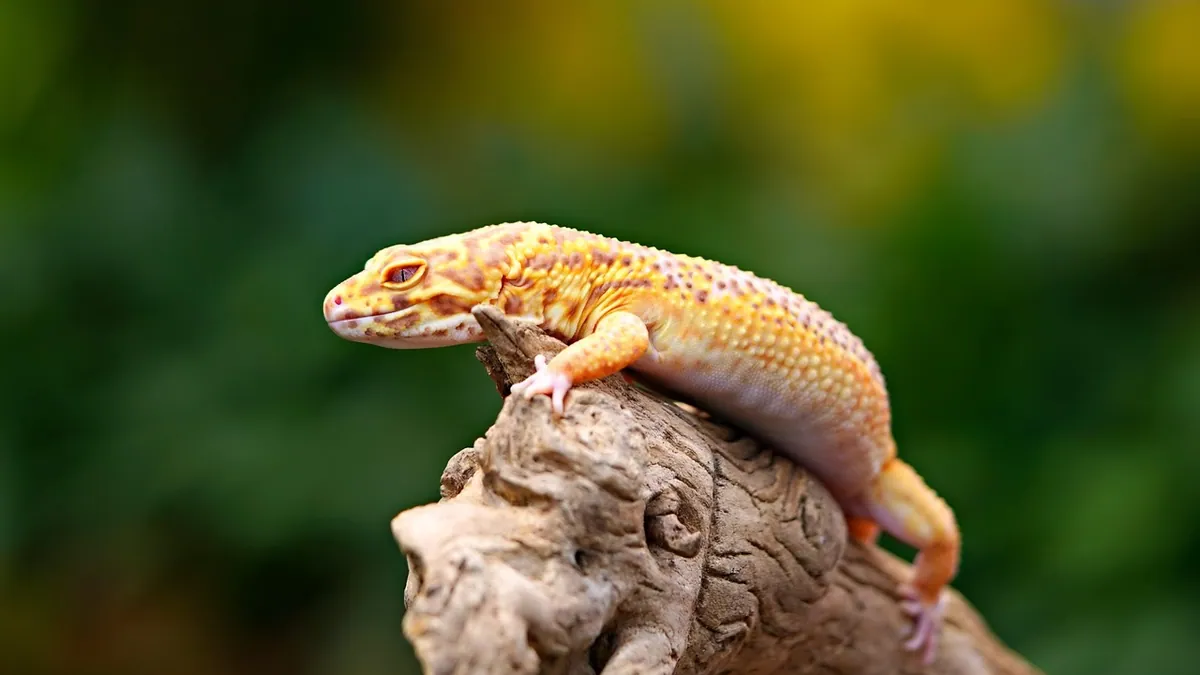
If your leopard gecko hasn't eaten in a month, the first step is to weigh the animal and check for other signs of illness. A healthy adult leopard gecko can fast for weeks during the cooler months with no harm, but a gecko that is losing weight, acting lethargic, or showing discharge, swelling, or trouble moving needs veterinary care. The answer depends on the gecko's age, body condition, and the season.
This article is educational and is not a substitute for veterinary diagnosis or treatment.
Quick Answer
- Weigh your gecko on a kitchen scale in grams today, then again every 3 to 4 days. A steady weight is reassuring, and a drop of 10 percent or more from the last recorded weight is a reason to call a veterinarian.
- Cooler temperatures and shorter daylight in fall and winter can trigger brumation, a natural period of inactivity and fasting in reptiles [1].
- A healthy adult leopard gecko with a thick tail, clear eyes, and normal activity can often go a month without food, especially in winter.
- Stop handling, keep the enclosure quiet, and offer a few small live insects every few days to see if interest returns.
- Call an exotic or reptile veterinarian if you see weight loss, sunken eyes, a thin tail, vomiting, diarrhea, or a gecko that cannot lift its head.
What a Month Without Eating Looks Like in a Leopard Gecko
A leopard gecko that has not eaten for a month may still look completely normal. The tail stays plump, the eyes are bright, and the gecko moves around at night as usual. Owners often notice the uneaten insects before they notice any change in the animal itself.
Other geckos show clear changes. The tail thins out. The skin looks loose. The gecko hides more, sleeps through the night, or stops coming out for warmth. Some geckos refuse food but still drink and defecate normally. Others stop passing stool because there is nothing in the gut to pass.
What Is Normal
Adult leopard geckos do not eat every day. A healthy adult may eat every 2 to 3 days during the active season and then slow down in fall. Some geckos stop eating for several weeks when temperatures drop, even indoors. This is a normal seasonal pattern in many reptiles.
During brumation, reptiles go through a period of inactivity with no food intake. Their bodies adapt by shrinking energetically expensive organs to save energy. In one gecko species, heart mass dropped by 37 percent, stomach mass by 25 percent, and liver mass by 69 percent during the inactive season [1]. Standard metabolic rate during the active season was 1.85 times higher than in brumating animals [1]. This shows how deeply a reptile's body can slow down when it is not eating.
Juvenile geckos are different. A baby or young gecko that refuses food for a month is a concern because it is still growing and has less stored energy.
Main Causes of Appetite Loss in Leopard Geckos
Appetite loss in reptiles has many causes. Some are harmless and seasonal. Others are serious and get worse without treatment.
| Cause | Typical clues | How urgent |
|---|---|---|
| Brumation or seasonal slowdown | Cooler enclosure, fall or winter, gecko still has a plump tail, normal activity when warm | Routine, monitor weight |
| Low or high temperatures | Gecko stays on the cool side or hides from heat, refuses food, seems sluggish | Routine to urgent, fix the gradient |
| Stress from handling or a new home | Recent move, new cage mate, frequent handling, hides constantly | Routine, reduce stress |
| Impaction | No stool for weeks, hard belly, straining, sand or large prey in history | Same day |
| Parasites | Weight loss despite eating, diarrhea, poor shedding, exposure to wild-caught reptiles | Same day to urgent |
| Infection or organ disease | Lethargy, sunken eyes, discharge, swelling, weakness | Emergency |
| Mouth or dental problem | Drooling, swelling around the mouth, refusing to bite | Same day |
Parasites are easy to overlook. In one report, a snake imported from Indonesia died in quarantine one month after purchase with only a brief period of appetite loss as a warning sign [2]. A necropsy found a heavy parasite infection. Another case described a python with a severe tick infestation and a blood parasite infection that showed appetite loss, lethargy, and incomplete shedding [3]. After treatment, the python resumed feeding and shed normally within five days [3]. These cases show that a reptile can look almost normal while a hidden problem is building.
Stress also matters. A gecko that is handled daily, kept with a tank mate, or housed near a barking dog may stop eating. Food restriction is a real environmental pressure for reptiles, and their bodies respond by lowering body temperature, reducing digestion, and mobilizing fat stores [4]. That response helps them survive short fasts, but it does not fix a bad enclosure or a hidden illness.
Red Flags That Mean a Vet Visit Now
Some signs mean you should not wait. Call an exotic or reptile veterinarian the same day if you see any of these.
- Weight loss of 10 percent or more since the last weigh-in
- A tail that looks thin, wrinkled, or flat instead of plump
- Sunken eyes or dull, cloudy eyes
- Vomiting, diarrhea, or bloody stool
- A swollen belly, a hard belly, or straining with no stool
- Weakness, trembling, or a gecko that cannot lift its head
- Discharge from the nose, mouth, or eyes
- Swelling around the mouth or jaw
- A prolapse, meaning tissue sticking out of the vent
- A gecko that has not eaten for a month and is a juvenile or has another health condition
Go to an emergency clinic if the gecko is unresponsive, gasping, having seizures, or has a prolapse. These are life-threatening signs.
What You Can Do at Home While You Wait
You can gather useful information before the appointment. You can also make small changes that may help a healthy gecko start eating again.
Check the Enclosure
Measure the temperatures in the warm hide, the cool side, and the middle of the tank. Leopard geckos need a warm area for digestion and a cooler area for regulation. A gecko that cannot reach the right temperature will not digest food well and may refuse it.
Check the heat source. An under-tank heater or a heat mat with a thermostat is common. A heat rock can burn a gecko and should not be used. Make sure the thermostat is working and the probe is placed correctly.
Reduce Stress
Stop handling the gecko except for weighing. Keep the tank in a quiet room. If the gecko lives with another gecko, separate them if you see bullying, biting, or one gecko hogging the food.
Offer Food Correctly
Offer a few small live insects every 2 to 3 days. Crickets, dubia roaches, and mealworms are common choices. Remove uneaten insects after 15 to 20 minutes so they do not bite or stress the gecko. Do not leave prey in the tank overnight.
Do not force feed a gecko at home. Force feeding can cause choking, injury, or aspiration. A veterinarian can place a feeding tube if nutrition support is needed.
Keep a Log
Write down the date, the gecko's weight in grams, what you offered, and whether the gecko ate, drank, or passed stool. This record helps the veterinarian see the pattern. A simple kitchen scale that measures in grams works well.
For more on what to feed and how often, see the Leopard Gecko Diet and Feeding Guide. If you also keep other reptiles, appetite loss in a different species can have different causes, as described in Crested Gecko Not Eating.
What the Veterinarian Will Check and Test
A reptile veterinarian will start with a full history. Expect questions about temperatures, diet, cage mates, recent changes, and how long the gecko has not eaten. Bring your weight log and a fresh stool sample if you have one.
Physical Examination
The veterinarian will weigh the gecko, check body condition, and look at the tail, eyes, mouth, skin, and vent. They will feel the belly for masses, impaction, or fluid. They will check for ticks, mites, and wounds.
Common Tests
- Fecal examination to look for parasites and their eggs
- Blood work to check organ function, blood cells, and signs of infection
- Radiographs (X-rays) to look for impaction, eggs, or organ changes
- Ultrasound if the veterinarian suspects organ disease or reproductive problems
- Cultures or swabs if there is discharge or a suspected infection
Blood work can show an inflammatory response. In the python case, blood tests showed mild haemoconcentration and elevated white blood cell changes consistent with inflammation from a parasitic infection [3]. This kind of testing helps separate a simple fast from a real illness.
Treatment
Treatment depends on the cause. It may include warming support, fluids, parasite treatment, antibiotics, or nutritional support. In the python case, treatment included mechanical tick removal, oral ivermectin, and better husbandry, and the snake resumed feeding within five days [3]. A veterinarian calculates every dose from the pet's weight and health, so never use a dose from another animal or an online chart.
If your gecko has liver or weight problems, the Leopard Gecko Care: Fatty liver disease weight and diet management article explains how diet and body condition connect.
Monitoring and Prevention
Good husbandry prevents many appetite problems. Set up the enclosure before you bring the gecko home, and check it every week.
- Keep a temperature gradient with a warm hide and a cool hide.
- Use a thermostat with every heat source.
- Feed a varied diet of appropriate live insects.
- Dust insects with a calcium and vitamin supplement as directed for your gecko's age.
- Keep a clean water dish and change the water daily.
- Remove waste and uneaten insects promptly.
- Quarantine any new reptile for at least 30 days before introducing it to your collection.
- Weigh your gecko every 2 to 4 weeks and write it down.
- Schedule a wellness visit with a reptile veterinarian when you first get the gecko.
Quarantine matters because imported reptiles can carry parasites that spread to other animals. The snake that died in quarantine had a heavy parasite infection that was only found after death [2]. A new gecko can look healthy and still carry a problem.
For a full setup checklist, see the Leopard Gecko Care Guide for Beginners.
Limitations and When to Contact a Veterinarian
This article cannot tell you what is wrong with your individual gecko. Only a veterinarian who examines the animal can do that. Use the timing below as a guide.
Contact a veterinarian the same day if:
- The gecko has lost 10 percent or more of its body weight
- The tail is thin or the eyes are sunken
- There is vomiting, diarrhea, or no stool for weeks
- The belly looks swollen or hard
- The gecko is a juvenile or has a known health problem
- The gecko has not eaten for a month and you cannot identify a seasonal reason
Go to an emergency clinic now if:
- The gecko is unresponsive or cannot right itself
- The gecko is gasping or breathing with its mouth open
- There is a prolapse
- There are seizures or severe trembling
- There is heavy bleeding or a deep wound
Schedule a routine visit if:
- The gecko is an adult, has a plump tail, acts normally, and the fast lines up with cooler weather
- You want a baseline weight and fecal check
- You need help adjusting temperatures or diet
If you are not sure which category fits, call the clinic and describe what you see. Staff can help you decide.
Frequently Asked Questions
How long can a leopard gecko go without eating?
A healthy adult leopard gecko with good body condition can often go several weeks without food, especially during the cooler months. Brumation is a normal period of inactivity and fasting for many reptiles [1]. A juvenile, a thin gecko, or a gecko with other symptoms should not fast for long.
Is it normal for a leopard gecko to stop eating in winter?
Yes, many reptiles slow down in winter. During brumation, the body reduces the size of energy-hungry organs to save fuel, and metabolic rate drops well below the active-season level [1]. If your gecko is an adult with a plump tail and normal behavior, a winter fast can be normal. Weight loss or lethargy is not normal.
Can stress make a leopard gecko stop eating?
Yes. Handling, a new enclosure, a tank mate, or loud activity nearby can all cause appetite loss. Food restriction is a known stressor for reptiles, and their bodies respond by lowering body temperature and digestibility and by using fat stores [4]. Reducing stress often brings the appetite back.
Should I force feed my leopard gecko?
No. Do not force feed at home. It can cause choking, mouth injury, or food entering the lungs. If your gecko needs nutrition support, a veterinarian can place a feeding tube and calculate the right amount for your pet's weight and health.
Can parasites cause a leopard gecko to stop eating?
Yes. Parasites are a common and often missed cause of appetite loss in reptiles. One imported snake showed only a brief period of anorexia before it died, and a necropsy found a heavy parasite infection [2]. A python with a severe tick infestation and a blood parasite infection also had anorexia and lethargy, and it resumed feeding after treatment [3]. A fecal test can check your gecko for parasites.
Related Articles
- Leopard Gecko Diet and Feeding Guide
- Crested Gecko Not Eating
- Leopard Gecko Care: Fatty liver disease weight and diet management
- Leopard Gecko Care Guide for Beginners
- Leopard Gecko Care: Pyramiding & Shell Health Management
- Why Is My Leopard Gecko Not Eating? Causes and Steps
- Leopard Gecko Poop: What's Normal and What's Not
- Do Leopard Geckos Drink Water? Hydration Signs
References
- Seasonal remodeling of visceral organs in the invasive desert gecko Tarentola annularis. Integrative zoology, 2024.
- First report on a Raillietiella orientalis and Kalicephalus sp. co-infection in a wild-caught red-tailed green rat snake (Gonyosoma oxycephalum). International journal for parasitology. Parasites and wildlife, 2026.
- Severe Tick Infestation and Haemogregarina spp. Infection in a Captive African Rock Python (Python sebae): A Clinical and Parasitological Case from Nigeria. Veterinary medicine and science, 2026.
- Negative effects on the adaptive strategies of the lizards (Eremias argus) under starvation after exposure to Glufosinate-ammonium. Comparative biochemistry and physiology. Toxicology & pharmacology : CBP, 2025.