Why Is My Ball Python Trying to Escape?
By Dr. Zubair Khalid, DVM, MS, PhD ·
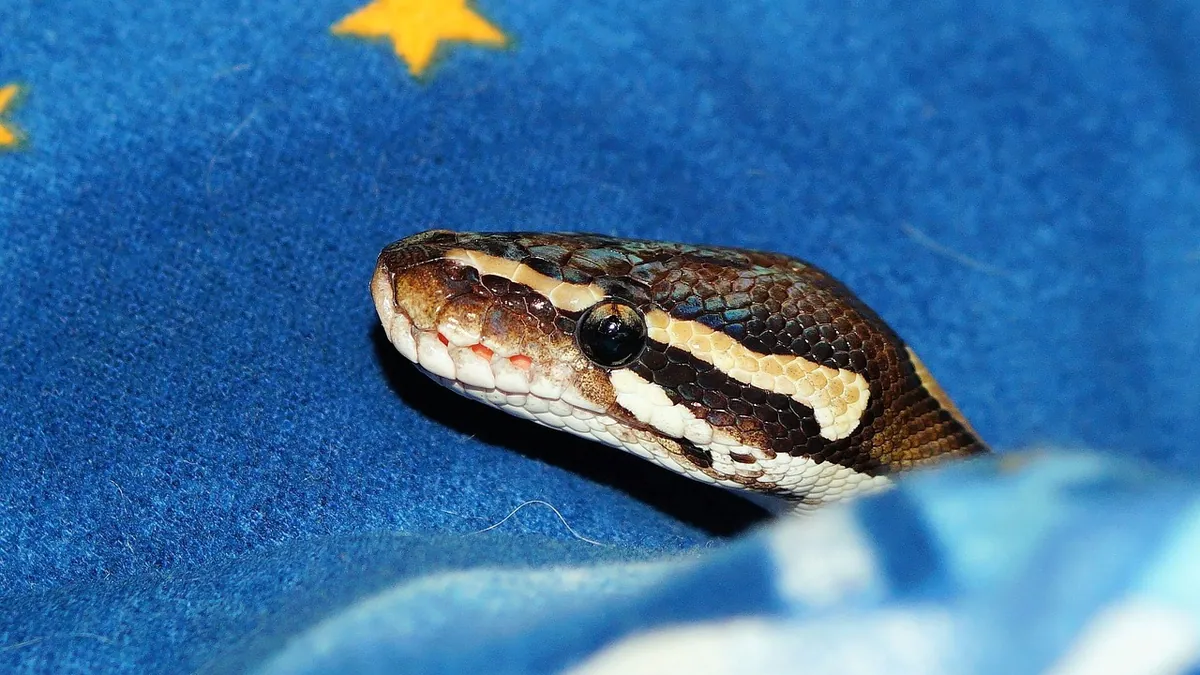
Why is my ball python trying to escape? In most cases, a ball python pushing at the glass, climbing the walls, or testing the lid is responding to something in its environment that does not feel right. Temperature, humidity, hunger, stress, and enclosure size are the usual suspects, and true escape attempts often stop once you correct the setup. This article is educational and is not a substitute for veterinary diagnosis or treatment.
Quick Answer
- A ball python that roams at night, especially after lights out, is often just exploring or hunting. This is normal.
- Constant pushing, nose rubbing, and glass surfing point to a husbandry problem, most often wrong temperatures or low humidity.
- A hungry snake will patrol its enclosure looking for food. Check your feeding schedule and prey size.
- Small, bare, or overly exposed enclosures increase stress and escape behavior. Add hides and clutter.
- Fix the environment first, then secure the lid and vents so a determined snake cannot get out.
Why Is My Ball Python Always Trying to Escape? Normal Reasons First
Not every escape attempt is a problem. Ball pythons are crepuscular and nocturnal, meaning they are most active around dusk and at night. A snake that cruises its enclosure after dark, climbs branches, or presses its nose to the glass for a while is often doing exactly what a healthy snake does.
Normal exploration and activity
Young ball pythons tend to be more active and curious than adults. A juvenile may roam more, climb more, and test boundaries more often. This usually settles as the snake grows and feels secure in its space.
Breeding season restlessness
Male ball pythons sometimes become restless during breeding season, which often falls in the cooler months. They may pace, refuse food, and search for a mate. This is a normal seasonal pattern and not a sign of illness on its own.
Hunger
A hungry ball python will actively hunt. It may patrol the enclosure, tongue-flick constantly, and press against the glass when you walk by. If your snake is due for a meal or you recently changed prey size, hunger is a strong candidate. Our guide to Ball Python Feeding Guide and Refusing to Eat covers schedules and prey sizing in detail.
Medical Causes to Rule Out
Sometimes escape behavior is the first sign that something is physically wrong. Reptiles hide illness well, so behavior changes can be an early clue.
Temperature and humidity stress
Ball pythons need a warm side and a cool side so they can regulate their body temperature. If the enclosure is too hot, too cold, or too dry, the snake will move constantly trying to find relief. Reptiles under multiple environmental stressors show measurable physiological strain, and temperature and water balance problems interact in ways that affect health [1]. Low humidity also causes stuck shed, which adds stress. See Ball Python Stuck Shed Help if shedding looks incomplete.
Parasites and skin irritation
Ticks and mites cause intense irritation and can drive a snake to rub and push against surfaces. A case report on a captive African rock python with severe tick infestation described facial swelling, incomplete shedding, anorexia, and lethargy alongside the parasites [2]. Mites are common in ball pythons and easy to miss. Check the water bowl, the snake's chin, and the vent area for tiny dark specks.
Respiratory infection
Wheezing, bubbling around the mouth, or holding the head up to breathe can accompany restlessness. A snake that cannot breathe comfortably will often pace and press upward. Our article on Ball Python Respiratory Infections: Symptoms, Humidity Control, and Veterinary Care explains what to watch for.
Pain or injury
Any source of pain, including burns from unregulated heat mats, abscesses, or retained shed around the tail, can make a snake restless. A snake in pain may also refuse food. If your ball python has stopped eating, the Ball Python Care: Anorexia feeding refusal troubleshooting guide walks through possible causes.
When Escape Behavior Becomes a Problem
Occasional nighttime roaming is normal. The behavior becomes a concern when it is constant, when it happens during the day, or when it comes with other signs.
Watch for these patterns:
- Pushing at the same spot for hours, especially the lid or a corner
- Nose rubbing that leaves raw, pink, or scabbed skin
- Pacing along the glass in a repeated loop
- Refusing food for more than a few weeks
- Weight loss, lethargy, or labored breathing
- Any escape attempt that succeeds
Nose rubbing is the most common injury from this behavior. It can progress to open wounds and infection, so address the cause early.
What to Do Step by Step
Work through these steps in order. Most escape behavior improves once the basics are right.
Step 1: Check temperature and humidity
Measure with a digital thermometer and hygrometer, not a stick-on gauge. Place one probe on the warm side and one on the cool side. Ball pythons generally need a warm spot in the high 80s to low 90s Fahrenheit and a cool side in the mid 70s to low 80s. Humidity should sit around 50 to 60 percent, higher during shedding.
If your readings are off, adjust the heat source with a thermostat and add a humidity hide or mist as needed. Never guess. Wrong numbers are the most common reason a ball python keeps trying to escape.
Step 2: Review feeding
Check the last feeding date, prey size, and whether the snake actually ate. A ball python on undersized prey will stay hungry and hunt constantly. Weigh your snake and match prey to its widest body point. If your snake has been refusing food, read the Ball Python Feeding Guide and Refusing to Eat before changing anything.
Step 3: Improve the enclosure
A secure, well-furnished enclosure reduces stress and escape behavior. Environmental enrichment changes activity patterns in captive reptiles, and adding novel objects reduced escape behavior in a study of captive turtles [3]. The same principle applies to snakes.
- Provide at least two hides, one on each side
- Add clutter such as cork bark, fake plants, and leaf litter
- Use an enclosure sized for the snake, not oversized and empty
- Cover three sides of a glass tank to reduce visual stress
- Keep the enclosure in a low-traffic area
Step 4: Reduce handling stress
Handling affects snake behavior. In a study of zoo snakes, inactive behavior increased and out-of-sight behavior changed after handling sessions [4]. If your snake is new, recently moved, or showing stress, cut back on handling for a week or two and let it settle.
Step 5: Secure the enclosure
Even a calm ball python can push a loose lid. Ball pythons are strong for their size and are known for finding gaps.
- Use locking clamps or a sliding screen top with a pin
- Seal gaps around cords and vents with mesh
- Check that the lid fits flush with no flex
- Never rely on a rock or book to hold a lid down
Step 6: Rule out parasites and illness
If the setup is correct and the behavior continues, look for mites, ticks, and signs of infection. A veterinarian can examine the snake and check for parasites. Treatment for ectoparasites in the case report included mechanical removal of ticks and oral ivermectin, with the dose calculated by the treating veterinarian based on the animal's weight and condition [2]. Do not use any medication without veterinary guidance.
What Not to Do
Some common fixes make the problem worse.
- Do not punish or tap the snake. Snakes do not learn from punishment, and it increases stress.
- Do not assume the snake is "just mean" or "wants out." Behavior has a cause.
- Do not use a heat rock. It can burn your snake.
- Do not skip a thermostat. Unregulated heat sources cause burns and dangerous temperature swings.
- Do not cohabitate ball pythons. Snakes sharing space compete for resources and stress each other.
- Do not ignore nose rubs. They can become infected wounds.
- Do not buy a bigger enclosure as the first fix. An empty large enclosure can increase stress.
When to Involve a Veterinarian or Behavior Professional
Call a veterinarian if your ball python has visible wounds from nose rubbing, has not eaten for several weeks, is losing weight, or is breathing with its mouth open. These signs point to a medical problem, not a training problem.
If your snake is healthy but the behavior continues after you correct temperature, humidity, feeding, and enclosure setup, a veterinarian with reptile experience or a certified behavior professional can help. They can assess stress, handling practices, and enrichment.
Limitations and When to Contact a Veterinarian
This article covers common causes of escape behavior, but every snake is an individual. A veterinarian who examines your ball python can rule out problems that are not visible at home.
Contact a veterinarian the same day if you see:
- Open or bleeding wounds on the nose or face
- Mites or ticks you cannot clear with basic cleaning
- Refusal to eat for more than three to four weeks in an adult, or any weight loss
- Wheezing, bubbling, or open-mouth breathing
- Swelling around the head, mouth, or vent
Go to an emergency clinic now if your snake has escaped and been missing for more than a day, if it was found in a cold or hot area, or if it shows weakness, tremors, or unresponsiveness. A snake that has been out of its enclosure can suffer temperature injury quickly.
Schedule a routine visit if the behavior is new, ongoing, and your snake otherwise seems fine. Early evaluation is easier than treating a problem later.
Frequently Asked Questions
Do ball pythons try to escape at night?
Yes, nighttime activity is normal for ball pythons. They are most active around dusk and after dark, so some roaming and glass testing is expected. Constant, frantic pushing every night is not normal and points to a husbandry problem.
My ball python is trying to escape after eating. Why?
A snake that just ate may still be in hunting mode, especially if the meal was small. Check that the prey size matches your snake's widest body point. If the behavior continues for days after feeding, review temperature and enclosure security.
Can stress make a ball python try to escape?
Yes, stress is a major driver of escape behavior. Small enclosures, too few hides, frequent handling, and high-traffic locations all raise stress. Adding cover and reducing handling often calms the behavior within a week or two.
Is my ball python trying to escape because it is too cold?
It can be. A snake that cannot reach its preferred temperature will move constantly looking for warmth. Use a digital thermometer to confirm your warm side and cool side readings, and adjust with a thermostat.
How do I stop my ball python from escaping its enclosure?
Fix the environment first, then secure the enclosure. Lock the lid, seal gaps, and check for weak points. If the snake still pushes, review temperature, humidity, feeding, and stress, and see a veterinarian if nothing changes.
Related Articles
- Ball Python Stuck Shed Help
- Ball Python Feeding Guide and Refusing to Eat
- Ball Python Care: Anorexia feeding refusal troubleshooting guide
- Ball Python Care and Enclosure Setup
- Ball Python Respiratory Infections: Symptoms, Humidity Control, and Veterinary Care
- Ball Python Breeding: Genetics, Pairing, and Incubation
- My Ball Python Escaped: Where to Look and How to Catch It
- Why Is My Ball Python So Active or Not Active?
- Does My Ball Python Like Being Held? Reading the Signs
References
- Physiological responses and adaptive mechanisms of amphibians and reptiles to multiple interacting environmental stressors: an integrative review. Frontiers in physiology, 2026.
- Severe Tick Infestation and Haemogregarina spp. Infection in a Captive African Rock Python (Python sebae): A Clinical and Parasitological Case from Nigeria. Veterinary medicine and science, 2026.
- Can colored object enrichment reduce the escape behavior of captive freshwater turtles?. Zoo biology, 2021.
- Behavioural Welfare Implications of Human Handling Practices in Zoo Snakes. Veterinary medicine and science, 2026.