Does My Ball Python Like Being Held? Reading the Signs
By Dr. Zubair Khalid, DVM, MS, PhD ·
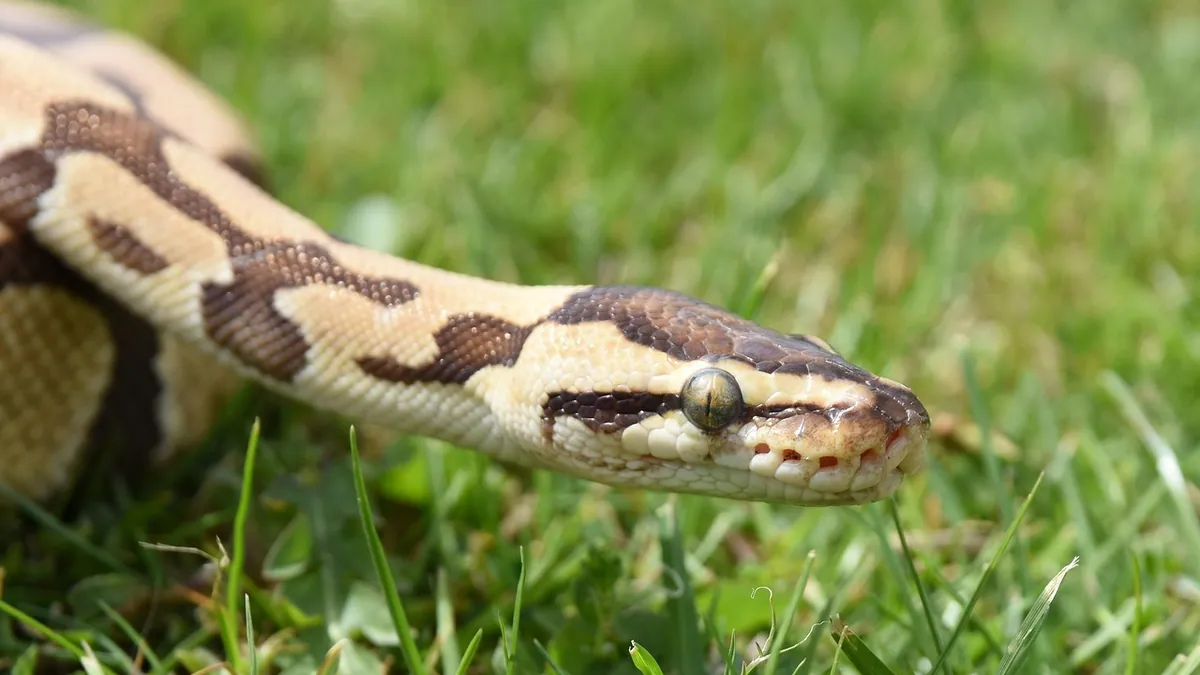
Most ball pythons do not enjoy being held the way a dog enjoys petting. They tolerate calm, brief handling, and some learn that a warm hand means safety. So when owners ask, "do ball pythons like to be held," the honest answer is that tolerance is normal and enjoyment is rare.
This article is educational and is not a substitute for veterinary diagnosis or treatment.
Quick Answer
- A relaxed ball python holds a loose coil, moves slowly, and flicks its tongue at a normal rate.
- A stressed ball python balls up tightly, hisses, strikes, or grips your hand hard.
- Keep sessions short, about 10 to 15 minutes, and never handle a snake right after it eats.
- Watch for a sudden drop in activity after handling, since inactivity can rise after human interaction [1].
- Any new wheeze, mucus, or refusal to eat needs a veterinary visit, not more handling.
Why Ball Pythons Tolerate Handling
Ball pythons are small, slow, ground-dwelling snakes. In the wild they spend much of their time hidden in burrows and termite mounds, waiting for prey. A large warm object that lifts them off the ground is not part of their normal world. They do not seek contact for comfort the way social mammals do.
What they can learn is that handling is predictable and safe. A snake that has been handled gently since it was young often stops defensive behavior. It may rest on your hand, explore slowly, or stay still. That is tolerance, not affection. Owners who say "my ball python loves to be held" are usually describing a calm, curious snake that no longer fears hands.
There is a real welfare angle here. Handling is common in programs where snakes meet the public, and researchers have looked at what it does to the animals. In one study of zoo pythons, active and abnormal behaviors did not change much before and after handling, but inactive behavior increased and the snakes were more likely to be out of sight [1]. In plain terms, handled snakes tended to do less afterward. That fits what many keepers see at home: a snake that seems fine during a session may hide and rest for hours after.
Reptile welfare science is still catching up. A recent review notes that focused research on reptile welfare is limited, and it proposes structured ways to assess welfare in both zoos and private homes, using environment, nutrition, physical health, and behavior as the main domains [2]. For you, that means paying attention to the whole picture, not just how the snake acts in your hands.
Reading the Signs: Tolerance vs. Stress
Signs your snake is calm
- Tongue flicking at a steady rate
- Loose, relaxed body with gentle movement
- Head lifted and looking around
- Slow, deliberate crawling from hand to hand
- No tightening when you support the body
Ball python handling stress signs
- Tight balling that does not loosen after a minute
- Hissing, open-mouth gaping, or striking
- Gripping your fingers or wrist hard with the tail
- Freezing completely, then bolting when you shift position
- Fast, repeated tongue flicks or none at all
- Defecating or passing urates during handling
- Trying to push away from you or hide under your arm
A single sign does not always mean distress. A snake that balls up for ten seconds when you first pick it up may relax once it feels supported. A snake that stays balled for the whole session is telling you the session is too much.
Medical Causes to Rule Out Before You Blame Temperament
A sudden change in how a snake reacts to handling is often a health problem, not a personality change.
Respiratory infections are common in ball pythons kept at the wrong humidity or temperature. Wheezing, bubbling around the mouth, or holding the head up to breathe are red flags. Read more in Ball Python Respiratory Infections: Symptoms, Humidity Control, and Veterinary Care.
Stuck shed can make a snake irritable and uncomfortable, especially around the eyes and tail tip. See Ball Python Stuck Shed Help.
A snake that refuses food and then acts defensive may be stressed by its enclosure, not by you. Our guide on Ball Python Feeding Guide and Refusing to Eat covers the common reasons.
Reproductive activity matters too. In captive female ball pythons, ovulation happens mainly between April and August, with egg laying from June to November, and a median clutch of six eggs [3]. A gravid female may become restless, stop eating, and react differently to handling. If you are not sure whether your snake is male or female, or whether breeding is possible, that is worth sorting out with your veterinarian.
When Handling Becomes a Problem
Handling is a problem when it costs the snake more than it gives you. Watch for these patterns.
- The snake hides for a full day or more after every session.
- Feeding responses drop off in the days after handling.
- The snake strikes at hands even during routine cage maintenance.
- Sheds come off in pieces, which can point to stress or husbandry gaps.
- The snake seems to brace or freeze the moment you open the enclosure.
None of these prove harm on their own. Together, they suggest your current routine is too much for this animal. Cut back and rebuild slowly.
How to Build Short, Low-Stress Handling Sessions
Start with the enclosure
A snake that feels secure at home is easier to handle. Ball pythons need a hide on the warm side and the cool side, a water bowl large enough to soak in, and a temperature gradient that lets them choose. Enclosure design affects behavior and welfare in reptiles, and naturalistic setups are generally considered better for welfare, though the benefits still need to be measured case by case [4]. For ball pythons, that means clutter, cover, and correct heat. Our Ball Python Care and Enclosure Setup guide walks through the basics.
Pick the right moment
Handle only when the snake is awake and moving. Skip handling for 48 hours after a meal, during a shed cycle, and any time the snake is being treated for illness. If your snake has refused food for weeks, pause handling until a veterinarian has seen it.
Use a scoop, not a grab
Slide one hand under the front third of the body and support the rest with your other hand. Let the snake rest on your palms instead of dangling. Keep movements slow and stay low to a table or bed so a fall cannot happen.
Keep sessions short
Ten to fifteen minutes is plenty for most adults. New snakes and juveniles may do better with five. End on a calm note. If the snake balls up or hisses, put it back and try again in a few days.
Track what happens after
Note how long your snake hides after a session, whether it eats on schedule, and whether it sheds cleanly. These are your real measures of whether handling is working. In the zoo study, handled pythons showed more inactive behavior and were more often out of sight [1], so a quiet snake after handling is expected. A snake that stays hidden for days is not.
Build a positive association
Offer a small meal in the enclosure after a calm session, on your normal feeding schedule. Keep the room quiet. Do not pass the snake around to multiple people in one sitting.
Use enrichment instead of extra handling
Climbing branches, cork bark, leaf litter, and a humid hide give your snake something to do. A busy, well-housed snake is often calmer in the hand. For more on long-term health checks, see Ball Python Care: Pyramiding & Shell Health Management.
What Not to Do
- Do not punish a snake for striking or hissing. Snakes do not learn from punishment, and it will make handling worse.
- Do not grab a balled snake and force it open. Wait.
- Do not handle during a shed or right after a meal.
- Do not let children handle unsupervised. A dropped snake can be injured, and a scared snake can bite.
- Do not assume a calm snake is a happy snake. Calm can mean shut down.
- Do not use handling as a substitute for correct heat, humidity, and hides.
- Do not handle a sick snake. It adds stress to an animal that needs rest and treatment.
When to Involve a Veterinarian or Behavior Professional
Call a reptile-experienced veterinarian if your snake shows breathing changes, mouth or nose discharge, weight loss, repeated regurgitation, or a shed that will not come off after two soak-and-rest cycles. These are medical issues, not training issues.
A certified behavior professional can help if your snake strikes during routine care, if you cannot complete basic cleaning without a bite, or if handling anxiety is affecting the snake's appetite and activity. Behavior work with reptiles is limited compared with dogs and cats, so ask your veterinarian for a referral to someone who works with snakes.
Limitations and When to Contact a Veterinarian
No article can tell you what your individual snake needs. This information is general, and individual cases need a veterinarian who can examine the animal.
Contact a veterinarian the same day if you see open-mouth breathing, bubbles or mucus at the mouth or nose, a swollen or blocked vent, a burn, or a wound from a live feeder.
Go to an emergency clinic now if your snake has been dropped from height, is bleeding, is unresponsive, or is struggling to breathe.
Schedule a routine visit if your snake has refused food for more than three to four weeks, is losing weight, has not shed completely, or has changed its reaction to handling without an obvious cause. A fecal exam and a physical check are reasonable starting points. Your veterinarian will calculate any medication dose from your snake's weight and health, so never use a dose from the internet.
Frequently Asked Questions
Do ball pythons recognize their owners?
Ball pythons can learn that a specific person and routine are safe, but this is familiarity, not recognition in the way mammals show it. They respond to scent, warmth, and handling patterns. A snake that stays calm with you may still react differently to a stranger.
Is it bad to hold my ball python every day?
Daily handling is more than most ball pythons need. Short sessions a few times a week are usually enough to keep the snake used to hands. If your snake hides for long stretches after each session or skips meals, cut back.
Why does my ball python ball up when I hold it?
Balling up is a defensive response, not affection. It often means the snake feels exposed or unsupported. Support the whole body, keep the session short, and let the snake uncoil on its own.
Can handling make my ball python sick?
Handling itself does not cause illness, but stress can affect appetite and immune function, and handling a sick snake makes things worse. Keep your hands clean, avoid handling during illness or shed, and fix any husbandry problems first.
How do I know if my ball python is stressed after handling?
Watch what happens in the hours afterward. A stressed snake may hide longer than usual, refuse its next meal, or act defensive when you open the enclosure. Track these patterns over a few weeks before deciding your routine is fine.
Related Articles
- Ball Python Respiratory Infections: Symptoms, Humidity Control, and Veterinary Care
- Ball Python Stuck Shed Help
- Ball Python Feeding Guide and Refusing to Eat
- Ball Python Care: Pyramiding & Shell Health Management
- Ball Python Care and Enclosure Setup
- Ball Python Care: Stuck shed retained eye caps removal guide
- Do Ball Pythons Recognize Their Owners? What Science Says
- Do Ball Pythons Bite? Why and How to Avoid It
- Why Is My Ball Python Trying to Escape?
References
- Behavioural Welfare Implications of Human Handling Practices in Zoo Snakes. Veterinary medicine and science, 2026.
- Laying the groundwork for reptile welfare assessment in zoos and private keeping: A literature-based proposal. Animal welfare (South Mimms, England), 2025.
- Follicular Growth Evaluation, Oviposition and Egg Hatching in the Ball Python (Python regius). Animals : an open access journal from MDPI, 2026.
- Influence of enclosure design on the behaviour and welfare of Pogona vitticeps. PloS one, 2025.