Why Is My Ball Python Drooling? Causes and Red Flags
By Dr. Zubair Khalid, DVM, MS, PhD ·
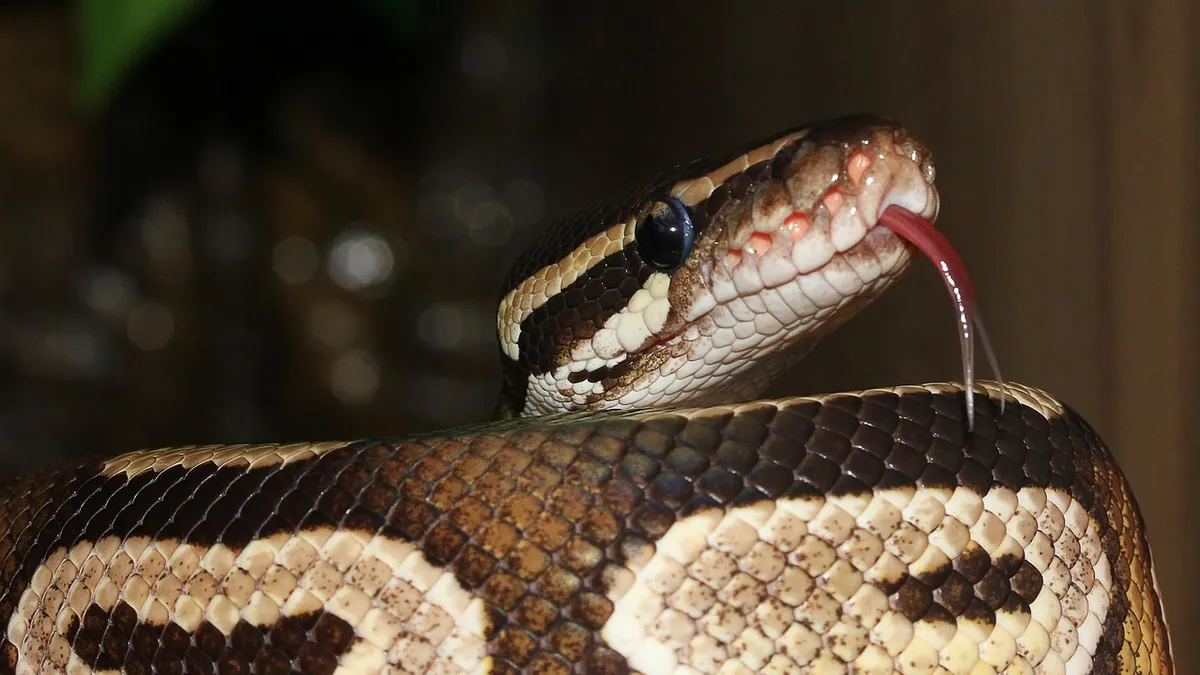
Drooling in a ball python is not normal. A healthy ball python should have a dry mouth with maybe a tiny bit of clear saliva, so visible strings of fluid, bubbles, or crusty discharge usually point to mouth rot, a respiratory infection, or overheating. If you are asking yourself why is my ball python drooling, treat it as a medical sign until a reptile vet says otherwise.
This article is educational and is not a substitute for veterinary diagnosis or treatment.
Quick Answer
- Drooling is never a normal behavior in ball pythons. It means something is irritating or infecting the mouth, throat, or lungs.
- The three most common causes are stomatitis (mouth rot), respiratory infection, and overheating or dehydration.
- Clear, thin fluid with no smell and a snake that still eats may be early and mild. Thick, cloudy, bloody, or foul-smelling discharge is more serious.
- Any drooling with open-mouth breathing, wheezing, bubbles at the nose, or a refusal to eat needs a reptile vet within a day or two.
- Do not try to treat this at home with antibiotics, peroxide, or mouthwash. Fix the enclosure, keep the snake warm and quiet, and book the appointment.
What Drooling Looks Like and What Is Normal
Normal ball python mouths are unremarkable. You might see a small amount of clear moisture when the snake has just drunk water or is about to shed around the lips. That moisture is thin, odorless, and gone quickly.
Abnormal drooling looks different. You may see:
- Strings of saliva hanging from the lower jaw
- Bubbles or foam at the mouth or nostrils
- Thick, cloudy, yellow, or green discharge
- Crusty material stuck to the lips or chin
- A swollen or discolored mouth lining
- The snake holding its mouth partly open for long periods
Some owners notice drooling only when they pick the snake up, because the fluid pools in the mouth while the snake rests. Others find wet spots on the substrate or see the snake rubbing its face against the enclosure. Any of these patterns deserves a closer look.
Main Causes of Drooling in Ball Pythons
Mouth Rot (Stomatitis)
Mouth rot is a bacterial infection of the gums, lips, and oral cavity. It often starts with a small injury from a rough hide, a live prey bite, or a piece of substrate stuck in the mouth. The tissue becomes red, swollen, and painful, and the snake produces extra fluid that leaks out as drool.
Mouth rot is one of the severe diseases seen in captive snakes, and it can be fatal if it spreads [1]. Early cases may show only mild redness and a little clear drool. Advanced cases produce thick pus, a foul smell, and swelling that distorts the jaw.
Respiratory Infection
Respiratory infections are common in ball pythons kept too cool or too damp without enough ventilation. Bacteria, mycoplasmas, and viruses can all be involved. In one study of snakes with and without respiratory disease, every sampled snake tested positive for mycoplasmas, and many also carried serpentoviruses and other bacteria [2]. That tells us respiratory disease in snakes is often a mixed infection, which is why guessing at treatment rarely works.
Serpentoviruses (a group of nidoviruses) are a major cause of severe respiratory disease in ball pythons. A captive ball python under two years old showed increased oral mucus, wheezing, and audible breathing along with weight loss, and testing found large amounts of mucus in the esophagus plus proliferative interstitial pneumonia [3]. In another investigation, viral RNA was found in all eight diseased pythons but not in healthy pythons or other snakes tested [4]. Drooling is often the first thing an owner notices with these infections.
Overheating
A ball python that cannot escape a hot spot will pant and produce excess saliva. This is a stress response, and it can progress to heat stroke. Check your thermostat, probe placement, and basking surface temperature right away if drooling started after an equipment change or a hot day.
Other Causes
- Dehydration, which thickens saliva and makes it more visible
- Oral trauma from live prey, cage furniture, or a stuck shed ring around the mouth
- Foreign material such as substrate or shed skin lodged in the mouth
- Viral infections beyond serpentoviruses, including ferlaviruses and other RNA viruses that cause frothy oral discharge in snakes [5]
- Abscesses or tumors in the mouth or throat
Cause, Clues, and Urgency
| Cause | Typical clues | How urgent |
|---|---|---|
| Mouth rot (stomatitis) | Red or swollen gums, pus, foul smell, crusty lips | Vet within 24 to 48 hours |
| Respiratory infection | Wheezing, bubbles at nose, open-mouth breathing, mucus in mouth | Vet within 24 hours |
| Serpentovirus | Increased oral mucus, weight loss, audible breathing | Vet within 24 hours |
| Overheating | Panting, drooling after heat exposure, seeking cool areas | Cool the snake now, then call a vet |
| Dehydration | Thick saliva, dull skin, sunken eyes, poor shedding | Vet within a few days |
| Oral injury or foreign body | Visible wound, swelling on one side, sudden onset | Vet within 24 hours |
Red Flags That Mean Emergency
Call an emergency or exotic vet right away if you see any of these:
- Open-mouth breathing that continues while the snake is resting
- Bubbles or foam coming from the nostrils
- Blood in the saliva or around the mouth
- A jaw that will not close properly or looks misaligned
- Severe swelling of the head or throat
- The snake is limp, unresponsive, or having trouble righting itself
- Drooling started suddenly after a heat spike or a malfunctioning heat mat
These signs suggest the problem has moved past the mouth and into the airways or the whole body. A ball python with a serious respiratory infection can go downhill in a matter of days.
Safe Things You Can Do at Home While You Wait
You cannot cure an infection at home, but you can keep your snake stable until the appointment.
Check the temperatures. Measure the warm side, cool side, and basking spot with a digital thermometer, not a stick-on gauge. Ball pythons need a temperature gradient so they can choose their comfort zone. If the warm side is too hot, unplug the heat source and let the enclosure cool to a safe range.
Fix the humidity and ventilation. High humidity with poor airflow encourages respiratory problems. Aim for moderate humidity with a screen top or vents that allow air exchange. Do not mist heavily right before a vet visit.
Keep the snake quiet. Move it to a simple, clean enclosure with paper towel substrate. Remove loose bedding that could stick to a wet mouth. Provide a hide on both the warm and cool sides.
Do not medicate. Never apply hydrogen peroxide, alcohol, or human antibiotics to your snake's mouth. Never give oral or injectable antibiotics without a prescription. The dose depends on the species, weight, and the specific infection, and your veterinarian will calculate it for your snake.
Offer water in a shallow dish. A dehydrated snake may drink on its own. Do not soak a drooling snake in deep water, because fluid in the mouth can be inhaled.
Take photos and notes. Record when the drooling started, what it looks like, whether the snake is eating, and any wheezing or weight change. This history helps your vet.
If you also see regurgitation, read Ball Python Care: Regurgitation causes and refeeding protocol so you do not add digestive stress on top of a mouth problem. For a deeper look at breathing signs, see Ball Python Respiratory Infections: Symptoms, Humidity Control, and Veterinary Care.
What the Veterinarian Will Check and Test
A reptile vet will start with a full physical exam. They will open the mouth with a soft speculum and look at the gums, tongue, and throat. They will listen to the lungs and check the nostrils for discharge. They will weigh your snake and compare it to any previous weight.
Testing often includes:
- Oral swabs for bacterial culture and sensitivity
- PCR testing for serpentoviruses and other viruses
- Blood work to check organ function and infection markers
- Imaging such as radiographs or ultrasound if pneumonia is suspected
Research on snakes with respiratory disease shows that multiple pathogens are often present at once, including mycoplasmas, serpentoviruses, and Chlamydia species [2]. That is why a single guess at a diagnosis is unreliable and why testing matters. Serpentoviruses have been found in ball pythons in the United States and in other regions, so geography alone does not rule them out [3][4].
Treatment depends on what is found. Bacterial infections usually need prescription antibiotics, and your vet will calculate the dose based on your snake's weight and health. Viral infections do not have a direct cure, so care focuses on supportive treatment, warmth, fluids, and managing secondary infections. Mouth rot may need cleaning, debridement, or topical treatment in the clinic.
If your snake has mouth rot along with breathing trouble, this article covers the overlap in more detail: Ball Python Respiratory Infection: Wheezing, Mouth Rot and Antibiotics.
Prevention and Monitoring
Most drooling cases trace back to husbandry. Good care prevents a large share of them.
Dial in the temperature gradient. Use a thermostat on every heat source. Check surface temperatures with an infrared thermometer weekly. A snake that cannot thermoregulate is a snake that gets sick.
Control humidity without soaking the cage. Aim for the middle range for your snake's age and shedding stage. Increase ventilation if the walls stay wet.
Keep the enclosure clean. Remove feces and urates promptly. Replace wet substrate. Bacteria thrive in dirty, damp conditions.
Quarantine new snakes. A new ball python should live in a separate room for at least 60 to 90 days, with its own tools and dishes. Serpentoviruses spread easily between snakes in a collection.
Feed appropriately sized prey. Prey that is too large or live prey that fights back can injure the mouth. Thaw frozen prey thoroughly and offer it with tongs.
Weigh your snake monthly. Weight loss is one of the earliest signs of respiratory disease in pythons [3]. A kitchen scale and a notebook will catch problems before you see drool.
Look in the mouth monthly. A quick visual check during handling helps you spot redness or swelling early. If you are not comfortable opening the mouth, ask your vet to show you how.
For related husbandry topics, see Ball Python Care: Pyramiding & Shell Health Management. If you also keep mammals and notice drooling in them, the causes are completely different, as explained in Why Is My Dog Drooling?.
Limitations and When to Contact a Veterinarian
This article gives general information, not a diagnosis. Every snake needs an individual exam, and only a veterinarian who sees your ball python can tell you what is wrong and how to treat it.
Contact a reptile vet the same day if you see drooling with wheezing, bubbles at the nose, open-mouth breathing, or a refusal to eat. Go to an emergency clinic now if the snake is limp, bleeding from the mouth, struggling to breathe, or cannot close its jaw. Schedule a routine visit within a few days if the drooling is mild, clear, and your snake is otherwise acting normal, but do not wait weeks. Respiratory disease in pythons can be severe and sometimes fatal, and early treatment gives the best chance of recovery [4][1].
Frequently Asked Questions
Is drooling ever normal in a ball python?
No. A healthy ball python has a dry mouth with at most a trace of clear moisture. Visible drool, foam, or discharge means something is irritating or infecting the mouth, throat, or lungs. Have a reptile vet examine your snake.
Can I treat my ball python's drooling at home?
You can improve the enclosure and keep your snake warm and clean, but you cannot cure an infection at home. Do not use human antibiotics, peroxide, or mouthwash. A veterinarian needs to identify the cause and calculate the correct treatment for your snake's weight and condition.
How fast can a respiratory infection become serious?
It can progress within days, especially in young or stressed snakes. A ball python under two years old with increased oral mucus, wheezing, and weight loss was found to have severe pneumonia on examination [3]. Call a vet as soon as you notice breathing changes.
Will my other snakes get sick if one is drooling?
Possibly. Serpentoviruses and other respiratory pathogens spread between snakes, and mixed infections are common in collections[2]. Isolate the affected snake immediately, use separate tools and dishes, and wash your hands between animals.
What should I bring to the vet appointment?
Bring photos or a short video of the drooling, notes on when it started, your enclosure temperatures and humidity, and a record of the last time your snake ate and shed. If you can, bring a fresh fecal sample and the shed skin. This information helps your vet narrow down the cause faster.
Related Articles
- Ball Python Care: Regurgitation causes and refeeding protocol
- Ball Python Respiratory Infections: Symptoms, Humidity Control, and Veterinary Care
- Ball Python Care: Pyramiding & Shell Health Management
- Ball Python Respiratory Infection: Wheezing, Mouth Rot and Antibiotics
- Ball Python Breeding: Genetics, Pairing, and Incubation
- Why Is My Ball Python Opening Its Mouth? Causes
- Why Is My Ball Python Making a Squeaking Noise?
- Why Is My Ball Python Hissing? What It Means and What to Do
References
- Investigations into the presence of nidoviruses in pythons. Virology journal, 2020.
- Identifying Infectious Agents in Snakes (Boidae and Pythonidae) with and Without Respiratory Disease. Animals : an open access journal from MDPI, 2025.
- A case report of reptile-associated nidovirus (serpentovirus) in a ball python (Python regius) in Taiwan. The Journal of veterinary medical science, 2020.
- Ball python nidovirus: a candidate etiologic agent for severe respiratory disease in Python regius. mBio, 2014.
- The origins and potential cross-species transmission of paramyxoviruses and other RNA viruses between native snakes and invasive Burmese pythons in the Florida Everglades. Journal of virology, 2026.