Why Is My Ball Python Hissing? What It Means and What to Do
By Dr. Zubair Khalid, DVM, MS, PhD ·
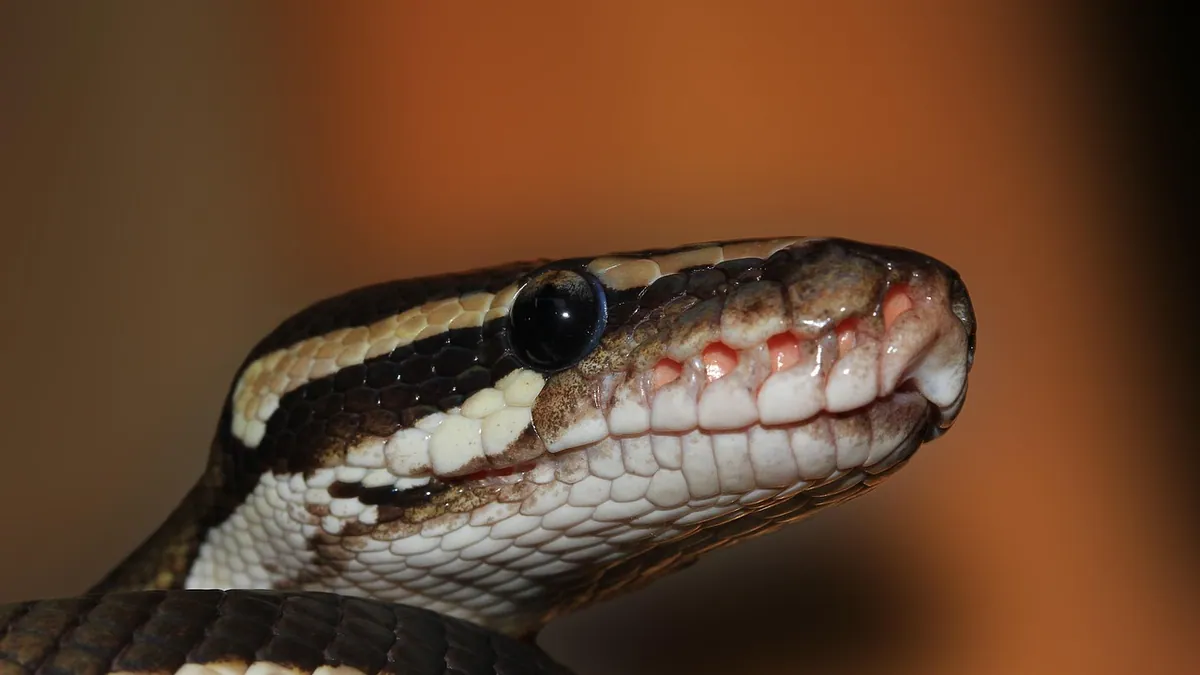
Hissing from a ball python is almost always a warning, not a sign of aggression for its own sake. Your snake is telling you it feels threatened, stressed, or unwell, and it wants space. If the sound is new, repeated, or comes with breathing trouble, it can also point to a respiratory problem that needs a veterinarian.
This article is educational and is not a substitute for veterinary diagnosis or treatment.
Quick Answer
- A single hiss when you reach into the enclosure is normal defensive behavior and usually means your snake is startled or feels cornered.
- Hissing that happens at rest, with an open mouth, mucus, wheezing, or bubbles around the nose, is more likely a medical problem than a behavioral one.
- Most defensive hissing stops once the snake feels secure, so review handling, hides, temperature, and humidity before assuming illness.
- Never punish a hissing snake. Hitting, tapping, or rough handling increases stress and makes biting more likely.
- If hissing comes with labored breathing, a gaping mouth, or refusal to eat for more than a few weeks, contact an exotic veterinarian.
Why Is My Ball Python Hissing? Normal Reasons First
Hissing is a non-vocal sound made by forcing air through the airway, and it is a common threat or defense signal across many animals [1]. In snakes, a hiss is essentially a warning shot. It says "back off" before the animal escalates to a strike.
Defensive hissing
This is the most common reason a pet ball python hisses. Ball pythons are naturally shy and spend much of their time hiding. When something large (your hand) enters their space, especially in published veterinary research, they may hiss as a reflex.
Typical defensive hissing looks like this:
- It happens when you open the enclosure, reach in, or pick the snake up.
- The snake may also pull its head back into an S-shape or flatten slightly.
- The hiss is short and stops once the snake is left alone.
- It is more common in newly acquired snakes, juveniles, or snakes that have not been handled much.
Stress and feeling exposed
A ball python with nowhere to hide feels vulnerable. If the enclosure lacks proper hides, if the snake is in a high-traffic room, or if the temperature is wrong, it may hiss more often. Fixing the environment often reduces the behavior.
Shedding and discomfort
A snake in shed has cloudy eyes and reduced vision, which makes it jumpy. Hissing during this period is common. Handling a snake in blue is more likely to trigger a defensive response. If shed is incomplete, see this guide on Ball Python Stuck Shed Help.
Feeding response confusion
Sometimes a snake in feeding mode hisses or huffs when it expects food but gets a hand instead. This is not true aggression. It is a mix of excitement and startle. Using tongs and a consistent feeding routine reduces this confusion.
Medical Causes to Rule Out
Not every hiss is behavioral. Some sounds that owners describe as hissing are actually respiratory noises, and those need medical attention.
Respiratory infection
Respiratory disease is the most important medical cause to consider. Signs include:
- Wheezing, whistling, or crackling sounds when the snake breathes.
- Bubbles or mucus around the nostrils or mouth.
- Open-mouth breathing or a persistently gaping mouth.
- Stretching the neck upward to breathe.
- Lethargy, poor appetite, or weight loss.
A hiss that occurs at rest, without you approaching, is more suspicious for illness than a hiss triggered by handling. Respiratory infections in ball pythons are often linked to low temperatures, low humidity, or dirty enclosure conditions. For a deeper look, read Ball Python Respiratory Infections: Symptoms, Humidity Control, and Veterinary Care and Ball Python Care: Respiratory Infection Symptoms & Antibiotic Protocol.
Stuck shed in the nostrils
Retained shed around the nose can partially block the airway and create whistling or rasping sounds that mimic a hiss. Check the head after each shed. Gentle soaking and correct humidity usually help, but do not pick at the nostrils with tools.
Mouth or airway injury
A foreign object, a bite wound, or trauma inside the mouth can change how air moves and produce abnormal sounds. Any swelling, bleeding, or foul odor from the mouth needs veterinary evaluation.
Thermal burns
Burns from unregulated heat sources can cause swelling and tissue damage that affects breathing and behavior. A snake in pain may hiss more and act defensively. See Ball Python Care: Thermal burns treatment and enclosure correction if you suspect a burn.
When Hissing Becomes a Problem
Hissing itself is not a disease. The question is whether it is a normal warning or a sign that something is wrong.
It becomes a problem when:
- The snake hisses every time you enter the room, even when you are not touching it.
- Hissing is paired with striking, biting, or constant defensive posturing.
- The sound happens during breathing at rest.
- Your snake stops eating, loses weight, or becomes unusually inactive.
- The behavior is getting worse over days or weeks instead of improving.
A snake that hisses once and then calms down is usually fine. A snake that hisses constantly, or that sounds congested, is not.
What to Do Step by Step
1. Stop and observe before you handle
Do not reach in immediately after a hiss. Step back and watch for a minute. Note whether the snake is hissing at you or breathing noisily on its own. This single step separates most behavioral cases from medical ones.
2. Check the basics of the enclosure
Review these items:
- Temperature gradient: a warm side and a cool side, with a hide on each.
- Humidity: appropriate for a ball python, with a humid hide available.
- Substrate: clean, dry, and free of mold or waste buildup.
- Hides: at least two, snug enough that the snake feels secure.
- Location: a quiet area away from heavy foot traffic and loud noise.
3. Improve handling technique
- Approach from the side, not in published veterinary research.
- Support the body with both hands.
- Keep sessions short at first, then build up over time.
- Handle less often during shed.
- Wash your hands and use tongs for feeding so your hand is not associated with food.
4. Add enrichment
Enrichment reduces stress and defensive behavior. Provide climbing branches, cork bark, and the option to explore a safe, supervised area. A snake with more to do is often calmer when handled.
5. Give the snake choice
If your snake hisses, end the interaction. Let it retreat to a hide. Over time, this teaches the snake that hissing is not needed because you respect its signals. Forcing handling after a hiss makes the behavior stronger.
6. Keep records
Track when the hissing happens, what you were doing, and whether any other signs are present. This information helps your veterinarian decide whether the cause is behavioral or medical.
What Not to Do
Do not punish the snake
Never tap, flick, spray, or shake a hissing snake. Punishment does not teach a snake to stop hissing. It teaches the snake that hands are dangerous, which increases defensive behavior and biting.
Do not assume it is "just aggression"
Ball pythons are not aggressive by nature. They are defensive. If your snake is hissing often, something in its environment or health is driving the behavior.
Do not handle during a hiss
Picking up a hissing snake to "show it who is boss" is a common mistake. It confirms to the snake that its warning does not work, so it may skip the hiss and bite next time.
Do not ignore breathing sounds
Some owners dismiss a wheeze or whistle as a "personality quirk." A snake that sounds congested may have a respiratory infection that worsens without treatment.
Do not use home remedies for respiratory signs
There is no safe home treatment for a bacterial respiratory infection. A veterinarian needs to examine the snake and decide on appropriate care. The dose of any medication is calculated by the veterinarian based on your snake's weight and health.
When to Involve a Veterinarian or Behavior Professional
Call an exotic veterinarian if:
- The hissing is new and persistent.
- You see mucus, bubbles, or open-mouth breathing.
- The snake is not eating or is losing weight.
- There is any swelling, wound, or burn.
- The behavior does not improve after you correct the enclosure and handling.
A certified behavior professional can help if your snake is healthy but shows severe, ongoing defensive behavior that does not respond to environmental changes. In most cases, though, a veterinary exam comes first to rule out pain or illness.
Limitations and When to Contact a Veterinarian
This article cannot tell you whether your specific snake is hissing from stress or from disease. That requires a hands-on examination. Individual cases need a veterinarian.
Contact a veterinarian the same day if you notice:
- Open-mouth breathing at rest.
- Mucus or bubbles from the nose or mouth.
- Wheezing or crackling sounds with every breath.
- A sudden change in behavior, such as a normally calm snake hissing and striking repeatedly.
Seek emergency care now if:
- Your snake is gasping or breathing with obvious effort.
- The mouth is held open continuously and the snake cannot close it.
- There is bleeding, a severe burn, or a prolapse.
- The snake is unresponsive or limp.
Schedule a routine visit if:
- Hissing has increased gradually over weeks.
- Appetite has dropped but the snake is still active.
- You are unsure whether the sound is a hiss or a wheeze.
Frequently Asked Questions
Does hissing mean my ball python is aggressive?
No, hissing is a warning, not aggression. Ball pythons hiss when they feel threatened, stressed, or unwell. Most will calm down once they feel secure and are handled gently.
Can a ball python hiss without opening its mouth?
Yes, a hiss is produced by air moving through the airway and does not require an open mouth. If the mouth is open while the snake breathes, that is a separate sign that needs veterinary attention.
Is hissing a sign of a respiratory infection?
Sometimes. A hiss triggered by handling is usually behavioral. Breathing sounds at rest, especially with mucus or open-mouth breathing, point more toward infection and should be checked by a veterinarian.
Will my ball python stop hissing if I handle it more?
Not necessarily. Handling a stressed snake more often can make the behavior worse. Fix the enclosure, reduce stress, and let the snake choose to retreat. If the behavior continues, have a veterinarian rule out illness.
Should I be worried if my ball python hisses only at night?
Nighttime activity is normal for ball pythons, so a hiss at night may simply reflect a startle or a feeding response. If the hissing happens with breathing trouble, appetite loss, or lethargy, it is worth a veterinary visit.
Related Articles
- Ball Python Respiratory Infections: Symptoms, Humidity Control, and Veterinary Care
- Ball Python Stuck Shed Help
- Ball Python Care: Respiratory Infection Symptoms & Antibiotic Protocol
- Ball Python Care: Thermal burns treatment and enclosure correction
- Ball Python Respiratory Infection: Wheezing, Mouth Rot and Antibiotics
- Why Is My Ball Python Making a Squeaking Noise?
- Why Is My Ball Python Drooling? Causes and Red Flags
- My Ball Python Bit Me: Why It Happens and What to Do
References
- Avian hissing sounds: occurrence, mechanism, ontogeny, function and phylogeny. Royal Society open science, 2025.