Why Is My Ball Python Opening Its Mouth? Causes
By Dr. Zubair Khalid, DVM, MS, PhD ·
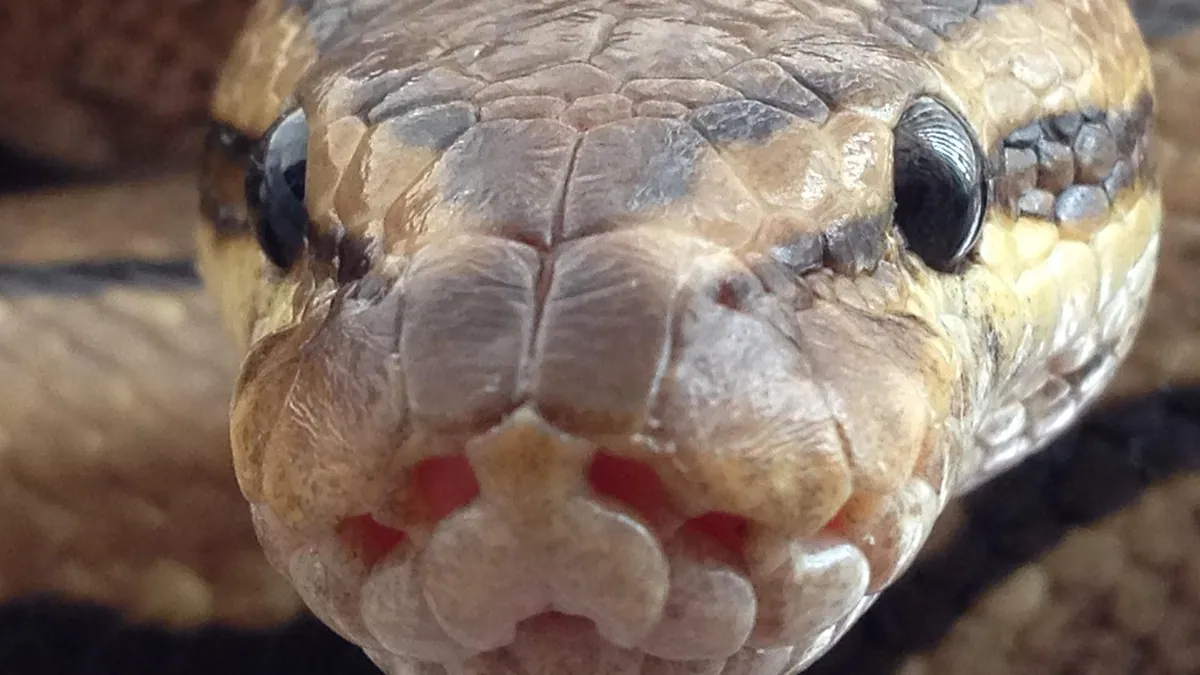
Why is my ball python opening his mouth? In most cases, a single wide yawn after eating or before shedding is completely normal. But if your ball python keeps opening his mouth, or is opening and closing it repeatedly with bubbles, mucus, or a tilted head, that points toward a respiratory infection or mouth rot and needs a veterinary visit.
This article is educational and is not a substitute for veterinary diagnosis or treatment.
Quick Answer
- A one-time, wide, slow yawn that lasts a few seconds and ends with the mouth snapping shut is normal, especially after a meal or during a shed.
- Repeated gaping, open-mouth breathing at rest, or a mouth that stays cracked open for minutes at a time is not normal and usually means illness.
- Bubbles, stringy mucus, wheezing, clicking, or a raised head are the classic signs of a respiratory infection.
- Check your temperatures and humidity first, because poor husbandry is a leading driver of pneumonia in captive reptiles [1].
- Any snake that is gaping, lethargic, and refusing food should see an exotic veterinarian promptly, not in a few weeks.
What Mouth Opening Looks Like in a Ball Python
Normal yawning
Ball pythons yawn. The jaw unhinges wide, the snake holds it for two to five seconds, and then the mouth closes cleanly. You may see this after a meal while the snake realigns its jaws, before a shed when the skin around the mouth feels tight, or when the snake is simply waking up. A normal yawn is a single event. Your snake then goes back to behaving normally: tongue flicking, exploring, hiding on its usual schedule.
Normal thermoregulation and "gaping"
Some snakes sit with the mouth slightly open to cool down, similar to a dog panting. This is uncommon in ball pythons compared with other species, and it should only happen briefly when the enclosure is too warm. If your ball python is holding its mouth open for long stretches at normal temperatures, that is not thermoregulation. It is a sign something is wrong.
What abnormal opening looks like
Abnormal mouth opening has a different quality. The mouth may stay cracked open for minutes. You may see the snake open and close the mouth in a rhythmic way, over and over. There may be visible mucus, bubbles at the lip line, or a wet, shiny look around the mouth. The snake may hold its head up high, stretch the neck forward, or tilt the head to one side. Some snakes click or wheeze when they breathe. Others have swelling, redness, or dark crusty material along the gum line.
Why Is My Ball Python Opening His Mouth? The Main Causes
| Cause | Typical clues | How urgent |
|---|---|---|
| Normal yawn | Single event, lasts seconds, normal behavior afterward | Not urgent |
| Respiratory infection (pneumonia) | Repeated gaping, bubbles, mucus, wheezing, clicking, raised head, lethargy, appetite loss | Urgent, see a vet within days |
| Mouth rot (stomatitis) | Swelling, redness, pus or cheesy material along the gums, drooling, reluctance to eat | Urgent, see a vet within days |
| Stress or defensive gaping | Hissing, striking posture, S-shaped neck, happens when handled or approached | Not a disease, but review handling and enclosure |
| Overheating | Mouth held open, snake pressed against cool side, hot spot too warm | Fix temperatures now, monitor closely |
| Shedding | Mouth opening and rubbing during a shed cycle, dull eyes, dull skin | Not urgent unless it persists after the shed |
| Foreign body or oral mass | Visible object, swelling, bleeding, one-sided drooling | Urgent, same-day if the snake cannot close its mouth |
| Parasites | Weight loss, poor appetite, visible worms, oral discharge | Urgent, needs veterinary testing |
Respiratory infection
This is the most common serious reason a ball python keeps opening its mouth. Respiratory disease is a leading cause of illness and death in captive reptiles, and pneumonia is frequently seen in pet reptiles kept in poor conditions [1]. Bacteria such as Chryseobacterium indologenes, Staphylococcus epidermidis, Escherichia coli, and Pseudomonas aeruginosa have been isolated from the lower respiratory tracts of ball pythons showing pneumonia signs [1]. These bacteria can act as primary pathogens or make existing disease worse [1].
The mechanics are simple. A snake with fluid or mucus in the airways cannot breathe through its nose, so it opens its mouth to move air. That is why gaping is such a strong warning sign. If you also hear wheezing or clicking, or see bubbles at the nostrils, the odds of a respiratory infection go up sharply. You can read more about the full set of signs in Ball Python Respiratory Infection: Wheezing, Mouth Rot and Antibiotics and Ball Python Respiratory Infections: Symptoms, Humidity Control, and Veterinary Care.
Mouth rot (stomatitis)
Mouth rot is an infection of the oral cavity. Oral exams in reptiles commonly reveal stomatitis, abscesses, or foreign bodies caused by bacterial infections [2]. Early mouth rot can look like a small red or swollen spot on the gum. As it progresses, you may see pus, a cheesy discharge, or dark crusting along the lip and gum line. The snake may drool, refuse food, or open the mouth repeatedly because the tissue is painful and swollen. Diagnosis involves clinical and laboratory assessment, and treatment focuses on supportive care and preventing secondary infections [2]. Proper husbandry and regular veterinary checks are the foundation of prevention [2].
Stress, defensive behavior, and handling
A frightened ball python may open its mouth as a warning. This usually comes with hissing, a tightly coiled S-shaped neck, and a quick strike if you keep pushing. This is behavior, not disease. If your snake only gapes when you reach into the enclosure or pick it up, and it looks completely normal the rest of the time, stress is the likely cause.
Overheating
If the hot spot in the enclosure is too warm, a ball python may sit with its mouth open and press itself against the cool side. Check your thermostat and your thermometer readings. A snake that cannot escape the heat can overheat quickly.
Shedding
During a shed cycle, the skin around the mouth tightens. Some snakes open and close the mouth or rub their faces to loosen it. This is temporary. If the mouth stays open after the shed is complete, treat it as abnormal.
Oral masses and foreign objects
Not every oral problem is infectious. Oral masses occur in reptiles, and a case of a localized histiocytic sarcoma has been documented in a leopard gecko, with a firm mass extending from the oropharyngeal region [3]. This is rare, but it shows that growths in the mouth are possible. Substrate, shed skin, or other material can also lodge in the mouth. Any visible lump, bleeding, or object in the mouth needs a veterinarian.
Parasites
Parasites are a major and often overlooked health concern in reptiles [4]. In one documented case, a wild-caught rat snake died in quarantine, and afterward the owner saw a parasite emerging from the snake's mouth, with a high-grade infection confirmed at necropsy [4]. This case also shows how imported reptiles can carry parasites when pre-import health screening is inadequate [4]. Oral parasites in ball pythons are uncommon, but unexplained weight loss, poor appetite, or visible worms should prompt testing.
Red Flags That Make It an Emergency
Call an exotic veterinarian right away if you see any of these:
- The mouth stays open and the snake cannot close it.
- Heavy bubbling, thick mucus, or a wet, gurgling sound when breathing.
- Open-mouth breathing combined with a raised head and stretched neck.
- Blue or gray color inside the mouth instead of healthy pink.
- Bleeding from the mouth or a visible mass.
- Severe lethargy, no tongue flicks, or a snake that does not respond to touch.
- A snake that has not eaten for several weeks and is now gaping.
These signs mean the snake is struggling to breathe or has significant oral damage. Waiting a week to "see if it improves" is risky.
Safe Things You Can Do at Home While You Wait
You cannot treat a respiratory infection or mouth rot at home. What you can do is stabilize the environment and reduce stress until your appointment.
- Check your temperatures. Confirm the warm side, cool side, and hot spot with a reliable thermometer, not just a dial gauge.
- Review humidity. Low humidity dries the airways and worsens shedding problems. High humidity with poor ventilation encourages bacterial growth.
- Clean the enclosure. Remove soiled substrate and disinfect water bowls. Poor hygiene is one of the key factors behind pneumonia in captive reptiles [1].
- Raise the ambient temperature slightly within the safe range for the species. A snake that is too cool cannot fight infection well.
- Keep handling to a minimum. Every handling session costs the snake energy it needs for healing.
- Do not use leftover antibiotics, human medications, or essential oils. Some plant extracts have shown antibacterial activity against bacteria isolated from ball pythons with respiratory infections in laboratory testing [1], but that does not make them safe or effective treatments at home. Dosing and safety are decided by a veterinarian.
- Offer food only if the snake is alert and breathing normally. A snake in respiratory distress should not be fed.
If your snake regurgitates during this period, stop feeding and read Ball Python Care: Regurgitation causes and refeeding protocol before you try again.
What Your Veterinarian Will Check and Test
An exotic veterinarian will start with a full physical exam. They will look inside the mouth for swelling, pus, foreign material, or masses, since oral exams are the standard way to find stomatitis, abscesses, and foreign bodies [2]. They will listen to the lungs and watch the breathing pattern.
Testing may include:
- A mouth or tracheal swab to identify bacteria and guide antibiotic choice.
- A culture and sensitivity test, since different bacteria respond to different drugs [1].
- Blood work to check organ function and infection markers.
- Imaging if a mass, fluid, or deep infection is suspected.
- Fecal testing if parasites are a concern [4].
Treatment usually combines antibiotics, supportive care, and correction of the enclosure. Your veterinarian calculates every dose from your snake's weight and health status, so never use a dose from a forum or an old bottle.
Prevention and Monitoring
Prevention is mostly about husbandry. Pneumonia in captive reptiles is closely tied to inadequate housing, poor nutrition, and insufficient hygiene [1]. Get those three right and you remove most of the risk.
- Set and verify a proper temperature gradient with a thermostat.
- Maintain species-appropriate humidity and good ventilation.
- Clean and disinfect regularly, and replace soiled substrate promptly.
- Quarantine any new snake away from your collection for at least several months, since imported reptiles can carry parasites and other problems even when they look healthy [4].
- Weigh your snake monthly. A slow drop in weight is an early clue.
- Watch the mouth during handling. A quick look at the gums and lip line takes seconds and catches problems early.
- Schedule routine veterinary checks, which are a core part of reptile preventive care [2].
If you breed ball pythons, keep health records for every animal and review Ball Python Breeding: Genetics, Pairing, and Incubation so that stress and conditioning do not stack up with illness.
Limitations and When to Contact a Veterinarian
This article cannot tell you what is wrong with your individual snake. Only a veterinarian who examines your ball python can do that. Use the timing below as a guide.
Emergency now: the mouth is stuck open, the snake is gasping, there is heavy mucus or bleeding, or the snake is unresponsive. Go to an exotic emergency clinic.
Same day or next day: repeated gaping, open-mouth breathing at rest, bubbles, wheezing, clicking, drooling, or visible swelling in the mouth.
Routine visit within a week: a single yawn with no other signs, mild appetite changes, or a shed-related mouth opening that resolves on its own. Mention it at your next checkup, and call sooner if anything changes.
Frequently Asked Questions
Is it normal for a ball python to open its mouth?
Yes, a single wide yawn is normal, especially after eating or during a shed. The problem is repetition. If the mouth opens and closes again and again, or stays open for long periods, that is abnormal and needs a veterinary look.
Why is my ball python opening and closing his mouth over and over?
Repeated opening and closing usually means the snake is trying to clear its airway or relieve pain in the mouth. Respiratory infection and mouth rot are the two most common explanations. A veterinarian can examine the mouth and airways and run tests to tell them apart.
Can I treat a respiratory infection at home?
No. You can improve temperatures, humidity, and cleanliness, but you cannot cure a bacterial infection without veterinary care. Some bacteria found in ball pythons with respiratory infections respond differently to different antibiotics, which is why culture testing matters [1]. Your veterinarian will choose and dose the right drug.
How do I know if my ball python has mouth rot?
Look for redness, swelling, pus, or cheesy material along the gums and lip line, along with drooling or a refusal to eat. Oral exams are how veterinarians identify stomatitis, abscesses, and foreign bodies in reptiles [2]. If you see any of these signs, book an appointment.
Will my ball python's mouth opening go away on its own?
A normal yawn goes away on its own in seconds. Gaping caused by infection does not resolve without treatment and usually gets worse. If the behavior has lasted more than a day or comes with any breathing changes, assume it needs veterinary care.
Related Articles
- Ball Python Respiratory Infection: Wheezing, Mouth Rot and Antibiotics
- Ball Python Respiratory Infections: Symptoms, Humidity Control, and Veterinary Care
- Ball Python Care: Regurgitation causes and refeeding protocol
- Ball Python Breeding: Genetics, Pairing, and Incubation
- Ball Python Care: Respiratory Infection Symptoms & Antibiotic Protocol
- Why Is My Snake Not Eating? Causes and Solutions
- Why Is My Ball Python Drooling? Causes and Red Flags
- Why Is My Ball Python Making a Squeaking Noise?
- Why Is My Ball Python Rubbing Its Face?
References
- Antibacterial Activity of Some Essential Oils/Herbal Extracts Against Bacteria Isolated from Ball Pythons (Python regius) with Respiratory Infections. Antibiotics (Basel, Switzerland), 2025.
- Oral Cavity Disorders in Reptiles. The veterinary clinics of North America. Exotic animal practice, 2025.
- Localized oral histiocytic sarcoma in a leopard gecko (Eublepharis macularius). The Journal of veterinary medical science, 2026.
- First report on a Raillietiella orientalis and Kalicephalus sp. co-infection in a wild-caught red-tailed green rat snake (Gonyosoma oxycephalum). International journal for parasitology. Parasites and wildlife, 2026.