Why Is My Ball Python Glass Surfing? Reptile Behavior Guide
By Dr. Zubair Khalid, DVM, MS, PhD ·
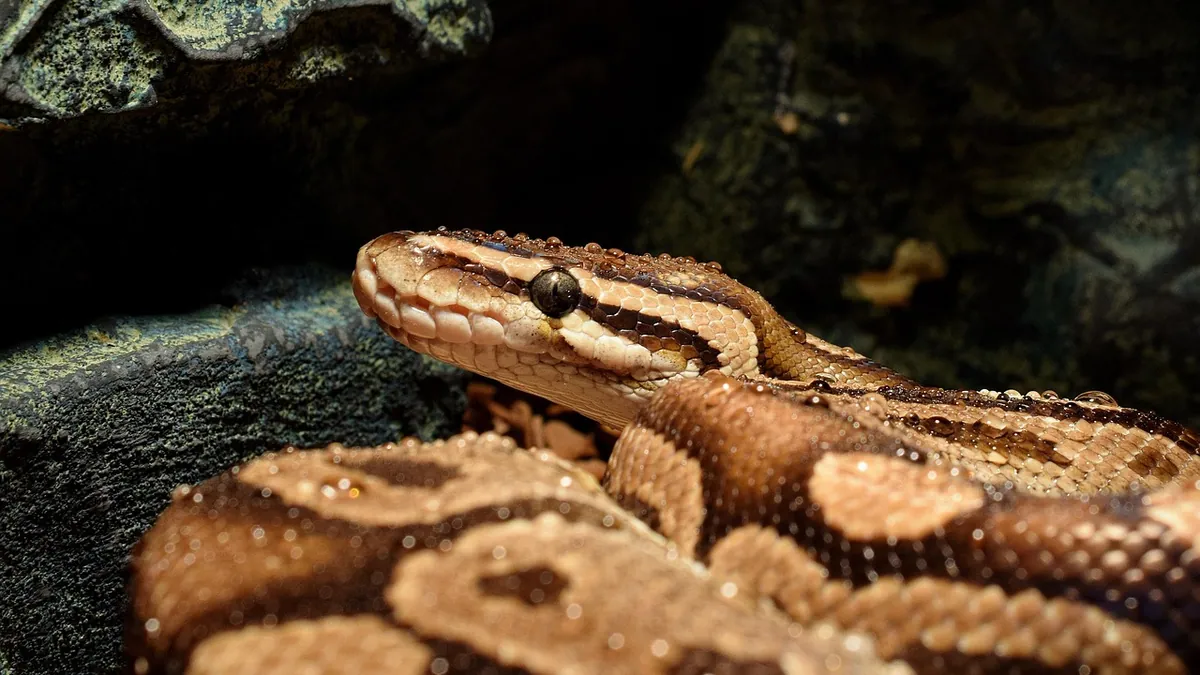
Glass surfing in ball pythons is repeated rubbing, pushing, or climbing along the enclosure glass. It usually means something in the setup is off, such as temperatures, humidity, hides, or space. Sometimes it points to pain, parasites, or illness. This article is educational and is not a substitute for veterinary diagnosis or treatment.
Quick Answer
- Glass surfing is not a normal, healthy daily behavior for a ball python. It is a stress or escape response.
- Check your temperature gradient and humidity first. Most cases trace back to an enclosure problem.
- Look for physical signs of trouble, including rostral (nose) scale damage, wheezing, mites, or weight loss.
- Fix the environment before you try training or handling changes. A stressed snake will not settle until the setup is right.
- If surfing continues after corrections, or your snake has visible injuries or breathing problems, see a reptile veterinarian.
Why Is My Ball Python Glass Surfing?
Ball pythons are secretive, ground-dwelling snakes. In the wild they spend most of their time in termite mounds, burrows, and leaf litter. A ball python pressed against the glass, pushing upward, or pacing the same path is trying to get somewhere. That somewhere is usually a better microclimate.
Normal Reasons First
Not every trip along the glass is a problem. A hungry, healthy ball python may become more active on feeding day. A male may roam more during breeding season. A snake that just shed may move around more for a day or two. These short bursts of activity are usually easy to spot because they stop once the trigger passes.
Young ball pythons also explore more than adults. A juvenile that cruises the glass for a few minutes after you change the water bowl is not necessarily stressed. The behavior becomes a concern when it is repetitive, lasts for hours, happens daily, or comes with other signs of trouble.
Enclosure Problems Are the Most Common Cause
Reptile welfare assessment frameworks built for private keepers look at environment, nutrition, physical health, and behavior together [1]. When one of those areas fails, behavior often changes first. Glass surfing is one of the clearest behavioral signals a keeper can catch early.
Common enclosure triggers include:
- Temperatures that are too high or too low. A ball python needs a warm side and a cool side so it can choose. If the whole enclosure is one temperature, the snake cannot thermoregulate.
- Humidity that is too low or too high. Low humidity causes bad sheds and respiratory irritation. Constant wet conditions can lead to skin problems.
- Too few hides or hides that are too large. A ball python wants a tight, dark hide. Open space feels exposed.
- A tank that is too small or too tall. Ball pythons are not arboreal. A tall glass tank with open air above them can feel unsafe.
- High traffic or bright light. A snake in a busy hallway or next to a window may surf to find cover.
- Poor substrate. The wrong bedding can hold too little or too much moisture. For help choosing, see Ball Python Substrate Selection: Evaluating Safety, Humidity Retention, and Ease of Cleaning.
Stress and Handling
Handling is a common hidden stressor. Research on zoo snakes found that handling during visitor interactions increased inactive behavior and time spent out of sight, which suggests the snakes were avoiding interaction after being handled [2]. Your snake may not show obvious fear, but repeated handling can still push stress behavior like glass surfing.
Other stress sources include new arrivals, cage mates, loud noises, and predators in the room such as cats or dogs. Ball pythons should be housed alone. Group housing is a frequent cause of chronic stress.
Medical Causes to Rule Out
If the enclosure looks correct and the behavior continues, think health. A sick snake may surf because it is uncomfortable, not because it wants out.
Problems to consider:
- Respiratory infection. Look for wheezing, bubbling around the mouth, or open-mouth breathing.
- Mites or ticks. Check around the eyes, under the chin, and in the vent area.
- Stuck shed. Retained eye caps or shed around the nose can cause rubbing.
- Rostral scale damage. Repeated pushing on glass or screen can wear down the nose scales and lead to infection.
- Parasites or gastrointestinal illness. These can cause pain and restlessness.
- Mouth rot or abscess. Swelling around the jaw can make a snake pace.
- Neurological problems. Wobble or head tremors in some morphs can look like odd movement.
Environmental stressors do not act alone. A review of reptile and amphibian physiology found that temperature, water stress, disease, and pollution can interact and compound each other [3]. In a home enclosure, that means a snake that is slightly too warm and slightly dehydrated may decline faster than either problem alone would suggest.
When Glass Surfing Becomes a Problem
Occasional activity is fine. Glass surfing is a welfare concern when it is:
- Happening for hours most days
- Causing visible nose or face damage
- Paired with refusing food or weight loss
- Paired with abnormal breathing, drooling, or lethargy
- Happening even after you correct temperature, humidity, and hides
- Replacing normal hiding and resting behavior
A snake that never hides is not relaxed. Ball pythons that feel secure spend most of their time out of sight.
What to Do Step by Step
Step 1: Measure the Enclosure
Use a digital thermometer and hygrometer, not a stick-on dial. Check the warm side, cool side, and inside the main hide. Check at night too, since temperatures can drop.
Step 2: Fix the Temperature Gradient
Ball pythons need a warm area for digestion and a cooler area for resting. Digestion in reptiles is tied to body temperature, and cardiac function changes with temperature during digestion [4]. A snake that cannot reach its preferred temperature may pace the enclosure looking for warmth.
Step 3: Correct Humidity
Low humidity causes stuck shed and respiratory irritation. Add a humid hide with damp sphagnum moss. Cover part of the screen top to hold moisture. Do not soak the whole enclosure.
Step 4: Add Cover and Clutter
Add at least two hides, one on the warm side and one on the cool side. Add fake plants, cork bark, and leaf litter. The goal is that your snake can move from one end to the other without being seen.
Step 5: Reduce Traffic and Light
Move the enclosure away from busy areas. Use a dark background on three sides. Keep the room quiet at night.
Step 6: Review Handling
Cut handling to short, calm sessions. Avoid handling for 48 hours after feeding and during shed. If your snake surfs more after handling, reduce it further.
Step 7: Check the Basics of Feeding
A hungry snake may surf. Review prey size, feeding schedule, and whether your snake is actually eating. If your ball python is refusing meals, see Ball Python Feeding Guide and Refusing to Eat.
Step 8: Consider a Bioactive or Naturalistic Setup
A more natural enclosure with live plants and a proper soil mix can improve humidity and give your snake more cover. For details, see Bioactive Ball Python Enclosures: Soil Mixes, Live Vegetation, and Mold Prevention.
Other Reptiles That Glass Surf
Owners of other species search this question too. The behavior looks similar, but the causes differ.
Why Is My Turtle Glass Surfing?
Turtles surf for space, water quality, and basking needs. Check water temperature, filtration, and whether the basking platform is large enough. A turtle that paces the glass may be too cold or living in dirty water. Some turtles also surf when they see their reflection and mistake it for another turtle.
Why Is My Tortoise Glass Surfing?
Tortoises surf when the enclosure is too small, too hot, or too dry. They also pace when they can see out but cannot get out. A tortoise needs a large floor area, deep substrate for digging, and a proper temperature gradient. Some species pace more during breeding season.
Why Is My Axolotl Glass Surfing?
Axolotls are amphibians, not reptiles, but the behavior looks the same. Axolotls surf when water parameters are off, especially ammonia, nitrite, or temperature. They also surface more when oxygen is low. Check your water test results and temperature before assuming the behavior is normal.
What Not to Do
- Do not tap the glass. This adds stress and can injure your snake's nose.
- Do not punish the behavior. Snakes do not learn from punishment. They learn from consistent, safe environments.
- Do not assume it is "just a phase." Long-term glass surfing is a welfare problem.
- Do not add a cage mate to keep your snake company. Ball pythons are solitary. Another snake adds stress.
- Do not skip a vet visit because the snake is still eating. Snakes hide illness well.
- Do not use a heat rock. Heat rocks cause burns. Use a thermostat-controlled heat source instead.
- Do not trust old myths about "glass surfing means they want attention." Ball pythons do not seek attention the way a dog does.
Limitations and When to Contact a Veterinarian
This guide covers common causes, but every snake is an individual. A veterinarian who treats reptiles needs to examine your pet to diagnose and treat medical problems.
Contact a reptile veterinarian the same day if you see:
- Open-mouth breathing, wheezing, or mucus around the nose or mouth
- Bleeding or open sores on the nose or face
- Sudden weight loss or refusal to eat for more than a few weeks
- Swelling around the jaw, eyes, or vent
- Mites or ticks you cannot clear with proper treatment
- Tremors, wobble, or loss of coordination
Go to an emergency clinic now if your snake is unresponsive, has trouble righting itself, or is gasping. These are emergencies.
Schedule a routine visit if glass surfing continues after you fix the enclosure, or if you are unsure whether the setup is correct. A vet can check for parasites, infection, and dehydration, and can review your husbandry.
Frequently Asked Questions
Is glass surfing always a sign of stress?
No, short bursts of activity can be normal, especially around feeding or shedding. The behavior is a concern when it is repetitive, lasts for hours, or comes with other symptoms. A relaxed ball python hides most of the time.
Can a ball python hurt itself by glass surfing?
Yes. Repeated pushing against glass or screen can wear down the rostral scales on the nose. That damage can become infected and may need veterinary care. Check your snake's face weekly if the behavior continues.
Does a bigger enclosure stop glass surfing?
Sometimes, but size alone is not the answer. A large enclosure with poor temperatures, low humidity, and few hides can make surfing worse. Fix the microclimate and cover first, then consider a larger enclosure.
Should I handle my ball python more to calm it down?
No. More handling usually adds stress. Research on snakes found that handling increased inactive behavior and hiding [2]. Reduce handling until the enclosure is corrected and your snake is eating and hiding normally.
Can I use a mirror or background to stop the behavior?
A dark background on three sides can reduce reflections and help your snake feel secure. Mirrors are not recommended because they can trigger defensive behavior. Covering the glass on the sides is often more helpful than covering the front.
How long should I wait before seeing a vet?
If you have corrected temperature, humidity, hides, and handling for two weeks and the behavior continues, book a visit. If you see breathing problems, wounds, or weight loss, do not wait. Call the same day.
Related Articles
- Ball Python Care: Overgrown Dental Spurs & Tooth Trimming Guide
- Ball Python Care: Pyramiding & Shell Health Management
- Ball Python Substrate Selection: Evaluating Safety, Humidity Retention, and Ease of Cleaning
- Bioactive Ball Python Enclosures: Soil Mixes, Live Vegetation, and Mold Prevention
- Ball Python Feeding Guide and Refusing to Eat
- Ball Python Morphs and Genetics: A Visual Guide to Popular Color and Pattern Variations
- Why Is My Ball Python Trying to Escape?
- Why Is My Ball Python So Active or Not Active?
- Does My Ball Python Like Being Held? Reading the Signs
References
- Laying the groundwork for reptile welfare assessment in zoos and private keeping: A literature-based proposal. Animal welfare (South Mimms, England), 2025.
- Behavioural Welfare Implications of Human Handling Practices in Zoo Snakes. Veterinary medicine and science, 2026.
- Physiological responses and adaptive mechanisms of amphibians and reptiles to multiple interacting environmental stressors: an integrative review. Frontiers in physiology, 2026.
- Effects of change in temperature on the cardiac contractility of broad-snouted caiman (Caiman latirostris) during digestion. Journal of experimental zoology. Part A, Ecological and integrative physiology, 2021.