Why Is My Bearded Dragon Glass Surfing? Causes and Fixes
By Dr. Zubair Khalid, DVM, MS, PhD ·
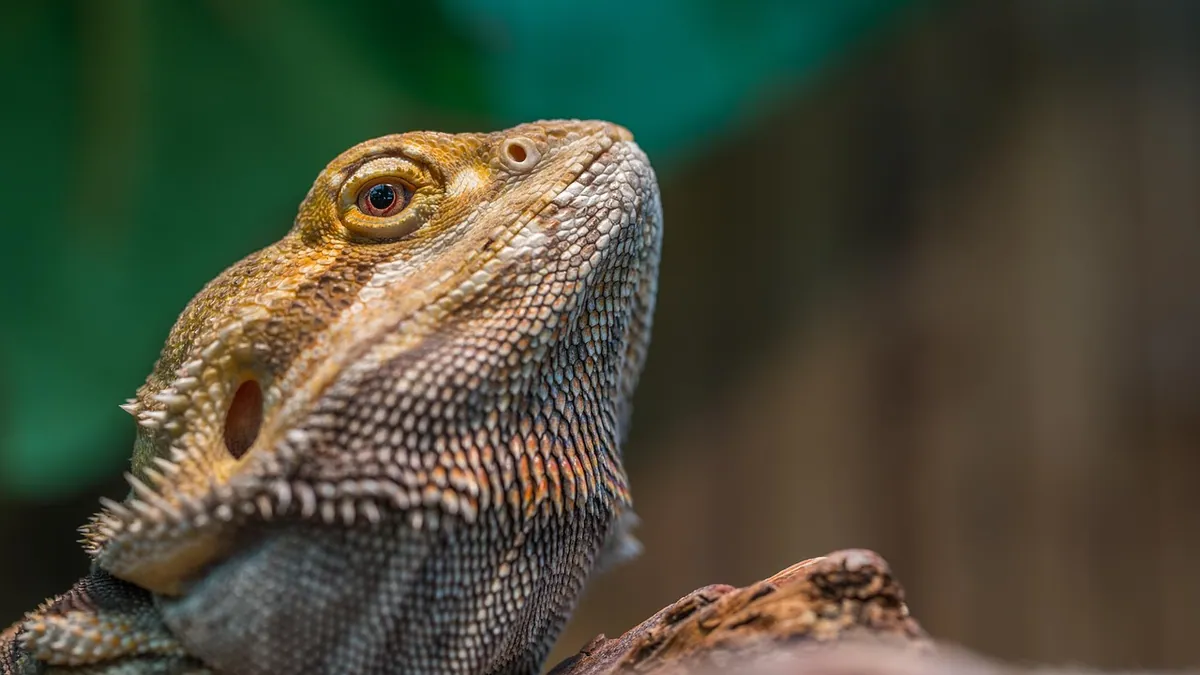
Glass surfing is when a bearded dragon stands against the enclosure glass, scratches at it, and often bobs or paces along the same path. It usually means the tank is too small, too hot, too cool, too bare, or that your dragon sees its own reflection or another dragon. It can also be normal breeding-season restlessness, and in some cases it signals a health problem.
This article is educational and is not a substitute for veterinary diagnosis or treatment.
Quick Answer
- Measure the enclosure first. An adult bearded dragon needs a tank at least 4 feet long and 2 feet deep, and a 4x2x2 foot enclosure is a common minimum. A small tank is the most common cause of constant surfing.
- Check your temperatures with a digital probe or infrared gun at the basking spot, the warm side, and the cool side. If the basking spot is too hot, your dragon will pace the glass trying to escape the heat.
- Cover the lower half of the glass on the sides and back with paper or a background so your dragon stops reacting to its own reflection.
- Add climbing branches, a hide, and a digging box. A bare floor gives a bearded dragon nothing to do but pace.
- Watch for red flags like a black beard, gaping, lethargy, weight loss, or a hard belly. Those need a veterinarian, not a tank tweak.
Why Is My Bearded Dragon Glass Surfing? The Normal Reasons
Most glass surfing is not illness. It is a bearded dragon telling you something about its space, its body, or the season.
The enclosure is too small
This is the number one reason owners see a bearded dragon that keeps glass surfing. Bearded dragons are active lizards that patrol a home range in the wild. In a tank that is too short or too narrow, they run out of room and start pushing at the glass. Juveniles in small grow-out tanks surf more than adults in full-size enclosures. If your dragon can cross its tank in two body lengths, the tank is too small.
Temperature is off
Reptiles regulate their body temperature by moving between warm and cool zones, and they will pace when they cannot find the right spot. A basking surface that is too hot drives a dragon to the coolest corner, which is often the glass. A tank that is too cool overall makes a dragon restless and sluggish at the same time. Thermal stress also stacks with other stressors, and reptiles have limited ability to adjust to rapid temperature swings [1]. Measure your basking spot, warm side, and cool side separately. Do not trust a stick-on dial thermometer.
Reflection and window surfing
If your dragon can see itself in the glass, it may think it is looking at a rival. This is common with a single dragon in a glass tank with no background. The same thing happens when the tank sits next to a window. Your dragon sees movement outside, tries to get to it, and scratches at the glass. Owners often call this window surfing, and it is the same behavior with a different trigger.
Breeding season restlessness
Adult males often surf more in spring and early summer. Females can do it too, especially if they are carrying eggs. This is a seasonal drive to roam and find a mate. It is normal, but it still needs management because a dragon that paces for weeks can rub its snout raw.
Boredom and lack of enrichment
A bearded dragon with one log and a food bowl has nothing to do. Captive animals with predictable environments often develop repetitive pacing, and behavior cycles tied to season and life stage can shift how much an animal moves and paces [2]. Enrichment is not optional for a reptile that is wired to explore.
It wants out
Some dragons learn that surfing gets the door opened. If you take your dragon out every time it scratches, you have trained the behavior. That does not mean you should never handle your dragon. It means the tank still has to meet its needs on its own.
Medical Causes to Rule Out Before You Blame the Tank
Sometimes glass surfing is the first sign that something is wrong. A dragon in pain or discomfort will pace, press against surfaces, or try to escape its enclosure.
Impaction and gut problems
A bearded dragon that cannot pass stool may pace, strain, or press its belly to the glass. Sand, large prey, and low temperatures can all contribute. If your dragon has not pooped in several days, has a hard or swollen belly, or is dragging its back legs, treat it as urgent. Learn the warning signs in Bearded Dragon Impaction: Signs, Causes, and Veterinary Care.
Parasites and infection
Intestinal parasites, respiratory infection, and other illnesses cause restlessness, appetite loss, and weight change. A dragon that surfs and also has runny stool, wheezing, or mucus around the mouth needs a fecal test and an exam. Bearded dragons commonly carry Salmonella in their gut without looking sick, and that germ can spread to people in the household [3]. Wash your hands after every handling session and keep the tank away from food prep areas.
Metabolic bone disease and pain
Low calcium, no UVB, or the wrong UVB bulb can lead to weak bones and discomfort. A dragon in pain may pace, tremble, or avoid climbing. If you see soft jaws, twitching, or trouble walking, book a veterinary visit. General reptile health problems are covered in Bearded Dragon Lifespan and Common Health Problems.
Skin and shedding issues
Stuck shed around the toes, tail, or eyes is itchy and irritating. A dragon may rub against glass to loosen it. Check the toes and tail tip after every shed.
Vision problems
A dragon that suddenly starts surfing at the glass, especially after a bump or a bad shed, may not be seeing well. Any sudden change in behavior deserves a vet call.
When Glass Surfing Becomes a Problem
Occasional surfing is normal. It becomes a welfare problem when it is constant, when it replaces basking and eating, or when it causes injury.
Watch for these signs:
- A rubbed, red, or bleeding snout
- Missing scales or a raw chin from pressing on glass
- Not eating or losing weight
- Not basking, or basking all day without moving
- Pacing in the same loop for hours
- A black beard, hissing, or head bobbing at the glass
- Any change that lasts more than a few days
A dragon that surfs during breeding season for a week or two is different from one that has surfed nonstop for a month. Duration and intensity matter.
What to Do Step by Step
Step 1: Fix the enclosure size and layout
Upgrade to a 4x2x2 foot enclosure or larger for an adult. Add a raised basking platform, a branch for climbing, a cool-side hide, and a digging box with a safe substrate. Give your dragon vertical space too. Bearded dragons climb more than many owners expect.
Step 2: Dial in the temperatures
Set a basking surface in the 95 to 110 F range for adults, with a cooler side in the low 80s F. Use a digital probe thermometer or an infrared temperature gun, not a stick-on gauge. Check the temperatures at noon and again in the evening. If the basking spot is too hot, your dragon will surf the glass to get away from it.
Step 3: Control the light and reflection
Cover the back and side panels with a background or paper. Move the tank away from a window if your dragon window surfs. Keep a clear day and night cycle so your dragon's internal clock stays steady. Captive animals rely on consistent light and seasonal cues for normal behavior, and disrupting those cycles affects welfare [2].
Step 4: Add enrichment that actually works
Rotate items weekly. Try a new branch, a cork bark tube, a safe digging box, or a shallow water dish for soaking. Offer food in a way that makes your dragon work for it, such as placing insects in a few spots instead of one bowl. Handle your dragon on a schedule, not on demand, so surfing does not become the doorbell.
Step 5: Rule out health problems
Book a veterinary exam if the behavior started suddenly, if your dragon is not eating, or if you see any red flag from the list above. A fecal test and a physical exam are cheap compared to a chronic problem. If your dragon has trouble eating or shows mouth issues, see Bearded Dragon Care: Overgrown Dental Spurs & Tooth Trimming Guide.
Step 6: Track the pattern
Keep a simple log for two weeks. Note the time of day, the temperature, whether your dragon ate, and whether it pooped. Patterns show up fast. If surfing only happens in the evening, it may be a heat or light issue. If it happens all spring, it may be breeding season.
What Not to Do
Do not tap the glass, spray your dragon, or cover the tank as punishment. These actions raise stress and can make the behavior worse. Do not assume your dragon is "just bored" and skip the temperature check. Do not add a second dragon to keep it company. Bearded dragons are solitary, and cohabitation causes fighting, stress, and injury.
Do not trust myths that surfing means your dragon wants a bigger tank only, or that it is always a sign of illness. It can be either, and often it is both. Do not use sand or loose substrate as a quick fix for a digging dragon without checking impaction risk first.
When to Call a Veterinarian or Behavior Professional
Call a veterinarian who treats reptiles if your dragon has a black beard that will not fade, is gaping at the glass, is not eating, has lost weight, or has a swollen or hard belly. Call the same day if you see blood on the snout or a wound from rubbing. Call immediately if your dragon is unresponsive, has trouble breathing, or cannot walk.
For behavior that continues after you have fixed the tank, temperatures, lighting, and enrichment, ask your veterinarian for a referral to a certified behavior professional who works with reptiles. Some dragons need a full husbandry review before the behavior resolves.
Limitations and When to Contact a Veterinarian
This article covers common causes, but every dragon is an individual. A veterinarian who examines your pet is the only one who can rule out disease.
Contact a veterinarian the same day for a bleeding or infected snout, a dragon that has stopped eating for more than a couple of days, or sudden weakness. Go to an emergency clinic now for trouble breathing, seizures, a prolapse, or a dragon that cannot right itself. Schedule a routine visit for a new dragon, a behavior change that lasts more than a week, or any concern about growth, shedding, or diet. If you are not sure how urgent it is, call the clinic and describe what you see.
Frequently Asked Questions
Is glass surfing always a sign of stress?
No. Some surfing is normal exploration or seasonal restlessness. It becomes a stress sign when it is constant, when your dragon stops eating or basking, or when it injures its snout.
Can I stop glass surfing by covering the glass?
Covering the lower half of the sides and back often helps because it blocks reflections. Covering the front can make the tank feel closed in, so leave the front clear for viewing and feeding.
Does a bigger tank really fix glass surfing?
It fixes it in many cases, especially when the old tank was too small. A larger enclosure gives your dragon room to thermoregulate and explore, which reduces pacing. Pair it with proper heat and enrichment for the best results.
Why does my bearded dragon surf only at night?
Night surfing often points to a light or heat problem, such as a red or blue bulb left on, or a tank that stays too warm after lights out. Bearded dragons need a dark, cooler night period. Check your setup and remove any night heat source unless your room drops below safe temperatures.
Should I take my dragon out when it surfs?
Not every time. If you do, you teach your dragon that surfing opens the door. Handle your dragon on a set schedule instead, and make sure the tank meets its needs first.
Can glass surfing hurt my bearded dragon?
Yes, if it rubs its snout against the glass for long periods. Snout rubs can become raw, infected, and painful. Fix the cause early to prevent injury.
Related Articles
- Bearded Dragon Impaction: Signs, Causes, and Veterinary Care
- Bearded Dragon Care: Pyramiding & Shell Health Management
- Bearded Dragon Care: Overgrown Dental Spurs & Tooth Trimming Guide
- Bearded Dragon Lifespan and Common Health Problems
- Bearded Dragon Lifespan: What to Expect and How to Maximize It
- Bearded Dragon Black Beard: What It Means and When to Worry
- Why Is My Bearded Dragon Scratching at the Glass? Causes
- Why Is My Bearded Dragon Not Active? Causes and What to Do
- Why Is My Ball Python Glass Surfing? Reptile Behavior Guide
References
- Physiological responses and adaptive mechanisms of amphibians and reptiles to multiple interacting environmental stressors: an integrative review. Frontiers in physiology, 2026.
- Understanding Circadian and Circannual Behavioral Cycles of Captive Giant Pandas (Ailuropoda melanoleuca) Can Help to Promote Good Welfare. Animals : an open access journal from MDPI, 2023.
- Salmonella-specific phages from captive bearded dragons (Pogona vitticeps): temperate traits and temperature-dependent variability in inhibition across isolates. Journal of applied microbiology, 2026.