Why Is My Ball Python Curled Up or Looking Up?
By Dr. Zubair Khalid, DVM, MS, PhD ·
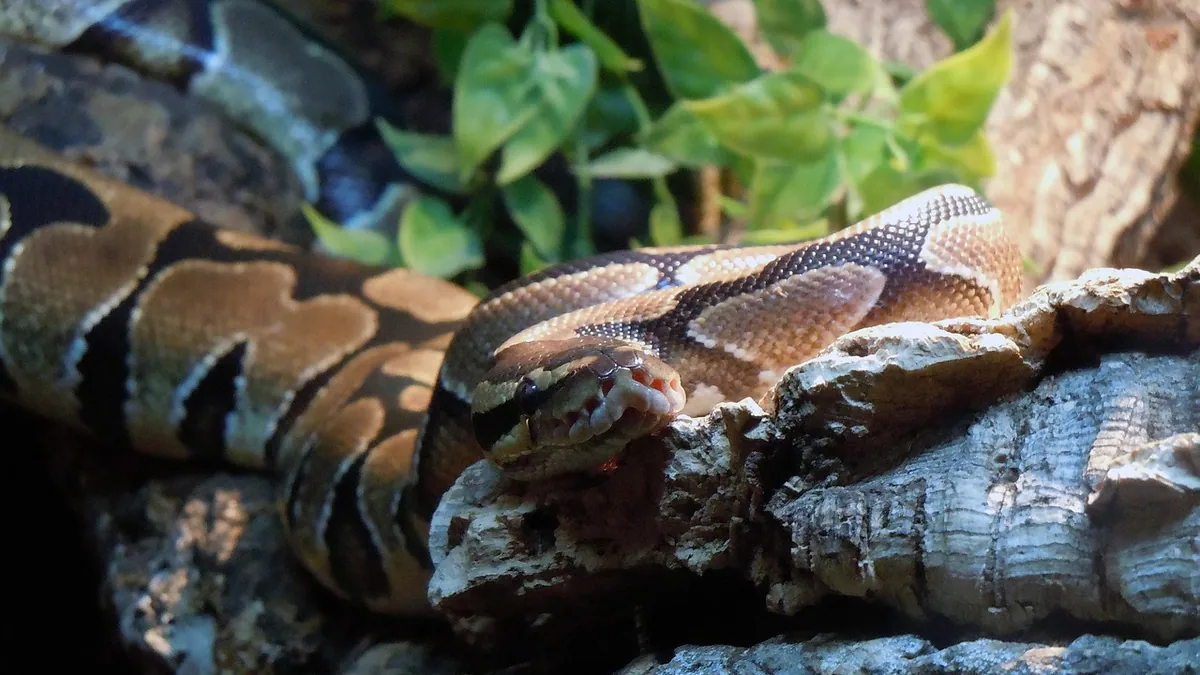
A ball python that looks straight up is often just periscoping, a normal behavior where the snake raises its head to scan its surroundings. A ball python curled into a tight ball is also normal and usually means it feels safe or stressed. The problem is when the head lifts and stays up, tilts, or wobbles without control, because that pattern points toward a neurological or medical issue. This article is educational and is not a substitute for veterinary diagnosis or treatment.
Quick Answer
- A brief head lift while resting on a stable surface is usually normal curiosity or periscoping.
- A tight coil is a normal fear or rest response, and a ball python that stops coiling may simply feel secure.
- A head held high with a tilt, twisting, or loss of balance is not normal and needs a reptile vet.
- Check your temperatures, humidity, and hides first, because husbandry problems drive many of these signs.
- Record a short video of the behavior and call an exotics vet if the posture repeats or comes with lethargy, mucus, or refusal to eat.
What the Sign Looks Like and What Is Normal
Ball pythons get their name from their habit of curling into a tight ball with the head tucked in the middle. That is a defensive move. A healthy ball python does it when it feels threatened, when it is handled too much, or when it is resting in a hide. If your snake does not ball up when you pick it up, that alone is not a disease. A calm, well-socialized snake may stay loose in your hands, and a snake that feels secure in its enclosure may sleep stretched out instead of coiled.
Periscoping is the other normal behavior. The snake lifts its head and neck straight up, sometimes holding the pose for a few seconds, to look around or test the air. It looks alert, the body is balanced, and the snake can lower its head smoothly. This is common in curious juveniles and in snakes that just woke up or smelled food.
The behavior that worries owners is different. The head goes up and stays up, or it drifts to one side. The neck may twist. The snake may flip onto its back or fail to right itself. Owners often call this stargazing, and it is a real clinical sign, not a personality quirk.
Why Is My Ball Python Looking Straight Up?
There are several reasons a ball python holds its head up or stares upward. Some are harmless. Some are serious. The table below separates them by what you actually see and how fast you need to act.
| Cause | Typical clues | How urgent |
|---|---|---|
| Normal periscoping | Brief, smooth head lift, balanced body, responds to you, eats normally | Not urgent, monitor |
| Stress or defensive posture | Tight coil, hissing, striking, recent handling or cage change | Not urgent, reduce stress |
| Respiratory infection | Head held up to breathe, open-mouth breathing, mucus, wheezing, bubbles at the nose | Same day to urgent |
| Neurological disease (including inclusion body disease) | Head tilt, twisting, stargazing, inability to right itself, tremors, regurgitation | Urgent, same day |
| Thermal burn or heat injury | Blisters, discolored scales, head pressing, restlessness near heat source | Urgent |
| Trauma or spinal injury | Sudden onset after a fall or squeeze, weakness, abnormal posture | Emergency |
| Toxin exposure or metabolic problem | Wobble, weakness, poor muscle tone, recent diet or supplement change | Urgent |
Normal Periscoping and Coiling
Periscoping is a normal exploratory behavior. Your snake is not sick just because it looks up. Watch the whole body. A periscoping snake has steady balance, a smooth neck, and normal muscle tone. It will lower its head when it loses interest. A coiled snake that uncoils to eat, drink, or explore is also normal.
Stress and Defensive Behavior
A ball python that stays balled up for a long time may be stressed. Check for a recent move, a new enclosure, too much handling, or a lack of hiding spots. A snake that does not ball up may simply be comfortable. Neither pattern by itself means disease.
Respiratory Infection
Respiratory disease is a leading cause of illness and death in captive reptiles, and pneumonia is common in pet reptiles kept in poor conditions [1]. Bacteria such as Chryseobacterium indologenes, Escherichia coli, Staphylococcus epidermidis, and Pseudomonas aeruginosa have been isolated from the lower respiratory tracts of ball pythons showing pneumonia signs [1]. A snake with a respiratory infection often holds its head up to keep its airway open. You may see open-mouth breathing, mucus, wheezing, or bubbles at the nostrils. This needs a vet visit quickly.
Neurological Disease and Stargazing
Stargazing is a neurological sign. The snake stares upward, often with a tilted or twisted neck, and may lose balance. Inclusion body disease is a known viral disease in boid snakes, and affected animals can show neurological problems [2]. A related guide on Ball Python Care: IBD inclusion body disease neurological signs explains the pattern in more detail. Other causes include trauma, toxins, and metabolic problems. Any true stargazing needs a reptile vet.
Thermal Burns and Heat Injury
A ball python that presses its head up against the screen top or a heat source may be too hot or may have burned itself. Thermal burns cause blisters, discoloration, and pain. A guide on Ball Python Care: Thermal burns treatment and enclosure correction covers the home steps and the enclosure fixes. Burns need veterinary care because infection is common.
Trauma and Other Causes
Falls, rough handling, and being squeezed by a larger snake can injure the spine or brain. A sudden head-up posture after an accident is an emergency. Poor husbandry, poor nutrition, and poor hygiene raise the risk of infection in captive reptiles [1], so review your setup with a guide like Ball Python Care and Enclosure Setup.
Red Flags That Make It an Emergency
Call an emergency exotics vet right away if you see any of these:
- The head is stuck up or tilted and the snake cannot right itself.
- The snake flips onto its back or rolls.
- Open-mouth breathing, gasping, or bubbles from the nose or mouth.
- Sudden weakness, tremors, or paralysis.
- Bleeding, burns, or a visible wound.
- The snake has been exposed to a toxin, such as a pesticide or a hot surface.
- The snake has not eaten for weeks and is losing weight.
If you suspect poisoning, contact the ASPCA Animal Poison Control Center at (888) 426-4435 or the Pet Poison Helpline at (855) 764-7661. These lines may charge a consultation fee.
Safe Things You Can Do at Home While Waiting
You cannot treat a neurological or respiratory problem at home. You can keep your snake stable and gather information for the vet.
- Move the snake to a quiet, dim enclosure with a secure lid.
- Check the warm side and cool side temperatures and the humidity with a digital gauge.
- Remove any heat rock or unguarded heat source that could burn the snake.
- Keep the water bowl clean and shallow so the snake can drink without soaking its head.
- Do not handle the snake more than needed.
- Record a short video of the head-up or twisting behavior.
- Write down when the behavior started, what you feed, and the last time it ate or shed.
- Do not give any medication, oil, or home remedy by mouth.
If your snake has stuck shed around the eyes or nose, that can add stress and irritation. A guide on Ball Python Stuck Shed Help and one on Ball Python Care: Stuck shed retained eye caps removal guide explain safe soaking and humidity steps.
What the Veterinarian Will Check and Test
A reptile vet starts with a full physical exam. They will check the mouth, nostrils, eyes, skin, and vent. They will watch the snake move and test its righting reflex. They will ask about temperatures, humidity, diet, and recent changes.
For a suspected respiratory infection, the vet may take a swab or wash from the airway and send it for culture. Bacteria from ball pythons with pneumonia have been tested against antibiotics and against essential oils such as lemongrass, oregano, rosemary, and sage, plus grapefruit seed extract [1]. That kind of testing helps guide treatment, but it does not mean you should use oils at home. Many oils are irritating or toxic to reptiles, and the dose and choice must come from a veterinarian.
For neurological signs, the vet may run blood work, take X-rays, or test for infectious disease. Inclusion body disease has been confirmed in boid snakes with neurological and other problems [2]. A related condition, a metastasizing dysgerminoma, caused a head tilt and eye changes in a bearded dragon, which shows that a head tilt can come from problems far from the brain [3]. That is why a full workup matters. A neurological exam in bearded dragons found that some head positions and head movements that look abnormal in mammals are normal in that species [4]. The same principle applies to ball pythons. Your vet will judge the sign against normal behavior for the species.
Treatment depends on the cause. Bacterial infections need the right antibiotic at a dose the veterinarian calculates from your snake's weight and health. There is no safe home dose. Supportive care may include fluids, warmth, and a quiet recovery enclosure.
Prevention and Monitoring
Most of these problems start with husbandry. Keep the warm side and cool side in the correct range, keep humidity steady, and provide at least two hides. Clean the water bowl and remove waste often. Poor hygiene and poor nutrition raise the risk of infection in captive reptiles [1].
Feed appropriate prey of the right size. Do not handle your snake right after feeding. Quarantine any new snake for several months before it shares a room with your current pets, because infectious diseases can spread between boids [2].
Weigh your snake monthly and keep a simple log. Note eating, shedding, and any change in posture. A head-up pose that happens once and resolves is usually nothing. A pose that repeats, lasts, or comes with a tilt is a reason to call the vet.
Limitations and When to Contact a Veterinarian
This article cannot tell you what is wrong with your individual snake. Only a veterinarian who examines your pet can do that. Use these timing rules.
Contact a veterinarian the same day if you see a head tilt, repeated stargazing, open-mouth breathing, mucus, or a sudden change in behavior.
Go to an emergency clinic now if the snake cannot right itself, is gasping, has seizures, is bleeding, or was exposed to a toxin or a hot surface.
Schedule a routine visit if the behavior is mild but keeps coming back, if your snake is losing weight, or if you are not sure your temperatures and humidity are correct.
Frequently Asked Questions
Is it normal for a ball python to look straight up?
Yes, a brief head lift with steady balance is normal periscoping. It becomes a concern when the head stays up, tilts, or twists and the snake loses balance. That pattern is called stargazing and needs a vet.
Why is my ball python curled up and not moving?
A tight coil is a normal rest or defensive posture. If the snake stays coiled for a long time, check for stress, cold temperatures, or a lack of hides. A snake that is cold or sick may also stay still, so watch for other signs.
Why does my ball python not ball up anymore?
A ball python that stops balling up may simply feel safe and relaxed with you. It can also be a sign of weakness or illness if the snake is limp, floppy, or unable to right itself. Pair the change with any other symptoms before you worry.
What does stargazing look like in a ball python?
Stargazing is an upward stare with a stiff or twisted neck, often with a head tilt and poor balance. The snake may fall over or fail to right itself. This is a neurological sign and needs prompt veterinary care.
Can I treat a head-up posture at home?
No. You can fix temperatures, humidity, and hides, and you can keep the snake calm. You cannot treat infection or neurological disease at home. Any medication or oil must be chosen and dosed by a veterinarian.
Related Articles
- Ball Python Stuck Shed Help
- Ball Python Care and Enclosure Setup
- Ball Python Care: Stuck shed retained eye caps removal guide
- Ball Python Care: IBD inclusion body disease neurological signs
- Ball Python Care: Thermal burns treatment and enclosure correction
- Ball Python Morphs and Genetics: A Visual Guide to Popular Color and Pattern Variations
- Why Is My Ball Python Opening Its Mouth? Causes
- Why Is My Ball Python Drooling? Causes and Red Flags
- Why Is My Ball Python Making a Squeaking Noise?
References
- Antibacterial Activity of Some Essential Oils/Herbal Extracts Against Bacteria Isolated from Ball Pythons (Python regius) with Respiratory Infections. Antibiotics (Basel, Switzerland), 2025.
- Multifocal cutaneous neoplastic vascular proliferations in a rainbow boa (Epicrates cenchria) collection with boid inclusion body disease. PloS one, 2024.
- Metastasizing dysgerminoma in an inland bearded dragon (Pogona vitticeps). BMC veterinary research, 2024.
- Neurological examination in healthy adult inland bearded dragons (Pogona vitticeps). Journal of the American Veterinary Medical Association, 2022.