Why Is My Cockatiel Hissing at Me? What It Means
By Dr. Zubair Khalid, DVM, MS, PhD ·
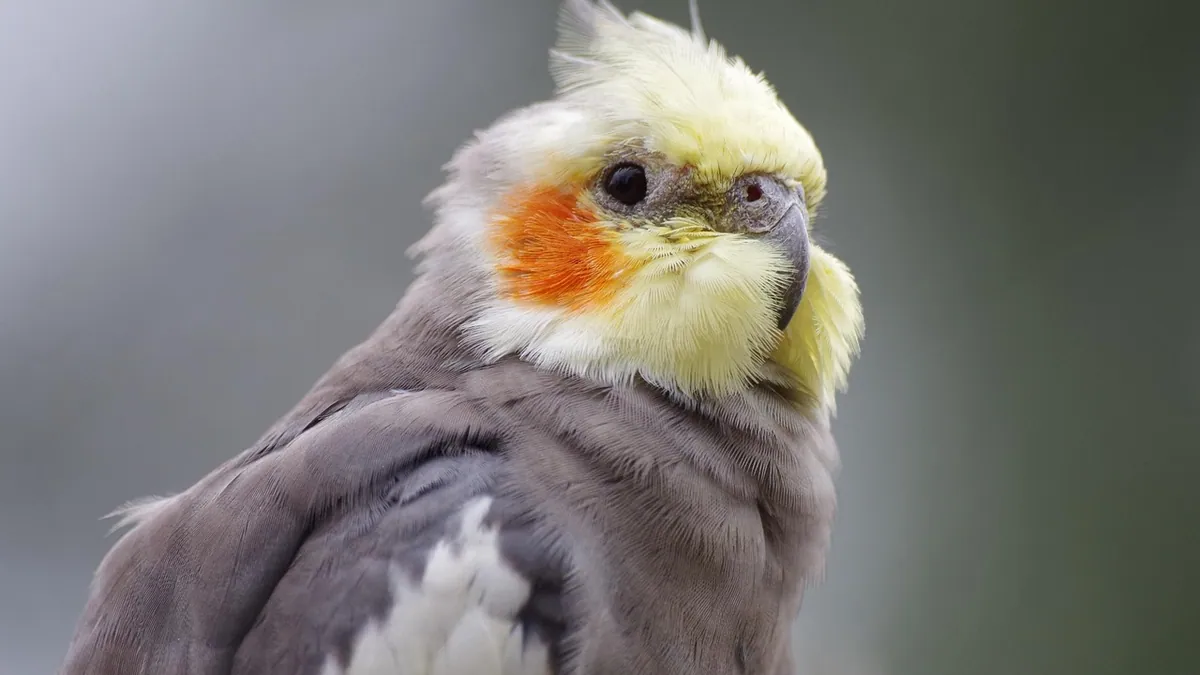
Hissing in cockatiels is almost always a fear or warning signal, not a sign that your bird hates you. A cockatiel that hisses is telling you it feels threatened and wants space. If you are asking "why is my cockatiel hissing at me," the short answer is that hissing is a defensive sound, and the fix is usually patience plus a change in how you approach the bird.
This article is educational and is not a substitute for veterinary diagnosis or treatment.
Quick Answer
- Hissing is a non-vocal sound made by pushing air out, and across birds it most often shows up in threat and defense displays [1].
- A new cockatiel that hisses is usually scared, not mean. Give it quiet time to adjust before you handle it.
- Back off when you hear a hiss. Reaching toward a hissing bird usually makes the behavior worse.
- Check for pain or illness if hissing starts suddenly in a bird that was previously calm.
- Never punish a hissing cockatiel. Punishment adds fear and can turn a warning into a bite.
Why Is My Cockatiel Hissing at Me? The Normal Reasons
Hissing is a warning. It means "stop" or "go away." In birds, hissing sounds are widespread, appearing in at least 86 families across 34 avian orders, and the evidence points to a main role in threat and defense displays toward predators [1]. Your cockatiel is not being dramatic. It is using a sound that works.
Fear and feeling cornered
This is the most common reason, especially with a new bird. A cockatiel that was hand-fed and friendly at the store may still freeze or hiss in a new home. Everything is unfamiliar. Your hands are unfamiliar. The room sounds are unfamiliar.
Hissing often comes with other body language. Watch for a bird that leans away, flattens its crest, opens its beak, or presses into the back of the cage. Those are the same message as the hiss.
Defending a space or a person
Cockatiels can become protective of a cage corner, a favorite toy, a food dish, or a bonded person. If you reach into that space, you may get a hiss. This is a territorial warning, not a personal attack.
Startle responses
A sudden movement, a loud noise, a new object, or a passing pet can trigger a hiss. Some birds hiss first and ask questions later. Once the scare passes, the bird usually relaxes.
Hormonal and nesting behavior
During breeding season, some cockatiels become more reactive around their cage, mirrors, or dark corners. A hen near a nest site may hiss at anything that comes close. This is normal reproductive behavior, and it usually fades when the season ends.
Communication between birds
If you have more than one bird, hissing can be part of everyday squabbles over perches, food, or space. Birds use hissing in agonistic interactions with each other, not only with predators [1]. A single hiss between cage mates is often just a boundary.
Medical Causes to Rule Out
Behavior is not always the whole story. Pain, illness, and vision problems can all make a bird more defensive.
Pain or injury
A cockatiel with a sore foot, an injured wing, or an internal problem may hiss when you approach or try to touch it. The bird is guarding a painful area. If a normally calm bird starts hissing when handled, a veterinary exam is reasonable.
Illness and weakness
Sick birds feel vulnerable. They may hiss at anything that comes near because they cannot escape quickly. Look for fluffed feathers, sitting on the cage floor, reduced eating, changed droppings, or labored breathing. Any of these with new hissing deserves a vet visit.
Vision or hearing changes
A bird that cannot see or hear you well may startle more easily and hiss more often. Hearing matters for parrots. In budgerigars, another parrot species, removing auditory input changed their songs within 6 months, which shows how much parrots depend on hearing to maintain their normal sound behavior [2]. A cockatiel with hearing loss may misread your approach.
Hormonal or reproductive disease
Chronic egg laying and reproductive problems can make a hen irritable and defensive. Your veterinarian can assess this during a routine exam.
When Hissing Becomes a Problem
Hissing itself is not a behavior problem. It is information. It becomes a problem when it escalates or when it blocks normal care.
Watch for these patterns:
- The hiss turns into a lunge or a bite when you feed, clean, or change water.
- The bird hisses at everything, all day, and cannot settle.
- The bird hisses and also stops eating, or hides constantly.
- The hissing starts suddenly in a bird that was calm for months or years.
A bird that hisses but then relaxes and eats is usually fine. A bird that stays tense and reactive needs a closer look.
What to Do Step by Step
Step 1: Stop and give space
When you hear a hiss, pause. Do not push forward. Step back half a step and let the bird settle. This teaches your cockatiel that hissing works, which sounds backward, but it also teaches the bird that you listen. That builds trust faster than forcing contact.
Step 2: Change how you approach
Move slowly and from the side, not straight on. Keep your hands low and visible. Talk softly before you reach in. If your bird hisses at hands near the cage, try offering a treat through the bars first and let the bird come to you.
Step 3: Build a routine
Feed, clean, and interact at the same times each day. Predictability lowers fear. A new cockatiel often settles faster when it knows what happens next.
Step 4: Use positive reinforcement
Reward calm behavior. When your bird stays relaxed as you walk by, drop a small treat in the bowl. When it steps onto your hand without hissing, praise it quietly. Keep sessions short, a few minutes at a time, and end on a good note.
Step 5: Enrich the environment
Boredom and stress make birds more reactive. Offer foraging toys, safe chew items, and perches at different heights. Rotate toys every week or two. Give your cockatiel a quiet sleep schedule with 10 to 12 hours of dark, undisturbed rest.
Step 6: Respect sleep and space
Place the cage where the bird can see activity but not feel trapped. Avoid placing it in a busy hallway or next to a window where hawks or cats pass by. Cover the cage at night if your bird startles easily.
Step 7: Track progress
Keep a simple note of when hissing happens. You may find it clusters around handling, cage cleaning, or a certain time of day. Patterns make the fix obvious.
If you are also managing other pets with behavior changes, our guides on why your dog barks at nothing and why your dog scratches their ears use the same principle: look for the trigger before you treat the symptom.
What Not to Do
Do not punish
Never yell, tap the beak, spray water, or shake the cage. Punishment does not remove fear. It adds more fear, and a frightened cockatiel that cannot escape will bite.
Do not force handling
Grabbing a hissing bird to "show it who is boss" backfires. It confirms that hands are dangerous. Slow, voluntary step-ups work better.
Do not ignore pain
If the hissing is new and comes with any change in eating, droppings, breathing, or activity, treat it as a medical concern until a veterinarian says otherwise.
Do not believe the myths
A common myth is that hissing means your bird is aggressive by nature. Hissing is a warning, and warnings are normal communication [1]. Another myth is that a hissing bird will "get over it" if you just keep pushing. Most birds get worse with pressure, not better.
Do not rely on one fix
Changing the cage, the routine, or the handling alone may not be enough. Most nervous cockatiels improve when several things change at once: space, predictability, enrichment, and gentle handling.
When to Involve a Veterinarian or Behavior Professional
Call your veterinarian if the hissing is new in an adult bird, if it comes with any sign of illness, or if your bird has stopped eating or seems painful. A certified avian behavior consultant can help if your bird is healthy but the hissing and biting continue after several weeks of consistent, gentle handling.
If your bird is showing respiratory signs, such as tail bobbing, open-mouth breathing, or wheezing, treat it as urgent. For dogs, honking coughs can signal airway problems, and the same urgency applies to birds with breathing changes. Our articles on why your dog is coughing and honking and why your dog has a honking cough explain how owners sort mild from serious symptoms in another species, and the logic carries over: sudden breathing changes need prompt care.
Limitations and When to Contact a Veterinarian
This article covers common behavior patterns, but every bird is an individual. A veterinarian who examines your cockatiel can rule out pain, illness, and reproductive disease that this article cannot detect.
Contact a veterinarian the same day if your cockatiel:
- Stops eating or drinking
- Has changed droppings for more than a day
- Sits fluffed on the cage floor
- Hisses and refuses to move away from a spot, which can mean pain
- Shows any new swelling, limping, or bleeding
Go to an emergency clinic now if your cockatiel:
- Breathes with its mouth open or bobs its tail while resting
- Collapses, seizures, or cannot perch
- Has heavy bleeding or a suspected broken bone
- Was exposed to fumes, such as overheated nonstick cookware, aerosol spray, or smoke
Schedule a routine visit within a week or two if the hissing is new but your bird is otherwise eating, drinking, and active. Bring notes about when the hissing happens and what you tried.
Frequently Asked Questions
Why does my new cockatiel hiss at me when I walk by?
Your new cockatiel likely sees you as an unfamiliar threat, and hissing is its way of asking for distance. Give it a week or two of quiet, predictable routine before you expect much interaction. Approach slowly, speak softly, and let the bird come to you.
Does hissing mean my cockatiel will bite?
Not always, but a hiss is a warning that a bite is possible if you keep pushing. Respect the warning by backing off, and the chance of a bite drops. Birds that are never allowed to warn often bite with no warning at all.
Should I ignore my cockatiel when it hisses?
Do not ignore the message, but do not punish it either. Pause, step back, and give your bird a moment. Then try again later with a slower, calmer approach.
Can a cockatiel hiss because it is happy?
Hissing is not a happy sound in cockatiels. Contentment sounds are usually soft chatter, beak grinding, or gentle contact calls. If your bird hisses while relaxed and eating, it may just be a low warning at a cage mate, but check the context.
How long does it take a nervous cockatiel to stop hissing?
There is no fixed timeline, and it depends on the bird, its history, and how you respond. Many cockatiels settle within a few weeks of consistent, low-pressure handling. If nothing changes after a month, ask your veterinarian about a health check and a behavior plan.
Related Articles
- Why Is My Bird Tail Bobbing? Breathing Warning Signs
- Why Is My Cockatiel Making Squeaking or Clicking Noises?
- Why Is My Parrot Making Weird Noises? What They Mean
- Why Is My Cockatiel Screaming Constantly? Causes and Fixes
References
- Avian hissing sounds: occurrence, mechanism, ontogeny, function and phylogeny. Royal Society open science, 2025.
- Auditory feedback is necessary for long-term maintenance of high-frequency sound syllables in the song of adult male budgerigars (Melopsittacus undulatus). Journal of comparative physiology. A, Neuroethology, sensory, neural, and behavioral physiology, 2007.