Why Is My Cockatiel Making Squeaking or Clicking Noises?
By Dr. Zubair Khalid, DVM, MS, PhD ·
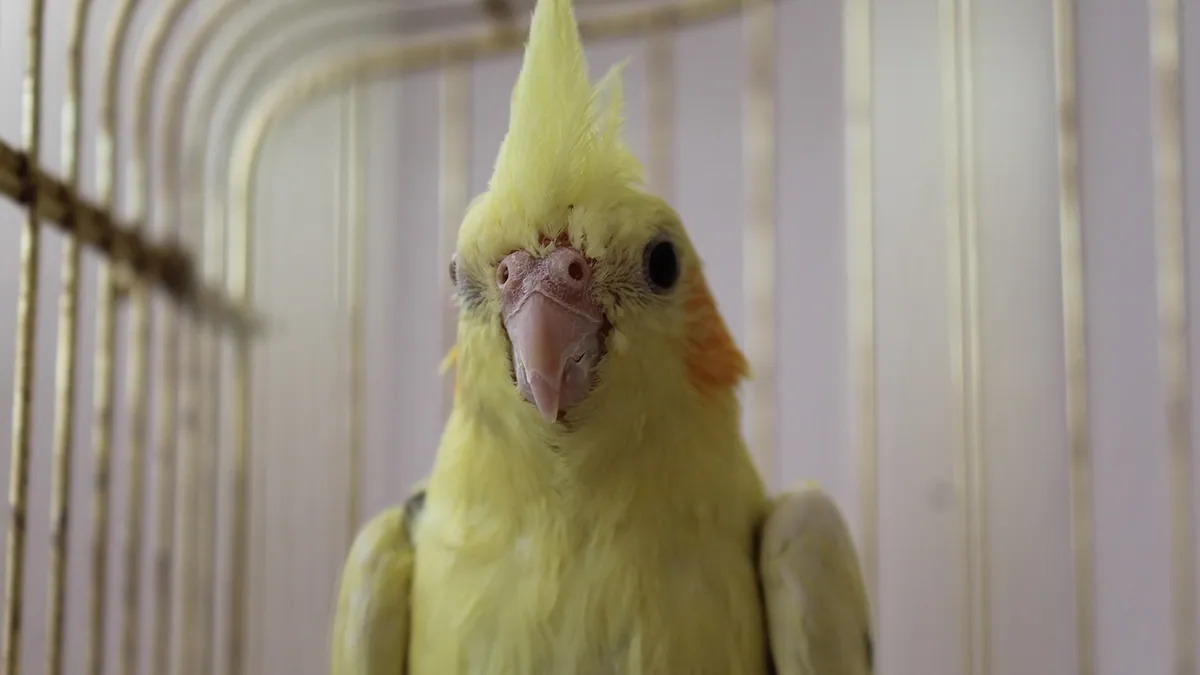
Cockatiels squeak and click for many ordinary reasons, including contact calls, begging, and mimicking sounds they hear. A sudden change in those noises, especially clicking mixed with tail bobbing or open-mouth breathing, can point to a respiratory problem that needs a veterinarian. This article is educational and is not a substitute for veterinary diagnosis or treatment.
Quick Answer
- Soft, repetitive squeaks during flock calls, feeding, or play are usually normal communication, and parrots are vocal learners that depend on hearing to keep their calls stable [1].
- Clicking that happens only when your bird is relaxed and quiet, with no breathing effort, is often beak grinding or contentment noise.
- Clicking or squeaking that comes with tail bobbing, open-mouth breathing, sneezing, or a change in voice is a reason to call an avian veterinarian.
- Any bird that sits fluffed at the cage floor, breathes with its tail pumping, or makes a wet clicking sound needs same-day or emergency care.
- Do not give any medication, honey, oil, or human drug at home, because bird doses are calculated by a veterinarian from weight and health status.
What Normal Cockatiel Squeaking and Clicking Sounds Like
Cockatiels are small parrots, and parrots are one of the few bird groups that learn their vocalizations instead of being born with a fixed set of calls [1]. That means your bird's squeaks, chirps, whistles, and clicks are partly learned and partly shaped by what it hears around the house.
Normal sounds tend to follow a pattern. You may hear:
- A rising, repeated squeak when you walk in the room or uncover the cage. This is a contact call.
- Short, rhythmic squeaks from a young bird that is begging to be fed.
- Soft single clicks or a grinding sound when your bird is sleepy, puffed up, and sitting on one foot.
- Mimicked sounds such as microwave beeps, door squeaks, or whistles you taught it.
The key is context. A noise that happens during play, eating, or greeting is usually fine. A noise that appears suddenly, lasts for hours, or comes with a change in posture or breathing is the one to watch.
Cockatiels also make a wide range of "weird" noises that owners describe as grumbling, buzzing, or static. Many of these are part of normal repertoire building, similar to how other birds develop distinct call categories that owners can learn to recognize over time [2]. If your bird is active, eating, and preening between noises, the sound itself is rarely the problem.
Why Is My Cockatiel Making Squeaking Noises? Main Causes
Normal Vocal Behavior
Parrots need to hear themselves to keep their calls accurate. When adult budgerigars, a close relative of cockatiels, were deprived of hearing, their high-frequency syllables dropped significantly within 6 months and the change persisted a year later [1]. This tells us that a cockatiel's squeaks are actively maintained by practice and listening. A bird that suddenly goes quiet, or whose voice changes, is showing a real change in vocal function.
Respiratory Disease
The most serious cause of new clicking or squeaking is disease in the airways or air sacs. Birds have a unique respiratory system with air sacs throughout the body, so early signs can be subtle. Clicking at the end of a breath, a squeaky or whistling sound on inhale, and a wet rattle are all reasons to seek care. Breathing effort is the sign that matters most, and you can read more about that in Why Is My Bird Tail Bobbing? Breathing Warning Signs.
Diet and Vitamin A Problems
Diet can change how a cockatiel vocalizes. In a controlled feeding trial, adult cockatiels at maintenance fed a diet with 30,000 micrograms of vitamin A per kilogram (about 100,000 IU) developed markedly intensified vocalization patterns along with pancreatitis and inflammatory changes in the gut after 269 days [3]. The same study found that diets at or above 3,000 micrograms of vitamin A per kilogram can cause toxicity, and the authors suggested that vitamin A disturbances may contribute to behavioral problems in companion birds [3]. This is a strong argument for feeding a measured, balanced diet instead of guessing with supplements.
Gastrointestinal and Other Illness
Some birds with stomach or intestinal disease make unusual noises because they are uncomfortable, not because their voice box is affected. In a survey of parrots with gastrointestinal signs, a yeast organism called Macrorhabdus ornithogaster was confirmed in 14 percent of fecal samples [4]. Affected birds often show vague signs such as weight loss, changed droppings, or fluffed feathers instead of a single obvious symptom [4]. If your cockatiel's new noises come with a messy vent, undigested seed in the droppings, or a drop in appetite, that combination deserves a veterinary visit.
Table: Cause, Clues, and Urgency
| Cause | Typical clues | How urgent |
|---|---|---|
| Normal contact or play calls | Happens during greeting, eating, or play, bird is active and bright | Routine, no visit needed |
| Beak grinding or sleepy clicks | Soft, slow, at rest, often on one foot | Routine, no visit needed |
| Respiratory infection or air sac disease | Clicking with each breath, tail bobbing, open-mouth breathing, sneezing | Same day, emergency if breathing is labored |
| Vitamin A excess from diet or supplements | Long-term supplement use, intensified or changed vocalization, poor body condition [3] | Routine visit soon |
| Gastric yeast or gut disease | Weight loss, changed droppings, fluffed posture, vague discomfort [4] | Routine visit soon |
| Voice change from hearing loss or nerve problems | Voice sounds different, bird otherwise stable | Routine visit |
Red Flags That Make It an Emergency
Call an emergency or exotic animal hospital right away if you see any of these:
- Open-mouth breathing at rest, especially with the tail pumping up and down with each breath.
- A clicking or squeaking sound that occurs with every breath and does not stop when the bird is calm.
- Sitting on the cage floor, unable to perch, or leaning forward with wings held away from the body.
- A sudden change in voice plus a swollen eye, nasal discharge, or a crusty beak.
- Any breathing trouble in a bird that is already thin, young, or recently purchased.
Birds hide illness until they are very sick, so a bird that looks mildly off can decline within hours. When in doubt, treat breathing changes as urgent.
Safe Things You Can Do at Home While Waiting
You cannot treat a respiratory infection at home, but you can keep your bird stable until the appointment.
- Move the cage to a quiet, warm room away from drafts, air conditioning vents, and kitchen fumes.
- Cover three sides of the cage with a light sheet to reduce stress, and keep the room dim.
- Keep the bird calm and avoid handling it more than needed, because stress increases oxygen demand.
- Offer its normal food and water close to where it is perching, so it does not have to climb.
- Do not use human medications, honey, essential oils, or over-the-counter supplements. A veterinarian calculates any dose from your bird's weight and health status.
- Do not run a humidifier with added oils or menthol, because these can irritate avian airways.
If your bird stops eating or its droppings change color or consistency, note the time and bring a fresh sample in a clean plastic bag to the visit.
What Your Veterinarian Will Check and Test
An avian veterinarian will start with a full physical exam, including listening to the airways and checking the nares, mouth, and eyes. Weight is measured because small changes matter in a bird that weighs around 90 grams.
Expect some of these tests:
- A fecal wet mount and possibly molecular testing for Macrorhabdus ornithogaster, since this organism can be detected in droppings and confirmed with DNA methods [4].
- A complete blood count and chemistry panel to look for infection, inflammation, and organ changes.
- Imaging such as radiographs or endoscopy to look at the air sacs and internal organs.
- A diet review, especially if you use vitamin supplements, because excess vitamin A has been linked to toxicity and vocal changes in cockatiels [3].
Treatment depends on the diagnosis. Bacterial infections are treated with antibiotics chosen by the veterinarian. Yeast and gastric problems need specific therapy. Diet-related problems are corrected by changing the food, not by adding more supplements.
Prevention and Monitoring
The best prevention is a consistent, balanced diet and a clean, low-stress environment.
- Feed a formulated pellet diet made for cockatiels as the base, with measured fresh vegetables. Avoid megadosing vitamins, since a diet at or above 3,000 micrograms of vitamin A per kilogram can cause toxicity in this species [3].
- Weigh your bird weekly on a small kitchen scale and write the number down. A steady drop over two weeks is a reason to call the vet.
- Watch droppings daily. A change in color, consistency, or undigested food is an early clue.
- Keep the cage away from cigarette smoke, scented candles, nonstick cookware fumes, and aerosol sprays.
- Give your bird time to vocalize and interact. Because parrots maintain their calls through hearing and practice, a bird that suddenly stops using its voice is showing a change worth investigating [1].
- Schedule a wellness exam once a year with an avian veterinarian, even if your bird seems fine.
If you also keep other small pets, some of their noises can look similar to a bird's. A guinea pig's high-pitched squeak is usually a food or attention call, which you can compare in Guinea Pig Squeaking Noise. Coughing and honking sounds in dogs are a different problem entirely, covered in Why Is My Dog Coughing And Honking.
Limitations and When to Contact a Veterinarian
This article cannot tell you what is wrong with your specific bird. Only a veterinarian who examines your cockatiel can do that.
Contact a veterinarian the same day if your bird has new clicking or squeaking with any breathing effort, a change in voice that lasts more than a day, sneezing, nasal discharge, or a drop in appetite.
Go to an emergency clinic now if your bird is open-mouth breathing at rest, pumping its tail with each breath, sitting on the cage floor, or unable to perch.
Schedule a routine visit if the noises are new but your bird is eating, active, and breathing normally, or if you want your diet and supplement plan reviewed.
Frequently Asked Questions
Is clicking always a sign of illness in a cockatiel?
No. Soft clicking at rest, often with beak grinding, is usually a relaxed or sleepy sound. Clicking becomes a concern when it happens with each breath, comes with tail bobbing, or appears suddenly in a bird that was previously quiet.
Can diet really change how my cockatiel sounds?
Yes. In a controlled study, adult cockatiels fed a high vitamin A diet developed intensified vocalization patterns along with organ and gut changes [3]. If you use vitamin supplements, have your veterinarian review the amount and the food label.
My bird's voice sounds different but it seems fine otherwise. Should I wait?
Do not wait more than a day or two. Parrots rely on hearing to keep their calls stable, and a change in vocal output can reflect a real problem [1]. A routine exam with a fecal check is a reasonable next step.
Could a stomach problem cause weird noises?
It can. Birds with gastric yeast often show vague signs such as weight loss, changed droppings, and general discomfort instead of one clear symptom [4]. If the noises come with digestive changes, ask your vet about fecal testing.
What should I bring to the appointment?
Bring a fresh dropping sample in a clean plastic bag, a written list of everything your bird eats including supplements, and your recent weight records if you have them. These details help your veterinarian choose the right tests and avoid unnecessary ones.
Related Articles
- Why Is My Bird Tail Bobbing? Breathing Warning Signs
- Why Is My Cockatiel Tail Bobbing or Head Bobbing?
- Why Is My Cockatiel Screaming Constantly? Causes and Fixes
- Why Is My Parrot Making Weird Noises? What They Mean
References
- Auditory feedback is necessary for long-term maintenance of high-frequency sound syllables in the song of adult male budgerigars (Melopsittacus undulatus). Journal of comparative physiology. A, Neuroethology, sensory, neural, and behavioral physiology, 2007.
- Vocalizations of adult male Asian koels (Eudynamys scolopacea) in the breeding season. PloS one, 2017.
- Adult cockatiels (Nymphicus hollandicus) at maintenance are more sensitive to diets containing excess vitamin A than to vitamin A-deficient diets. The Journal of nutrition, 2003.
- Avian gastric yeast (macrorhabdosis) in cockatiel, budgerigar and grey parrot: a focus on the clinical signs, molecular detection and phylogenetic evaluation. Veterinary research forum : an international quarterly journal, 2023.