Why Do Cockatiels Dance? Mating and Happy Behavior
By Dr. Zubair Khalid, DVM, MS, PhD ·
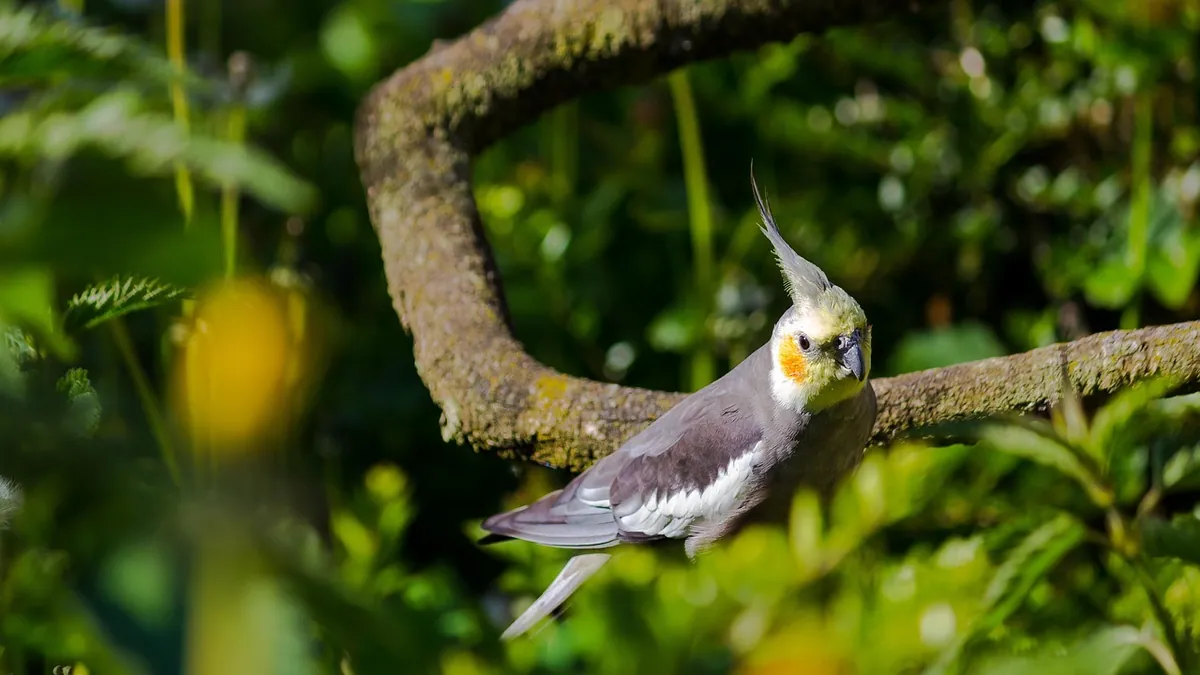
Yes, cockatiels dance, and most of the time it is a normal, healthy behavior. Dancing in cockatiels usually shows up as head bobbing, foot tapping, swaying, or rhythmic movement, and it often means your bird is excited, courting, or responding to sound. The tricky part is telling a happy dance apart from hormonal behavior that can lead to problems like egg laying, feather damage, or aggression.
This article is educational and is not a substitute for veterinary diagnosis or treatment.
Quick Answer
- Cockatiels dance for two main reasons: courtship and excitement. Head bobbing, swaying, and rhythmic movement are normal parts of both.
- Parrots, including cockatiels and their cockatoo relatives, can move in time with a musical beat, and this ability may reflect complex brain processing [1].
- A dancing cockatiel is often a happy cockatiel. Dance behavior in parrots may point to good welfare and can be encouraged with music and enrichment [1].
- Hormonal dancing becomes a problem when it leads to chronic egg laying, feather plucking, biting, or screaming. Boredom and loneliness drive many of these unwanted behaviors [2].
- If dancing comes with weight loss, straining, a swollen belly, or a drop in appetite, see an avian veterinarian. Those signs are not about dancing.
Why Do Cockatiels Dance?
The courtship and mating dance
The classic cockatiel mating dance is a courtship display. A male cockatiel often bobs his head, taps his feet, sways his body, and whistles or chirps at the same time. He may do this while walking toward a mirror, a favorite toy, another bird, or you.
This display is driven by hormones and by the environment around him. In cockatiels, reproductive activity depends heavily on day length, the presence of a nest site, and access to a mate. One study found that a high degree of mate access was needed for nesting behaviors like inspecting a nest box and forming a nest bowl, and pairs with full contact were far more likely to lay eggs than pairs kept apart [3]. Long daylight periods also raised reproductive hormone levels in these birds [3].
That matters for pet owners because it explains why a dancing cockatiel may suddenly start treating a food bowl, a mirror, or your hand as a mate. The dance itself is not the problem. The problem is what the dance can lead to.
The happy, excited dance
Cockatiels also dance when they are simply excited. Music, a favorite person coming home, a new toy, or a treat can all trigger head bobbing and rhythmic movement. This is the version most owners describe as happy dancing.
Parrots are one of the few animal groups that can coordinate their movements with a rhythmic beat, a skill that is highly developed in humans [4]. In a study of cockatoos, a close relative of the cockatiel, researchers identified 17 new dance movements from online videos and found that music playback could trigger dancing in captive birds [1]. The authors suggested that dance behavior may reflect a positive welfare state and that music could be used as enrichment [1].
So when your cockatiel bobs along to a song, that is not a behavior problem. It is a sign of a bird that is engaged with its world.
Head bobbing has more than one meaning
Cockatiel head bobbing is not always romantic. Baby cockatiels bob their heads to beg for food. Adult birds bob when they are excited, when they are courting, and sometimes when they are about to regurgitate food for a mate or a favored person.
Context tells you which one you are seeing. A bird bobbing at a mirror while whistling is courting. A bird bobbing at your hand while leaning forward and pumping its neck may be about to bring up food. A bird bobbing at a new toy is just excited.
Medical Causes to Rule Out Before You Assume It Is Normal
Most dancing is behavioral, but a few medical problems can look similar. Neurological disease, heavy metal poisoning, and some infections can cause head tremors, head tilting, or uncoordinated movement that owners mistake for dancing.
The difference is usually easy to spot. A dancing cockatiel moves smoothly and stops when the trigger stops. A sick bird has movements it cannot control, and it often has other signs like poor balance, a tilted head, weakness, or a change in droppings.
Reproductive disease is the other concern. A hen that dances, crouches, and starts laying eggs can develop egg binding, chronic egg laying, or a reproductive tract infection. These are medical conditions, not behavior quirks, and they need veterinary care.
If your bird's movement looks jerky, if it cannot perch steadily, or if it seems unwell in any other way, call your veterinarian. Do not wait to see if it passes.
When Does Dancing Become a Problem?
Dancing itself is not a behavior problem. The problems come from what the dance is attached to.
Hormonal behavior that will not switch off
A cockatiel that is constantly courting a mirror, a toy, or your hand is living in a hormonal state. Over time, that can lead to:
- Chronic egg laying in hens, which drains calcium and can cause egg binding
- Regurgitating food onto toys, perches, or people
- Territorial aggression, especially around a cage or a chosen "mate"
- Feather plucking or self-mutilation
Boredom and lack of stimulation are major drivers of unwanted behaviors like biting, screaming, and feather pulling in pet birds [2]. A bird that has nothing else to do may pour all its energy into a hormonal loop.
Behavior that harms the bird or the household
If dancing turns into biting when you reach into the cage, screaming for hours, or plucking feathers down to bare skin, it has crossed into problem territory. These behaviors rarely fix themselves. They usually get worse without changes to the environment and daily routine.
Feather destructive behavior in cockatiels has its own set of triggers and a step by step enrichment protocol. If your bird is plucking, that guide is a good next read: Cockatiel Care: Feather destructive behavior enrichment protocol.
What to Do: A Step by Step Plan
Step 1: Identify the trigger
Watch your bird for a few days and note what happens right before the dance. Common triggers include mirrors, a certain toy, long daylight hours, a nest-like space (a happy hut, a box, a dark corner), and physical petting along the back or under the wings.
Write it down. Patterns show up fast.
Step 2: Remove hormonal triggers
- Take out mirrors if your bird courts them.
- Remove huts, boxes, and any dark enclosed space that mimics a nest cavity.
- Keep petting to the head and neck only.
- Give your bird 10 to 12 hours of dark, quiet sleep each night to limit the long-daylight signal that drives reproductive hormones [3].
Step 3: Add enrichment that gives the energy somewhere to go
Boredom is a big reason birds develop behavior problems, so keep your bird busy [2]. Rotate toys weekly. Hide small pieces of food around the cage for foraging. Play music or leave a TV on nearby for company [2].
Music is a particularly good fit for a dancing bird. Since dance behavior may reflect positive welfare and music can work as enrichment, a daily music session is a low-cost way to let your cockatiel do the behavior it already enjoys [1].
Step 4: Build a predictable routine
Spend time with your bird every day, especially for training [2]. Short training sessions with a target stick or a simple trick give your bird attention and mental work at the same time. A tired, busy cockatiel has less time to obsess over a mirror.
Step 5: Redirect the dance instead of stopping it
You do not need to stop your bird from dancing. You need to change what it dances at. If your bird bobs at your hand, offer a toy or a training cue instead. If it dances to music, let it. If it dances at a mirror, remove the mirror.
What Not to Do
Do not punish the behavior
Never yell at, spray, or flick your bird for dancing, bobbing, or screaming. Punishment does not teach a bird what to do instead. It damages trust and often makes the behavior louder and more frequent.
Do not assume every dance is mating behavior
Some owners panic when their cockatiel bobs its head. Head bobbing is a normal cockatiel behavior with several meanings, and a bird bobbing to music is not the same as a bird trying to mate with a mirror. Look at the whole picture before you change anything.
Do not ignore the myths
Two myths cause real harm. The first is that a dancing bird is always a happy bird, so nothing needs to change. The second is that a hormonal bird just needs a mate. Adding another bird does not fix hormonal behavior. It usually makes it worse, and it can lead to egg laying and aggression.
Do not use mirrors as "company"
A mirror can look like a cheap way to keep a lone bird entertained. For many cockatiels, it becomes a fake mate. That drives chronic hormonal behavior and, in hens, egg laying.
When to Involve a Veterinarian or Behavior Professional
Call an avian veterinarian if your cockatiel is a hen that lays eggs often, if your bird shows aggression that draws blood, or if dancing is paired with feather loss, weight loss, or a change in droppings.
A certified behavior professional can help when the behavior is complex, when you have already removed triggers and the problem continues, or when the behavior is tied to anxiety. Ask your veterinarian for a referral if you are not sure where to start.
For general context on how long you can expect to manage a cockatiel's behavior and care, see Cockatiel Lifespan. Cockatiels are long lived, so behavior plans are long term projects.
Limitations and When to Contact a Veterinarian
This article covers common, normal dancing and the hormonal patterns that most often follow it. It cannot tell you what is happening with your individual bird. Only a veterinarian who examines your cockatiel can do that.
Contact a veterinarian the same day if your bird:
- Strains, paces, or sits fluffed at the cage floor, which can signal egg binding
- Has a swollen or distended belly
- Stops eating or drops weight
- Has a sudden change in droppings
- Shows a head tilt, loss of balance, or tremors
Go to an emergency clinic now if your bird:
- Is open-mouth breathing at rest
- Is bleeding
- Collapses or cannot perch
- Has a prolapsed tissue visible at the vent
Schedule a routine visit if your bird:
- Lays eggs more than a few times a year
- Plucks feathers or has bare patches
- Shows aggression that is getting worse
- Has hormonal behavior that has not improved after several weeks of trigger removal and enrichment
Frequently Asked Questions
Do cockatiels really dance, or is it just head bobbing?
They really do dance. Head bobbing is the most visible part, but cockatiels also sway, tap their feet, and move in rhythm with music or a favorite person. Parrots can coordinate movement with a beat, and a study of cockatoos, the cockatiel's close relatives, documented many distinct dance movements triggered by music [1][4].
Is a cockatiel mating dance the same as a happy dance?
They overlap, but the context is different. A mating dance is aimed at a specific target, like a mirror, a toy, or another bird, and it often comes with whistling, regurgitating, and territorial behavior. A happy dance is usually triggered by music, excitement, or attention and stops when the trigger stops.
Can a female cockatiel dance?
Yes. Hens bob, sway, and respond to music just like males. The bigger concern with hens is what the hormonal behavior leads to. A hen that dances at a mirror or a nest-like space may start laying eggs, and chronic egg laying is a medical risk that needs veterinary care.
Does music make hormonal behavior worse?
Not usually. Music is a form of enrichment and can give a dancing bird a healthy outlet [1]. The bigger hormonal triggers are long daylight hours, nest sites, mirrors, and body petting. Fix those first, and keep the music.
How do I stop my cockatiel from dancing at its mirror?
Remove the mirror. A mirror gives your bird a mate that never leaves and never responds, which keeps the hormonal loop running. Replace it with foraging toys, training sessions, and music. If the behavior continues after the mirror is gone, talk to your veterinarian about the next steps.
Related Articles
- Cockatiel Care: Feather destructive behavior enrichment protocol
- Cockatiel Lifespan
- Do Parrots Dance? The Science of Bird Rhythm
- Why Does My Budgie Dance? Head Bobbing and Mating Moves
- Do Parrots Like Music? Dancing and Sound Responses
References
- Dance behaviour in cockatoos: Implications for cognitive processes and welfare. PloS one, 2025.
- Behavior of Pet Birds - Bird Owners. Merck Veterinary Manual.
- Reproductive behavior and LH levels of cockatiels (Nymphicus hollandicus) associated with photostimulation, nest-box presentation, and degree of mate access. Hormones and behavior, 1989.
- Sex Differences in Rhythmic Preferences in the Budgerigar (Melopsittacus undulatus): A Comparative Study with Humans. Frontiers in psychology, 2016.