Why Is My Cockatiel Screaming Constantly? Causes and Fixes
By Dr. Zubair Khalid, DVM, MS, PhD ·
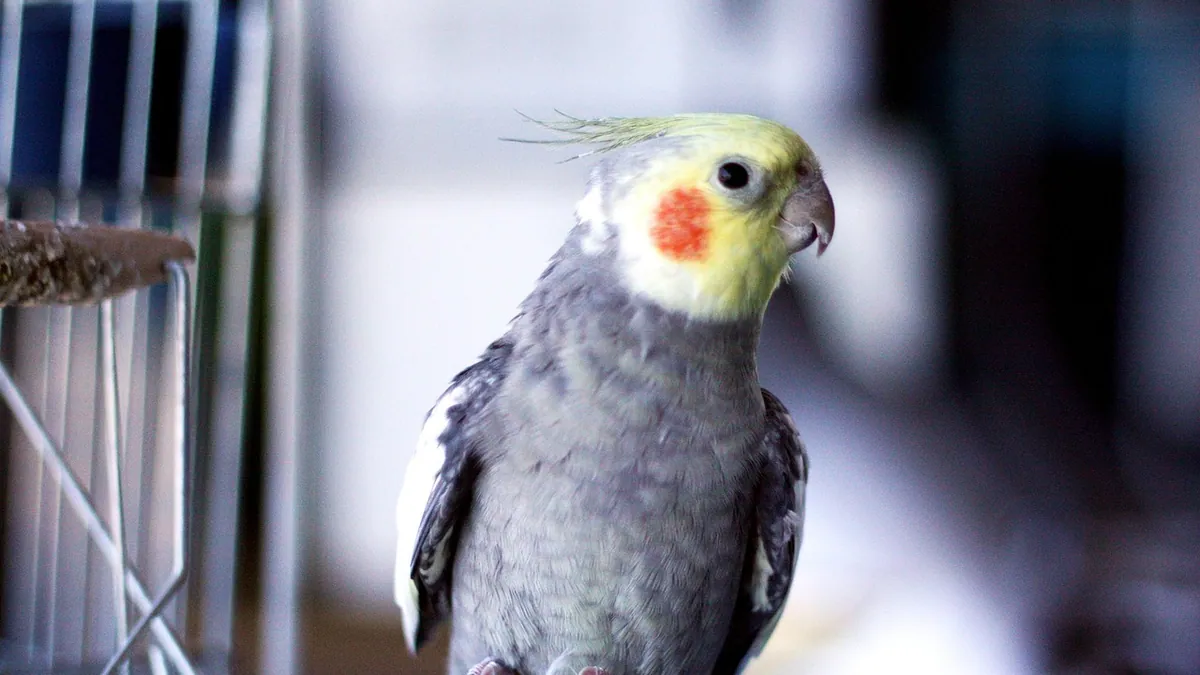
Screaming is one of the most common reasons cockatiels lose their homes, and in most cases it is a normal parrot behavior that has been accidentally rewarded or a sign that something in the environment is wrong. If your cockatiel won't stop screaming, the fix is rarely punishment. It starts with ruling out pain and illness, then meeting the bird's social and enrichment needs, then teaching it a quieter way to get what it wants.
This article is educational and is not a substitute for veterinary diagnosis or treatment.
Quick Answer
- Screaming is a normal cockatiel vocalization. In surveys of avian veterinarians and parrot owners, screaming ranked among the top behavior problems, alongside aggression and feather picking [1].
- Most chronic screaming traces back to one of four things: flock calling (contact calls), hormones, boredom with too little enrichment, or a learned habit that gets a reaction every time.
- Any sudden increase in screaming in a previously quiet bird deserves a veterinary exam, because pain, illness, and even diet-related problems can change vocalization.
- Punishment does not work. Yelling, spraying, or covering the cage usually makes screaming louder and more frequent because the bird still gets attention.
- The humane plan is enrichment plus reward-based training: teach a replacement sound or behavior, reward quiet, and give the bird a reason to be quiet.
Why Is My Cockatiel Screaming? Normal Reasons First
Before you assume something is wrong, understand that cockatiels are flock animals. In the wild, they stay in contact with their flock by calling. A cockatiel alone in a room is, from its point of view, a cockatiel separated from its flock. The loud contact call is how it checks whether anyone is nearby.
Flock calls and contact calls
This is the single most common cause of screaming in pet cockatiels. Your bird calls when you leave the room, when it hears you come home, or when it hears other birds outside. The call means "where are you?" If you answer by walking back or shouting from another room, you have just taught the bird that screaming works.
Hormones and breeding season
Cockatiels respond to day length, and longer daylight hours can trigger breeding behavior. A hormonal cockatiel may scream more, pace, become territorial around the cage, and show aggression. Male cockatiels in particular can become very vocal and persistent during these cycles. If your male cockatiel is screaming more than usual and also showing hormonal body language, the calendar may explain a lot.
Boredom and lack of enrichment
Parrots are intelligent, social animals that need something to do. A cockatiel in a bare cage with one perch and a food bowl will find its own entertainment, and screaming is very entertaining because it produces a reaction. Parrots also respond to music with complex behaviors, including dance, which suggests that sound and stimulation matter a great deal to their welfare [2]. A bird with nothing to do is a bird that screams.
Learned attention-seeking
This is the behavior that turns a normal call into a chronic problem. The bird screams, you come over, talk to it, or uncover the cage. From the bird's side, screaming produced a reward. The behavior gets stronger. By the time owners search for help, the pattern is often months old.
Natural dawn and dusk noise
Many cockatiels are loud at sunrise and sunset. This is normal flock behavior and usually lasts a short time. If the noise is confined to these windows and the bird is quiet the rest of the day, you are dealing with normal vocalization, not a behavior problem.
Medical Causes to Rule Out
Any change in a bird's normal vocal behavior can be a health signal. Birds hide illness well, and a bird that suddenly screams more may be in pain or distress.
Pain and illness
Arthritis, injuries, egg binding, respiratory disease, and gastrointestinal problems can all cause a bird to vocalize more. A bird that screams while shifting position, favoring a leg, or breathing with its tail bobbing needs to be seen promptly.
Reproductive disease in females
Chronic egg laying and reproductive problems are among the most common conditions avian veterinarians see [1]. A female cockatiel that screams, strains, or sits fluffed at the cage floor may have a reproductive emergency. If your bird is female and showing these signs, read about Cockatiel Egg Laying Problems and call your veterinarian.
Diet and vitamin A
Diet can affect behavior and vocalization. In a controlled study, adult cockatiels fed a diet with very high vitamin A levels developed markedly intensified vocalization patterns along with pancreatitis and other abnormalities [3]. The same study found that diets at or above 3000 micrograms of vitamin A per kilogram could cause toxicity in cockatiels at maintenance [3]. This does not mean you should cut vitamin A out of your bird's diet. It means seed-only and supplement-heavy diets can push a bird into an unhealthy range, and a veterinarian should review what you are feeding.
Hearing and vocal learning
Parrots are vocal learners, meaning their calls depend on hearing. When adult male budgerigars, another parrot species, were deafened, their songs changed within six months and the changes persisted a year later [4]. This tells us that a parrot's vocal output is tied to its auditory system. A bird with an ear infection or other hearing problem may vocalize abnormally, and this is one more reason a sudden change deserves a veterinary exam.
When Does Screaming Become a Problem?
Screaming becomes a problem when it is frequent, intense, and out of context. Normal contact calls are brief and stop when the flock reunites. Problem screaming continues for long stretches, happens when you are present, or escalates when you try to quiet the bird.
Ask yourself three questions. Is the bird screaming more than it used to? Is it screaming at times that used to be quiet? Is the screaming affecting your sleep, your neighbors, or your ability to keep the bird? If the answer to any of these is yes, treat it as a behavior problem worth a structured plan.
Owners often seek advice from friends or the internet before talking to a veterinarian [1]. That delay matters, because a veterinarian can rule out medical causes and guide you on housing, nutrition, and enrichment at the same time [1].
How to Stop Cockatiel Screaming: A Step-by-Step Plan
Step 1: Get a veterinary exam first
Schedule a visit with an avian veterinarian. Ask for a full physical exam, a weight, and a discussion of diet. Bring a written log of when the screaming happens, how long it lasts, and what you do in response. This log is the most useful thing you can hand your veterinarian.
Step 2: Stop rewarding the scream
This is the hardest step and the most important. When the bird screams for attention, do not walk over, do not call back, and do not uncover the cage. Wait for a pause, even a two-second pause, then reward the quiet with attention, a treat, or a favorite toy. Every scream that gets a reaction sets you back.
If you must enter the room during a screaming episode, do it without looking at or speaking to the bird. Neutral movement is not a reward. Direct attention is.
Step 3: Teach a replacement behavior
Pick a sound or action you can live with, such as a whistle or a soft word, and reward it every time the bird offers it. Parrots learn by imitation and reinforcement, and a bird that has a reliable way to call you will use it instead of screaming. Practice in short sessions, several times a day.
You can also teach stationing. Have the bird step onto a perch or play stand on cue, then reward. A bird that is busy and reinforced for specific behaviors has less reason to scream.
Step 4: Build a real enrichment plan
Enrichment is not a single toy. It is a daily routine.
- Foraging: hide food in paper, cardboard tubes, or foraging toys so the bird works for part of its diet.
- Rotation: swap toys every few days so the cage stays interesting.
- Out-of-cage time: give your cockatiel supervised time outside the cage every day.
- Music and sound: parrots show dance behavior in response to music, and this kind of stimulation may support a positive welfare state [2]. Try quiet music or nature sounds during the day.
- Social time: cockatiels are flock animals. A predictable daily routine with real interaction reduces contact calling.
Step 5: Fix the environment
- Move the cage so the bird can see household activity but is not in a high-traffic, chaotic spot.
- Keep a consistent sleep schedule with 10 to 12 hours of dark, quiet time. This helps with hormonal screaming.
- Remove mirrors and other triggers if your bird is hormonal or showing reproductive behavior.
- Check the temperature, drafts, and cage placement. A bird that is uncomfortable will vocalize more.
Step 6: Manage hormones
If your bird's screaming tracks with breeding season, reduce daylight hours, remove nest-like spaces and dark cavities, and avoid petting along the back and under the wings. Talk to your veterinarian about whether a reproductive workup is needed, especially for females.
What Not to Do
Do not punish the bird
Yelling, hitting the cage, spraying water, or covering the cage are common reactions. They do not teach quiet. They teach the bird that screaming produces a dramatic event, and they damage your relationship with the bird. Punishment-based approaches also increase fear and can lead to other behavior problems, including biting. If your bird has started biting, see Why Does My Bird Bite, and How to Stop It.
Do not ignore a sudden change
Ignoring a long-standing attention scream is part of the plan. Ignoring a brand-new scream in a bird that was always quiet is a mistake. Sudden changes need a medical workup.
Do not rely on quick fixes
Myths about screaming include the idea that you can "break" the behavior with a few days of ignoring, or that a specific toy or cover will fix it. Chronic screaming is a pattern built over months, and it takes weeks to months of consistent work to change.
Do not compare your bird to a dog or cat
A cockatiel is not a quiet pet by nature. Some noise is normal and healthy. The goal is to reduce problem screaming, not to make a silent bird. If you are also managing other pets, keep in mind that symptoms in other species have their own causes, such as Why Is My Dog Coughing And Gagging Non Stop.
When to Involve a Veterinarian or Behavior Professional
Call your avian veterinarian if the screaming started suddenly, if it comes with any change in appetite, droppings, breathing, or activity, or if your bird is female and showing reproductive signs. A certified behavior professional can help if you have followed a reward-based plan for several weeks with no improvement, or if the screaming is paired with aggression, feather picking, or self-injury.
Limitations and When to Contact a Veterinarian
This article gives general guidance. Individual birds need individual assessment by a veterinarian who can examine the bird, review the diet, and see the home environment.
Contact a veterinarian the same day if your cockatiel is screaming while breathing with an open beak, tail bobbing, or making clicking sounds, if it is straining or has not passed droppings, if it is sitting fluffed at the cage floor, or if it has stopped eating. These can be signs of a serious illness.
Seek emergency care immediately if your bird is bleeding, has a prolapse, is unable to perch, has been exposed to a toxin or fumes, or is gasping. Do not wait for an appointment.
Schedule a routine visit if the screaming is new, if it has gotten worse over weeks, or if you have not had the bird examined since you adopted it. A baseline exam and a diet review are worth the trip.
Frequently Asked Questions
Why is my cockatiel always screaming when I leave the room?
This is a flock call. Your bird is checking whether its flock is nearby, and it will keep calling until it gets an answer or learns that calling does not bring you back. Practice short absences and return only when the bird is quiet.
Why is my male cockatiel screaming more than usual?
Hormones are a common reason. Longer daylight hours, warm weather, and household routines can trigger breeding behavior in males, which often includes more vocalizing and territorial behavior. Reducing daylight hours and removing hormonal triggers usually helps.
Can I stop cockatiel screaming by covering the cage?
Covering the cage may quiet the bird for a few minutes, but it usually makes the problem worse over time. The bird learns that screaming produces a reaction, and it may also become frustrated or fearful. Use a consistent sleep schedule instead of covering as a punishment.
How long does it take to reduce screaming?
Expect weeks to months, not days. The behavior was likely reinforced many times before you started the plan, and change depends on consistency from everyone in the household. If there is no improvement after several weeks of a solid plan, ask your veterinarian about a behavior referral.
Is it normal for a cockatiel to scream at sunrise and sunset?
Yes. Dawn and dusk calling is normal flock behavior and usually lasts a short time. If the noise is limited to those windows and your bird is healthy and quiet the rest of the day, you are seeing normal vocalization.
Related Articles
- Cockatiel Egg Laying Problems
- Why Does My Bird Bite, and How to Stop It
- Cockatiel Lifespan
- Why Is My Cockatiel Making Squeaking or Clicking Noises?
- Why Is My Cockatiel Hissing at Me? What It Means
- Do Cockatiels Bite? Play Biting and How to Stop It
References
- Surveys of avian practitioners and pet owners regarding common behavior problems in psittacine birds. Journal of avian medicine and surgery, 2011.
- Dance behaviour in cockatoos: Implications for cognitive processes and welfare. PloS one, 2025.
- Adult cockatiels (Nymphicus hollandicus) at maintenance are more sensitive to diets containing excess vitamin A than to vitamin A-deficient diets. The Journal of nutrition, 2003.
- Auditory feedback is necessary for long-term maintenance of high-frequency sound syllables in the song of adult male budgerigars (Melopsittacus undulatus). Journal of comparative physiology. A, Neuroethology, sensory, neural, and behavioral physiology, 2007.