Hypothermia in Dogs Under Anesthesia and After Surgery
By Dr. Zubair Khalid, DVM, MS, PhD ·
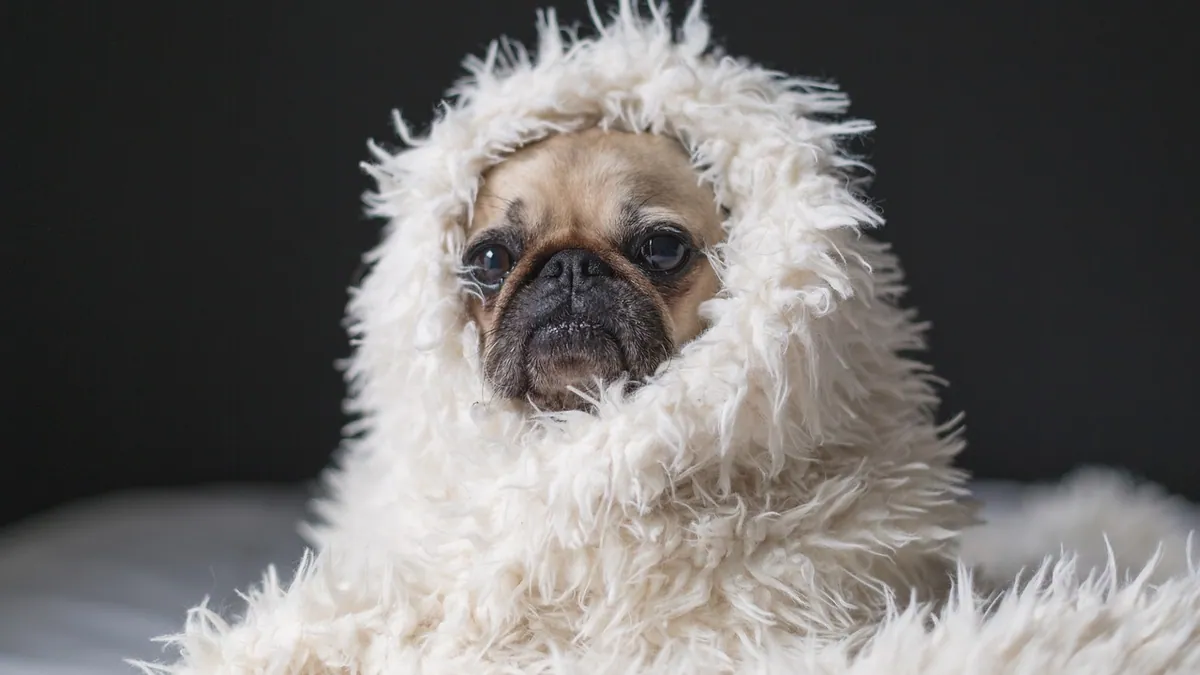
Anesthesia interferes with the body's normal temperature control, so dogs commonly lose heat during surgery and can still be cold hours later. Understanding why this happens helps you know what to expect and when to call your veterinarian. This article explains hypothermia in dogs under anesthesia, how it is prevented and treated, and what to watch for during recovery.
This article is educational and is not a substitute for veterinary diagnosis or treatment.
Quick Answer
- General anesthesia significantly impairs temperature regulation in dogs, so body temperature often drops during and after procedures [1].
- The drop can be worse with some premedication drugs than others, and it tends to be greatest in the first 15 minutes after induction [1].
- Active warming during surgery is standard, but a nonporous wrap added to standard warming did not prevent hypothermia in healthy dogs undergoing spay surgery [2].
- Cold dogs recover more slowly and face added risks, so warming starts before, during, and after anesthesia.
- At home, watch for shivering, cool ears and paws, and unusual sleepiness, and call your vet if your dog does not warm up or seems unwell.
What Is Hypothermia in Dogs Under Anesthesia?
Hypothermia means a body temperature below normal. In dogs, normal rectal temperature is roughly 100.5 to 102.5 degrees Fahrenheit. Under anesthesia, the brain's thermostat stops working the way it should. Anesthetic drugs suppress the normal responses that keep a body warm, such as shivering and constricting blood vessels in the skin.
Temperature regulation in dogs is significantly impaired during general anesthesia [1]. That means a dog in a cool operating room, lying still on a metal table, loses heat and cannot easily replace it. The problem does not stop when the anesthesia stops. A dog can leave surgery with a low body temperature and stay cold for hours afterward. This is why hypothermia in dogs after surgery is a normal concern for veterinary teams, not a rare event.
Signs Owners Notice
Most of the serious temperature management happens while your dog is in the hospital, so you may not see the worst of it. What you see at home during recovery is usually the tail end of the problem.
During pickup and the first hours at home
- Shivering or trembling, even in a warm room
- Cool ears, paws, or skin
- Curling up tightly and seeking warmth
- Sleepiness that seems deeper than expected
- Slow or unsteady movement when standing
Signs that need a call right away
- Shivering that continues for more than an hour despite warming
- Body temperature below 99 degrees Fahrenheit on a rectal thermometer
- Pale or blue-tinged gums
- Weakness, collapse, or trouble waking up
- Breathing that looks slow, shallow, or labored
Some of these signs overlap with normal grogginess after anesthesia. The difference is degree and duration. A dog who is merely sleepy will respond to your voice and warm up gradually. A dog who is truly cold may not.
Causes and Risk Factors
Several things stack up to make a dog cold under anesthesia.
How anesthesia affects temperature control
Anesthetic drugs blunt the body's heat-conserving reflexes. The drop in rectal temperature during anesthesia happens in phases, and the first phase is often the steepest. In one study, the decrease in rectal temperature was statistically separated into three segments, including the 15 minutes following premedication and the 15 minutes following induction into isoflurane maintenance [1]. That early window is when a lot of heat is lost.
The premedication drug matters too. When warming treatments and time points were combined, the decrease in rectal temperature from baseline was significantly greater with acepromazine than with dexmedetomidine [1]. Both drugs are common and appropriate, but this finding helps explain why some dogs cool faster than others.
Surgery and environment
- Long procedures give more time for heat loss.
- Open body cavities, such as thoracic surgery, expose more tissue to room air.
- Cool operating rooms and cold IV fluids pull heat from the body.
- Clipping fur and scrubbing skin removes insulation.
- Small, thin, young, or older dogs lose heat faster.
Dogs with serious underlying disease are also more vulnerable. In a study of dogs having chest surgery, the researchers tracked peri-anesthetic complications and analyzed them by surgical approach and by American Society of Anesthesiologists physical status classification [3]. This kind of risk grading is one reason your veterinarian may take extra warming precautions for a dog who is already fragile.
Brachycephalic dogs (flat-faced breeds) can have a harder time with anesthesia overall, which can affect how smoothly recovery goes. You can read more about that in Anesthetic Complications in Brachycephalic Dogs: Beyond Airway Obstruction.
How Hypothermia Is Diagnosed
Diagnosis is simple and happens in real time. The veterinary team measures your dog's body temperature with a rectal thermometer before anesthesia, repeatedly during the procedure, and again during recovery. Core temperatures are typically monitored from intubation to extubation [2].
There is no blood test for hypothermia itself. Instead, your veterinarian uses the temperature reading plus the physical signs to decide how aggressively to warm your dog. In some cases, other monitoring helps guide care. For example, electroencephalography (EEG) can show changes in depth of anesthesia before clinical signs appear, as described in a case report of a dog under general anesthesia [4]. That kind of monitoring is not routine everywhere, but it shows how closely some hospitals track patients.
If your dog has a known reaction to anesthesia, such as a suspected episode of malignant hyperthermia, your veterinarian will plan a different drug protocol. One case report described a dog with a history of suspected malignant hyperthermia who was managed with total intravenous anesthesia using propofol and a vaporizer-free ventilator to avoid triggering another episode [5]. This is a specialized situation, but it shows that anesthetic plans are tailored to the individual dog.
Treatment Options
Treatment is about stopping heat loss and adding heat back. It starts in the operating room and continues into recovery.
Active warming during anesthesia
Veterinary teams use several warming methods, often in combination:
- Circulating warm water blankets
- Forced air warmers
- Warmed IV fluids
- Warmed blankets and covers
- Heated tables or pads
A newer approach targets the paws. Glabrous skin on paws may facilitate thermoregulation from this area and is a potential target for interventions attenuating hypothermia [1]. A pilot study compared a warming device placed on the front paws with no warming and with conventional truncal warming methods, looking at rectal temperature and anesthetic recovery times [1]. This is early research, so paw warming is not yet a universal standard, but it reflects how much attention goes into keeping patients warm.
What does not work as well as hoped
Not every added layer helps. In a prospective study of healthy dogs undergoing ovariohysterectomy, all patients received intraoperative active warming with a circulating warm water blanket, and some also got a nonporous wrap on the limbs, the head, or both [2]. The wrap did not minimize inadvertent perianesthetic hypothermia in these patients [2]. That is a useful reminder that warming is not one-size-fits-all and that the core problem is internal heat loss, not just surface chill.
Warming during recovery
After anesthesia, your dog is moved to a warm, quiet recovery area. The team continues to check temperature and adds blankets or active warming as needed. Most dogs rewarm within a few hours. If your dog is shivering, that is actually a good sign in one way, because it means the body is trying to generate heat again. But shivering also burns energy and can be uncomfortable, so the team may use warming devices to help.
If your dog had an epidural as part of pain control, the recovery plan may differ slightly. You can learn more in Epidural Anesthesia in Dogs and Cats: Technique, Drugs, and Complications.
A note on drug doses
Every anesthetic and pain medication dose is calculated by your veterinarian based on your dog's weight, age, health status, and the procedure. Never give human medications or leftover pet medications to a recovering dog without specific instructions from your vet.
Recovery, Outlook, and Long-Term Management
For most healthy dogs, hypothermia under anesthesia is a short-term problem that resolves within hours. The outlook is good when warming is managed well.
What the first 24 hours look like
| Time After Surgery | What You May See | What to Do |
|---|---|---|
| First 1 to 2 hours | Grogginess, wobbliness, mild shivering | Keep your dog warm and quiet, offer a small amount of water if your vet allows |
| 2 to 6 hours | More alert, shivering should ease | Check gums and breathing, keep the room warm |
| 6 to 24 hours | Near-normal behavior, may be sleepy | Offer small meals if approved, watch the incision, call your vet with concerns |
| Beyond 24 hours | Gradual return to normal | Follow discharge instructions exactly |
Longer-term considerations
Some dogs recover from anesthesia more slowly than others, and a cold body temperature can contribute to that. If your dog has had a rough recovery once, tell your veterinarian before any future procedure. The team can adjust the warming plan, choose different premedication drugs, or extend monitoring.
If your dog is recovering from a cesarean section, both mother and puppies need careful temperature management. You can read more in Anesthesia for Cesarean Section in Dogs and Cats: Maternal and Neonatal Considerations.
Digestive changes are also common after surgery and anesthesia. If your dog seems uncomfortable or has not had a bowel movement, see Dog Constipation After Surgery: Causes and Safe Relief.
Prevention
Prevention starts before your dog ever reaches the operating table.
What your veterinary team does
- Checks temperature before, during, and after anesthesia
- Uses active warming from induction onward
- Warms IV fluids and surgical prep solutions
- Keeps anesthesia time as short as safely possible
- Chooses premedication drugs with your dog's risk factors in mind
- Monitors blood pressure and other vitals closely
Blood pressure matters here. A study of dogs undergoing desexing surgery evaluated whether an algorithm for guiding treatment of hypotension during general anesthesia limited the severity or duration of low blood pressure [6]. Stable blood pressure supports good circulation, which in turn helps the body hold onto heat.
What you can do at home
- Keep the car warm on the ride home.
- Set up a quiet, draft-free recovery spot before pickup.
- Have clean blankets ready, and use a pet-safe heating pad on low under a towel if your vet approves.
- Do not let your dog lie directly on a heating pad, which can cause burns.
- Take your dog out for short, leashed potty breaks only.
- Follow all medication and feeding instructions exactly.
If your dog ever overheats instead of getting cold, cooling is a different problem with different rules. Rapid cooling methods matter in that situation, and you can read about them in Hypothermia in Dogs Treatment: Warming Protocol and Emergency Signs.
Limitations and When to Contact a Veterinarian
No article can tell you what is happening with your specific dog. Your veterinarian knows your dog's history, the procedure performed, and the drugs used. When in doubt, call.
Call the clinic the same day if:
- Your dog is shivering more than an hour after you get home
- Your dog feels cool to the touch and seems unusually dull
- Your dog refuses water or food for more than a few hours
- The incision looks red, swollen, or has discharge
- Your dog has not urinated within a reasonable time after surgery
Go to an emergency clinic now if:
- Your dog is difficult to rouse or will not respond to you
- Gums are pale, white, or blue
- Breathing is slow, shallow, or labored
- Your dog collapses or has a seizure
- You cannot get a temperature reading and your dog feels cold and limp
Routine visit
If your dog recovered fine but you have questions about future anesthesia, ask at your next wellness appointment. That is a good time to discuss whether a different premedication or warming plan makes sense.
Frequently Asked Questions
How long does hypothermia last after anesthesia in dogs?
Most dogs rewarm within a few hours after surgery with active warming and blankets. The steepest temperature drop usually happens early, in the first 15 minutes after induction. If your dog is still cold many hours later, call your veterinarian.
Is shivering after surgery a good sign?
Shivering usually means the body is trying to generate heat, which is a normal response as anesthesia wears off. It can also be a sign of pain or anxiety. If shivering lasts more than an hour or comes with weakness, call your vet.
Can I use a heating pad on my dog after surgery?
Only with your veterinarian's approval, and never directly against the skin. Place it on low under a towel and check the skin often. Dogs coming out of anesthesia may not move away from heat that is too strong, so burns are a real risk.
Does the type of premedication affect how cold my dog gets?
Yes. In one study, the drop in rectal temperature was significantly greater with acepromazine than with dexmedetomidine when warming methods and time points were combined [1]. Your veterinarian chooses premedication based on your dog's health and the procedure.
Are some dogs more at risk for anesthesia hypothermia?
Yes. Small, thin, young, and older dogs lose heat faster, and long or open-cavity surgeries increase heat loss. Dogs with serious underlying disease also carry more risk, which is why anesthetic risk is often graded before surgery [3]. Tell your vet about any past anesthesia problems.
Related Articles
- Hypothermia in Dogs Treatment: Warming Protocol and Emergency Signs
- Anesthetic Complications in Brachycephalic Dogs: Beyond Airway Obstruction
- Anesthesia for Cesarean Section in Dogs and Cats: Maternal and Neonatal Considerations
- Dog Constipation After Surgery: Causes and Safe Relief
- Epidural Anesthesia in Dogs and Cats: Technique, Drugs, and Complications
- Heatstroke in Dogs Emergency: Cooling Protocol and Vet Triage Guide
- Dog Anesthesia After Effects: Normal Recovery vs Warning Signs
- Is Anesthesia Safe for Dogs? Risks and What to Expect
- Dog Restless After Surgery or Anesthesia: What's Normal?
- Veterinary Emergency and Critical Care (ECC) vs. Anesthesia
References
- Comparison of two active warming techniques on body temperature in healthy, anesthetized dogs premedicated with acepromazine or dexmedetomidine: A pilot study. PloS one, 2025.
- Prospective evaluation of nonporous wrap fails to minimize inadvertent perianesthetic hypothermia in healthy canine patients undergoing ovariohysterectomy. Journal of the American Veterinary Medical Association, 2025.
- Peri-anaesthetic complications in dogs undergoing lateral thoracotomy or median sternotomy: A retrospective study. Veterinary anaesthesia and analgesia, 2026.
- Electroencephalographic power dynamics as early indicator of reduction in depth of anesthesia in a dog. Veterinary anaesthesia and analgesia, 2026.
- Use of total intravenous anesthesia with propofol and a vaporizer-free ventilator to prevent recurrence of malignant hyperthermia in a dog. Veterinary anaesthesia and analgesia, 2026.
- Impact of a hypotension treatment algorithm in dogs undergoing general anaesthesia for desexing surgery. Australian veterinary journal, 2026.