Dog Jumped After Surgery: Is It Dangerous?
By Dr. Zubair Khalid, DVM, MS, PhD ·
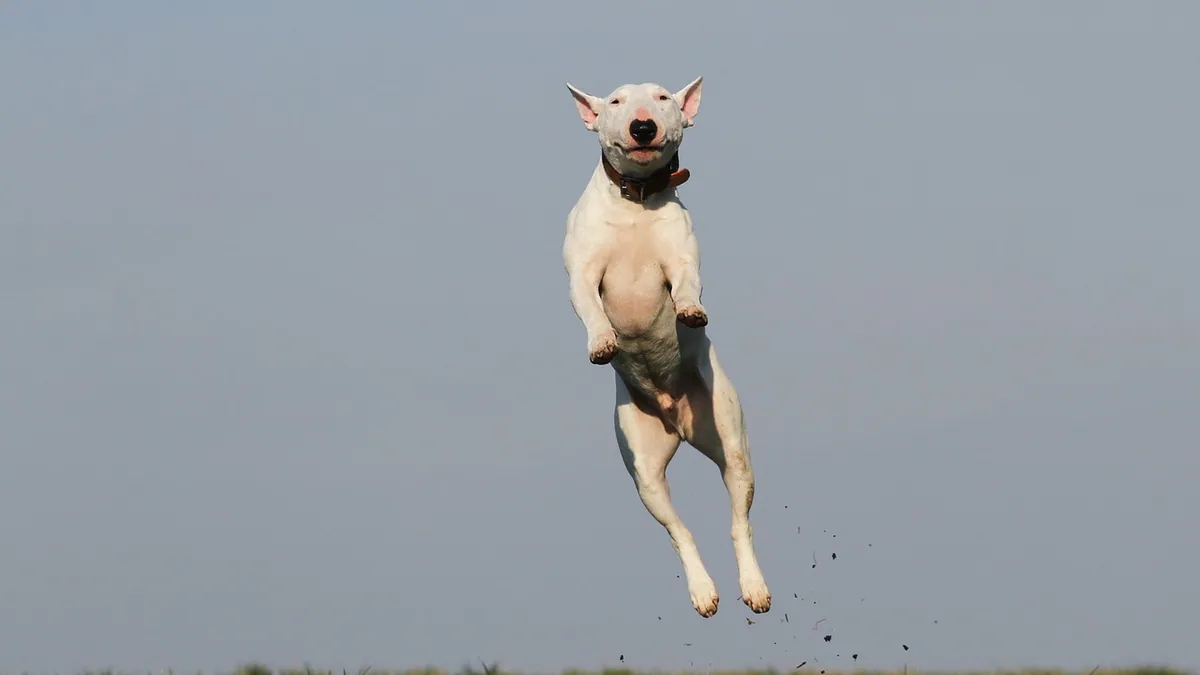
A single jump usually does not ruin a surgery, but it depends on the procedure, how high the jump was, and how your dog landed. Most dogs that jump once during recovery are fine, yet some can pull stitches, stress a repair, or trigger swelling and pain. If your dog jumped after surgery, stay calm, check the incision, and call your veterinary team for guidance.
This article is educational and is not a substitute for veterinary diagnosis or treatment.
Quick Answer
- One jump is rarely an emergency on its own, but it can cause problems after orthopedic procedures like TPLO or FHO.
- Check the incision right away for bleeding, opening, swelling, or discharge.
- Call your vet the same day and describe what happened, how high the jump was, and how your dog is walking now.
- Limit movement immediately and return to strict confinement until your vet says otherwise.
- Watch for non-weight-bearing lameness, vomiting, pale gums, or heavy breathing, which need urgent care.
What to Do Right After Your Dog Jumps
Step 1: Stay calm and do not chase your dog
If your dog is excited or panicked, chasing can cause more jumping and twisting. Speak softly, get a leash, and guide your dog back to a small, quiet space. If your dog is lying down and comfortable, let them stay there for a moment while you watch their breathing and posture.
Step 2: Look at the surgery site
Check the incision for fresh blood, a gap between the skin edges, swelling, redness, or fluid. After procedures such as TPLO, the repair is inside the leg, so the skin may look normal even when something deeper is irritated. A small amount of dried blood at the incision edge is common. Active bleeding, a visible opening, or a sudden bulge is not.
Step 3: Watch your dog walk
Let your dog take a few slow steps on a non-slip surface. Note whether they are using the leg, holding it up, or crying. A dog that was bearing weight before the jump and now refuses to use the leg needs to be seen. A dog that limps briefly and then settles may still need a call, but the urgency is lower.
Step 4: Call your veterinary team
Tell them the procedure your dog had, how many days ago, how high the jump was, and what you are seeing now. Ask whether your dog needs to be rechecked, whether pain medication should be adjusted, and how strict confinement should be for the next few days. Your vet knows your dog's repair and can give the most accurate advice.
Step 5: Reset the recovery routine
Return to the confinement plan you were given. That usually means a crate or a small pen, short leashed potty breaks, and no stairs, furniture, or free roaming. If you were already loosening restrictions, tighten them again until your vet clears your dog.
Dog Jumping After Surgery: What the Risk Really Depends On
The type of surgery matters most
A jump after a spay is very different from a jump after orthopedic surgery. Spay incisions involve the abdominal wall, and a hard landing can put strain on the sutures. Orthopedic repairs involve bone, joint, or soft tissue that must heal without sudden load.
After tibial plateau leveling osteotomy (TPLO), the bone is cut and stabilized with a plate. Postoperative complications are common enough that veterinarians track and grade them carefully. In a recent study of dogs undergoing TPLO, complications were graded using two standardized systems, which shows how much attention this recovery period requires [1]. A jump does not automatically cause a major complication, but it is exactly the kind of sudden load the restriction period is designed to prevent.
After femoral head ostectomy (FHO), the goal is controlled movement and gradual strengthening. A jump can cause a setback in comfort and muscle use, even if the surgery itself is not damaged.
Height, weight, and landing angle matter
Jumping biomechanics vary with body size. In a study of agility dogs jumping a 60 cm hurdle, heavier dogs and dogs with a higher body weight-to-height ratio jumped higher at take-off, over the hurdle, and at landing, and had shorter jump distances [2]. That means a heavier dog landing awkwardly may absorb more force than a lighter dog doing the same thing. This does not tell us exactly what happens after surgery, but it helps explain why your vet asks about your dog's size and the height of the jump.
One jump versus repeated jumping
One isolated jump is a single event. Repeated jumping, running, or scrambling on slick floors is a pattern that adds up. If your dog jumped once and then went back into the crate, the risk is lower than if your dog is now bouncing around the house every time the doorbell rings.
Recovery Activity Schedule and Confinement Checklist
Your veterinarian sets the exact timeline for your dog. The table below shows the general shape of recovery and what to ask about at each stage. It is a guide for questions, not a replacement for your discharge instructions.
| Recovery stage | Typical activity level | What to watch | Questions for your vet |
|---|---|---|---|
| First 24 to 72 hours | Crate rest, leashed potty breaks only | Bleeding, swelling, pale gums, vomiting | Is my pain plan working? When should I recheck? |
| First 1 to 2 weeks | Strict confinement, short leashed walks for elimination | Incision opening, licking, limping, restlessness | Can I use a jumpsuit or cone? How do I handle stairs? |
| Weeks 2 to 6 | Vet-guided increases, often still no jumping or running | Swelling after activity, stiffness, behavior changes | When can we start controlled walks? |
| Weeks 6 to 12 and beyond | Gradual return based on exam or imaging | Limping that returns with more activity | When is off-leash activity safe? |
Confinement checklist
- Crate or pen sized so your dog can stand, turn, and lie down comfortably.
- Non-slip rugs or mats on hard floors.
- A leash kept by the door for every potty trip.
- Food and water within reach so your dog does not have to walk far.
- A recovery suit, cone, or inflatable collar if your dog licks the incision.
- A written medication schedule with times and doses from your vet.
- A log of appetite, bowel movements, pain signs, and activity.
What about a dog jumpsuit after surgery?
A dog jumpsuit after surgery is a full-body garment that covers the incision and can reduce licking. It is not a substitute for confinement, and it does not protect an internal repair from a bad landing. Some suits work well for abdominal incisions, while others are awkward after leg surgery. Ask your vet whether a suit, cone, or both make sense for your dog. Check the suit several times a day for moisture, rubbing, or rolled edges.
Signs That Something Is Wrong
Call your veterinarian if you see any of these after a jump:
- The incision is open, bleeding, or has a new bulge.
- Your dog will not put the leg down at all.
- Your dog cries, pants heavily, or cannot settle.
- Swelling in the leg or around the incision is getting worse.
- Your dog is licking or chewing at the surgery site.
- Your dog refuses food or vomits.
- Your dog has not urinated or had a bowel movement in an unusual amount of time.
Some of these signs overlap with normal postoperative discomfort. Your vet can sort out what is expected and what needs treatment. If your dog is shaking, panting, and restless, it can be hard to tell pain from anxiety. This guide on Dog Shaking and Panting: Is It Anxiety or a Medical Emergency? can help you decide how urgently to call.
Complications are graded for a reason
Veterinary teams use standardized systems to describe how serious a postoperative problem is. One system, proposed in 2010, groups complications as minor, major, or catastrophic, and an adapted Clavien-Dindo system uses five grades and separates sequelae from failures to cure [1]. You do not need to memorize these. The point is that a small incision irritation and a failed bone repair are not the same thing, and your vet will place your dog's situation on that spectrum.
Other postoperative signs to take seriously
Coughing, gagging, or straining after surgery can have several causes, including irritation from the breathing tube, nausea, or pain. If your dog is coughing and gagging after surgery, read Why Is My Dog Coughing And Gagging After Surgery for guidance on when to call.
Constipation is also common after surgery, especially with pain medications and reduced activity. If your dog is straining or has not passed stool, see Dog Constipation After Surgery: Causes and Safe Relief.
Common Mistakes Owners Make
Mistake 1: Assuming one jump is harmless
It may be harmless, but you cannot know without checking. Call your vet and describe what happened. A quick phone call is cheaper and safer than waiting for a swollen leg or an open incision.
Mistake 2: Giving human pain medication
Never give over-the-counter human pain drugs to a dog unless your veterinarian specifically prescribes them. Some common human medications are toxic to dogs. Your vet calculates the right dose from your dog's weight and health, so follow the label from your clinic exactly.
Mistake 3: Letting guilt change the plan
If your dog jumped because you looked away for a second, that is normal. Do not overcorrect by skipping pain medication or by letting your dog out more to "make up for" crate time. Go back to the written plan and call your vet with questions.
Mistake 4: Using furniture as a barrier
Couches, beds, and stairs are not confinement. A dog can jump onto or off furniture faster than you can react. Use a crate, pen, or closed room with no launch points.
Mistake 5: Ignoring behavior changes
Some dogs become restless, vocal, or destructive during confinement. That can be frustration, pain, or anxiety. If your dog's behavior changed after neutering, this article on Dog Behavior Problems After Neutering covers common causes. For general recovery support, see Caring for a Dog After Surgery: Pain Management Rest and Wound Monitoring.
Mistake 6: Skipping the recheck
Rechecks are how your vet confirms healing before activity increases. If you miss one, call to reschedule. Do not decide on your own that your dog seems fine.
Supplies and Setup That Actually Help
Containment
A crate that is large enough to stand and turn but not large enough to pace is ideal for strict rest. If your dog panics in a crate, a small pen or a baby-gated room with no furniture can work. Ask your vet which option fits your dog's surgery.
Traction
Slick floors are a major hidden risk. Non-slip mats, yoga mats, and carpet runners give your dog grip during potty trips and reduce scrambling. This matters most in the first two weeks.
Incision protection
Cones, soft collars, and recovery suits all have pros and cons. A suit can be comfortable but must be checked for moisture and fit. A cone is reliable but some dogs struggle to eat or sleep. Your vet can help you choose.
Calming support
Confinement can be hard on high-energy dogs. Environmental enrichment and, in some cases, medication can reduce excessive arousal. In a randomized controlled trial with shelter dogs, a combination of gabapentin at 20 mg/kg and trazodone at 6 mg/kg plus calm enrichment reduced excessive arousal [3]. This does not mean your dog should get those drugs. It means sedation and enrichment are legitimate tools your veterinarian may consider, and the dose must come from your vet.
A written log
Write down medication times, potty trips, appetite, and any limping. Patterns are easier to spot on paper. Bring the log to your recheck.
Limitations and When to Contact a Veterinarian
No article can tell you whether your dog's specific repair was damaged. That requires an examination, and sometimes imaging. Your veterinarian is the only one who can assess your dog's surgery site, comfort level, and healing stage.
Call your veterinarian the same day if your dog jumped and now has a new limp, swelling, or incision changes.
Go to an emergency clinic now if you see active bleeding that will not stop, an incision that has opened, a limb that is dangling or clearly deformed, pale gums, collapse, trouble breathing, or repeated vomiting.
Schedule a routine recheck if your dog seems comfortable but you want the incision and repair checked before activity increases.
Frequently Asked Questions
Can my dog undo surgery by jumping once?
It is possible but not common. A single jump can strain an incision or a repair, especially after orthopedic surgery, but many dogs come through it with only soreness. Call your vet so the site can be checked and your activity plan adjusted.
How do I know if my dog is in pain after jumping?
Signs include holding the leg up, crying, panting, restlessness, refusing food, and not wanting to be touched near the surgery site. Some dogs go quiet instead of vocal. If pain signs last more than a short time or get worse, call your vet.
Should I restart confinement from day one?
Usually you tighten confinement until your vet examines your dog, but you do not always start the whole clock over. Your vet will tell you how strict to be and for how long based on the procedure and what they find.
Is a jumpsuit enough to stop my dog from licking the incision?
A well-fitted suit can reduce licking, but determined dogs can still reach the area. Many veterinarians recommend a cone or collar as backup, at least when you cannot watch your dog. Check the suit for moisture and rubbing.
When can my dog go back to normal activity?
That depends on the surgery. Bone healing after procedures like TPLO often takes many weeks, and your vet will guide the timeline with exams or imaging. Never return to jumping, running, or stairs until your veterinarian says it is safe.
Related Articles
- Why Is My Dog Coughing And Gagging After Surgery
- Dog Constipation After Surgery: Causes and Safe Relief
- Dog Shaking and Panting: Is It Anxiety or a Medical Emergency?
- Dog Behavior Problems After Neutering
- Caring for a Dog After Surgery: Pain Management Rest and Wound Monitoring
- Surgical Retractors and Exposure Techniques in Small Animals
- My Dog Keeps Jumping After Being Neutered: Is It Safe?
- Is It Bad for Dogs to Jump Off Beds and Couches?
- Dog Restless After Surgery or Anesthesia: What's Normal?
References
- Comparison of two postoperative complication grading systems following an elective orthopedic procedure in dogs. Frontiers in veterinary science, 2026.
- Influence of height, body weight and body weight-to-height ratio on jump kinematics in agility dogs. Research in veterinary science, 2026.
- Combined enrichment and pharmaceutical intervention reduces excessive arousal in shelter dogs in a randomized controlled trial. Frontiers in veterinary science, 2026.