Is Anesthesia Safe for Dogs? Risks and What to Expect
By Dr. Zubair Khalid, DVM, MS, PhD ·
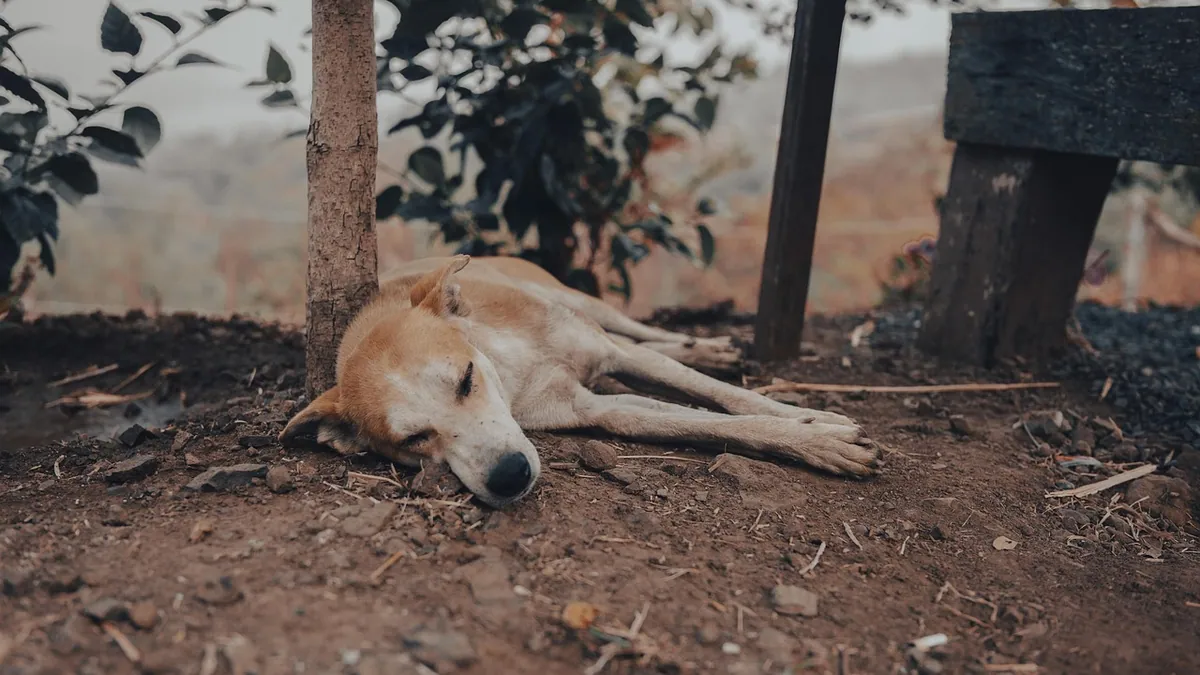
Most dogs go under anesthesia safely, and serious problems are uncommon. The overall dog anesthesia risk of death around the time of a procedure is roughly 0.1% to 0.4%, which is higher than in people but still low [1]. Your dog's own risk depends on health status, the type of procedure, and how carefully the team monitors them.
This article is educational and is not a substitute for veterinary diagnosis or treatment.
Quick Answer
- Healthy dogs having routine procedures face a low but real risk, with reported perioperative mortality around 0.1% to 0.4% [1].
- Sick dogs and dogs having major or emergency surgery are at higher risk than healthy dogs having elective care [2].
- Pre-anesthetic bloodwork, a physical exam, and sometimes imaging help your veterinarian find problems before they matter.
- Modern monitoring tracks heart rate, blood pressure, breathing, oxygen, and depth of anesthesia continuously during the procedure [3].
- Most dogs recover within hours and are back to normal behavior within a day or two, though some are groggy or whiney longer.
What Dog Anesthesia Is and Why It Is Used
General anesthesia means your dog is unconscious and unable to feel pain during a procedure. It usually combines several drugs. A premedication calms your dog and provides early pain relief. An induction drug makes them unconscious quickly. A maintenance drug, often an inhaled gas like isoflurane or sevoflurane, keeps them asleep [4].
Anesthesia is used for spay and neuter surgery, dental cleanings and extractions, tumor removal, orthopedic repair, imaging that requires stillness, and emergency surgery. It is also used for some diagnostic procedures where a dog must stay completely still for accurate results.
The drugs work on the brain and nervous system. Injectable drugs like propofol and ketamine act mainly through different pathways than inhaled gases, and each has its own effects on heart rate, blood pressure, and breathing [4]. Your veterinarian chooses a combination based on your dog's age, weight, health, and the procedure.
Which Dogs Face Higher Dog Anesthesia Risk
Not every dog carries the same risk. The American Society of Anesthesiologists physical status classification, often called the ASA score, is one of the strongest predictors of problems. In a study of rabbits, poorer health status and non-routine procedures were most associated with increased mortality [2]. The same principle applies to dogs.
Health Conditions That Raise Risk
Dogs with heart disease, lung disease, kidney disease, liver disease, diabetes, or hormone disorders often need adjusted protocols and closer monitoring. Heartworm-positive dogs have historically been a concern for spay-neuter timing because of possible cardiovascular compromise, though a review of 164 heartworm-positive dogs undergoing spay-neuter surgery found that many were assessed for candidacy based on physical examination alone and managed with standardized protocols [5].
Age and Breed
Very young and very old dogs tend to be more sensitive to anesthetic drugs. Brachycephalic breeds (bulldogs, pugs, Boston terriers, French bulldogs) have airway anatomy that makes breathing harder under anesthesia. If your dog is one of these breeds, ask your veterinarian about specific precautions.
Procedure Type
Routine elective procedures like spay, neuter, and dental cleanings carry lower risk than emergency surgery, major abdominal surgery, or heart surgery. In dogs undergoing mitral valve repair under cardiopulmonary bypass, perioperative complications were frequent, and certain complications, particularly refractory arrhythmias and low cardiac output events, were often fatal despite aggressive management [6]. That is an extreme example, but it shows how procedure complexity affects risk.
How Pre-Anesthetic Testing Lowers Risk
Pre-anesthetic testing is how your veterinarian finds hidden problems before drugs are given. It usually includes a physical exam, bloodwork (complete blood count and chemistry panel), and sometimes chest X-rays or an ECG.
Bloodwork can reveal anemia, dehydration, organ dysfunction, or electrolyte imbalances. If your dog has a condition like diabetes, glucose monitoring during anesthesia matters. A study of handheld glucometers in anesthetized dogs found that accuracy can vary between devices, and the authors noted that accurate perioperative glucose monitoring is essential in dogs undergoing general anesthesia [7]. That is one reason your veterinarian may use a specific device or send a sample to a lab.
Testing does not eliminate risk, but it lets the team choose safer drugs, adjust doses, and prepare for problems. It also gives you a baseline for comparison if something changes during recovery.
For more on preparing your dog before anesthesia, including fasting guidelines, see Anesthesia Preparation for Dogs and Cats: Pre-Anesthetic Testing and Fasting Guidelines.
What Happens During Anesthesia
Once your dog is asleep, the veterinary team places monitoring equipment. This typically includes a pulse oximeter for oxygen levels, a blood pressure cuff or arterial line, an ECG for heart rhythm, a temperature probe, and a capnograph to measure exhaled carbon dioxide. Someone stays with your dog throughout the procedure to watch these values and adjust anesthesia depth.
Depth of anesthesia is judged by clinical signs like jaw tone, eye position, and reflex responses, and increasingly by brain monitoring. A case report described a dog under general anesthesia where electroencephalographic (EEG) power changes appeared before clinical signs of inadequate depth of anesthesia during a minimally invasive procedure [3]. EEG and processed indices like the bispectral index offer continuous information about how deeply the brain is suppressed [4]. These tools help the team avoid both too-light anesthesia (risk of awareness and movement) and too-deep anesthesia (risk of cardiovascular depression).
Your dog's body temperature is also managed. Anesthesia impairs thermoregulation, so heating pads, warmed fluids, and blankets are used to prevent hypothermia.
If your dog needs a specific pain-control technique, such as an epidural, your veterinarian will discuss it with you beforehand. For details on that option, see Epidural Anesthesia in Dogs and Cats: Technique, Drugs, and Complications.
Recovery Timeline and Home Care
Recovery varies with the drugs used, the procedure, and your dog's health. Here is a general timeline.
| Time After Anesthesia | What You May See | What to Do |
|---|---|---|
| First 1 to 2 hours | Groggy, wobbly, sleepy, may whine or shiver | Keep them warm, quiet, and confined |
| 2 to 6 hours | More alert, may drink small amounts | Offer small sips of water, then a small meal if fully awake |
| 6 to 24 hours | Mostly normal behavior, may sleep more | Keep activity restricted as instructed, give medications as directed |
| 1 to 3 days | Appetite and energy return to normal | Watch the incision, monitor for vomiting, diarrhea, or lethargy |
| 3 to 7 days | Continued healing | Follow activity restrictions, keep the incision clean and dry |
Some dogs take longer to fully clear anesthesia, especially older dogs or those with organ disease. If your dog is still very sedate 24 hours later, call your veterinarian.
Pain control at home matters too. Never give human pain relievers without veterinary guidance. Some are toxic to dogs. For a safe overview, see Can You Give Your Dog Human Pain Relievers? What's Safe and What's Not.
Possible Complications and Warning Signs
Complications during or after anesthesia can include low blood pressure, abnormal heart rhythms, low oxygen levels, aspiration of stomach contents, hypothermia, and prolonged recovery. In a study of dogs undergoing heart surgery under cardiopulmonary bypass, refractory arrhythmias and low cardiac output events were often fatal despite aggressive management [6]. Those are high-risk procedures, but they show what serious complications look like.
Less severe side effects include vomiting, diarrhea, whining, shivering, and temporary behavior changes. These usually resolve within a day.
When to Call Your Veterinarian
Call right away if you see any of these after anesthesia:
- Trouble breathing, noisy breathing, or blue gums
- Collapse or inability to stand
- Vomiting that will not stop
- Severe shaking or seizures
- Incision bleeding, swelling, or discharge
- No urination for more than 12 hours
- Extreme lethargy that does not improve
If your dog has a known heart condition or is a brachycephalic breed, ask about specific warning signs. For brachycephalic dogs, complications can go beyond simple airway obstruction, as covered in Anesthetic Complications in Brachycephalic Dogs: Beyond Airway Obstruction.
Questions to Ask Your Veterinarian
Before you consent, ask these questions. The answers help you understand your dog's specific risk and what will be done to reduce it.
- What is my dog's ASA physical status score, and what does it mean for this procedure?
- What pre-anesthetic tests do you recommend, and why?
- Who will monitor my dog during anesthesia, and what equipment will be used?
- What pain-control plan will you use during and after the procedure?
- What complications are most likely for my dog, and what is the plan if they happen?
- What should I watch for at home, and when should I call you?
If your dog has a complex condition, ask whether a board-certified anesthesiologist will be involved. Some specialty hospitals have one on staff.
Limitations and When to Contact a Veterinarian
This article gives general information, not a diagnosis or treatment plan. Every dog is different. Your veterinarian needs to examine your dog and review their history to give you accurate advice.
Call your veterinarian the same day if your dog is very sleepy, will not eat, vomits more than once, or seems painful despite medication. Go to an emergency clinic immediately if your dog has trouble breathing, collapses, has a seizure, or has gums that look blue, white, or gray. For routine questions about recovery or medication timing, call your regular veterinary office during normal hours.
If you are unsure whether something is urgent, call your veterinarian or an emergency clinic and describe what you see. They can tell you whether to come in.
Frequently Asked Questions
Is it safe for dogs to go under anesthesia?
For most healthy dogs, yes. The risk of death around the time of anesthesia and surgery is low, though it is higher than in people [1]. Your dog's individual risk depends on their health, age, breed, and the procedure.
What are common dog anesthesia side effects?
Common side effects include grogginess, wobbliness, whining, shivering, vomiting, and diarrhea. These usually fade within a day. Some dogs sleep more for 24 to 48 hours. Call your veterinarian if side effects are severe or do not improve.
What is the dog anesthesia death rate?
Reported perioperative mortality in dogs is about 0.1% to 0.4% [1]. That means roughly 1 to 4 dogs out of every 1,000 die around the time of anesthesia and surgery. The rate is higher for sick dogs and complex procedures [2].
Can anesthesia cause long-term problems in dogs?
Serious long-term problems are uncommon. Most dogs recover fully. Some older dogs or dogs with organ disease may take longer to clear the drugs. If your dog has a pre-existing condition, ask your veterinarian about long-term monitoring.
How long does it take for a dog to wake up from anesthesia?
Most dogs start waking within 10 to 30 minutes after the anesthetic gas is turned off, though this varies with the drugs used and your dog's health. Full alertness may take a few hours. Some dogs remain groggy for a day.
Related Articles
- Anesthesia Preparation for Dogs and Cats: Pre-Anesthetic Testing and Fasting Guidelines
- Anesthetic Complications in Brachycephalic Dogs: Beyond Airway Obstruction
- Can You Give Your Dog Human Pain Relievers? What's Safe and What's Not
- Epidural Anesthesia in Dogs and Cats: Technique, Drugs, and Complications
- Dog Anesthesia Death Rate: How Age and Health Affect Risk
- Dog Anesthesia After Effects: Normal Recovery vs Warning Signs
- Dog Sedation vs Anesthesia: What's the Difference?
References
- A Guide to the Anesthetic Management of Canine Models in Cardiac Surgery. The Journal of surgical research, 2026.
- A review of perioperative mortality in pet rabbits in Australia. Australian veterinary journal, 2025.
- Electroencephalographic power dynamics as early indicator of reduction in depth of anesthesia in a dog. Veterinary anaesthesia and analgesia, 2026.
- General anesthesia and depth of anesthesia (DoA) evaluation methods in laboratory animals: a comprehensive review. Veterinary research communications, 2026.
- Retrospective review of clinical and anesthetic findings in 164 heartworm-positive dogs undergoing spay-neuter surgery. Parasites & vectors, 2026.
- Anaesthetic management and peri-anaesthetic morbidity and mortality in a population of 176 dogs undergoing mitral valve repair under cardiopulmonary bypass. Frontiers in veterinary science, 2026.
- Perioperative Validation of Two Handheld Glucometers in Dogs Under General Anesthesia: Analytical Robustness and Clinical Risk Assessment. Animals : an open access journal from MDPI, 2026.