Dog Anesthesia After Effects: Normal Recovery vs Warning Signs
By Dr. Zubair Khalid, DVM, MS, PhD ·
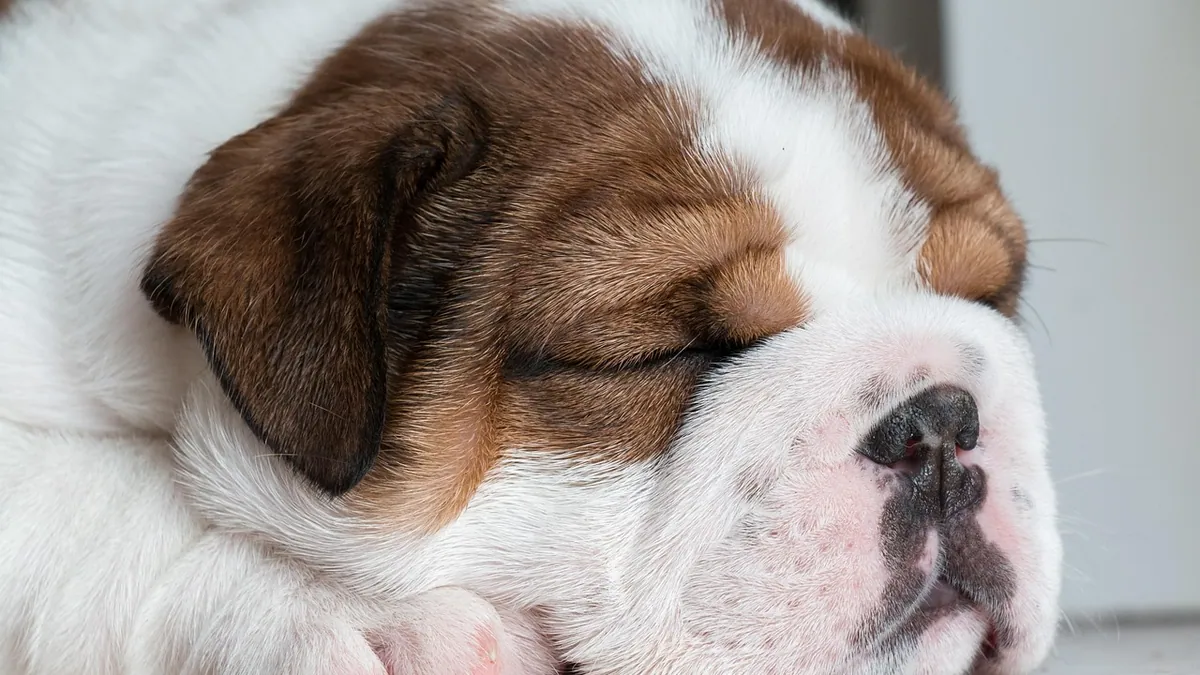
Most dogs wake up groggy, wobbly, and sleepy after anesthesia, and these dog anesthesia after effects usually fade within 24 to 48 hours. Breathing trouble, bleeding, or a dog who cannot be roused needs a veterinarian right away. This article is educational and is not a substitute for veterinary diagnosis or treatment.
Quick Answer
- A normal recovery looks like sleepiness, unsteady walking, mild whining, and a reduced appetite for the first day.
- Keep your dog warm, quiet, and confined to a small, padded space for the first 12 to 24 hours.
- Offer small amounts of water first, then a light meal once your dog is fully alert.
- Call your veterinarian the same day if you see heavy bleeding, repeated vomiting, or a dog who will not wake up.
- Go to an emergency clinic now if your dog has trouble breathing, pale or blue gums, or a swollen surgical site.
What Is Anesthesia and Why Does Your Dog Need It?
Anesthesia is a controlled, reversible state of unconsciousness that lets a veterinarian perform surgery or a painful procedure without your dog feeling pain or moving. It is different from sedation, which calms a dog without fully putting them under.
Veterinarians use anesthesia for routine spays and neuters, dental cleanings, orthopedic repairs, and imaging procedures. Some dogs receive sedation alone for short, low-pain tasks like nail trims or radiographs. Others need general anesthesia with a breathing tube and inhaled gas.
The drugs used vary widely. Common protocols combine a sedative or pain medication given before induction, an injectable drug to put the dog to sleep, and either an inhaled gas or a continuous intravenous infusion to keep them under [1]. Your veterinarian chooses the combination based on your dog's age, weight, breed, and health history.
Brachycephalic breeds (flat-faced dogs like Bulldogs, Pugs, and French Bulldogs) deserve special mention. These dogs have anatomically narrow, load-sensitive upper airways, which makes the period around waking up and having the breathing tube removed a higher-risk window [2]. If your dog is brachycephalic, ask your veterinarian what extra precautions they plan to take.
How to Prepare Your Dog for Anesthesia
Preparation starts before you ever leave the house. Most veterinarians ask you to withhold food for a set number of hours before the procedure. The exact fasting window depends on your dog's age and health, so follow your clinic's instructions exactly.
Tell your veterinarian about every medication, supplement, and herbal product your dog takes. Some drugs interact with anesthetic agents. Also mention any previous reaction to anesthesia, even a mild one.
On the morning of the procedure, keep your dog calm. A short, quiet trip to the clinic is better than a chaotic one. Bring any records from other clinics if you have them.
Ask what monitoring will be used. Most clinics track heart rate, blood pressure, oxygen levels, and body temperature throughout the procedure. Some also use electroencephalography (EEG) to gauge how deeply a dog is anesthetized. A recent case report described EEG power changes that appeared before clinical signs of inadequate depth of anesthesia in a dog during a minimally invasive procedure [3]. This kind of monitoring helps the team adjust drug levels in real time.
What Happens During the Procedure
Your dog is examined and weighed. The veterinarian or technician places an intravenous catheter, usually in a front leg. Premedication is given to reduce anxiety and provide pain relief.
Induction follows. A drug such as propofol is injected to bring on unconsciousness. The speed of that injection matters for how the drug is titrated. A review of four randomized controlled trials found inconsistent results on whether faster propofol infusion increases post-induction apnea in dogs, but slow administration is recommended when titrating to effect because it reduces the total dose required [4].
Once your dog is unconscious, a breathing tube is placed to protect the airway and deliver oxygen or inhaled anesthetic. Throughout the procedure, the team monitors vital signs and adjusts the anesthetic depth.
After the procedure ends, the anesthetic is turned off and your dog is allowed to wake up. For brachycephalic dogs, some veterinarians use a timing-controlled approach that keeps the airway secured while the inhalant washes out, then deliberately triggers awakening right before the breathing tube is removed [2]. This reduces the risk of airway collapse during emergence.
Dog Anesthesia Recovery Timeline and Home Care
The first 24 to 48 hours are the most important window for watching your dog. Here is what a typical recovery looks like.
| Time After Anesthesia | What You May See | What to Do |
|---|---|---|
| 0 to 2 hours (at clinic) | Groggy, unable to stand, slow blinking | Clinic staff monitors until your dog can hold their head up |
| 2 to 8 hours (first hours home) | Wobbly, unsteady, whining, dilated pupils | Confine to a small padded area, keep warm, offer small sips of water |
| 8 to 24 hours | Sleepy but more alert, may refuse food | Offer a small light meal, keep activity restricted |
| 24 to 48 hours | Nearly back to normal, appetite returns | Short leash walks only, no jumping or stairs |
| 48 to 72 hours | Full recovery for most dogs | Resume normal routine unless your vet says otherwise |
Your dog will likely be wobbly after anesthesia. This is normal. The drugs affect coordination and balance, and it takes time for them to clear. Keep your dog on a leash even for bathroom breaks. Stairs are a fall risk. So is furniture.
Keep the environment quiet. Children and other pets should be kept away for the first few hours. A dog coming out of anesthesia may be disoriented and could snap if startled.
Offer water in small amounts at first. If your dog drinks too much too fast, they may vomit. Once your dog is fully alert and keeping water down, offer a small meal. Bland food is easier on the stomach. Your veterinarian can tell you what to feed and when.
Some dogs whine or vocalize during recovery. This can be confusion, mild pain, or a reaction to the drugs wearing off. If the whining seems to be from pain, call your veterinarian. They may adjust the pain medication.
For more detail on post-surgical care, see Caring for a Dog After Surgery: Pain Management Rest and Wound Monitoring.
If your dog seems anxious or restless during recovery, that can be a drug effect or genuine distress. Learn to read the signs in Dog Anxiety Signs: What Should Owners Watch For?.
Possible Complications and Warning Signs
Most recoveries are uneventful. But complications do happen, and some are serious. The overall perioperative mortality rate in dogs is estimated at 0.1% to 0.4%, which is higher than in humans [5]. Knowing what to watch for helps you act quickly.
Breathing Problems After Anesthesia
Breathing problems after anesthesia are the most urgent concern. Watch for:
- Labored breathing or visible effort with each breath
- Blue, grey, or pale gums and tongue
- Noisy breathing that gets worse
- A respiratory rate that stays high while your dog is resting
- Gasping or extended neck posture
Brachycephalic dogs are at higher risk for airway complications during and after emergence [2]. If your dog is a flat-faced breed, be especially vigilant in the first few hours after you get home.
Bleeding
Some spotting at the incision is normal. Active bleeding is not. Call your veterinarian if the incision drips blood, if you see a growing bruise, or if blood soaks through the bandage.
Lethargy and Mentation
Sleepiness is expected. A dog who cannot be roused, who does not respond to their name, or who seems to get more sedated instead of more alert needs immediate attention. This can signal poor drug clearance, low blood sugar, or another problem.
Other Warning Signs
- Vomiting more than once or twice
- A body temperature that feels very cold or very hot to the touch
- A swollen, red, or discharge-filled incision
- Tremors or seizures
- Refusing all food and water for more than 24 hours
If your dog had an epidural as part of their pain plan, there are additional considerations. See Epidural Anesthesia in Dogs and Cats: Technique, Drugs, and Complications.
Some dogs develop constipation after surgery, especially if they received opioids for pain. Learn more in Dog Constipation After Surgery: Causes and Safe Relief.
Questions to Ask Your Veterinarian
Before your dog goes home, ask these questions. Write down the answers.
- What drugs were used, and what after effects should I expect from each one?
- When can my dog eat and drink normally?
- What pain medication should I give, and at what dose? (Your veterinarian calculates the dose from your dog's weight and health.)
- What activity restrictions apply, and for how long?
- What specific signs should make me call you versus go to an emergency clinic?
- When is the recheck appointment?
If your dog was neutered, behavior changes may come up in the following weeks. For context, see Dog Behavior Problems After Neutering.
Limitations and When to Contact a Veterinarian
This article covers general patterns. Every dog responds differently to anesthesia based on age, breed, weight, health conditions, and the specific drugs used. Your veterinarian knows your dog's case and can give you guidance that fits.
Call your veterinarian the same day if you notice:
- Vomiting more than twice
- Diarrhea that starts after surgery
- A low-grade fever or a body temperature that feels off
- Mild swelling or redness at the incision
- Your dog refuses food for more than 24 hours
- Whining that seems to be from pain
Go to an emergency clinic now if you notice:
- Difficulty breathing or blue gums
- Bleeding that will not stop
- A dog who cannot be woken up
- Seizures or severe tremors
- A surgical incision that opens or has a foul-smelling discharge
- Collapse or inability to stand after the first 24 hours
When in doubt, call. Veterinary teams would rather answer a question than treat a crisis later.
Frequently Asked Questions
How long does it take for a dog to fully recover from anesthesia?
Most dogs are back to normal within 24 to 48 hours. Some are groggy for a bit longer, especially older dogs or those who received multiple drugs. If your dog is still very sedated after 48 hours, call your veterinarian.
Is it normal for my dog to whine after anesthesia?
Yes, mild whining is common. It can come from confusion, disorientation, or the drugs wearing off. If the whining is intense, constant, or seems to be from pain, contact your veterinarian.
Can my dog sleep on the bed after anesthesia?
It is safer to keep your dog in a small, confined space on the floor for the first night. A dog who is still wobbly could fall off the bed and get hurt. A crate or a padded pen works well.
Why is my dog panting after anesthesia?
Panting can be a normal response to pain, stress, or the drugs wearing off. It can also signal a breathing problem. If the panting is heavy, continuous, or comes with blue gums or labored breathing, treat it as an emergency.
When can my dog eat after anesthesia?
Most veterinarians allow a small amount of water once your dog is fully alert. Food usually follows a few hours later, once your dog is holding water down. Follow your clinic's specific instructions, because the timing depends on the procedure and the drugs used.
Related Articles
- Caring for a Dog After Surgery: Pain Management Rest and Wound Monitoring
- Dog Constipation After Surgery: Causes and Safe Relief
- Dog Anxiety Signs: What Should Owners Watch For?
- Dog Behavior Problems After Neutering
- Epidural Anesthesia in Dogs and Cats: Technique, Drugs, and Complications
- Anesthesia Preparation for Dogs and Cats: Pre-Anesthetic Testing and Fasting Guidelines
- Dog Restless After Surgery or Anesthesia: What's Normal?
- Hypothermia in Dogs Under Anesthesia and After Surgery
- Is Anesthesia Safe for Dogs? Risks and What to Expect
- Board Certified Veterinary Specialties: Surgery, Anesthesia, and Emergency
References
- Evidence for the use of total intravenous anaesthesia versus inhalant anaesthetics in dogs: a systematic review. Veterinary anaesthesia and analgesia, 2026.
- Timing-controlled concept for extubation in brachycephalic dogs: α2-bridged on-demand extubation. Frontiers in veterinary science, 2026.
- Electroencephalographic power dynamics as early indicator of reduction in depth of anesthesia in a dog. Veterinary anaesthesia and analgesia, 2026.
- Appearance of post-induction respiratory apnoea in dogs following slow or fast administration of propofol. Veterinary evidence, 2026.
- A Guide to the Anesthetic Management of Canine Models in Cardiac Surgery. The Journal of surgical research, 2026.