Dog Restless After Surgery or Anesthesia: What's Normal?
By Dr. Zubair Khalid, DVM, MS, PhD ·
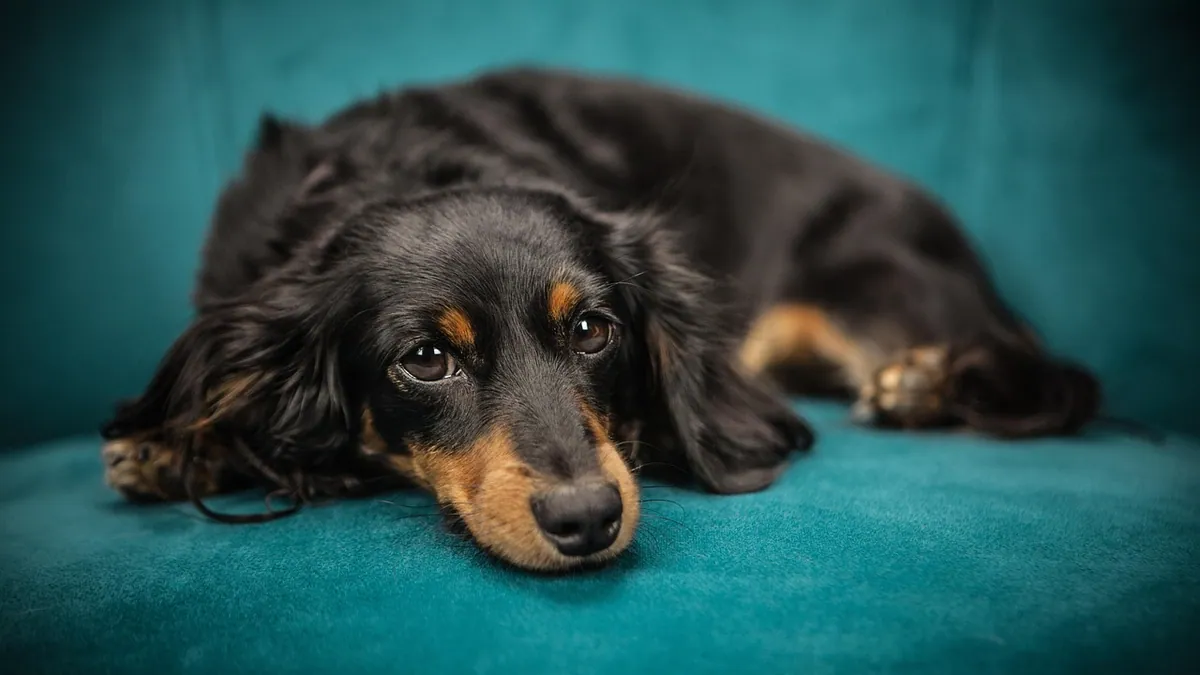
Bringing your dog home after surgery can be stressful, especially if they seem agitated instead of sleepy. A dog restless after surgery is often experiencing the lingering effects of anesthesia, pain, or disorientation, and this is usually temporary. The line between normal recovery behavior and a problem worth a phone call can be hard to spot on your own.
This article is educational and is not a substitute for veterinary diagnosis or treatment.
Quick Answer
- Mild restlessness, whining, pacing, and unsteady walking are common in the first 12 to 24 hours as anesthesia wears off.
- Dysphoria (a confused, agitated state) is a recognized post-anesthetic complication in dogs, including brachycephalic breeds recovering from airway procedures [1].
- Pain is a leading cause of restlessness, and poorly controlled pain slows recovery. Multimodal analgesia (combining drugs and local anesthetics) gave the fastest, most sustained relief in small-breed dogs after orthopedic surgery [2].
- Lethargy that deepens, breathing trouble, pale gums, a distended belly, or a surgical incision that opens are reasons to call your vet right away.
- Keep your dog confined, quiet, and away from stairs, and never give human pain medications.
What Restlessness After Surgery Looks Like
Restlessness covers a range of behaviors. Your dog may pace in circles, refuse to lie down, shift positions constantly, whine, pant, or stare at the wall. Some dogs tremble or seem unable to get comfortable. Others try to lick or chew at the incision.
Some of this is expected. Anesthesia takes hours to fully clear, and your dog may be disoriented, unsteady, or unusually vocal during that time. Dogs recovering from anesthesia can also show a surge in heart rate and alertness when reversal drugs are used, as seen in one report where a dog's heart rate jumped to 240 beats per minute within a minute of naloxone administration before gradually returning to normal [3]. That kind of response is a known effect of reversing sedation, not a sign of a new disease.
Normal recovery restlessness usually settles within a day. It tends to come in waves, and your dog should be able to rest between episodes. They should recognize you, respond to their name, and gradually become more settled.
Normal vs. Not Normal
Normal in the first 24 hours:
- Whining or whimpering that fades
- Pacing that stops when you sit quietly nearby
- Wobbly walking that improves hour by hour
- Sleeping more than usual (lethargy in dogs after surgery is common)
- Mild shivering from low body temperature
Not normal:
- Restlessness that gets worse instead of better
- Crying that does not stop no matter what you do
- Breathing that looks labored, fast, or noisy
- A dog who cannot be roused or who seems unaware of you
- Any bleeding, swelling, or discharge at the incision
Why Your Dog Is Restless: Main Causes
Several things can drive restlessness after surgery. Sorting out which one is happening matters, because the fix is different for each.
Dysphoria From Anesthesia and Pain Medications
Dysphoria is a state of confusion and agitation that can follow anesthesia and opioid pain medications. It is a recognized perianesthetic complication in dogs, and it appears on the list of complications tracked in brachycephalic dogs undergoing anesthesia [1]. A dysphoric dog may whine, pace, paddle, or seem distressed without being in pain. The behavior often looks like anxiety but has a drug-related cause.
Pain
Pain is one of the most common reasons a dog paces or cannot settle. If your dog had orthopedic surgery, pain control is especially important. In a study of 205 small-breed dogs (7 kg or less) having orthopedic procedures, dogs given multimodal analgesia (local anesthetics plus hydromorphone plus meloxicam) reached pain resolution fastest, with all patients resolving by 48 hours [2]. That tells you two things. Pain after surgery is real, and it is treatable when the plan is right.
Anxiety and Unfamiliar Surroundings
Some dogs are simply anxious. Preoperative anxiety is common enough that researchers study drugs to reduce it, and one trial found that oral tasipimidine given before surgery significantly lowered anxiety scores compared with controls [4]. If your dog was already anxious before surgery, that anxiety often carries into recovery.
Brachycephalic Breeds
Flat-faced dogs (bulldogs, pugs, French bulldogs, Boston terriers) have special risks. In one review of 45 brachycephalic dogs, having prior corrective airway surgery reduced the odds of complications during later anesthetic events by 79% [1]. Even so, dysphoria and respiratory distress remain concerns in this group, so restlessness plus noisy breathing deserves a call.
Table: Cause, Clues, and Urgency
| Cause | Typical clues | How urgent |
|---|---|---|
| Dysphoria from anesthesia or opioids | Pacing, whining, paddling, staring, started soon after waking | Call your vet if it does not settle within a few hours |
| Pain | Whining when moved, guarding the incision, tense belly, restlessness that worsens | Call your vet the same day to adjust pain control |
| Anxiety | Trembling, clingy behavior, worsens when you leave the room | Routine call, often manageable at home |
| Full bladder or constipation | Straining, pacing near the door, no bowel movement for a day or more | Call your vet if your dog cannot urinate |
| Low body temperature | Shivering, cool ears and paws, curled up tight | Warm gently and call if it does not improve |
| Bleeding or wound problem | Swelling, discharge, blood on the bedding, incision gaping | Emergency, call now |
Red Flags That Mean Call the Vet Now
Some signs should never wait until morning.
- Trouble breathing, including noisy breathing, blue or pale gums, or a dog who will not lie flat
- A heart rate that stays very fast or irregular
- Collapse, extreme weakness, or a dog you cannot wake
- Vomiting that will not stop, or a belly that looks swollen and feels hard
- No urination for more than 12 hours, or straining to urinate with nothing coming out
- Bleeding that soaks through the bandage, or an incision that has opened
- A body temperature that feels very hot or very cold to the touch
If your dog is pacing and panting at night and you cannot tell whether it is pain or anxiety, that pattern is covered in more detail in Dog Panting and Restless at Night: When to Call the Vet.
What You Can Safely Do at Home
Your job during recovery is to keep your dog calm, comfortable, and contained. Here is what helps.
Set Up a Quiet Space
Use a crate or a small, padded area away from foot traffic, other pets, and loud noise. Soft bedding and a dim light help. Keep the room warm, since anesthesia can drop body temperature.
Limit Movement
No stairs, no jumping on furniture, no running. For most surgeries, leash-only bathroom breaks are the rule. Your vet will tell you how long to keep this up, and it depends on the procedure.
Offer Small Amounts of Water and Food
Follow your vet's instructions on when to feed. Start with small amounts of water, then a small meal if your dog is alert and not vomiting. A dog who is too nauseated to eat may need medication.
Do Not Give Human Medications
Never give ibuprofen, acetaminophen, aspirin, or any human pain reliever. These can be toxic to dogs. Only give medications your veterinarian prescribed, at the dose they set for your dog's weight and health.
Use Calm, Low-Key Comfort
Sit nearby, speak softly, and keep the environment boring. If your dog is anxious, a covered crate or a familiar blanket can help. If your dog is pacing and you cannot tell whether it is anxiety or something medical, this guide walks through the difference: Dog Pacing and Restless: Anxiety or Medical Emergency?.
Watch the Incision
Check the incision twice a day for redness, swelling, discharge, or separation. Keep an Elizabethan collar or recovery suit on if your dog licks. Licking is a common cause of wound problems and infection.
For a full walkthrough of home recovery, including wound checks and rest rules, see Caring for a Dog After Surgery: Pain Management Rest and Wound Monitoring.
What Your Veterinarian Will Check
When you call or bring your dog in, your vet will work through a short list.
- Pain score. Vets use standardized pain scales, such as the Glasgow Composite Measure Pain Scale-Short Form, which was used to track pain in dogs after orthopedic surgery [2]. This gives an objective number instead of a guess.
- Vital signs. Heart rate, breathing rate, temperature, and gum color. A fast heart rate can point to pain, anxiety, or a drug effect [3].
- Anesthesia and drug history. Your vet will review what was given, including premedications like dexmedetomidine or morphine, since these affect recovery behavior [4][5].
- The surgical site. They will check for swelling, bleeding, or infection.
- Urination and bowel function. A dog who cannot urinate needs attention quickly.
- Depth of anesthesia concerns. In rare cases, a dog may have been light under anesthesia, and monitoring tools like EEG can detect that before clinical signs appear [5]. This is a hospital-level concern, not something you assess at home.
Depending on findings, your vet may adjust pain medication, add an anti-nausea drug, provide a sedative, or place an IV for fluids. They calculate every dose from your dog's weight and health status.
Preventing and Monitoring Restlessness
Good preparation lowers the odds of a rough recovery.
- Tell your vet about anxiety ahead of time. If your dog is anxious at the clinic, say so. Preoperative anxiety can be managed, and drugs like tasipimidine have been shown to reduce anxiety-related behaviors before surgery [4].
- Ask about the pain plan. Multimodal analgesia gave the best results in small-breed dogs after orthopedic surgery [2]. Ask whether local anesthetics, nonsteroidal anti-inflammatories, and other drugs are part of the plan.
- Confirm discharge instructions. Know the dose, timing, and duration of every medication. Know what activity level is allowed.
- Keep a simple log. Note when your dog rests, paces, eats, drinks, urinates, and has a bowel movement. This helps your vet spot patterns.
- Plan for the first night. Set up your sleeping area near your dog. The first night is usually the hardest.
- Know your emergency options. Save your vet's number and the nearest emergency clinic before you need them.
Some dogs get constipated after surgery, which can add to restlessness and straining. That problem is covered in Dog Constipation After Surgery: Causes and Safe Relief.
Limitations and When to Contact a Veterinarian
This article gives general guidance, but every dog is different. Your dog's age, breed, procedure, and drug protocol all change what is normal. Only your veterinarian can examine your dog and decide what is happening.
Call the same day if:
- Restlessness does not improve within a few hours or gets worse
- Your dog seems to be in pain despite medication
- Your dog will not eat or drink by the next day
- There is mild swelling, redness, or a small amount of discharge at the incision
- Your dog has not urinated in 12 hours or has not had a bowel movement in 24 to 48 hours
Go to an emergency clinic now if:
- Breathing is labored, noisy, or your dog's gums are pale or blue
- Your dog collapses or cannot be woken
- Bleeding will not stop or the incision has opened
- Your dog is straining to urinate with nothing coming out
- Your dog has repeated vomiting or a hard, swollen belly
Routine visit if:
- Recovery is slower than expected but your dog is comfortable
- You have questions about medication timing or activity limits
- The incision looks slightly different than it did at discharge
Frequently Asked Questions
How long does restlessness last after anesthesia?
Most dogs settle within 12 to 24 hours as the drugs clear. Some dogs, especially those given opioids or reversal agents, may show agitation for a bit longer [3]. If restlessness is still going strong after a full day, call your vet.
Is it normal for my dog to be lethargic after surgery?
Yes, some lethargy is expected. Anesthesia and pain medications make dogs sleepy, and rest is part of healing. The concern is lethargy that deepens, lasts more than a day or two, or comes with vomiting, no appetite, or trouble waking.
Can I give my dog anything to calm them down?
No. Do not give human sedatives, antihistamines, or pain relievers. Your veterinarian can prescribe a safe option if your dog needs one, and they will set the dose based on your dog's weight and health.
Why is my dog pacing and whining after surgery?
Pacing and whining usually point to pain, dysphoria from anesthesia, or anxiety. Dysphoria is a known post-anesthetic complication in dogs [1]. Pain is also common, and it is treatable. Call your vet so they can sort out which one it is and adjust the plan.
Should I let my dog sleep it off or keep checking on them?
Let your dog sleep, but check on them regularly. Look at their breathing, gum color, and incision every couple of hours. If they are resting quietly and breathing normally, that is a good sign. If they cannot settle at all, call your vet.
Related Articles
- Dog Pacing and Restless: Anxiety or Medical Emergency?
- Caring for a Dog After Surgery: Pain Management Rest and Wound Monitoring
- Dog Shaking And Restless
- Dog Constipation After Surgery: Causes and Safe Relief
- Dog Panting and Restless at Night: When to Call the Vet
- Why Is My Dog Coughing And Gagging After Surgery
- Dog Whining After Surgery: What's Normal and What's Not
- Dog Anesthesia After Effects: Normal Recovery vs Warning Signs
- Dog Not Peeing After Surgery: How Long Is Too Long?
References
- Anesthetic risk during subsequent anesthetic events in brachycephalic dogs that have undergone corrective airway surgery: 45 cases (2007-2019). Journal of the American Veterinary Medical Association, 2020.
- Multimodal Analgesia Provides Superior Postoperative Pain Control Following Orthopedic Surgery in Small-Breed Dogs. Animals : an open access journal from MDPI, 2026.
- Sinus Tachycardia Following Administration of Naloxone in a Dog During Anesthetic Recovery. Animals : an open access journal from MDPI, 2026.
- Preoperative Oral Tasipimidine in Dogs Undergoing Elective Ovariectomy: Anxiolysis, Handling Quality and Cardiovascular Effects. Veterinary sciences, 2026.
- Electroencephalographic power dynamics as early indicator of reduction in depth of anesthesia in a dog. Veterinary anaesthesia and analgesia, 2026.