Blindness in Cats After Anesthesia: Causes and Outlook
By Dr. Zubair Khalid, DVM, MS, PhD ·
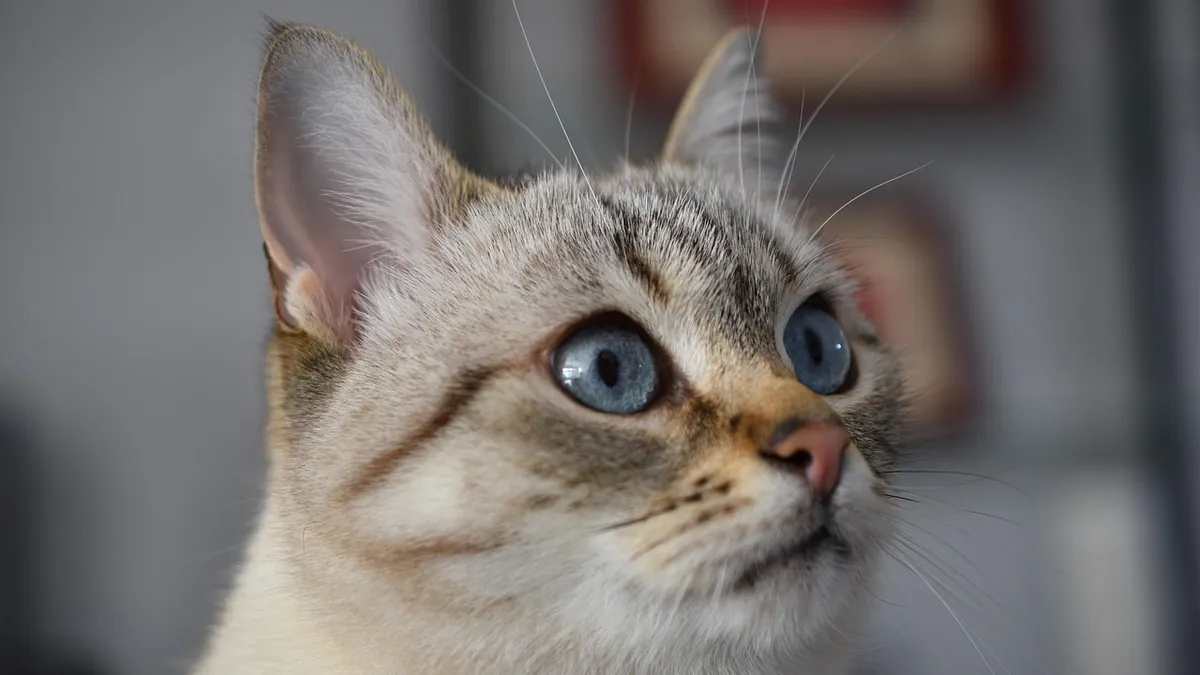
Blindness in cats after anesthesia is uncommon, and when it happens it is often temporary. A small number of cats do have permanent vision loss, usually because of a problem that was already developing before surgery or a complication that damaged the retina or optic nerve. This article is educational and is not a substitute for veterinary diagnosis or treatment.
Quick Answer
- Most cats wake up from anesthesia with normal vision. True blindness right after surgery is rare.
- Sudden blindness in a cat often points to a problem behind the eye, such as optic neuritis or retinal disease, and not to the anesthetic drug itself [1].
- Corneal irritation is a much more common eye problem after anesthesia than blindness, and lubricating the eyes during surgery helps prevent it [2].
- If your cat cannot see after surgery, treat it as urgent and call the clinic that did the procedure the same day.
- Some causes of post-anesthetic vision loss improve within days to weeks, while others do not improve at all [1][3].
What Blindness After Anesthesia in Cats Actually Means
When owners say a cat "went blind from anesthesia," they usually mean the cat woke up unable to see or seemed disoriented and bumping into things. The anesthesia itself is rarely the direct cause. More often, something else was going on: a pre-existing eye or brain condition, a drop in blood pressure during surgery, or a reaction that affected the retina or the optic nerve.
The optic nerve carries signals from the eye to the brain. When it becomes inflamed, a condition called optic neuritis, a cat can go suddenly blind even though the eye itself looks normal [1]. This is one of the most frequent optic nerve diseases in cats [1]. Blindness can also come from the brain instead of the eye. In people, cortical blindness can follow surgery when the visual cortex is affected, and vision may return over days to weeks or take much longer [3].
So the honest answer is that "blindness after anesthesia" is not one condition. It is a symptom with several possible causes, and the cause decides the outcome.
Signs Owners Notice After Surgery
Cats hide vision loss well, especially in a familiar home. After anesthesia, some sluggishness and wobbling are normal for a few hours. What you want to watch for is a cat that stays visually impaired once the drugs wear off.
Common signs include:
- Dilated pupils that do not shrink in bright light [1]
- Bumping into furniture, walls, or door frames
- Hesitating at stairs or refusing to jump
- Startling easily when you approach
- Walking with a low, cautious posture
- Not tracking toys or your hand moving near the face
- Squinting, pawing at the eyes, or a swollen or cloudy eye [4]
A cat with sore eyes from corneal irritation may also squint and rub, which can look like vision trouble [2]. That is a different problem from true blindness and is usually treatable.
Causes and Risk Factors
Problems in the eye itself
Uveitis, which is inflammation of the middle layer of the eye, is one of the most common causes of blindness in cats overall [4]. It is often linked to infectious diseases such as FIV, FeLV, and FIP, and it tends to cause gradual vision loss instead of a sudden event [4]. If a cat had mild uveitis before surgery, the stress of the procedure and the hospital stay might make the problem more obvious once the cat is awake and moving around.
Problems with the optic nerve
Optic neuritis can cause sudden blindness in both eyes with pupils that stay dilated and do not respond to light [1]. It can be triggered by inflammation of the brain, infections (viral, fungal, protozoan, or parasitic), poisons, or trauma [1]. Optic degeneration or atrophy is a different process. It can follow glaucoma, trauma, advanced retinal degeneration, or prolonged low pressure inside the eye, and there is no treatment for it [1].
Problems in the brain
Cortical blindness happens when the visual pathways in the brain are affected instead of the eyes. One reported case involved a person who became completely blind for three days after brain surgery, improved over three weeks, and had normal vision by eight months [3]. The retraction of brain tissue during surgery was the suspected cause [3]. Cats can develop similar central visual problems, though this is not well established in veterinary research.
Blood pressure and oxygen during anesthesia
General anesthesia can cause low blood pressure, and veterinarians monitor for this and treat it when it happens [5][6]. Prolonged low blood pressure inside the eye is listed as one possible cause of optic nerve degeneration [1]. This is one reason careful anesthetic monitoring matters, especially in cats with kidney disease or other conditions that make them fragile under anesthesia [5].
Positioning and other surgical factors
How a cat is positioned during surgery can affect anesthetic variables, and some positions carry more risk than others [5]. In people, certain surgical approaches near the back of the brain raise the risk of temporary cortical blindness [3]. The same principle applies in veterinary surgery, though the exact risk in cats is not well established.
Pre-existing disease
A cat that already had high blood pressure, kidney disease, or an untreated eye condition is more likely to have vision problems surface around the time of anesthesia. The surgery may simply be when you first notice a problem that was already there.
How Veterinarians Diagnose Vision Loss After Anesthesia
Your veterinarian will start with a full eye exam. They use an ophthalmoscope to look at the retina, the optic disk, and the blood vessels inside the eye [1]. They also check the pupillary light reflex, which is how the pupil responds to a bright light [1].
A cat with optic neuritis often has pupils that stay wide and do not react to light, along with sudden blindness that is not explained by another eye disease [1]. A cat with optic atrophy may have a flattened, pale optic disk and narrowed blood vessels, with no pupil response and no vision [1].
Depending on what they find, your veterinarian may recommend:
- A neurologic examination [1]
- Blood tests to look for infection or underlying disease [1]
- X-rays or imaging of the head and chest [1]
- Blood pressure measurement
- A referral to a veterinary ophthalmologist for advanced testing
If the eye exam is normal but the cat still cannot see, the problem is more likely in the optic nerve or the brain. That changes the treatment plan.
Treatment Options
Treatment depends entirely on the cause. There is no single drug that reverses blindness after anesthesia.
For optic neuritis, treatment targets the underlying disease and usually includes medications to reduce inflammation and limit damage to the nerve [1]. If treatment works, the pupils return to normal size and start responding to light within several days, and vision often returns a few days after that [1].
For uveitis, treatment focuses on the inflammation and any infectious disease behind it [4]. Managing the underlying condition is the main goal, and the earlier it is diagnosed, the more effectively it can be treated [4].
For corneal irritation from surgery, the fix is usually supportive. Lubricating drops, ointments, and time are often enough. One study of cats under general anesthesia found that corneal erosion developed in some eyes even with preventive lubrication, but no cats developed actual corneal ulcers [2]. That tells us corneal irritation after anesthesia is fairly common and usually mild.
For optic atrophy or advanced retinal damage, there is no treatment that restores vision [1]. Care shifts to helping the cat live comfortably without sight.
Any medication your cat needs will be chosen and dosed by your veterinarian based on your cat's weight, other health conditions, and the specific diagnosis. Never give a medication left over from another pet.
If your cat is showing other signs after surgery, such as trouble breathing, pale gums, or a slow recovery from the anesthetic, see Anesthetic Complications in Cats: Recognition and Salvage. If the vision loss came on suddenly without surgery, Why Is My Cat suddenly going blind? Hypertensive Retinal Detachment and Uveitis covers the most common causes. And if your cat has eye redness or discharge along with the vision change, Cat Eye Discharge: Causes and When to See a Vet explains what those signs can mean.
Recovery, Outlook, and Long-Term Management
The outlook depends on which part of the visual system was damaged.
| Cause | Typical outlook | Notes |
|---|---|---|
| Corneal irritation from surgery | Good, usually resolves in days | Common after anesthesia, rarely serious [2] |
| Optic neuritis | Guarded to good if treated early | Pupils often normalize in several days, vision returns a few days later [1] |
| Cortical blindness after surgery | Often improves over weeks to months | One reported case recovered fully by eight months [3] |
| Optic atrophy | Poor, no treatment available | Vision loss is permanent [1] |
| Uveitis-related blindness | Depends on the underlying disease | Often gradual, tied to FIV, FeLV, FIP, or other infections [4] |
If your cat's vision does not return, most cats adapt surprisingly well. Keep food, water, and litter boxes in fixed spots. Avoid moving furniture. Talk to your cat before you touch them so you do not startle them. Some cats do better with a night light than in total darkness.
Your veterinarian may want to recheck your cat's eyes and blood pressure regularly, especially if an underlying disease was found.
Prevention
You cannot prevent every case of post-anesthetic vision loss, but you can lower the risk.
- Tell your veterinarian about any prior eye problems, high blood pressure, or kidney disease before surgery.
- Ask how your cat's blood pressure and oxygen levels will be monitored during the procedure. Low blood pressure during anesthesia is a known concern and is managed with fluids and, when needed, drugs such as ephedrine [5][6].
- Ask whether eye lubrication will be used. Preventive lubrication is standard, though corneal erosion can still happen in some cats [2].
- Make sure your cat's anesthesia protocol is tailored to cats specifically. Feline patients have unique needs during anesthesia, which you can read about in Feline Anesthesia: Unique Considerations and Protocol Adjustments.
- Keep up with routine wellness visits so problems like uveitis or high blood pressure are caught early [4].
Limitations and When to Contact a Veterinarian
Not every case of vision loss after anesthesia can be explained, and some causes are not well established in veterinary research. Your cat's individual situation needs a veterinarian who can examine them in person.
Call the clinic the same day if your cat:
- Cannot see once the anesthesia has worn off
- Has pupils that stay wide in bright light [1]
- Is squinting, pawing at the eyes, or has a swollen eye [4]
- Seems painful or is crying out
Go to an emergency clinic right away if your cat:
- Has trouble breathing
- Has pale or blue gums
- Cannot stand or seems to have a seizure
- Has a sudden swollen, bulging eye with severe pain
Schedule a routine visit soon if your cat:
- Has mild eye redness or discharge that is not getting worse
- Seems to see less well than before surgery but is otherwise acting normal
- Has a known condition like FIV, FeLV, or kidney disease that raises their risk of eye problems [4]
Frequently Asked Questions
Can anesthesia make a cat go blind?
Anesthesia itself is rarely the direct cause of blindness in cats. More often, the vision loss comes from an underlying eye or brain condition, low blood pressure during surgery, or a problem with the optic nerve that becomes obvious once the cat is awake.
Is blindness after anesthesia in cats usually permanent?
It depends on the cause. Corneal irritation and some cases of optic neuritis improve with treatment, and cortical blindness after surgery can recover over weeks to months. Optic atrophy and advanced retinal damage are permanent.
How long does it take for a cat's vision to come back after anesthesia?
If the cause is optic neuritis and treatment works, pupils often return to normal within several days and vision follows a few days later. Cortical blindness can take weeks to months to improve, and some cats do not recover fully.
What should I do if my cat cannot see after surgery?
Call the veterinary clinic that performed the procedure the same day. They can examine the eyes, check the pupils, and decide whether your cat needs urgent treatment or a referral to a specialist.
Can I prevent vision loss from happening during my cat's next surgery?
You can lower the risk by sharing your cat's full medical history, asking about blood pressure and oxygen monitoring, and confirming that eye lubrication will be used. Some causes cannot be predicted or prevented.
Related Articles
- Anesthetic Complications in Cats: Recognition and Salvage
- Why Is My Cat suddenly going blind? Hypertensive Retinal Detachment and Uveitis
- Epidural Anesthesia in Dogs and Cats: Technique, Drugs, and Complications
- Cat Eye Discharge: Causes and When to See a Vet
- Feline Anesthesia: Unique Considerations and Protocol Adjustments
- Anesthesia for Patients with Ocular Disease: Oculocardiac Reflex
- Cat Vision Loss and Blindness: Signs and Causes
- Sudden Blindness in Cats: Why Dilated Pupils Matter
- Cat Anesthesia Recovery: What's Normal and When to Worry
References
- Disorders of the Optic Nerve in Cats - Cat Owners. Merck Veterinary Manual.
- Impact of general anesthesia on feline aqueous tear production and the feline corneal epithelium. Journal of feline medicine and surgery, 2025.
- Transient cortical blindness following occipital lobe retraction in a pineal region meningioma resection. BMJ case reports, 2025.
- Feline Vision Problems: A Host of Possible Causes. Cornell University College of Veterinary Medicine.
- Effect of intraoperative positioning on anesthetic variables in cats undergoing a perineal urethrostomy. Journal of feline medicine and surgery, 2026.
- Hemodynamic Effects of Intravenous Ephedrine Administration During General Anesthesia for Radiation Therapy in Cats. Veterinary sciences, 2026.