Is Taxus (Yew) Toxic to Cats? Signs and What to Do
By Dr. Zubair Khalid, DVM, MS, PhD ·
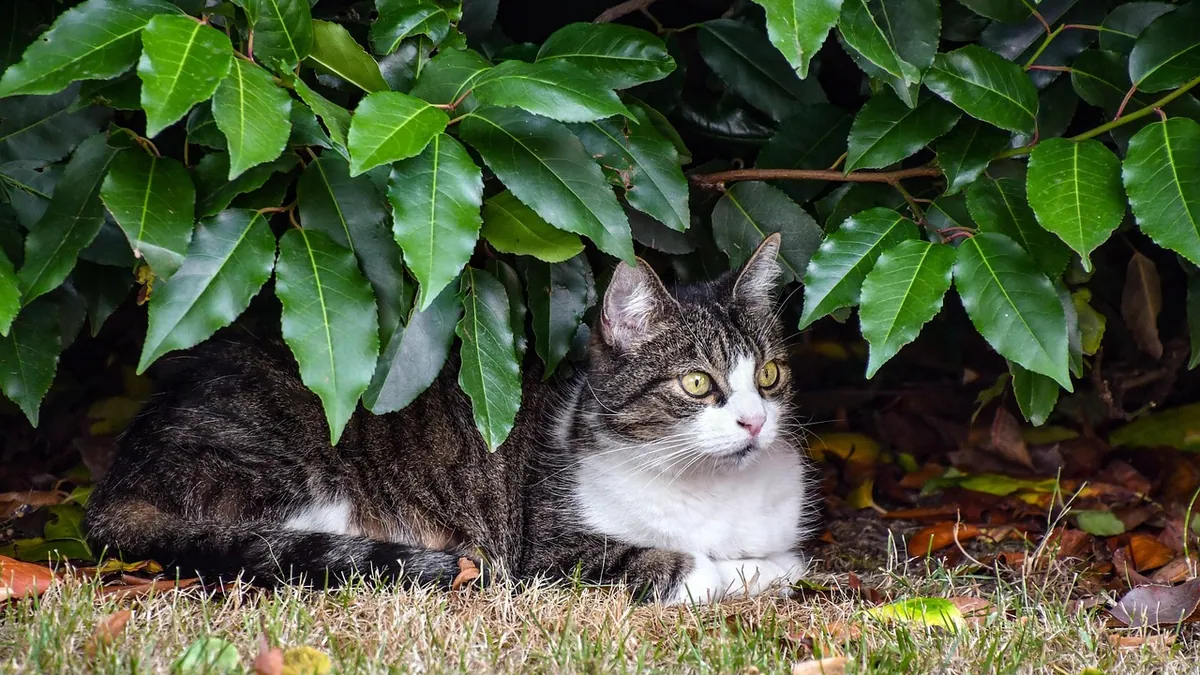
Yes, Taxus (yew) is highly toxic to cats. Every part of the plant except the fleshy red aril around the seed contains taxine alkaloids that disrupt the heart, and cats can be poisoned by chewing on a hedge, a branch, or clippings. Is taxus toxic to cats? The answer is a firm yes, and the margin for error is very small.
This article is educational and is not a substitute for veterinary diagnosis or treatment.
Quick Answer
- Taxus species, including English yew (Taxus baccata) and western or Pacific yew (Taxus brevifolia), are listed as toxic to cats, dogs, and horses [1][2][3].
- The toxic principles are taxine A and B and a volatile oil, which act on the heart and can cause sudden death from acute cardiac failure [2][3].
- Early signs can include tremors, vomiting, difficulty breathing, and seizures, but some cats show almost no warning before collapse [1][2].
- There is no home remedy and no antidote you can give. Call your veterinarian or the ASPCA Animal Poison Control Center at (888) 426-4435 or Pet Poison Helpline at (855) 764-7661 immediately.
- Do not induce vomiting unless a veterinarian tells you to.
Is Taxus Toxic to Cats?
Yes. Taxus is one of the most dangerous plants a cat can encounter. The ASPCA Animal Poison Control Center lists yew (Taxus spp.) as toxic to cats, dogs, and horses, with taxine as the toxic principle and sudden death from acute cardiac failure as a possible outcome [1]. English yew (Taxus baccata) and western yew (Taxus brevifolia) carry the same warning, with taxine A and B plus a volatile oil named as the toxic principles [2][3].
This is not a plant that causes a mild stomach upset. It is a plant that can kill a cat within hours, and sometimes faster.
Which Parts of the Yew Plant Are Dangerous?
The whole plant is a concern. Needles, bark, and seeds all contain taxines. The only part generally considered less toxic is the fleshy red cup (the aril) around the seed, which is why birds can eat the aril and spread seeds without dying. The seed inside is still toxic.
For a cat, the realistic exposure routes are:
- Chewing or biting a branch of an outdoor hedge
- Nibbling fallen needles, seeds, or berries on the ground
- Playing with prunings brought inside or left in a yard waste pile
- Drinking water from a container where yew clippings have been soaking
Indoor cats are not automatically safe. Yew is a common evergreen in American yards, cemeteries, and commercial landscaping, and clippings travel indoors on shoes, gloves, and tools.
Is Taxus baccata More Dangerous Than Other Yews?
Is taxus baccata toxic to cats? Yes, and it is the species most often planted as a hedge in the United States. The ASPCA lists Taxus baccata as toxic to cats with taxine A and B and a volatile oil as the toxic principles, and with clinical signs that include tremors, difficulty breathing, vomiting, seizures, and sudden death from acute heart failure [3].
Western or Pacific yew (Taxus brevifolia) carries the same toxicity listing and the same toxic principles [2]. Japanese yew and Anglo-Japanese yew appear as additional common names on these records, so a plant labeled with any of those names should be treated as equally dangerous [1][2][3].
The practical point: do not try to rank yew species by safety. If it is a yew, assume it can kill your cat.
What Taxine Does in the Body
Taxine alkaloids interfere with the electrical signaling that keeps the heart beating in a normal rhythm. The result is a heart that beats too slowly, beats erratically, or stops. That is why the ASPCA lists sudden death from acute cardiac failure as a hallmark of yew poisoning [1][2][3].
Because the heart is the main target, the signs can look neurological or respiratory at first. A cat may tremble, breathe hard, or vomit, and then collapse. The volatile oil in yew adds to the irritation, which is part of why vomiting shows up early in some cases [2][3].
There is no safe threshold you can calculate at home. The amount that causes serious poisoning depends on the species of yew, the part eaten, the plant's growing conditions, and your cat's size and health. Your veterinarian or a poison control specialist calculates risk from the specifics of your case.
Yew Poisoning in Cats: Signs and Timeline
Signs can appear within minutes to a few hours of ingestion. Some cats deteriorate so quickly that the first thing an owner notices is collapse.
Watch for:
- Vomiting
- Tremors or muscle twitching
- Difficulty breathing or rapid breathing
- Weakness, wobbliness, or reluctance to move
- Drooling or pawing at the mouth
- Seizures
- Collapse or unresponsiveness
- Sudden death
The ASPCA lists muscular tremors, dyspnea (difficulty breathing), and seizures among the early signs, with sudden death from acute cardiac failure as the severe outcome [1]. The western and English yew records list tremors, difficulty breathing, vomiting, seizures, and sudden death from acute heart failure [2][3].
Why the Timeline Matters So Much
With most plant poisonings, you have time to watch and call. With yew, you often do not. A cat that seems fine at 2 p.m. can be in cardiac arrest by evening. If you saw your cat bite a yew plant, treat it as an emergency even if your cat looks normal right now.
If you are not sure what your cat ate, this is a good moment to review What Plants Can Be Toxic To Cats so you can describe the plant accurately to the veterinarian or poison control.
What to Do Right Now
- Move your cat away from the plant. Put your cat in a quiet, safe space indoors.
- Call for help immediately. Reach your veterinarian, the ASPCA Animal Poison Control Center at (888) 426-4435, or Pet Poison Helpline at (855) 764-7661. These lines are staffed for exactly this situation.
- Save the evidence. Put any chewed plant material, clippings, or vomit in a sealed bag or container. A positive plant identification changes how fast your cat is treated.
- Do not induce vomiting unless a veterinarian tells you to. Yew can cause seizures and heart rhythm problems, and forcing vomiting at home can make things worse.
- Do not wait for signs. If your cat ate yew, go now. Do not wait to see whether symptoms develop.
- Keep your cat calm and warm on the way in. Stress and exertion are hard on a heart that may already be in trouble.
If your cat is having a seizure, is struggling to breathe, or is unresponsive, call the clinic while you are driving and tell them you are coming in with a suspected yew poisoning.
How Veterinarians Treat Yew Poisoning in Cats
There is no antidote that reverses taxine. Treatment is supportive and aimed at keeping the heart and breathing stable while the body clears the toxin.
Your veterinarian may:
- Give activated charcoal or perform gastric decontamination, if it is safe and early enough
- Place an intravenous catheter for fluids and emergency drugs
- Monitor the heart with an ECG and treat abnormal rhythms
- Provide oxygen or breathing support
- Control seizures with anticonvulsant medication
- Treat vomiting and manage pain
The exact drugs and doses are chosen by your veterinarian based on your cat's weight, heart rhythm, and current condition. Do not give any human medication at home.
If your cat is stable, your veterinarian may also run bloodwork to check organ function and electrolytes. Some cats need to stay hospitalized for close heart monitoring even after they look better.
Outlook for a Cat After Yew Poisoning
The outlook depends on how much was eaten, how fast treatment started, and how the heart responds. Cats that reach veterinary care before severe heart rhythm problems develop have a better chance. Cats that collapse at home or arrive in cardiac arrest have a poor prognosis.
The honest answer is that yew poisoning is one of the few plant toxicities where the outcome can turn on minutes. That is why the standard advice is to call first and drive second, not to wait and watch.
If you have lost a cat to a suspected poisoning and want to understand what happened, a veterinarian can walk you through the findings. For a broader look at how plant poisonings are sorted out, see Plants Toxic To Cats.
Prevention and Safer Alternatives
Prevention is the whole game with yew, because treatment is so limited.
- Identify every evergreen in your yard. If you are not sure whether a shrub is a yew, take a clear photo of the needles, bark, and any red arils and ask your veterinarian, a poison control line, or your county extension office.
- Remove yew from reach. If you have a cat that goes outside, consider removing yew hedges entirely or fencing them off. Prunings should go straight into a closed bin, never onto the ground or into a compost pile your cat can reach.
- Do not bring clippings inside. Holiday greenery and yard waste are common sources of indoor exposure.
- Check new plants before you buy. The ASPCA plant database is a free, searchable list of toxic and non-toxic plants [1][2][3].
- Supervise outdoor time. Even a few minutes of unsupervised access to a hedge is enough.
Cat-Safe Plants to Consider
If you want greenery indoors, choose plants that are not on toxic plant lists. Good options include spider plants, Boston ferns, and cat grass (wheat or oat grass grown specifically for pets). Keep in mind that any plant can cause stomach upset if a cat eats a lot of it, even a non-toxic one.
For a fuller list of what to avoid, including some plants that surprise owners, see Are Lilies Toxic to Cats? and Flowers That Are Toxic To Cats.
Limitations and When to Contact a Veterinarian
This article cannot tell you whether your specific cat was poisoned or how serious it is. That requires a veterinarian who can examine your cat, check the heart rhythm, and run tests. Individual cases need a veterinarian.
Call or go in the same day if:
- You saw your cat bite, chew, or eat any part of a yew plant
- You found chewed needles, seeds, or red arils near your cat
- Your cat vomited after being near a yew hedge
- Your cat seems quieter or less steady than usual after outdoor time
Go to an emergency clinic now if:
- Your cat is trembling, twitching, or having a seizure
- Your cat is breathing hard, breathing fast, or breathing with an open mouth
- Your cat has collapsed, is limp, or will not wake up
- Your cat's gums look pale, blue, or gray
A routine visit is reasonable if you are unsure whether a plant in your yard is a yew and want it identified before your cat has access to it. Bring a photo or a sealed sample.
Frequently Asked Questions
How much yew does it take to poison a cat?
There is no published safe amount, and the toxic dose varies with the plant part, the yew species, and your cat's size. Treat any confirmed chewing of a yew plant as an emergency and call poison control or your veterinarian right away.
Can a cat survive yew poisoning?
Yes, some cats survive with fast veterinary care, especially if treatment starts before severe heart rhythm problems appear. Survival depends on how much was eaten and how quickly the heart is supported, so speed matters more than anything you can do at home.
Are yew berries safe because birds eat them?
No. The fleshy red aril around the seed is the least toxic part, which is why birds can eat it, but the seed inside contains taxines. A cat that eats berries is eating seeds too, so this is still a poisoning risk.
Does yew poisoning look different in cats than in dogs?
The ASPCA records list the same toxic principles and similar signs for both species, including tremors, difficulty breathing, vomiting, seizures, and sudden death from acute heart failure [2][3]. Cats may hide early signs, so a cat that seems only slightly off after yew exposure still needs urgent care.
Can I just watch my cat at home after yew exposure?
No. Yew can cause sudden cardiac failure, and the ASPCA lists sudden death as a possible outcome [1][2][3]. Watching at home means losing the window when treatment can still help, so call a veterinarian or poison control immediately instead.
Related Articles
- What Plants Can Be Toxic To Cats
- Are Lilies Toxic to Cats?
- Plants Toxic To Cats
- Flowers That Are Toxic To Cats
- What Plants And Flowers Are Toxic To Cats
- What Plants Are Toxic To Cats With Pictures
- Is Yew Poisonous to Cats? Berries, Bushes and Signs
- Is Digitalis Toxic to Cats? Foxglove Poisoning Signs
- Is Holly Toxic to Cats? Berries, Leaves, and Signs
References
- Toxic and Non-toxic Plants: Yew. ASPCA Animal Poison Control Center.
- Toxic and Non-toxic Plants: Western Yew. ASPCA Animal Poison Control Center.
- Toxic and Non-toxic Plants: English Yew. ASPCA Animal Poison Control Center.