Is Ficus Rubber Plant Toxic to Cats? Signs to Watch
By Dr. Zubair Khalid, DVM, MS, PhD ·
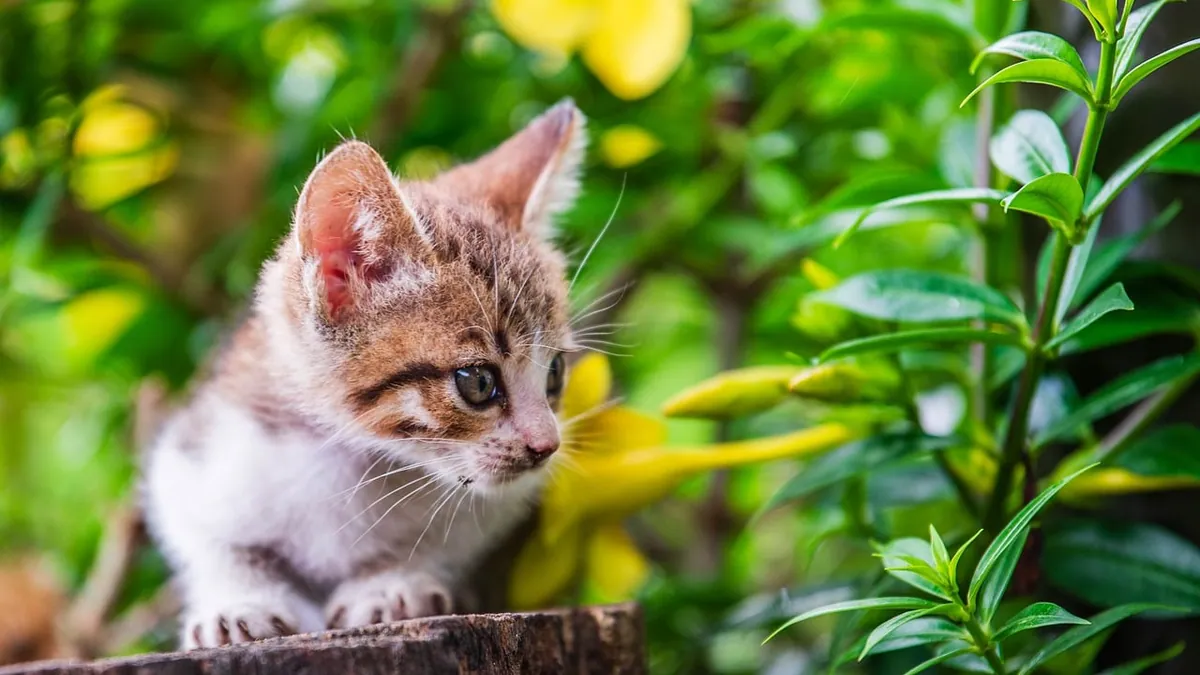
Is ficus rubber plant toxic to cats? Yes, the milky sap inside the leaves and stems is irritating, and a cat that chews on the plant can develop mouth pain, drooling, and vomiting. The good news is that most cases are uncomfortable instead of life threatening, and simple steps at home plus a call to your veterinarian usually settle things down. This article is educational and is not a substitute for veterinary diagnosis or treatment.
Quick Answer
- The irritating part of a rubber plant is the milky latex sap, not the leaf itself. Chewing or biting the plant releases it.
- Common signs are drooling, pawing at the mouth, red or swollen lips and gums, and vomiting.
- Skin contact can cause redness, itching, and a rash where sap touched the coat or paws.
- Call your veterinarian, the ASPCA Animal Poison Control Center at (888) 426-4435, or Pet Poison Helpline at (855) 764-7661 right away if your cat chewed the plant.
- Do not make your cat vomit unless a veterinarian tells you to.
Is Ficus Rubber Plant Toxic to Cats?
Yes. Plants in the Ficus group are listed as toxic to cats, and the toxic principles are a proteolytic enzyme called ficin and a compound called psoralen (also known as ficusin) [1]. These are the same compounds found in related figs and weeping figs, so the whole Ficus family deserves caution in a cat household.
It helps to sort out the names, because "rubber plant" gets used loosely.
Which plant are we talking about?
The classic rubber plant is Ficus elastica, the tall houseplant with thick, glossy, dark green leaves. It belongs to the same group as the weeping fig, Ficus benjamina, which is also listed as toxic to cats [1]. Both contain the irritating sap.
There is a naming trap here. The "American Rubber Plant" and "Baby Rubber Plant" are actually Peperomia obtulifolia, a completely different plant that is listed as non-toxic to cats and dogs [2][3]. If your plant has small, rounded, slightly fleshy leaves and a bushy shape, you may have a Peperomia, not a Ficus. Check the label or take a photo to your veterinarian if you are unsure.
Which parts are dangerous?
The sap is the problem, and it is present in the leaves, stems, and any broken or cut surface. A single chewed leaf, a nibbled stem tip, or sap that drips onto the floor and gets groomed off a paw can all cause signs. Dried sap on a leaf edge still contains the irritants.
If you have other houseplants, it is worth knowing which ones carry real risk. Our guide to plants toxic to cats covers the common ones, and what plants can be toxic to cats explains how to sort a whole shelf of houseplants at once.
What the Sap Does in the Body
Ficin is a proteolytic enzyme, which means it breaks down proteins. When it contacts the delicate lining of a cat's mouth, tongue, and throat, it irritates and inflames that tissue. Psoralen adds to the irritation and can make skin more sensitive to light.
This is a contact irritant effect, not a poison that shuts down an organ. That distinction matters for how worried you need to be. The sap does not behave like the toxins in lilies, which can cause acute kidney injury in cats and require aggressive decontamination and intravenous fluids [4]. It also does not behave like ethylene glycol, which causes fatal kidney damage through calcium oxalate crystal deposition in the tubules [5]. Rubber plant sap is a local irritant, and the signs you see are the body reacting to that irritation.
A small amount of sap swallowed during grooming can also upset the stomach lining and trigger vomiting. Cats are fastidious groomers, so sap on the paws or chest often ends up in the mouth even if you never saw your cat bite the plant.
Signs to Watch For and When They Appear
Signs usually show up within minutes to a few hours of contact. The timeline depends on how much sap your cat met and whether it was in the mouth, on the skin, or both.
Mouth and digestive signs
- Drooling, sometimes heavy and stringy
- Pawing at the mouth or rubbing the face on the floor
- Redness, swelling, or small ulcers on the lips, gums, or tongue
- Refusing food or water because the mouth hurts
- Vomiting, which may happen once or several times
- Lip smacking, gagging, or head shaking
Skin and eye signs
- Redness, itching, or a raised rash where sap touched the skin
- Excessive grooming or chewing at one spot on the coat or paws
- Squinting, tearing, or pawing at an eye if sap got in it
What you may not see
Some cats swallow a small amount of sap, feel mildly queasy, and recover without obvious drama. Others react strongly to a tiny exposure. Individual sensitivity varies, and there is no reliable way to predict which cat will have a rough time. If you know or suspect your cat chewed a rubber plant, treat it as a real exposure and call for advice.
What to Do Right Now
Stay calm and work through these steps in order.
- Move your cat away from the plant and put the plant out of reach.
- Look in the mouth if your cat will let you. Do not force it. Note redness, swelling, or bleeding.
- If sap is on the coat, paws, or face, wipe it off with a damp cloth and mild soap, then rinse well. Wear gloves if you have sensitive skin, since plant sap can irritate human skin too.
- If sap got in an eye, flush the eye gently with plain saline or lukewarm water.
- Offer fresh water. Do not offer food if your cat is vomiting.
- Call your veterinarian, the ASPCA Animal Poison Control Center at (888) 426-4435, or Pet Poison Helpline at (855) 764-7661. A consultation fee may apply for poison control services [3].
Do not induce vomiting unless a veterinarian tells you to. Vomiting brings sap back up past an already irritated throat and mouth, and it can cause more harm than good. Never give human medications, milk, or home remedies to try to settle the stomach.
Veterinary Treatment for Rubber Plant Exposure
Most cats with rubber plant exposure are treated as outpatients. Your veterinarian will start with a physical exam and a focused look at the mouth, gums, and skin. They will ask what plant it was, which part was chewed, roughly how much, and when.
Treatment is supportive and aimed at comfort.
- Oral pain relief and anti-inflammatory medication, dosed by your veterinarian based on your cat's weight and health
- Fluids under the skin or into a vein if your cat is dehydrated from vomiting
- Medication to settle nausea and vomiting
- A bland, soft diet once the mouth is comfortable enough to eat
- Medicated rinse, gel, or ointment for irritated skin or mouth sores
- Eye medication if the eye was involved
Blood work is not routine for a simple irritant exposure, but your veterinarian may recommend it if your cat is older, has ongoing vomiting, or has other health problems. If your cat swallowed a large amount of plant material, imaging may be used to check for a blockage, since a wad of tough leaves can sometimes sit in the stomach.
Outlook After Chewing a Rubber Plant
The outlook is generally good. Irritant signs from Ficus sap usually peak within the first day and improve over one to three days with supportive care. Most cats eat and drink normally again within a day or two.
Call your veterinarian back if signs are not improving after 24 to 48 hours, if your cat cannot keep water down, or if new signs appear. A cat that will not eat or drink for more than a day needs to be seen again, because dehydration and poor nutrition add their own problems.
Prevention and Safer Alternatives
The simplest fix is to keep Ficus plants out of reach. Cats climb, so a high shelf is not always enough. A closed room, a hanging planter with no nearby launch point, or a glass cabinet works better. You can also place the plant inside a decorative cage or use a barrier around the pot.
If your cat is a dedicated plant chewer, consider swapping the rubber plant for something safer. The ASPCA Pet Plant Guide lists common toxic plants and suggests substitutes for your home and garden [2]. Peperomia obtusifolia, sold as the Baby Rubber Plant or American Rubber Plant, is listed as non-toxic to cats and dogs, which makes it a reasonable look-alike replacement [2][3]. If you want more options, what plants are toxic to cats houseplants walks through the common houseplant shelf, and are spider plants toxic to cats covers another popular hanging plant.
A few habits help too. Trim off any broken leaves so sap does not drip onto the floor. Wipe up spilled sap right away. Wash your hands after handling the plant. Give your cat safe chewing outlets, such as cat grass or a puzzle feeder, so the houseplants lose some of their appeal.
Limitations and When to Contact a Veterinarian
This article covers the typical irritant exposure. It cannot tell you how your individual cat will respond, and individual cases need a veterinarian who can examine your cat and set a treatment plan.
Call your veterinarian the same day if your cat chewed a rubber plant and has drooling, mouth redness, vomiting, or is refusing food.
Go to an emergency clinic now if your cat has trouble breathing, swelling around the throat or face, repeated vomiting that will not stop, collapse, or a suspected eye injury with severe squinting and pain.
Schedule a routine visit if signs were mild and resolved but you want the mouth checked, or if you need help cat-proofing your home.
If you are unsure whether your plant is a Ficus or a Peperomia, bring a photo or a cutting in a sealed bag to your appointment. Identification changes the advice you get.
Frequently Asked Questions
Is rubber plant ficus elastica toxic to cats?
Yes, Ficus elastica contains irritating sap, and the Ficus group is listed as toxic to cats [1]. Chewing the leaves or stems releases sap that irritates the mouth and stomach. Most exposures cause discomfort instead of serious poisoning.
Is ficus safe for cats to be around?
It is not a safe plant to leave within your cat's reach. The sap is the risk, and it is present in every leaf and stem. Keep the plant in a room your cat cannot enter, or choose a non-toxic alternative.
Will my cat get sick from just one bite?
Possibly. A single bite can release enough sap to cause drooling, mouth pain, or one episode of vomiting. Some cats have mild signs and recover on their own, but you should still call your veterinarian for advice.
Can I treat my cat at home after it chews a rubber plant?
You can rinse the mouth and wipe sap off the coat, but you should not give medications or try to make your cat vomit. Pain relief and anti-nausea drugs need a veterinarian's prescription and a dose based on your cat's weight. Call for guidance first.
How long do rubber plant poisoning signs last in cats?
Irritant signs usually improve within one to three days with supportive care. If your cat is still drooling, vomiting, or refusing food after 24 to 48 hours, have it rechecked.
Related Articles
- Plants Toxic To Cats
- Are Snake Plants Toxic To Cats
- What Plants Can Be Toxic To Cats
- What Plants Are Toxic To Cats Houseplants
- Are Spider Plants Toxic To Cats
- What Plants Are Toxic To Cats Indoor
- Is Rubber Plant Toxic to Cats? Varieties and Risks
- Is Rubber Plant Tineke Toxic to Cats? Ficus Safety
- Is Fiddle Leaf Fig Toxic to Cats? Symptoms and Care
References
- Toxic and Non-toxic Plants: Indian Rubber Plant. ASPCA Animal Poison Control Center.
- Toxic and Non-toxic Plants: American Rubber Plant. ASPCA Animal Poison Control Center.
- Toxic and Non-toxic Plants: Baby Rubber Plant. ASPCA Animal Poison Control Center.
- Outcome following gastrointestinal tract decontamination and intravenous fluid diuresis in cats with known lily ingestion: 25 cases (2001-2010). Journal of the American Veterinary Medical Association, 2013.
- Ethylene glycol poisoning in a free-roaming cat associated with suspected animal cruelty: a forensic veterinary case report in South Korea. Frontiers in veterinary science, 2026.