Is Holly Toxic to Cats? Berries, Leaves, and Signs
By Dr. Zubair Khalid, DVM, MS, PhD ·
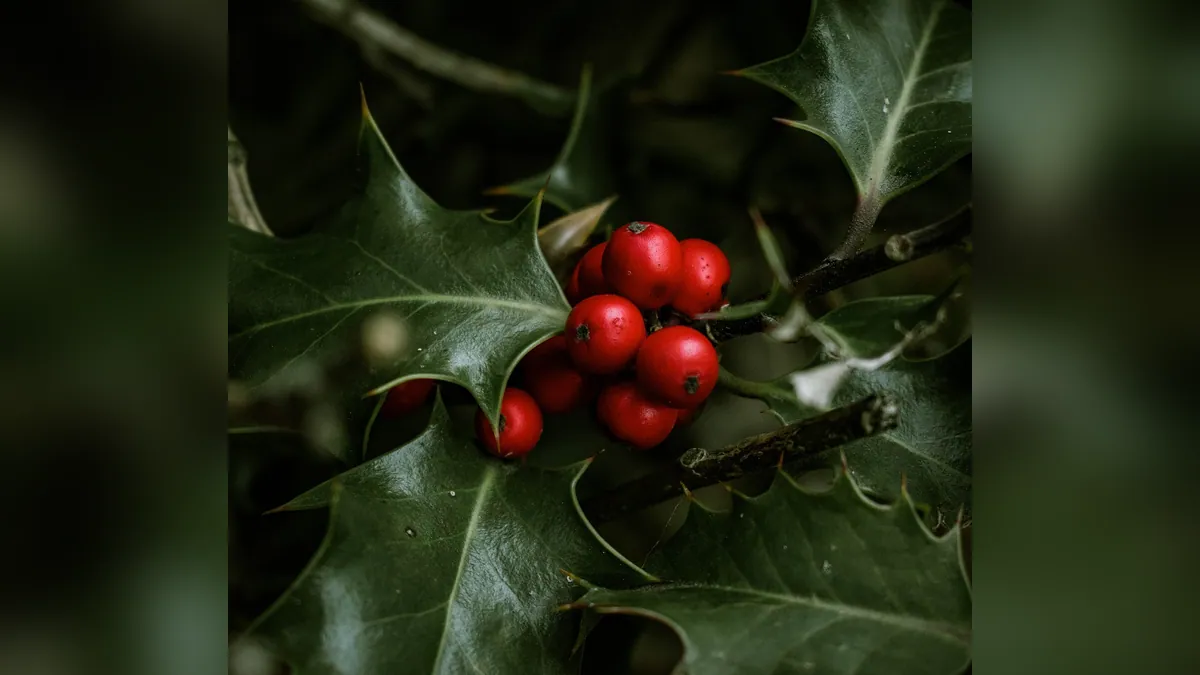
Is holly toxic to cats? Yes. Holly plants are listed as toxic to cats, and the berries and leaves are the parts that cause problems [1][2][3]. The good news is that these parts are considered low toxicity, so most exposures cause stomach upset and mouth irritation instead of life-threatening poisoning [1][2].
This article is educational and is not a substitute for veterinary diagnosis or treatment.
Quick Answer
- Holly (Ilex species) is toxic to cats, with saponins as the toxic principle [1][2][3].
- The berries and leaves are the risky parts, and they are described as low toxicity, meaning serious poisoning is uncommon [1][2][3].
- Typical signs are vomiting, diarrhea, and depression, and a cat that chews the spiny leaves may also drool or paw at its mouth [1][2][3].
- If your cat ate holly, call your veterinarian, the ASPCA Animal Poison Control Center at (888) 426-4435, or Pet Poison Helpline at (855) 764-7661 for guidance.
- Do not induce vomiting unless a veterinarian tells you to.
Is Holly Toxic to Cats?
Yes. The ASPCA Animal Poison Control Center lists holly as toxic to cats, dogs, and horses [1][2][3]. This applies to the common hollies people bring indoors during the holidays, including English holly (Ilex aquifolium) and American holly (Ilex opaca) [1][2][3]. Other names you may see on plant tags include European holly, Oregon holly, inkberry, and winterberry [1][2][3].
Holly belongs to the plant family Aquifoliaceae, and the toxic principle is saponins [1][2][3]. The ASPCA records list vomiting, diarrhea, and depression as the expected clinical signs, and they note that the leaves and berries are low toxicity [1][2][3].
That last point matters. "Toxic" does not always mean "deadly." For holly, the typical outcome is an upset stomach and a sore mouth, not organ failure. Still, any cat that eats a plant and starts vomiting deserves a phone call to your vet, because you cannot know from looking at your cat how much was eaten or how it will respond.
Which Parts Are Risky?
The berries and the leaves are the parts that contain saponins [1][2][3]. In practice, the berries are the bigger concern because they are small, bright, and easy to bat around and swallow. The leaves are spiny and sharp, so a cat that bites one may spit it out quickly, but the spines can still scrape the lips, tongue, and gums.
Are Christmas Decorations a Risk?
Yes, and this is where holiday holly causes the most trouble. Fresh holly sprigs in wreaths, garlands, centerpieces, and gift wrap put berries and leaves at cat height. Artificial holly is not a poisoning risk, but a cat that chews and swallows plastic or wire can still get sick, so keep both real and fake arrangements out of reach.
If you are checking the rest of your holiday plants, our guide to flowers that are toxic to cats covers lilies, poinsettias, and other common gifts. You can also review plants toxic to cats for a broader list.
What Saponins Do in the Body
Saponins are natural plant compounds that foam when mixed with water, which is how they got their name (they behave like soap). When a cat eats plant material containing saponins, those compounds irritate the lining of the mouth, stomach, and intestines. That irritation is what triggers the vomiting and diarrhea listed in the ASPCA records [1][2][3].
Saponins in holly are not well absorbed into the bloodstream in large amounts, which is one reason the leaves and berries are classified as low toxicity [1][2][3]. The reaction is mostly local, meaning it happens where the plant touches tissue. This is different from plants that damage the liver, heart, or kidneys after being absorbed.
The depression listed as a sign is likely a combination of nausea, mouth pain, and feeling generally unwell after vomiting [1][2][3]. It is not usually a sign of brain or nerve damage from holly.
Signs of Holly Poisoning in Cats
The classic signs of holly poisoning in cats are vomiting, diarrhea, and depression [1][2][3]. You may also see:
- Drooling or excessive salivation
- Pawing at the mouth
- Lip smacking or chewing motions
- Refusing food
- Hiding or acting quieter than usual
- Irritation or redness around the lips and gums from the spiny leaves
Vomiting and diarrhea may appear within a few hours of eating holly, though the exact timing is not well established in veterinary research and can vary with how much was eaten. Mild cases often settle within a day once the plant material passes, but a cat that vomits repeatedly or seems painful needs veterinary care.
Signs That Need Emergency Care Right Now
Call an emergency clinic immediately if your cat has:
- Repeated vomiting that will not stop
- Blood in vomit or stool
- Severe lethargy or weakness
- Trouble breathing
- A swollen, painful abdomen
- Collapse or unresponsiveness
These signs are not typical for holly alone, but they mean something serious is happening and your cat needs to be seen now.
What to Do Right Now If Your Cat Ate Holly
First, move your cat away from the plant and pick up any fallen berries or leaves so it cannot eat more. Then call for advice. You have three good options:
- Your own veterinarian or the nearest emergency veterinary clinic
- ASPCA Animal Poison Control Center at (888) 426-4435
- Pet Poison Helpline at (855) 764-7661
Have this information ready: your cat's weight, how much holly you think it ate, which part (berries, leaves, or both), and when it happened. If you can, take a photo of the plant or save a sample of what was chewed. Knowing the exact plant matters, because individual plants can look alike and names on tags are not always accurate [3].
Do not induce vomiting unless a veterinarian tells you to. Holly leaves are spiny, and forcing a cat to vomit sharp plant material can injure the esophagus on the way back up. Your vet will decide whether decontamination is helpful based on timing and how your cat looks.
Do not give human medications, milk, or home remedies. Some human drugs are toxic to cats, and food or liquid can make vomiting worse.
How Veterinarians Treat Holly Poisoning in Cats
Treatment depends on your cat's signs. For a cat that ate a small amount and looks normal, your vet may recommend monitoring at home and calling back if signs appear. For a cat that is vomiting or drooling, care may include:
- Fluids under the skin or into a vein to correct dehydration from vomiting and diarrhea
- Medication to control nausea and vomiting
- Medication for stomach or mouth pain
- A bland diet once vomiting stops
- Bloodwork if your vet suspects dehydration, electrolyte problems, or another cause
There is no antidote for holly saponins. Treatment is supportive, meaning your vet manages the signs while your cat's body clears the plant material. Any dose your cat receives is calculated by your veterinarian based on its weight and health, so never use a dose from a website or a leftover prescription.
If your cat ate other holiday plants too, bring the list with you. Our article on what plants and flowers are toxic to cats can help you identify what else might be in the arrangement.
Outlook After Holly Ingestion
The outlook for holly exposure in cats is generally good. Because the leaves and berries are low toxicity, most cats recover with supportive care and time [1][2][3]. Mild stomach upset often resolves within a day or two.
Plant poisonings in pets are usually not fatal, though outcomes vary by plant and by how much was eaten. In one 12-year survey of calls to a poison control center, plant exposures made up 5.7 percent of inquiries, most cases had mild to moderate signs, and fatal poisoning accounted for 10.6 percent of the cases where an outcome was reported [4]. That number covers all plants, not holly specifically, so it should not be read as a holly death rate.
Cats are not small dogs, and their response to a plant can differ from what you read about dogs. If your cat has kidney disease, heart disease, or another chronic condition, ask your vet whether the exposure changes anything for your cat.
Prevention and Safer Holiday Alternatives
Prevention is simple. Treat holly like any other toxic plant and keep it out of your cat's reach.
- Skip real holly indoors. Use artificial holly for wreaths and garlands, or place real holly where your cat cannot climb or jump to it.
- Check every gift, bouquet, and centerpiece for berries. Berries roll, and cats love to chase them.
- Sweep or vacuum fallen leaves and berries right away.
- Secure hanging arrangements so they cannot be pulled down.
- Keep the ASPCA number and your vet's number saved in your phone before the holidays.
If you want plants that are safer around cats, ask your veterinarian or a knowledgeable nursery staff member to help you check each plant by its scientific name. Our picture guide to what plants are toxic to cats with pictures can help you match a plant to a name.
Cat-safe options for holiday color include spider plants, Boston ferns, and certain palms, but always confirm the exact species before bringing it home. Cats also nibble on cut flowers, so check every stem, not just the blooms.
Limitations and When to Contact a Veterinarian
This article cannot tell you how your individual cat will respond. The amount eaten, your cat's size, its underlying health, and how quickly it is treated all change the picture. Individual cases need a veterinarian who can examine your cat and decide on care.
Call the same day if your cat ate holly and is vomiting, drooling, or acting off. Call right now, day or night, if you see repeated vomiting, blood in vomit or stool, severe weakness, breathing trouble, a painful belly, or collapse. Call for a routine visit if your cat ate a small amount, seems fine, and you want peace of mind or a plan for monitoring at home.
When in doubt, call. Poison control lines and emergency clinics are used to these calls, and a five-minute conversation can save you a sleepless night.
Frequently Asked Questions
How much holly does a cat have to eat to get sick?
There is no published threshold for cats, so no one can give you a safe amount. The ASPCA classifies holly leaves and berries as low toxicity, which means small exposures often cause only mild stomach upset [1][2][3]. Because the amount needed to cause signs is not well established, treat any known ingestion as a reason to call your vet or a poison control line.
Can a cat die from eating holly berries?
Death from holly alone is uncommon because the leaves and berries are low toxicity [1][2][3]. The bigger risks are dehydration from ongoing vomiting and diarrhea, or a blockage if a cat swallows a large amount of plant material. If your cat is vomiting repeatedly or looks very unwell, seek care right away.
My cat only chewed a leaf and spit it out. Do I still need to call?
Call your vet or a poison control line and describe what happened. A single chewed leaf often causes only mouth irritation or drooling, but the spiny edges can scrape the mouth, and you cannot always tell how much was swallowed. Your vet can tell you what to watch for over the next few hours.
Are holly leaves or berries worse for cats?
Both contain saponins and both are listed as low toxicity [1][2][3]. Berries are usually the bigger concern because they are small and easy to swallow, while the spiny leaves tend to cause more mouth irritation. If you are not sure which part your cat ate, report both to your vet.
Is artificial holly safe around cats?
Artificial holly does not contain saponins, so it will not cause holly poisoning. It can still cause a problem if your cat chews and swallows plastic, wire, or glitter, which can lead to choking or a blockage. Keep fake arrangements out of reach too, and treat any swallowed decoration as a reason to call your vet.
Related Articles
- Plants Toxic To Cats
- What Plants Can Be Toxic To Cats
- Flowers That Are Toxic To Cats
- What Plants And Flowers Are Toxic To Cats
- What Plants Are Toxic To Cats With Pictures
- What Plants Are Toxic To Cats Indoor
- Is Holly Toxic to Cats? American, Japanese, and Sea Holly
- Is Holly Toxic to Dogs and Cats? Holiday Safety
- Are Christmas Trees Toxic to Cats and Dogs?
References
- Toxic and Non-toxic Plants: Holly. ASPCA Animal Poison Control Center.
- Toxic and Non-toxic Plants: English Holly. ASPCA Animal Poison Control Center.
- Toxic and Non-toxic Plants: American Holly. ASPCA Animal Poison Control Center.
- Plant poisoning in domestic animals: epidemiological data from an Italian survey (2000-2011). The Veterinary record, 2013.