Is Japanese Yew Toxic to Dogs? Deadly Risk Explained
By Dr. Zubair Khalid, DVM, MS, PhD ·
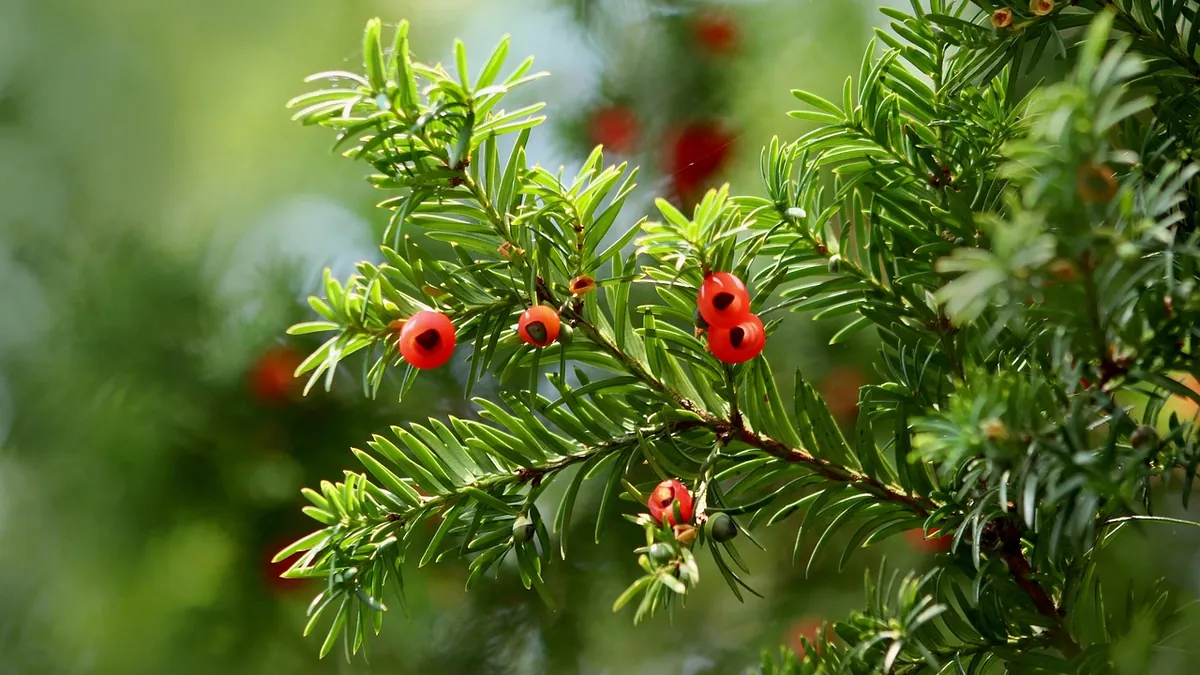
Is Japanese yew toxic to dogs? Yes, and it is one of the most dangerous plants a dog can eat. Every part of the plant except the fleshy red berry covering contains taxine alkaloids that can stop the heart, and death can happen within minutes to hours of ingestion [1][2]. This article is educational and is not a substitute for veterinary diagnosis or treatment.
Quick Answer
- Japanese yew (Taxus species) is toxic to dogs, cats, and horses, and all parts of the plant are dangerous except the red flesh around the seed [1][2].
- The toxic principles are taxine A and taxine B, plus a volatile oil, and they act on the heart [1].
- Early signs in dogs include muscle tremors, trouble breathing, vomiting, and seizures, and the first sign can be sudden death from acute heart failure [1][2].
- There is no safe home remedy and no way to wait this out. Call your veterinarian, the ASPCA Animal Poison Control Center at (888) 426-4435, or Pet Poison Helpline at (855) 764-7661 immediately [1][2].
- Do not induce vomiting unless a veterinarian tells you to. If your dog is having tremors, breathing trouble, or collapse, go to an emergency clinic now.
What Parts of the Yew Plant Are Poisonous to Dogs?
The ASPCA lists Japanese yew under several common names, including English yew, Western yew, Pacific yew, and Anglo-Japanese yew, all in the genus Taxus [1]. When owners ask whether yew trees are toxic to dogs, the answer is the same for every one of these species. The scientific name is Taxus, and the whole group carries the same risk [1][2].
The toxic principle is taxine A and taxine B, along with a volatile oil [1]. These compounds are present in the needles, the bark, the wood, and the seed inside the berry [1]. The only part generally considered less dangerous is the fleshy red aril, the soft cup around the seed. Dogs often eat the whole berry, seed included, so the protection is mostly theoretical.
This matters for a few common questions:
- Are yew berries toxic to dogs? The seed inside is toxic, and a dog eating berries usually swallows the seed too [1].
- Is English yew poisonous to dogs? Yes. English yew is simply another common name for the same Taxus group [1].
- Is Japanese plum yew toxic to dogs? Japanese plum yew is a different plant (Cephalotaxus), and it is not the same as Taxus. Do not assume it is safe just because the name sounds similar. Treat any yew-like plant as a hazard until a veterinarian or poison control confirms otherwise.
- Is yew pine toxic to dogs? Yew pine is another name used loosely for plants in this group. If a plant is labeled yew, keep your dog away from it.
Clippings are a special hazard. People trim yew hedges and leave branches on the ground or in a yard waste pile, and a dog can chew them in passing. Fallen needles and dried trimmings keep their toxicity, so rake and bag them instead of leaving them where a dog can reach.
How Taxine Affects a Dog's Body
Taxine alkaloids interfere with the electrical signals that keep the heart beating in a normal rhythm [1]. The result is a heart that beats too fast, too weakly, or in a chaotic pattern, which is why the ASPCA describes the outcome as acute cardiac failure [1][2]. Because the heart is the target, a dog can look fine one moment and collapse the next.
The volatile oil in the plant adds to the problem by irritating the stomach and gut, which is why vomiting is common early on [1]. Some of the same plant toxins that affect the heart also affect the nervous system, which explains the tremors and seizures seen in dogs [1][2].
This is a poison where the dose and the timing both matter. A small amount of needles can cause serious signs in a small dog, and a large amount can kill quickly. Your veterinarian will calculate any treatment dose from your dog's weight and current health, so never guess at a dose at home.
If you are also sorting through other household hazards, our guide to plants poisonous to dogs covers the broader list, and foods toxic to dogs helps with kitchen risks.
Signs of Yew Poisoning in Dogs and How Fast They Appear
The classic early signs listed by the ASPCA are muscular tremors, difficulty breathing, vomiting, and seizures in dogs [1][2]. The most feared sign is sudden death from acute cardiac failure, which can occur before any other sign is noticed [1][2].
Signs tend to cluster into a timeline:
- Within minutes to a few hours: vomiting, drooling, wobbliness, tremors, a fast or irregular heartbeat, and rapid or labored breathing [1][2].
- As toxicity progresses: seizures, collapse, pale or blue gums, and loss of consciousness [1][2].
- Sudden death: acute heart failure can occur with little or no warning, especially with a larger ingestion [1][2].
Because the window between the first sign and a life-threatening event can be very short, treat any suspected yew ingestion as an emergency even if your dog seems normal right now. A dog that vomited once and then perked up is not out of danger. The toxin is already in the bloodstream, and the heart effects can follow.
What to Do Right Now
- Move your dog away from the plant and any clippings. Put the dog somewhere safe and quiet.
- Call for help immediately. Reach your veterinarian, the ASPCA Animal Poison Control Center at (888) 426-4435, or Pet Poison Helpline at (855) 764-7661 [1][2]. These lines are staffed to guide you through a poisoning case.
- Do not induce vomiting unless a veterinarian tells you to. With a heart toxin, forcing vomiting can worsen the situation, and the advice depends on your dog's condition.
- Save evidence. Keep a piece of the plant, a photo of the shrub, or the chewed remains so the veterinary team can confirm what was eaten.
- Go to an emergency clinic if your dog has tremors, breathing trouble, seizures, collapse, or a very fast or irregular heartbeat. Do not wait for a callback if your dog is already showing signs.
If your dog ate a plant and you are not sure whether it was yew, err on the side of calling. Our article on what to do when your dog eats something risky walks through the same decision process for other swallowed objects.
How Veterinarians Treat Yew Poisoning
Treatment is supportive and aimed at keeping the heart and circulation working while the toxin clears. Your veterinarian will assess your dog's heart rate, rhythm, breathing, and circulation, then start care based on what they find.
Typical steps include:
- Decontamination when appropriate. If the ingestion was recent and your dog is stable, the veterinary team may induce vomiting or give activated charcoal. This is a decision made by the veterinarian, not at home.
- Intravenous fluids to support blood pressure and circulation.
- Medications to control seizures, tremors, and abnormal heart rhythms.
- Oxygen and, in severe cases, advanced life support if the heart is failing.
There is no antidote that reverses taxine poisoning, so speed of care is the main factor that improves the odds. The ASPCA lists the outcome as potentially sudden death from acute cardiac failure, which is why every suspected case needs same-day veterinary evaluation [1][2].
Outlook After Yew Ingestion
The outlook depends on how much plant material was eaten, how quickly care started, and how the heart responds. Dogs that receive prompt treatment and keep a stable heart rhythm have a better chance of recovery. Dogs that collapse or develop severe arrhythmias face a much higher risk, and some do not survive [1][2].
If your dog survives the first day or two, the toxin is cleared from the body and the heart effects usually resolve. Your veterinarian may recommend a recheck to confirm the heart rhythm is normal. Long-term heart damage is uncommon after a single exposure, but it depends on how severe the poisoning was.
Prevention and Safer Alternatives
The simplest prevention is removal. If you have yew on your property and a dog that likes to chew plants, have the shrub dug out and the debris hauled away instead of composted in the yard. Check fence lines and shared property edges too, since yew is a popular hedge plant.
Other practical steps:
- Supervise your dog in the yard, especially in spring and fall when people prune.
- Bag and dispose of clippings the same day. Do not leave them at the curb where a dog can reach them.
- Teach a solid "leave it" cue and reward your dog for ignoring plants.
- Ask neighbors about their hedges if your dog visits their yard.
If you want to replace yew with something safer, choose a non-toxic shrub and confirm it with a veterinary poison resource before planting. Keep in mind that many garden plants carry some risk, so the goal is a yard where your dog is supervised and plants are out of reach. Our guide to foods toxic to dogs is a useful companion reference for other household hazards.
Limitations and When to Contact a Veterinarian
This article cannot tell you whether your specific dog will be fine. Individual cases need a veterinarian who can examine your dog, check the heart, and decide on treatment.
Contact a veterinarian the same day if:
- You saw your dog chew or swallow any part of a yew plant, even a small amount.
- Your dog vomited after being near a yew shrub.
- You are not sure what plant it was but your dog has mild stomach upset.
Go to an emergency clinic now if:
- Your dog has tremors, twitching, or seizures.
- Your dog is breathing fast, hard, or with the mouth open.
- Your dog collapses, staggers, or cannot stand.
- Your dog's gums look pale, white, or blue.
- Your dog has a very fast, very slow, or irregular heartbeat.
Schedule a routine visit if your dog had a possible exposure days ago and now seems normal. A veterinarian can check the heart and confirm there are no lingering effects.
Frequently Asked Questions
Is Japanese yew toxic to dogs?
Yes. Japanese yew is toxic to dogs, and the ASPCA lists it as toxic to dogs, cats, and horses [1]. The toxic principles are taxine A and taxine B plus a volatile oil, and the plant can cause sudden death from acute heart failure [1].
Are yew berries toxic to dogs?
The seed inside the berry is toxic, and dogs usually swallow the seed along with the fruit [1]. The soft red flesh around the seed is the least dangerous part, but that does not make the berry safe to eat. Treat any berry from a yew plant as a poisoning risk.
Is English yew poisonous to dogs?
Yes. English yew is another common name for the same Taxus group listed by the ASPCA, so it carries the same toxicity [1]. The needles, bark, wood, and seed are all dangerous, and the first sign can be sudden death [1][2].
How fast do yew poisoning signs appear in dogs?
Signs can appear within minutes to a few hours, and sudden death from acute cardiac failure can happen with little warning [1][2]. Early signs include muscle tremors, trouble breathing, vomiting, and seizures [1][2]. If you suspect ingestion, call for help right away instead of waiting for signs.
Can a dog survive eating yew?
Some dogs survive with fast veterinary care, but the outcome depends on the amount eaten and how quickly treatment starts. There is no antidote, so care focuses on supporting the heart and controlling seizures and tremors. Dogs that collapse or develop severe heart rhythm problems have a much higher risk of death [1][2].
Related Articles
- My Dog Ate a Pen: Is It Toxic or Just a Blockage Risk?
- Foods Toxic To Dogs Pdf
- List Of Foods Toxic To Dogs Uk
- Plants Poisonous To Dogs
- What Foods Are Toxic To Dogs List
- List 5 Foods That Are Toxic To Dogs
- Is Hicks Yew Toxic to Dogs? Deadly Plant Warning
- Is Yew Poisonous to Cats? Berries, Bushes and Signs
- Is Holly Poisonous to Dogs? Types and Toxicity
References
- Toxic and Non-toxic Plants: Japanese Yew. ASPCA Animal Poison Control Center.
- Toxic and Non-toxic Plants: Yew. ASPCA Animal Poison Control Center.