Is Yew Poisonous to Cats? Berries, Bushes and Signs
By Dr. Zubair Khalid, DVM, MS, PhD ·
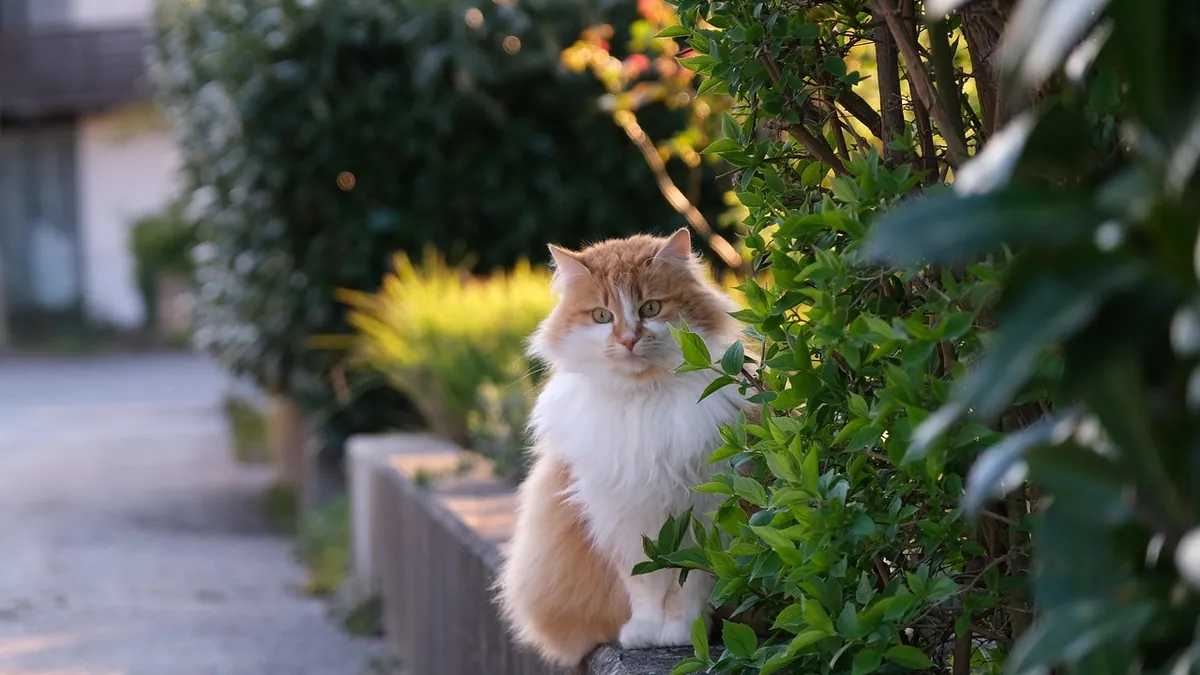
Is yew poisonous to cats? Yes, and it is one of the most dangerous plants a cat can encounter. Every part of the yew plant, including the needles, bark, seeds, and berries, contains toxins that can stop a cat's heart within hours. There is no safe amount and no home remedy that buys you time.
This article is educational and is not a substitute for veterinary diagnosis or treatment.
Quick Answer
- All parts of yew (Taxus species) are toxic to cats, including Japanese yew, English yew, Pacific or western yew, and Anglo-Japanese yew [1][2].
- The toxic principle is taxine, a group of alkaloids that disrupt the heart's electrical system and can cause sudden death from acute cardiac failure [1][2].
- Early signs can include tremors, trouble breathing, vomiting, and seizures, but some cats show almost no warning before collapse [1][2].
- If you think your cat ate any part of a yew plant, call your veterinarian, the ASPCA Animal Poison Control Center at (888) 426-4435, or Pet Poison Helpline at (855) 764-7661 immediately.
- Do not wait for symptoms and do not induce vomiting unless a veterinarian tells you to.
Is Yew Poisonous to Cats? Which Yews and Which Parts
Yew is a genus of evergreen shrubs and trees, Taxus species, in the family Taxaceae [1][2]. These plants are common in American yards, cemeteries, parks, and commercial landscaping because they stay green year round and tolerate heavy pruning. That same popularity puts them within reach of indoor and outdoor cats.
The ASPCA lists western yew (Taxus brevifolia) as toxic to dogs, cats, and horses, with additional common names including English yew, Pacific yew, Japanese yew, and Anglo-Japanese yew [1]. A separate ASPCA record for yew (Taxus spp.) lists Japanese yew as a common name and confirms toxicity to cats [2]. In practice, you can treat any yew shrub or tree as dangerous, because the toxic principles are shared across the genus.
Are yew berries toxic to cats?
Yes. Yew "berries" are not true berries. They are fleshy red cups called arils that surround a hard seed. The aril itself is the least toxic part of the plant, but the seed inside carries taxine, and a cat chewing or swallowing the seed is exposed [1][2]. Because cats often bat at and mouth small objects, a single dropped berry on a sidewalk or patio is a real hazard. Do not assume the fleshy red part makes the fruit safe.
Are yew bushes and yew trees poisonous to cats?
Yes, both. Needles, bark, and seeds all contain taxine alkaloids [1][2]. Dried clippings are still toxic, so a pile of pruned branches left in the yard or a wreath made from yew sprigs is just as dangerous as the living shrub. Indoor cats can be exposed through holiday greenery, floral arrangements, or a coat sleeve that brushed against a hedge.
Is Japanese yew toxic to cats?
Yes. Japanese yew is named directly in the ASPCA records as a common name for toxic Taxus plants [1][2]. It is one of the most widely planted landscape yews in the United States, which is exactly why this question comes up so often.
A note on "yew pine"
Yew pine (Podocarpus macrophylla), also called Buddhist pine, is a different plant with a confusingly similar name. The ASPCA lists it as toxic to cats, with signs of severe vomiting and diarrhea, but its toxic principle is unknown and it is not the same cardiac poison as true yew [3]. If you are unsure which plant you have, bring a cutting or a clear photo to your veterinarian or a nursery for identification.
Yew is not the only plant that can hurt your cat. For a broader list, see What Plants Can Be Toxic To Cats and Plants Toxic To Cats.
The Toxic Principle: What Taxine Does in the Body
Taxine A and B are the main toxic alkaloids in yew, along with a volatile oil [1]. Taxine works on the heart muscle and its conduction system. It interferes with the movement of sodium and calcium across cardiac cells, which destabilizes the electrical signals that keep the heart beating in a normal rhythm. The result is arrhythmia, poor pumping, and eventually cardiac arrest.
This is why yew poisoning looks different from most plant poisonings. Many toxic plants cause vomiting and diarrhea for hours before anything serious happens. Yew can go from a normal-looking cat to a collapsed cat in a very short window. The ASPCA lists sudden death from acute cardiac failure as the hallmark outcome, with early signs of muscular tremors, difficulty breathing, and seizures in dogs [1][2]. Cats can show the same progression, and some never show clear early signs at all.
There is no antidote that reverses taxine. Treatment is supportive and aimed at keeping the heart stable long enough for the body to clear the toxin.
Signs of Yew Poisoning in Cats and the Typical Timeline
Signs reflect a heart that is failing and a nervous system that is irritated. Watch for:
- Vomiting
- Tremors or muscle twitching
- Difficulty breathing or rapid breathing
- Weakness, wobbliness, or reluctance to move
- Pale or bluish gums
- Collapse
- Seizures
- Sudden death
The timeline is the part that catches owners off guard. Signs often begin within a few hours of ingestion, and deterioration can be rapid. The ASPCA describes sudden death from acute cardiac failure as a primary clinical sign, which means some cats are found dead with no observed warning [1][2]. If you saw your cat eat yew and it still looks fine, that does not mean it is safe. It means you have a narrow window to act.
What to Do Right Now
- Move your cat away from the plant and remove any plant material from its mouth if you can do so safely. Do not put your fingers deep into the mouth of a distressed cat.
- Call your veterinarian, the ASPCA Animal Poison Control Center at (888) 426-4435, or Pet Poison Helpline at (855) 764-7661 right away. These services are staffed around the clock.
- Tell them the plant name if you know it, how much you think was eaten, and when.
- Do not induce vomiting unless a veterinarian tells you to. With a cardiac toxin, forcing vomiting can worsen stress on the heart and lead to aspiration.
- Do not give food, milk, oil, activated charcoal, or any home remedy.
- Bring the plant with you if you can, or a photo of it. Identification speeds up care.
If your cat has collapsed, is struggling to breathe, or is having a seizure, go to the nearest emergency veterinary hospital now and call on the way.
How Veterinarians Treat Yew Poisoning
Treatment is aggressive and starts before test results come back, because there is no time to wait. Your veterinarian will place an intravenous catheter and start fluids. They will monitor the heart continuously with an ECG and watch blood pressure, oxygen levels, and electrolytes.
Medications may be used to control arrhythmias, support blood pressure, and manage seizures. Activated charcoal may be given in some cases to bind plant material still in the stomach, but only under veterinary direction and only when the airway is protected. If your cat is not breathing well, oxygen therapy or a ventilator may be needed.
The dose of any medication is calculated by your veterinarian based on your cat's weight, heart rhythm, and overall health. There is no home dose for this situation.
Outlook for a Cat That Ate Yew
The outlook depends almost entirely on how much was eaten and how fast treatment started. Yew is considered one of the most rapidly fatal plant poisonings in pets, and the ASPCA lists sudden death from acute cardiac failure as a defining feature [1][2]. Cats that reach a veterinary hospital early, before the heart rhythm destabilizes, have the best chance. Cats that arrive already collapsed or in arrest have a grave prognosis.
Even with intensive care, some cats do not survive. That is not a reason to hesitate. It is a reason to call the moment you suspect exposure.
Prevention and Safer Alternatives
The simplest protection is removal. If you have yew on your property and a cat with outdoor access, have the plant dug out and the root ball removed. Do not compost the trimmings where a cat can reach them. Check neighborhood hedges on your cat's usual route, and keep clippings, wreaths, and garlands made with yew out of the house.
For indoor cats, choose cat-safe greenery. Ask your nursery or veterinarian to confirm a plant's identity before you bring it home, and keep the ASPCA plant database bookmarked on your phone. If you want flowers and houseplants that are safer options, see What Plants And Flowers Are Toxic To Cats and Flowers That Are Toxic To Cats.
Keep in mind that plant poisoning is only one risk. Cats are also exposed to household chemicals and human foods, and other toxins can cause severe kidney injury. Ethylene glycol, the active ingredient in some antifreeze products, is a potent animal poison with a high fatality rate in cats, and cats in one hospital case series had a zero percent survival-to-discharge rate [4]. Grape and raisin ingestion is another common household exposure that carries a risk of acute kidney injury in cats and dogs [5]. Some plant poisonings, such as grayanotoxin exposure from Rhododendron and Pieris species, cause vomiting and regurgitation that can look like ordinary stomach upset [6]. Knowing the plant in your yard matters in every one of these situations.
Limitations and When to Contact a Veterinarian
This article cannot tell you whether your specific cat was exposed or how much it ate. Only a veterinarian who examines your cat can do that.
Contact a veterinarian the same day if you saw your cat chewing a plant you cannot identify, if a yew branch or berry was found chewed, or if your cat vomited after mouthing plant material.
Go to an emergency hospital now if your cat has tremors, trouble breathing, weakness, collapse, seizures, pale or blue gums, or a very slow or very fast heartbeat. Do not call for an appointment. Drive there.
Schedule a routine visit if you want help identifying plants in your home or yard, or if you want a prevention plan for a cat that chews plants. Bring photos or cuttings.
Frequently Asked Questions
How much yew does it take to kill a cat?
There is no established safe amount, and any ingestion should be treated as an emergency. Because taxine attacks the heart directly, even a small amount of needles or a single seed can be enough to cause serious harm. Do not try to estimate a safe dose at home.
Can a cat survive yew poisoning?
Yes, some cats survive with fast, aggressive veterinary care. Survival depends on how much was eaten, how quickly treatment started, and how stable the heart rhythm is on arrival. Cats treated early have the best chance.
Are yew berries more dangerous than the needles?
Both are dangerous, but for different reasons. The fleshy red aril around the seed is the least toxic part, while the seed inside and the needles carry the taxine alkaloids. A cat that eats berries is likely swallowing seeds too.
Do dried or dead yew clippings still poison cats?
Yes. Dried yew keeps its taxine content, so pruned branches, dead hedge trimmings, and dried wreaths remain hazardous. Never leave yew clippings where a cat can reach them, and do not burn them in a fire pit your cat has access to.
What plants look like yew and could be confused with it?
Yew pine (Podocarpus) is often confused with true yew because of the name, and it is also toxic to cats, though it causes severe vomiting and diarrhea instead of cardiac failure [3]. Other evergreen shrubs can look similar at a distance. If you are not certain of a plant's identity, treat it as toxic until a professional confirms otherwise.
Related Articles
- What Plants Can Be Toxic To Cats
- What Plants And Flowers Are Toxic To Cats
- Plants Toxic To Cats
- Flowers That Are Toxic To Cats
- What Flowers Are Toxic To Cats
- What Plants Are Toxic To Cats Indoor
- Is Taxus (Yew) Toxic to Cats? Signs and What to Do
- Is Holly Toxic to Cats? Berries, Leaves, and Signs
- Are Azaleas Toxic to Cats? Flowers, Leaves, and Bushes
References
- Toxic and Non-toxic Plants: Western Yew. ASPCA Animal Poison Control Center.
- Toxic and Non-toxic Plants: Yew. ASPCA Animal Poison Control Center.
- Toxic and Non-toxic Plants: Yew Pine. ASPCA Animal Poison Control Center.
- A retrospective case series of companion animals hospitalized for ethylene glycol poisoning at a Canadian veterinary teaching hospital. The Canadian veterinary journal = La revue veterinaire canadienne, 2026.
- A multicenter, retrospective, cross-sectional analysis of fresh and processed Vitis vinifera (grape) ingestion in dogs and cats. Frontiers in veterinary science, 2026.
- Grayanotoxin poisoning in animals following the ingestion of Ericaceae plants. Veterinary journal (London, England : 1997), 2026.