Can Dogs Eat Bok Choy? Raw, Cooked, and Daily Limits
By Dr. Zubair Khalid, DVM, MS, PhD ·
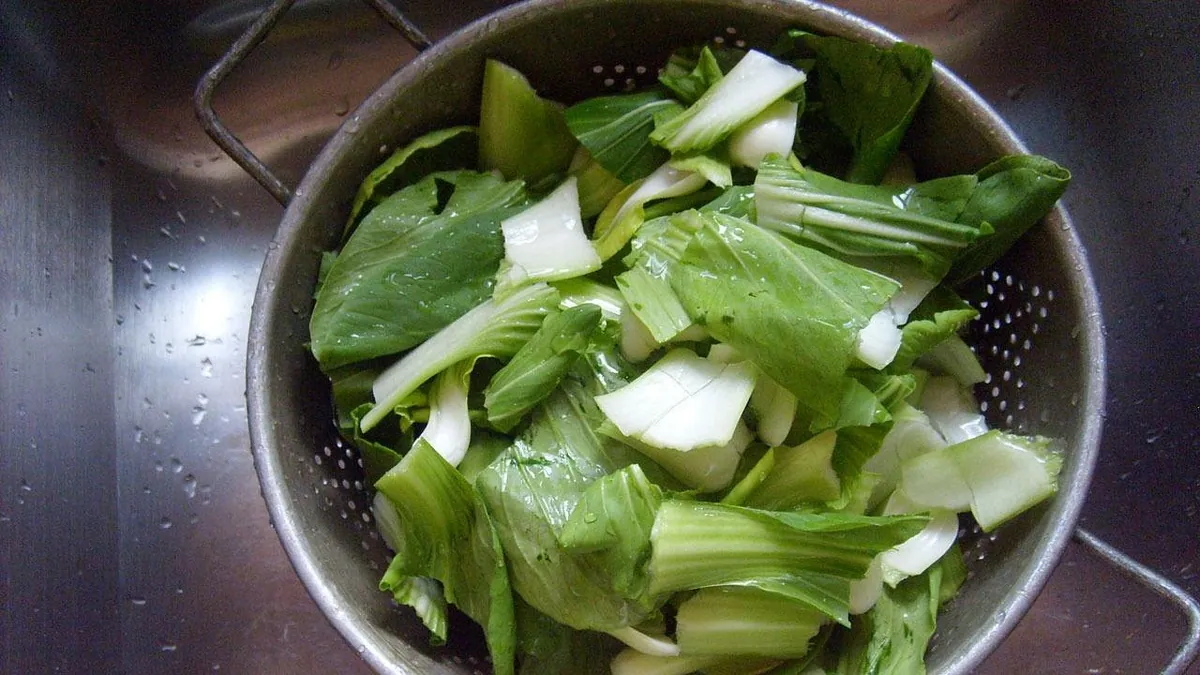
Yes, you can feed your dog bok choy cooked, and raw bok choy is also safe for most dogs in small amounts. This leafy green is low in calories and delivers vitamins, so it can work as an occasional treat or a topper on regular meals. The catch is portion size and preparation, because large amounts or the wrong form can upset your dog's stomach or interfere with thyroid function over time.
This article is educational and is not a substitute for veterinary diagnosis or treatment.
Quick Answer
- Bok choy is safe for dogs raw or cooked, as long as it is plain and served in small amounts.
- A few bite-sized pieces a day is plenty for most dogs. Bok choy should stay under 10 percent of daily calories, like any treat.
- Never feed bok choy cooked with garlic, onion, salt, xylitol, or heavy oil. Those add real toxicity and digestive risk.
- Large volumes of bok choy, especially fermented bok choy, have been linked to a blood condition in at least one dog [1].
- Stop feeding bok choy and call your vet if you see vomiting, diarrhea, gas, or changes in energy or gum color.
Is Bok Choy Safe for Dogs?
Yes, bok choy is generally safe for dogs. It is a non-toxic vegetable in the Brassica family, the same group that includes cabbage, broccoli, and kale. Your dog can eat it raw or cooked, and most dogs tolerate a small serving without any issue.
The word "safe" comes with conditions. Bok choy is not a complete food, and it should never replace a balanced diet. It also contains natural compounds called glucosinolates, which can affect the thyroid when eaten in very large amounts over a long period. For a normal dog eating a few pieces a day, this is not a realistic concern. For a dog with existing thyroid disease, talk to your veterinarian before adding any Brassica vegetable to the bowl.
There is also a documented case of a dog developing methemoglobinemia, a condition where red blood cells cannot carry oxygen properly, after eating a large volume of fermented bok choy [1]. The dog recovered with supportive care, but the case shows that quantity and fermentation matter [1]. Fermented foods like kimchi or sauerkraut-style bok choy are not appropriate for dogs.
Can Dogs Eat Bok Choy Cooked?
Yes, cooked bok choy is safe for dogs when it is prepared plainly. Cooking softens the fibers, which can make it easier to digest than raw stems. Steaming, boiling, or lightly sauteing in a small amount of plain water are all fine methods.
The problem is what gets added during cooking. Many bok choy recipes call for garlic, onion, soy sauce, sesame oil, chili, or sugar. Garlic and onion damage red blood cells in dogs and can cause anemia. Soy sauce adds a heavy salt load. Xylitol, sometimes found in sweetened sauces, causes dangerous hypoglycemia and liver injury in dogs. If your bok choy dish contains any of these, keep it away from your dog entirely.
Plain boiled bok choy is one of the safest forms. Boil or steam the leaves and stems in water with nothing added, let them cool, and cut them into small pieces. Skip the salt shaker and skip the butter. A plain piece of cooked bok choy is a low-calorie treat that most dogs will happily eat.
If you are already thinking about other cooked foods for your dog, our guide on cooked bones explains why some cooked items that seem harmless can actually be dangerous.
Can Dogs Eat Bok Choy Raw?
Yes, raw bok choy is safe for most dogs in small amounts. The stems are crunchy, which some dogs enjoy, and the leaves are soft enough to chew. Raw bok choy keeps more of its water-soluble vitamins than boiled bok choy, since some nutrients leach into cooking water.
Raw bok choy is firmer and higher in fiber, so it can be harder on a sensitive stomach. Start with one small piece and see how your dog handles it. If your dog has a history of pancreatitis, inflammatory bowel disease, or chronic enteropathy, raw vegetables may not be the best choice. Dogs with chronic enteropathy often do better on carefully managed diets, and dietary management is the cornerstone of treatment for those cases [2].
Always wash raw bok choy thoroughly. Leafy greens can carry bacteria and pesticide residue. Rinse under running water and pat dry before offering a piece. Cut the stems into small, bite-sized sections to reduce choking risk, especially for small breeds and dogs who eat too fast.
Nutritional Value and Real Benefits
Bok choy is mostly water, which makes it a low-calorie food. It provides vitamin A, vitamin C, vitamin K, calcium, and potassium. It also delivers fiber, which can support regular digestion in small amounts.
Those nutrients are a nice bonus, but they are not a reason to feed large portions. Your dog's complete and balanced diet already provides what they need. Bok choy works best as a treat, a food topper, or a way to add variety and moisture to a meal.
Some owners use vegetables like bok choy to add bulk for dogs who need to lose weight. That can help, as long as the total treat calories stay under 10 percent of daily intake and the main diet remains balanced. If you want more low-calorie treat ideas, our article on raw berries covers other options that are safe in moderation.
Risks and Precautions
Gas and Digestive Upset
Brassica vegetables contain fiber and natural sulfur compounds that can cause gas, bloating, and loose stools in some dogs. A small piece is usually fine. A whole bowl is not. If your dog is prone to gas or has a sensitive gut, keep portions very small or skip bok choy altogether.
Thyroid Concerns
Glucosinolates in Brassica vegetables can interfere with iodine uptake by the thyroid when consumed in large amounts over time. This is a bigger concern for dogs eating massive quantities of raw cruciferous vegetables daily. A few pieces of bok choy will not cause thyroid disease in a healthy dog. Dogs already on thyroid medication or with diagnosed hypothyroidism should have their vegetable intake discussed with their veterinarian.
Methemoglobinemia Risk With Large or Fermented Amounts
A published case report describes a dog that developed methemoglobinemia after eating a large volume of fermented bok choy [1]. The suspected mechanism involves sulfur-containing compounds released during fermentation, which can damage red blood cells in a way similar to what happens in cattle and sheep that eat Brassica plants [1]. This does not mean a small piece of fresh bok choy is dangerous. It means fermented bok choy and very large servings are not safe.
Choking Hazard
Raw stems are firm and can be a choking risk for small dogs or dogs who gulp food. Cut stems into small, thin pieces. Supervise your dog while they eat any new food.
Dangerous Additives
The bok choy itself is rarely the problem. The seasoning usually is. Watch for these:
| Form | Safe? | Notes |
|---|---|---|
| Raw bok choy, plain | Yes, in small amounts | Wash well, cut stems small |
| Steamed or boiled bok choy, plain | Yes, in small amounts | No salt, butter, or oil |
| Sauteed bok choy with garlic or onion | No | Garlic and onion are toxic to dogs |
| Bok choy in soy sauce or teriyaki | No | High sodium, possible xylitol |
| Fermented bok choy (kimchi style) | No | Linked to methemoglobinemia in a dog [1] |
| Bok choy with xylitol-sweetened sauce | No | Xylitol causes hypoglycemia and liver injury |
How to Offer Bok Choy Safely
Start with a single small piece, about the size of a postage stamp for a medium dog. Wait 24 hours and watch for vomiting, diarrhea, gas, or changes in appetite. If your dog handles it well, you can offer a few small pieces a day as a treat.
Use only the leaf and the tender inner stem. Trim off the thick base, which is the toughest part. Chop everything into small, bite-sized pieces. For tiny breeds, aim for pieces no larger than a pea.
Cook it plain if your dog has a sensitive stomach. Steaming or boiling in water with no seasoning is the gentlest option. Let it cool completely before serving.
Do not feed bok choy every day in large amounts. A few pieces a few times a week is a reasonable pattern for most dogs. If you want to feed it daily, keep the total amount very small and make sure it does not crowd out balanced food.
If you are comparing bok choy to other vegetables, our guide on carrots covers raw versus cooked preparation and dental benefits.
What If Your Dog Ate Too Much Bok Choy?
If your dog ate a large amount of plain bok choy, the most likely outcome is gas, bloating, or loose stool. Withhold treats for the rest of the day, make sure fresh water is available, and monitor for vomiting or diarrhea. Mild digestive upset usually settles within a day.
If your dog ate fermented bok choy, bok choy cooked with garlic or onion, or a dish containing xylitol, treat it as an emergency. Call your veterinarian or a pet poison control hotline right away. Signs of trouble include weakness, pale or blue-tinged gums, vomiting, collapse, or trouble breathing. The dog in the published case needed decontamination and supportive care, and recovered after treatment [1].
If you are unsure how much your dog ate, call your vet with your dog's weight and the estimated amount. Do not wait for symptoms to appear before you make the call.
Safer Alternatives
If bok choy does not agree with your dog, or you want more variety, these vegetables are generally safe in small amounts:
- Plain cooked carrots, cut into small pieces
- Plain green beans, fresh or frozen and thawed
- Plain cooked or raw cucumber, seeds removed
- Plain zucchini, steamed or raw
- Plain broccoli florets in very small amounts
Broccoli is in the same Brassica family as bok choy, so the same portion rules apply. A few small florets are fine. A large bowl can cause gas. If you want to compare options, our article on strawberry tops covers another low-calorie plant treat that many dogs enjoy.
For protein-based treats, our guide on duck and rendering safety explains how fat content and preparation affect what is safe for your dog.
Limitations and When to Contact a Veterinarian
This article gives general guidance, not a diagnosis or treatment plan for your individual dog. Every dog has different health needs, and a veterinarian who knows your dog's history should make the final call on diet changes.
Contact your veterinarian the same day if your dog:
- Ate bok choy cooked with garlic, onion, or xylitol
- Ate fermented bok choy in any amount
- Has vomiting, diarrhea, or gas that lasts more than a few hours
- Seems uncomfortable, bloated, or less interested in food
Go to an emergency clinic now if your dog:
- Has pale, white, or blue-tinged gums
- Is weak, collapsing, or struggling to breathe
- Has repeated vomiting or bloody diarrhea
- Shows tremors, seizures, or sudden disorientation
Schedule a routine visit if your dog:
- Has been eating large amounts of raw Brassica vegetables daily for weeks or months
- Has known thyroid disease and you want to add bok choy to the diet
- Has chronic stomach issues and you are unsure which vegetables are safe
Frequently Asked Questions
Can dogs eat bok choy cabbage?
Yes, bok choy is a type of Chinese cabbage and is safe for dogs in small amounts. It belongs to the same plant family as standard cabbage, broccoli, and kale. The same portion and preparation rules apply.
Can dogs eat bok choy boiled?
Yes, boiled bok choy is safe as long as it is boiled in plain water with no salt, butter, garlic, or onion. Boiling softens the stems and makes the vegetable easier to digest. Let it cool before serving.
Can dogs eat bok choy and broccoli together?
Yes, dogs can eat bok choy and broccoli together in small amounts. Both are Brassica vegetables, so the combined serving should stay small to avoid gas and bloating. A few pieces of each is a reasonable treat.
Can dogs eat bok choy everyday?
Small amounts of plain bok choy can be offered daily for many healthy dogs. Large daily servings of raw Brassica vegetables are not recommended because of the long-term thyroid concern. Keep the portion small and watch for digestive changes.
What happens if a dog eats too much bok choy?
A large amount of plain bok choy usually causes gas, bloating, or loose stool. Fermented bok choy is more serious and has been linked to a blood oxygen problem in one dog [1]. Call your vet if your dog ate fermented bok choy or shows weakness, vomiting, or gum color changes.
Related Articles
- Can Dogs Eat Cooked Bones?
- Can Dogs Eat Berries Raw
- Can Dogs Eat Strawberry Tops Raw
- Can Dogs Eat Duck? Fat Content and Rendering Safety
- Can Dogs Eat Carrots? Dental Benefits & Raw vs Cooked
- Can Dogs Eat Raw Pork? Trichinella and Virus Risk
- Can Dogs Eat Cabbage Raw or Cooked? Safe Amounts and Prep
- Can Dogs Eat Brussels Sprouts Raw or Cooked? Safety Guide
- Can Dogs Eat Collard Greens Raw or Cooked?
References
- Transient methemoglobinemia suspected secondary to ingestion of Brassica species in a dog. Veterinary medicine (Auckland, N.Z.), 2019.
- Clinical and Faecal Outcomes in Adult Dogs with Chronic Enteropathy Fed an Hydrolysed Protein Diet with and Without Bacillus velezensis DSM 15544: A Randomised, Double-Blind, Cross-Over Trial. Animals : an open access journal from MDPI, 2026.