Can Dogs Eat Collard Greens Raw or Cooked?
By Dr. Zubair Khalid, DVM, MS, PhD ·
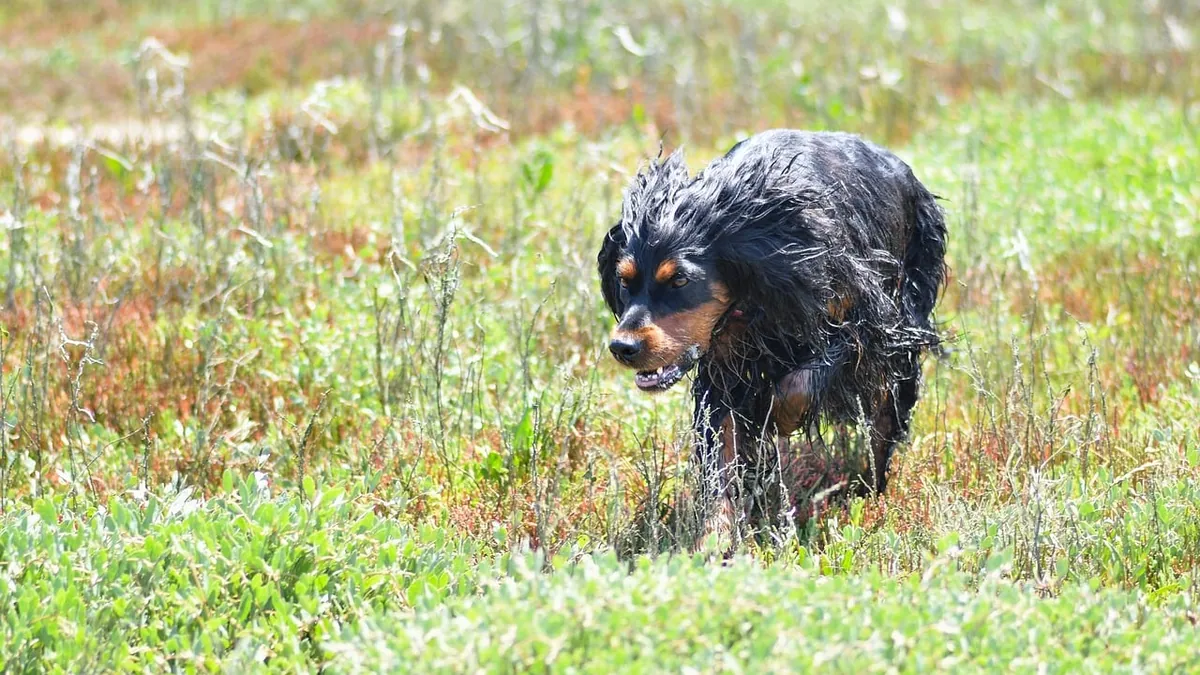
Can dogs eat collard greens cooked? Yes, in small amounts, as long as you prepare them plainly and skip the seasoning. Collard greens are not a required part of a dog's diet, but a few bites of cooked, unseasoned greens are generally safe for most healthy dogs. This article is educational and is not a substitute for veterinary diagnosis or treatment.
Quick Answer
- Cooked, plain collard greens are safe for most dogs in small amounts, meaning a few bite-sized pieces, not a bowlful.
- Raw collard greens are not toxic, but they are tougher to chew and digest, and raw leafy greens can carry bacteria.
- Skip stems or chop them very fine. Stems are fibrous and can be a choking hazard or cause stomach upset.
- Never feed greens cooked with salt, butter, oil, garlic, onion, or xylitol-sweetened anything.
- Dogs with thyroid disease, kidney disease, or a history of calcium oxalate stones should not get collard greens without your vet's OK.
Are Collard Greens Safe for Dogs?
Collard greens are not toxic to dogs. The plant itself does not contain a poison that harms dogs the way grapes, chocolate, or xylitol do. That is the good news.
The catch is that "not toxic" is not the same as "good for every dog." Collard greens are a cruciferous vegetable, the same family as cabbage, broccoli, kale, and Brussels sprouts. These vegetables contain compounds called glucosinolates. In large amounts, those compounds can affect how the thyroid gland takes up iodine. For a dog with an underactive thyroid, a big pile of raw cruciferous greens is a bad idea. For a healthy dog eating a few pieces a week, the effect is small.
Cooking helps in two ways. Heat softens the tough plant fibers so your dog can chew and digest them more easily. Cooking also reduces some of the goitrogenic compounds that concern the thyroid. That is why cooked greens are the better choice for most dogs.
There is also a food safety angle. Raw leafy greens sold in stores can carry harmful bacteria. A survey of packaged ready-to-eat fresh leafy green salads found Campylobacter, Salmonella, and Listeria monocytogenes present in some samples [1]. Stray dogs and coyotes near leafy green crop fields have also been found to carry E. coli and Salmonella in their feces, which shows how these pathogens move through the environment around produce [2]. Cooking lowers that bacterial risk. If you do feed raw greens, wash them well and treat them like any raw produce you would handle for yourself.
One more point that surprises owners. Raw cruciferous vegetables contain sulforaphane, a compound studied in canine cancer research. In laboratory work on canine osteosarcoma cell lines, sulforaphane did not kill cancer cells at concentrations that could realistically be reached in the body, and when it was combined with the chemotherapy drug doxorubicin, it actually protected some cancer cells from the drug's effects [3]. That is a lab finding, not a reason to feed or avoid greens, but it is a good reminder that "natural compound" does not automatically mean "helpful" in a dog with cancer. Talk to your oncologist before adding anything.
Can Dogs Eat Collard Greens Raw?
Raw collard greens are not poisonous, but they are not the best way to serve them. The leaves are stiff and fibrous. Many dogs will chew a piece and spit it out, or swallow it whole and vomit it back up later.
Raw greens also carry a higher bacterial load than cooked greens. The same food safety concern that applies to raw meat applies to raw produce, just at a lower level. If your dog has a weakened immune system, is very young, or is very old, cooked is the safer route.
If you want to offer raw collard greens anyway, use small torn pieces, wash them thoroughly, and watch your dog eat. Stop if your dog gulps without chewing.
Can Dogs Eat Collard Greens Stems?
Stems are the toughest part of the plant. They are high in insoluble fiber and hard to break down. A large stem piece can lodge in the throat or cause a choking episode, especially in small dogs.
If you cook collard greens for your dog, remove the thick central stems. If you want to use them, cook them until very soft and chop them into tiny pieces. Even then, some dogs get gas and loose stool from stems. Start with a piece the size of your pinky nail and see how your dog handles it.
Can Dogs Eat Collard Greens and Cabbage?
Yes, both are in the same vegetable family and both are safe in small, cooked amounts. Cabbage tends to cause more gas than collard greens in many dogs. If you feed both at the same meal, keep the total amount small so you can tell which one caused any stomach upset.
Do not feed coleslaw. Coleslaw dressing usually contains onion powder, sugar, salt, and sometimes xylitol. Onion and xylitol are both toxic to dogs. Plain cooked cabbage or plain cooked collards are fine. The dressing is the problem.
Can Dogs Eat Collard Greens and Spinach?
Yes, both are safe in small amounts, but spinach brings its own concern. Spinach is high in oxalates. Oxalates bind calcium and can contribute to calcium oxalate bladder stones in dogs that are prone to them. Collard greens also contain oxalates, though at lower levels than spinach.
If your dog has had calcium oxalate stones, or if your breed is prone to them, skip both greens unless your vet says otherwise. For a healthy dog with no stone history, a small amount of cooked collards mixed with a little cooked spinach is not a problem. Keep the portion small and do not make greens a daily habit.
What Nutrition Do Collard Greens Offer?
Collard greens give your dog fiber, vitamin A, vitamin C, vitamin K, calcium, and a small amount of plant protein. Fiber can help dogs who tend to have firm stools or occasional constipation.
That said, dogs are not built to get their nutrition from plants. They are omnivores with a strong carnivorous bias, and they absorb nutrients from animal-based foods far more efficiently. Greens are a topping, not a meal. A complete and balanced commercial diet or a properly formulated home diet already covers your dog's needs. If you are worried about your dog's diet quality, ask your vet before adding supplements or vegetables to fill gaps.
If you are looking for low-calorie toppers for a dog on a weight loss plan, cooked green vegetables can work. You can read more about that in Can Dogs Eat Green beans? Weight Loss & Raw Safety. Asparagus is another vegetable owners ask about, and it has its own preparation rules, covered in Can Dogs Eat Asparagus? Raw vs Cooked Digestibility.
Risks of Feeding Collard Greens to Dogs
Thyroid Effects
Cruciferous vegetables contain glucosinolates, which can interfere with iodine uptake by the thyroid when eaten in large amounts over time. A few pieces of cooked collards will not cause thyroid disease in a healthy dog. A dog already on thyroid medication, or one with a diagnosed thyroid condition, should avoid regular servings of raw cruciferous vegetables. Cooked greens in tiny amounts are usually acceptable, but confirm with your vet.
Oxalate and Stone Risk
Collard greens contain oxalates. Dogs with a history of calcium oxalate urolithiasis should not eat high-oxalate foods. This is a case where the risk is real and specific to your dog's medical history, so ask your vet instead of guessing.
Gas and Diarrhea
Cruciferous vegetables are famous for causing gas. Your dog may have loose stool, bloating, or more flatulence than usual after eating collards. Start with one small piece and wait 24 hours before offering more.
Choking and Blockage
Large pieces of stem or a whole leaf can be swallowed without chewing. This can cause choking or, rarely, an intestinal blockage. Cut greens into small pieces and supervise.
Dangerous Additives
This is where most real poisonings happen. Collard greens are almost never the problem. What people cook them in is the problem.
| Form | Safe? | Notes |
|---|---|---|
| Plain boiled or steamed collards | Yes | Cool before serving. Small pieces only. |
| Raw collard leaves | Caution | Not toxic, but tough and higher bacterial risk [1] |
| Collard stems | Caution | Choking risk. Cook soft and chop tiny if used at all. |
| Collards cooked with salt or butter | No | High fat and sodium can trigger pancreatitis and GI upset |
| Collards cooked with garlic or onion | No | Garlic and onion damage red blood cells in dogs |
| Collards cooked with xylitol sweetener | No | Xylitol causes dangerous hypoglycemia and liver injury |
| Canned collards | Usually no | Often loaded with sodium. Check the label. |
| Collards in a smoothie with xylitol or grapes | No | The other ingredients are the danger |
How to Feed Collard Greens Safely
- Choose fresh leaves and rinse them well.
- Remove the thick stems.
- Boil, steam, or microwave the leaves with no salt, butter, oil, or seasoning.
- Let them cool to room temperature.
- Chop into small, bite-sized pieces.
- Start with one small piece for a medium dog, or a pea-sized piece for a small dog.
- Wait 24 hours and watch for vomiting, diarrhea, or gas.
- If your dog tolerates it, keep the serving to a few pieces a couple of times a week at most.
Greens should never make up more than a tiny fraction of your dog's daily calories. Treat them as a garnish, not a side dish.
What If Your Dog Ate Too Much or Ate a Dangerous Form?
If your dog ate a large amount of plain cooked collards, expect some gas and possibly soft stool. Withhold other treats for the rest of the day, keep fresh water available, and watch for vomiting or diarrhea. Most dogs recover on their own within a day.
If your dog ate collards cooked with garlic, onion, or xylitol, this is a different situation. Call your veterinarian or a pet poison hotline right away, even if your dog looks fine. Symptoms of onion and garlic toxicity can take a day or more to appear, and xylitol can cause a rapid drop in blood sugar within 30 minutes.
If your dog is choking, gagging, retching, drooling heavily, or has a swollen belly, go to an emergency clinic now. Do not wait to see if it passes.
Safer Alternatives
If you want a low-calorie vegetable topper, several options are easier on dogs than collard greens.
- Cooked green beans, plain and cut small
- Cooked carrots, soft and diced
- Cooked zucchini, no seasoning
- Plain cooked pumpkin, not pie filling
- A few raw or cooked berries, washed and cut
Berries are a popular choice and generally well tolerated. You can read more in Can Dogs Eat Berries Raw. If you are considering raw meat as part of your dog's diet, understand the bacterial risks first. Raw meat diets are a known source of potentially pathogenic and antimicrobial-resistant bacteria, and veterinarians and owners both flag bacterial load as a concern with these diets [4]. You can read more in Can Dogs Eat Raw Chicken? Salmonella and Campylobacter Risk. Potatoes are another common question, and raw potatoes carry solanine risk, covered in Can Dogs Eat Raw Potatoes? Solanine and Green Skin Warning.
Limitations and When to Contact a Veterinarian
This article gives general guidance. Your dog's age, weight, breed, medications, and medical history all change the answer. Individual cases need a veterinarian who can examine your dog and review the full picture.
Contact your veterinarian the same day if your dog ate collards cooked with garlic, onion, or a sweetener, if your dog has thyroid or kidney disease and ate a large serving, or if your dog has vomiting or diarrhea that lasts more than 24 hours.
Go to an emergency clinic now if your dog is choking, has trouble breathing, has a distended or painful abdomen, is collapsing, or is having seizures. Xylitol ingestion is always an emergency.
Schedule a routine visit if your dog has repeated gas or soft stool after eating vegetables, or if you want help building a balanced diet that includes safe toppers.
Frequently Asked Questions
Can puppies eat collard greens?
Puppies can eat a small piece of plain cooked collard greens, but their digestive systems are sensitive and their nutritional needs are high. Greens add almost nothing a growing puppy needs, so keep them out of the bowl until your puppy is on a stable adult diet. Ask your vet before adding any human food to a puppy's meals.
Do collard greens help dogs lose weight?
They can help as a low-calorie filler because they add volume with very few calories. They do not replace a proper weight management plan. If your dog needs to lose weight, your vet should set a target weight and calculate a daily calorie goal based on your dog's size and body condition.
Can collard greens cause thyroid problems in dogs?
Eating a small amount of cooked collards occasionally is very unlikely to cause thyroid disease in a healthy dog. The concern is long-term, large-volume feeding of raw cruciferous vegetables, which can interfere with iodine uptake. If your dog already has thyroid disease, avoid regular servings and ask your vet about safe limits.
Are canned collard greens safe for dogs?
Usually not. Canned greens are often packed with sodium, and some brands add onion or garlic powder for flavor. Both are harmful to dogs. If you want to use canned greens, read the label carefully and choose a no-salt-added version with no onion or garlic, then rinse them well.
What should I do if my dog ate collards cooked with onion?
Call your veterinarian or a pet poison hotline immediately. Onion toxicity damages red blood cells and symptoms can be delayed by a day or more. Do not wait for symptoms to appear before seeking advice.
Related Articles
- Can Dogs Eat Berries Raw
- Can Dogs Eat Green beans? Weight Loss & Raw Safety
- Can Dogs Eat Asparagus? Raw vs Cooked Digestibility
- Can Dogs Eat Raw Potatoes? Solanine and Green Skin Warning
- Can Dogs Eat Raw Chicken? Salmonella and Campylobacter Risk
- Can Dogs Eat Cooked Bones?
- Can Dogs Eat Turnips? Raw, Cooked, and Greens Safety
- Can Dogs Eat Cabbage Raw or Cooked? Safe Amounts and Prep
- Can Dogs Eat Brussels Sprouts Raw or Cooked? Safety Guide
References
- Prevalence of Campylobacter spp., Salmonella spp., and Listeria monocytogenes, and Population Levels of Food Safety Indicator Microorganisms in Retail Raw Chicken Meat and Ready-To-Eat Fresh Leafy Greens Salads Sold in Greece. Foods (Basel, Switzerland), 2023.
- Prevalence and characterization of Escherichia coli and Salmonella strains isolated from stray dog and coyote feces in a major leafy greens production region at the United States-Mexico border. PloS one, 2014.
- The effects of sulforaphane on canine osteosarcoma proliferation and invasion. Veterinary and comparative oncology, 2017.
- Exploring veterinarian and pet owner perspectives on the risk of antimicrobial resistance when feeding raw meat diets to dogs. Veterinary record open, 2026.