Can Dogs Eat Gelatin? Powder, Gummies, and Joint Health
By Dr. Zubair Khalid, DVM, MS, PhD ·
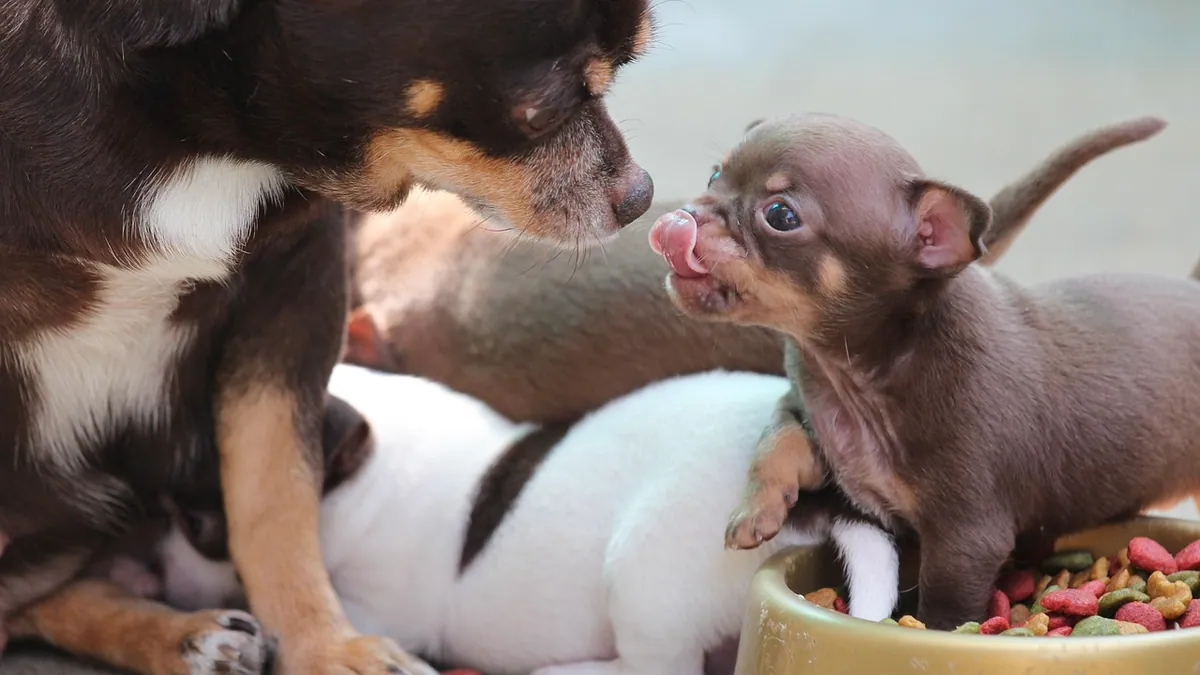
Can dogs have gelatin? Yes, in most cases. Plain, unflavored gelatin is a protein made from animal collagen, and small amounts are generally safe for healthy dogs. The trouble starts when gelatin comes in candy, gummies, or sweetened powders that carry ingredients dogs should never eat.
This article is educational and is not a substitute for veterinary diagnosis or treatment.
Quick Answer
- Plain unflavored gelatin powder, dissolved in water and unsweetened, is generally safe for most healthy adult dogs in small amounts.
- Gelatin gummies, candy, marshmallows, and flavored gelatin desserts are not safe because they often contain xylitol, sugar, artificial sweeteners, or dyes.
- Xylitol is a life-threatening toxin for dogs. If a product lists xylitol, sorbitol, or "sugar alcohol," treat it as an emergency.
- Gelatin is not a proven stand-alone joint treatment for dogs. Most joint evidence comes from combination supplements, not gelatin alone.
- If your dog ate a sweetened or sugar-free gelatin product, call your veterinarian or a pet poison hotline right away.
Can Dogs Have Gelatin? The Short Answer
Plain gelatin is safe for most dogs. It is a form of collagen protein, the same material that gives bone broth and connective tissue their body. Dogs digest it like any other protein. A spoonful of unflavored gelatin stirred into water or food is not toxic.
The form matters far more than the gelatin itself. A box of plain Knox-style powder and a bag of sugar-free gummy bears are completely different products from a dog's point of view. One is a mild protein source. The other can cause seizures, liver failure, or death within hours.
So the real question is not "can dogs have gelatin?" It is "what else is in the gelatin?" Read every label before you share anything.
Is Gelatin Safe for Dogs in Every Form?
No. Safety depends entirely on the form.
Plain Unflavored Gelatin Powder
This is the safest form. It contains gelatin and nothing else. You can dissolve it in warm water, let it set, and offer small cubes as a treat. Some owners mix it into regular food. Keep portions small, since a large serving of any new food can cause loose stool.
Gelatin Capsules
Empty gelatin capsules are usually just gelatin and water. The capsule shell itself is safe. The danger is the contents. Many capsules sold for people contain herbs, caffeine, or other compounds that are not meant for dogs. Never give your dog a human supplement capsule without asking your veterinarian first.
Gelatin Gummies and Candy
These are the riskiest form. Gummy candies often contain xylitol, which is highly toxic to dogs. They also contain sugar, corn syrup, citric acid, and artificial colors. Even "natural" gummies can hide xylitol under names like birch sugar or wood sugar. Treat all gummy candy as off-limits.
Flavored Gelatin Desserts
Boxed gelatin desserts (the kind you mix with water and chill) are loaded with sugar and artificial dyes. Sugar can upset a dog's stomach and contribute to weight gain. Dyes serve no purpose for your dog. Skip these.
Marshmallows
Marshmallows are made with gelatin, sugar, and sometimes xylitol in the sugar-free versions. Regular marshmallows are mostly sugar and offer no nutrition. Sugar-free marshmallows can be deadly.
| Form | Safe? | Notes |
|---|---|---|
| Plain unflavored gelatin powder | Yes, in small amounts | Dissolve in water, no additives |
| Empty gelatin capsules | Usually yes | Only the shell. Check the contents |
| Gelatin gummies (regular) | No | Sugar, dyes, possible xylitol |
| Sugar-free gummies or candy | No, emergency | Xylitol causes dangerous hypoglycemia |
| Flavored gelatin dessert mix | No | High sugar, artificial colors |
| Marshmallows | No | Sugar, possible xylitol in sugar-free |
Does Gelatin Help Dog Joints?
This is where marketing gets ahead of the science. Gelatin is a collagen source, and collagen is a building block of cartilage. That sounds promising. But there is no strong evidence that feeding plain gelatin to a dog improves arthritis pain or rebuilds joint cartilage.
What the research does show is that combination joint supplements can help some dogs. A 2025 double-blind, placebo-controlled study of 52 dogs with osteoarthritis found that a supplement containing eggshell membrane, krill meal with omega-3 fatty acids, astaxanthin, hyaluronic acid, and Boswellia serrata extract improved mobility scores over 90 days [1]. That supplement did not rely on gelatin. It worked through a mix of ingredients.
Joint supplements are popular. In a survey of 26,951 adult dogs, about 40 percent were given some type of joint supplement, and older, larger, and overweight dogs were more likely to receive one [2]. Popularity is not proof of benefit. If you want to support your dog's joints, talk with your veterinarian about proven options. You can read more in Joint Health Supplements For Dogs and Dog Joint Health Supplements.
Gelatin does appear in veterinary medicine, but not as a food supplement. One 2025 study used a gelatin-based hydrogel as a barrier material for guided tissue regeneration in canine periodontal disease [3]. Another 2026 study used quick-soluble gelatin microparticles in a cancer treatment called transarterial chemoembolization for dogs with lower urinary tract carcinomas [4]. These are clinical procedures performed by veterinarians, not something you can replicate with a box of gelatin at home.
Risks of Giving Gelatin to Dogs
Most problems come from what is mixed with the gelatin, not the gelatin itself.
Xylitol Toxicity
Xylitol is the biggest danger. In dogs, it triggers a massive insulin release that can drop blood sugar to dangerous levels within 30 to 60 minutes. Signs include vomiting, weakness, staggering, and seizures. Higher doses can cause liver failure. If a product label lists xylitol, birch sugar, or wood sugar, this is an emergency.
Sugar and Sweeteners
Sugar can cause stomach upset, diarrhea, and long-term weight gain. Artificial sweeteners other than xylitol can also cause digestive problems. None of them belong in a dog's bowl.
Salt, Garlic, and Onion
Some savory gelatin products, like aspic or meat jellies, contain onion powder, garlic powder, or added salt. Onion and garlic damage red blood cells and can cause anemia. High salt can lead to vomiting, tremors, and in severe cases, seizures.
Choking and Blockages
Large cubes of firm gelatin can be a choking hazard for small dogs. Gummy candies can also lodge in the throat. Cut gelatin into small, soft pieces, or mash it into food.
Digestive Upset
Any new food can cause loose stool or vomiting. Start with a very small amount and watch your dog for 24 hours.
How to Offer Gelatin Safely
If you want to give your dog gelatin, keep it simple.
- Buy plain, unflavored gelatin powder with one ingredient: gelatin.
- Dissolve one small scoop in warm water. Let it cool and set.
- Cut into small cubes no bigger than a pea for small dogs.
- Offer one cube and wait a day to see how your dog's stomach handles it.
- Never add sugar, honey, xylitol, or flavoring.
- Do not replace a balanced diet with gelatin. It is a treat, not a meal.
Avoid all gummies, candy, marshmallows, and flavored dessert mixes. If you are considering a gelatin capsule for joint support, ask your veterinarian first. They can calculate an appropriate dose based on your dog's weight and health, or recommend a product with actual evidence behind it. For more on what older dogs need, see Do Older Dogs Need Joint Supplements.
What to Do If Your Dog Ate Gelatin Candy or Gummies
Act fast. Timing matters with xylitol.
If your dog ate a sugar-free gummy, candy, or gum that lists xylitol, call your veterinarian or a pet poison hotline immediately. Do not wait for symptoms. Signs can appear within 30 minutes, and treatment works best when it starts early.
If your dog ate regular gummies or marshmallows, the risk is lower but not zero. Watch for vomiting, diarrhea, or loss of appetite. Call your veterinarian if symptoms appear or if your dog ate a large amount.
If your dog ate plain unflavored gelatin powder, they will likely be fine. A large amount might cause loose stool. Offer water and monitor for a day.
Safer Alternatives to Gelatin
If you want a chewy treat or a joint-friendly snack, there are better options.
- Plain cooked chicken or turkey, cut into small pieces.
- Carrots or green beans for a low-calorie crunch.
- Commercial dog treats made specifically for joint support, with your veterinarian's approval.
- A balanced joint supplement recommended by your veterinarian, ideally one backed by clinical evidence [1].
Avoid human candy entirely. If you want to know which human foods are safe, read Can Dogs Eat Strawberry Gummies and Can Dogs Eat Cranberries? UTI Prevention and Oxalate Risks.
Limitations and When to Contact a Veterinarian
This article covers general information. Your dog's age, weight, health conditions, and medications all affect what is safe. Individual cases need a veterinarian who can examine your dog and give specific advice.
Call your veterinarian or a pet poison hotline right now if your dog ate anything containing xylitol, even a small amount. Also call immediately if you see vomiting, weakness, staggering, tremors, seizures, or collapse.
Call the same day if your dog ate a large amount of regular gummy candy, marshmallows, or flavored gelatin dessert. Watch for vomiting, diarrhea, or refusal to eat.
Schedule a routine visit if you want to discuss joint support, weight management, or a safe treat plan. Bring the labels of any products you are considering.
Frequently Asked Questions
Can dogs eat gelatin powder?
Yes, plain unflavored gelatin powder is generally safe for healthy dogs in small amounts. It is a protein and does not contain the additives found in candy. Avoid flavored or sweetened powders.
Can dogs eat gelatin capsules?
The empty capsule shell is usually safe because it is just gelatin. The contents are the concern. Many human capsules contain herbs, caffeine, or other ingredients that can harm dogs. Ask your veterinarian before giving any capsule.
Can dogs eat gelatin gummies?
No. Gummies often contain xylitol, sugar, and artificial dyes. Xylitol can cause dangerous low blood sugar and liver failure. Treat any gummy candy as toxic and call for help if your dog eats one.
Can dogs eat gelatin candy?
No. Candy adds sugar, sweeteners, and sometimes xylitol to the gelatin. None of these are good for dogs. Sugar-free candy is the most dangerous because of xylitol.
Should dogs eat gelatin for joint health?
There is no strong evidence that plain gelatin improves joint health in dogs. Some combination joint supplements have shown benefit in clinical trials, but gelatin alone is not a proven treatment. Talk with your veterinarian about evidence-based options.
Related Articles
- Joint Health Supplements For Dogs
- Can Dogs Eat Strawberry Gummies
- Do Older Dogs Need Joint Supplements
- Can Dogs Eat Cranberries? UTI Prevention and Oxalate Risks
- Dog Joint Health Supplements
- Dog Joint Supplements
- Can Dogs Eat Collagen Sticks and Powder? Daily Safety
- Can Cats Eat Gelatin? Powder, Capsules, and Safety
- Can Cats Eat Collagen Powder, Chews or Sticks? Vet Guide
References
- Efficacy of a joint supplement containing eggshell membrane among other ingredients to improve the mobility of dogs with osteoarthritis: a multicenter double-blind randomized placebo-controlled study. Frontiers in veterinary science, 2025.
- Demographic factors associated with joint supplement use in dogs from the Dog Aging Project. Frontiers in veterinary science, 2022.
- Tannic Acid-Enhanced Gelatin-Based Composite Hydrogel as a Candidate for Canine Periodontal Regeneration. Gels (Basel, Switzerland), 2025.
- Leverage of quick-soluble gelatin microparticles in transarterial chemoembolization of canine urothelial carcinomas. The veterinary quarterly, 2026.