Can Dogs Eat Cabbage Raw or Cooked? Safe Amounts and Prep
By Dr. Zubair Khalid, DVM, MS, PhD ·
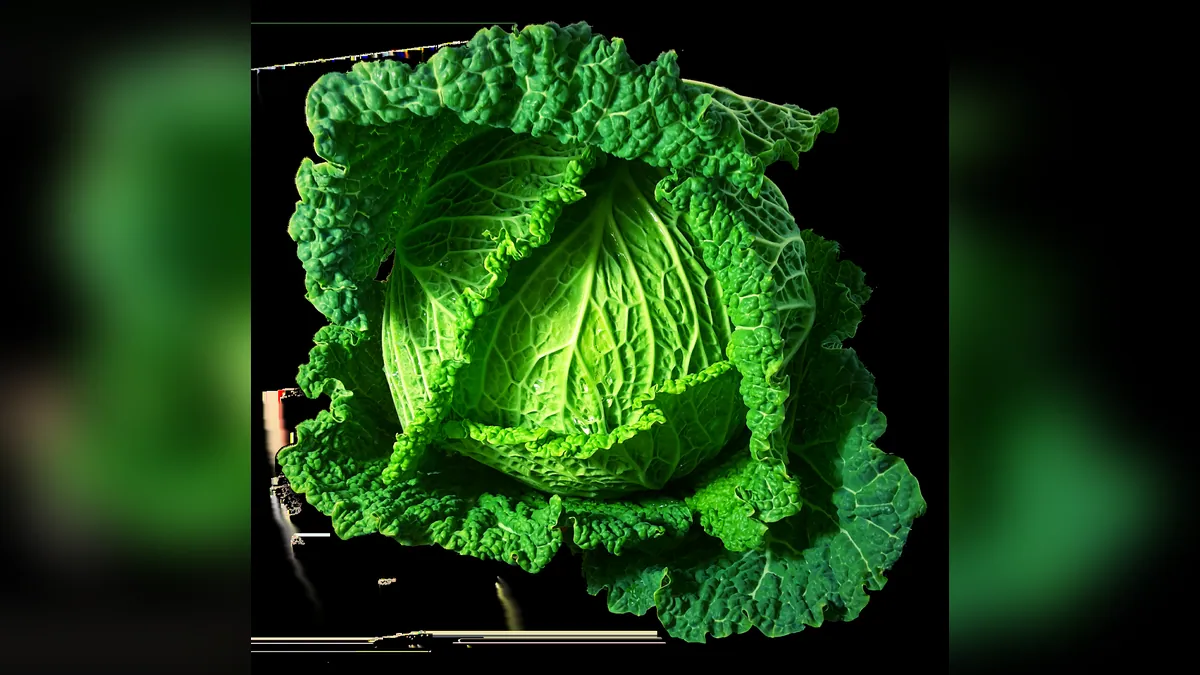
Yes, dogs can eat cabbage raw, and most healthy dogs handle small plain pieces without a problem. The catch is quantity and preparation, because too much cabbage causes gas and loose stool, and some forms (like fermented or heavily seasoned cabbage) can be risky. This article is educational and is not a substitute for veterinary diagnosis or treatment.
Quick Answer
- Plain raw or cooked cabbage is safe for most dogs in small amounts, roughly a few bite-sized pieces for a medium dog.
- Cabbage is low in calories and offers fiber plus some vitamin C and vitamin K, but it is a topper, not a meal.
- The biggest everyday problem is gas and digestive upset from overfeeding, not poisoning.
- Skip anything fermented, pickled, salted, or cooked with onion, garlic, xylitol, or heavy oil.
- Introduce it slowly and cut it small to reduce choking risk, especially with raw cores and large leaves.
Can Dogs Eat Cabbage Raw? The Short Answer
Yes, raw cabbage is generally safe for dogs. It is a non-toxic vegetable, and many dogs enjoy the crunch. Raw cabbage keeps more of its water-soluble nutrients intact, which is one reason some owners prefer it over cooked.
The trade-off is digestibility. Raw cabbage is tougher and higher in compounds that ferment in the gut, so it is more likely to cause gas than cooked cabbage. Start with one or two small pieces and see how your dog responds over the next day.
If your dog has a sensitive stomach, a history of pancreatitis, or inflammatory bowel disease, ask your veterinarian before adding any new food. Dogs with chronic enteropathy often need carefully controlled diets, and even a small treat can shift their gut signs [1].
Is Raw Cabbage Harder on the Stomach Than Cooked?
Usually, yes. Cooking softens the plant cell walls, which makes cabbage easier to chew and digest. If your dog gets gassy from raw cabbage, lightly steamed or boiled cabbage is often better tolerated.
That said, cooking is not required for safety. A healthy dog with a sturdy digestive tract can eat raw cabbage in modest amounts. The deciding factor is your individual dog, not the vegetable itself.
Is Cabbage Good for Dogs? Nutrition and Real Benefits
Cabbage is mostly water and fiber, with very few calories. That makes it a useful low-calorie topper for dogs who need to lose weight or who beg for food during human meals.
It also provides vitamin C, vitamin K, and small amounts of other vitamins and minerals. These are nice extras, but they are not a reason to feed cabbage. A complete and balanced commercial diet already meets your dog's needs.
Fiber is the main practical benefit. A little extra fiber can help some dogs with mild constipation or stool consistency. But more is not better. Too much fiber can cause gas, bloating, and soft stool, and it can interfere with nutrient absorption if it makes up a large share of the diet.
Cabbage is not a treatment for any condition. If your dog has ongoing digestive issues, weight problems, or a diagnosed disease, that needs a veterinary plan, not a vegetable.
Risks of Feeding Cabbage to Dogs
Gas and Digestive Upset
This is the most common issue by far. Cabbage contains fermentable carbohydrates that gut bacteria break down, producing gas. A few pieces are fine for most dogs. A bowlful is a recipe for a gassy, uncomfortable dog and possibly diarrhea.
Choking and Blockage
Large chunks of raw cabbage, especially the dense core, can be a choking hazard. Big pieces can also cause esophageal or intestinal blockage in dogs who swallow without chewing. Cut cabbage into small, thin pieces, and grate or finely chop the core or leave it out entirely.
Brassica Concerns in Very Large Amounts
Cabbage belongs to the Brassica genus, the same plant family as bok choy, broccoli, and kale. A case report described a dog that developed methemoglobinemia (a blood condition that reduces oxygen delivery) after eating a large volume of fermented bok choy. The suspected mechanism involved sulfur-containing compounds released during fermentation [2].
This is a single case involving a large amount of fermented Brassica, not fresh cabbage. It does not mean a few pieces of raw cabbage are dangerous. It does mean that very large amounts, especially fermented forms, deserve caution.
Additives Are Often the Real Danger
Plain cabbage is safe. Cabbage that has been prepared for people often is not.
- Xylitol can appear in some sweetened or specialty slaw products and is highly toxic to dogs.
- Onion and garlic (fresh, powdered, or in dressings) can damage red blood cells and cause anemia.
- Salt in sauerkraut, kimchi, and canned cabbage can lead to sodium poisoning or worsen heart and kidney disease.
- Oil, butter, and creamy dressings can trigger pancreatitis in sensitive dogs.
- Fermented cabbage such as sauerkraut and kimchi is high in salt and can cause gas and digestive upset.
If a cabbage dish contains any of these, do not share it.
How to Feed Cabbage Safely
Safe Forms and Preparations
| Form | Safe? | Notes |
|---|---|---|
| Raw green or red cabbage, small pieces | Yes | Cut thin, avoid large chunks and cores |
| Steamed or boiled plain cabbage | Yes | No salt, butter, or oil |
| Cabbage leaves, raw | Yes, with care | Cut into strips to prevent choking |
| Cabbage core | Avoid | Hard, dense, choking risk |
| Sauerkraut or kimchi | No | High salt, fermentation, possible garlic |
| Coleslaw with dressing | No | Often contains onion, sugar, xylitol, or oil |
| Cabbage cooked with onion or garlic | No | Onion and garlic are toxic to dogs |
| Cabbage in a soup or stew | Usually no | Broth often contains onion, garlic, or salt |
Portion Guidance
There is no official serving size for cabbage in dogs, and your veterinarian can give you a target based on your dog's weight and health. As a general rule, treats and toppers should stay a small fraction of daily calories.
A practical approach for a medium dog is one to three small pieces, about the size of a thumbnail, once a day at most. Small dogs should get less. Large dogs can have a bit more, but still measured in pieces, not cups.
Can Dogs Eat Cabbage Leaves?
Yes, cabbage leaves are safe, and some dogs enjoy gnawing on them. The main risk is size. A whole large leaf can be swallowed in one piece and cause choking or blockage. Tear or cut leaves into thin strips, and never leave a dog unsupervised with a whole head of cabbage.
Can Dogs Eat Cabbage and Carrots?
Yes, plain cabbage and plain carrots together are safe for most dogs. Both are low-calorie, crunchy vegetables. Cut both into small pieces, and keep the total amount small so you do not overload the gut with fiber. If you want more options, see What Are Some Safe Vegetables For Dogs To Eat and Safe Veggies For Dogs To Eat.
Can Dogs Eat Cabbage Everyday?
Small amounts of plain cabbage can be offered daily for many healthy dogs, but it is not necessary. Rotating vegetables gives a wider range of nutrients and lowers the chance of gas from any one food. If your dog gets gassy, cut back to a few times a week or stop.
What to Do If Your Dog Ate Too Much Cabbage or a Dangerous Form
If your dog ate a large amount of plain cabbage, expect gas, bloating, and possibly soft stool. Withhold other new treats, keep water available, and let the gut settle. Call your veterinarian if vomiting, diarrhea, or abdominal pain lasts more than a day or if your dog seems uncomfortable.
If your dog ate cabbage prepared with onion, garlic, xylitol, or a large amount of salt, treat it as a possible poisoning. Contact your veterinarian or an animal poison control service right away. Do not wait for symptoms, because some effects take hours to appear.
If your dog is choking, gagging, retching, drooling heavily, or has a distended abdomen, go to an emergency clinic immediately.
Safer Alternatives to Cabbage
If cabbage causes gas or your dog does not like it, plenty of other vegetables work well. Plain cooked green beans, plain cooked carrots, zucchini, and small pieces of cucumber are common choices. For a broader list, see List Of Safe Vegetables For Dogs To Eat and What Kind Of Vegetables Are Safe For Dogs To Eat.
If you want a fruit option, small plain berries are another low-calorie treat. See Can Dogs Eat Berries Raw for details.
Limitations and When to Contact a Veterinarian
This guidance covers typical healthy dogs eating plain cabbage. Individual cases need a veterinarian, because your dog's age, weight, medications, and health conditions all change the advice.
Contact your veterinarian the same day if your dog:
- Ate cabbage prepared with onion, garlic, xylitol, or a lot of salt
- Ate a very large amount of fermented cabbage such as sauerkraut or kimchi
- Has vomiting, diarrhea, or abdominal pain that does not settle
- Seems weak, pale, or unusually tired after eating cabbage
Go to an emergency clinic now if your dog:
- Is choking, gagging, or struggling to breathe
- Has a hard, swollen, or painful abdomen
- Collapses or has trouble standing
- Has repeated unproductive retching
Schedule a routine visit if your dog gets gas or loose stool every time you feed cabbage, or if you are unsure whether cabbage fits your dog's diet plan.
Frequently Asked Questions
Can puppies eat cabbage?
Small plain pieces are generally fine for puppies old enough to eat solid food, but keep portions tiny. Puppies have sensitive digestive systems and small airways, so cut cabbage very small. Ask your veterinarian before adding new foods during growth.
Does cooking cabbage remove its nutrients?
Cooking reduces some water-soluble vitamins, especially vitamin C, but it makes cabbage easier to digest. Either form is fine as a small treat. The nutritional difference matters far less than the total amount you feed.
Can cabbage help my dog lose weight?
It can help as a low-calorie filler mixed into a measured diet. It will not cause weight loss on its own. Your veterinarian should set the calorie target and monitor progress.
Is red cabbage safer than green cabbage?
No, both are safe in the same small amounts. Red cabbage has more anthocyanin pigments, which are antioxidants, but that does not change the feeding rules. Watch for gas with either type.
Can cabbage cause thyroid problems in dogs?
Cabbage contains goitrogenic compounds, but problems are linked to very large amounts over long periods, not occasional small treats. A normal diet plus small cabbage pieces is not a concern for most dogs. If your dog has thyroid disease, ask your veterinarian about diet.
Related Articles
- What Are Some Safe Vegetables For Dogs To Eat
- What Kind Of Vegetables Are Safe For Dogs To Eat
- Can Dogs Eat Berries Raw
- List Of Safe Vegetables For Dogs To Eat
- Safe Veggies For Dogs To Eat
- Best Vegetables For Dogs To Eat
- Can Dogs Eat Brussels Sprouts Raw or Cooked? Safety Guide
- Can Dogs Eat Collard Greens Raw or Cooked?
- Can Dogs Eat Turnips? Raw, Cooked, and Greens Safety
References
- Clinical and Faecal Outcomes in Adult Dogs with Chronic Enteropathy Fed an Hydrolysed Protein Diet with and Without Bacillus velezensis DSM 15544: A Randomised, Double-Blind, Cross-Over Trial. Animals : an open access journal from MDPI, 2026.
- Transient methemoglobinemia suspected secondary to ingestion of Brassica species in a dog. Veterinary medicine (Auckland, N.Z.), 2019.