Can Cats Eat Bok Choy? Raw, Cooked, and Leaf Safety
By Dr. Zubair Khalid, DVM, MS, PhD ·
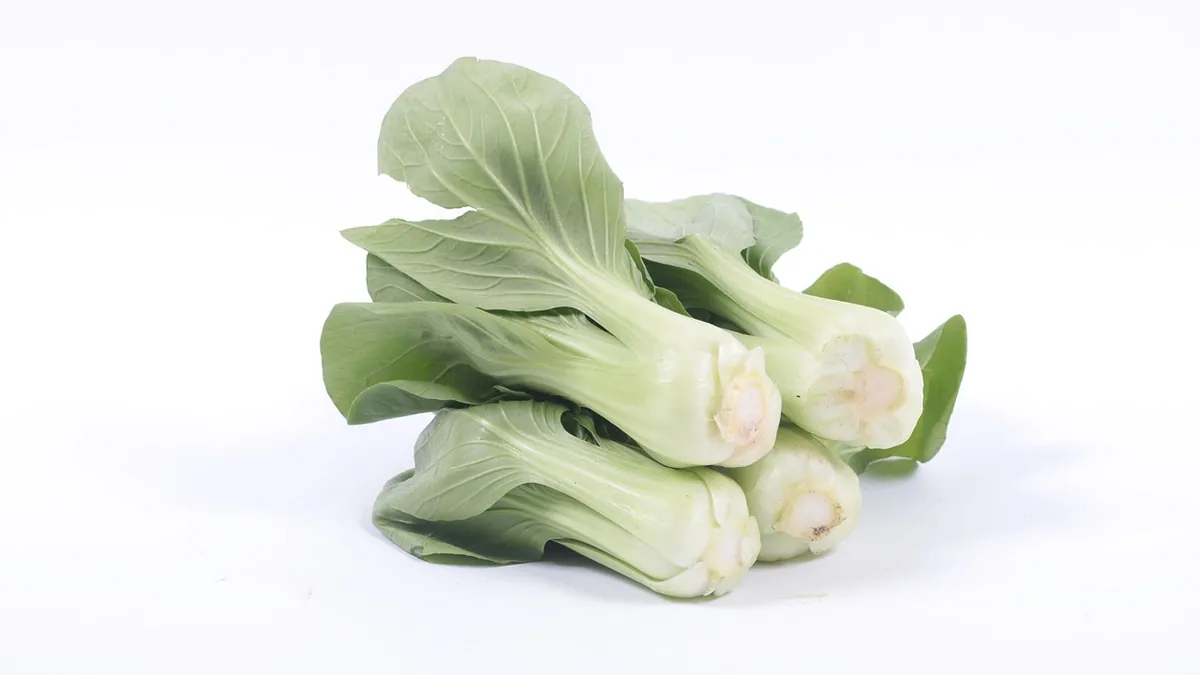
Can cats eat bok choy raw? Yes, in small amounts, plain bok choy is not toxic to cats. It is a low-calorie vegetable, not a required part of a cat's diet. Most cats do fine with a small piece as an occasional treat, but some get stomach upset, and large or fermented amounts can be risky.
This article is educational and is not a substitute for veterinary diagnosis or treatment.
Quick Answer
- Plain raw or cooked bok choy is not toxic to cats, but it should only be a tiny occasional treat.
- Cats are obligate carnivores, so vegetables like bok choy add little nutritional value and should never replace a complete cat food.
- Serve only a small piece, about the size of a pea, cut small to reduce choking risk.
- Skip fermented, pickled, or seasoned bok choy, and any version cooked with garlic, onion, salt, xylitol, or oil.
- Stop and call your veterinarian if your cat eats a large amount, shows vomiting, diarrhea, weakness, or trouble breathing.
Is Bok Choy Safe for Cats?
Bok choy is a leafy green in the Brassica family, the same plant group as cabbage, broccoli, and kale. It is not on the common lists of toxic plants for cats, and a small piece is generally considered safe. The bigger issue is quantity and preparation. A cat's digestive system is built for meat, so plant matter is hard to break down and offers few benefits.
There is one serious concern with large amounts. A case report described a dog that developed methemoglobinemia, a condition where red blood cells cannot carry oxygen properly, after eating a large volume of fermented bok choy [1]. The authors suggested that natural fermentation released sulfur-containing compounds that caused oxidant damage to red blood cells [1]. This was a single case in a dog, not a cat, and it involved a large amount of fermented bok choy, not a small fresh piece. Still, it is a good reason to keep portions small and avoid fermented forms entirely.
If you want to feed your cat any raw or lightly cooked animal product, read Is Raw Food Safe for Dogs and Cats? first, because bacterial risks are a separate issue from vegetable safety.
Can Cats Eat Bok Choy Leaves?
Yes, the leaves are the safest part to offer. They are soft, easy to tear into tiny pieces, and lower in the tough fiber found in the stalks. Wash them well under running water to remove dirt, pesticide residue, and bacteria, then pat dry.
Cut a leaf into pieces no larger than a pea. A single small piece is enough for most cats. Some cats will sniff it and walk away, which is completely normal. Cats lack the taste receptors for sweetness that many animals have, and they are drawn to meaty, savory flavors. Do not push the issue if your cat is not interested.
Avoid giving the thick white stalks to cats with dental disease or a history of swallowing food whole. Stalks are firm and can be a choking hazard or cause vomiting if swallowed in chunks.
Can Cats Eat Cooked Bok Choy?
Yes, plain cooked bok choy is safe in small amounts, as long as it is prepared without anything added. Steam or boil it until soft, then let it cool. Do not add salt, butter, oil, garlic, onion, or seasoning.
Garlic and onion are toxic to cats and can damage red blood cells. Salt can cause dehydration and, in large amounts, sodium poisoning. Xylitol is a well-known dog poison that causes dangerous low blood sugar and liver failure, and while a controlled study in cats did not find the same effects, sugar-free products still do not belong in a cat's diet.
Cooked bok choy is softer and easier to chew, so it may be a better choice for kittens or cats with dental problems. Keep the piece small and plain. If you are feeding any cooked meat alongside it, check Can Cats Eat Salmon? Cooked vs Raw Thiaminase Risks for safe cooking guidance.
Nutrition: What Does Bok Choy Actually Offer?
Bok choy provides vitamin A, vitamin C, calcium, and potassium, along with fiber and water. These are real nutrients, but a cat's body is designed to get what it needs from animal tissue. Cats cannot efficiently convert plant beta-carotene into vitamin A the way people and dogs can, so the vitamin A in bok choy is not very useful to them.
Potassium is worth a mention. In adult cats, increasing dietary potassium increased water intake and urine production and lowered urine specific gravity in a dose-response pattern [2]. Higher urine volume can reduce the risk of calcium oxalate stone formation [2]. That said, this research used controlled potassium supplementation in complete diets, not bok choy treats. You cannot and should not try to manage your cat's urinary health with vegetables. If your cat has a history of stones, your veterinarian will set the diet.
Calcium oxalate makes up the vast majority of kidney stones in cats, and changes in gut bacteria that normally break down oxalate may play a role in stone formation [3]. This is another reason to leave urinary health management to your veterinarian instead of home food experiments.
Risks of Feeding Bok Choy to Cats
Stomach Upset and Gas
Brassica vegetables can cause gas, bloating, and loose stool in some cats. Fiber is poorly digested by cats, and a sudden new vegetable can trigger vomiting or diarrhea. Start with one tiny piece and watch for 24 hours.
Choking and Blockage
Firm stalks and large pieces can lodge in the throat or cause a blockage. Always cut food small. Cats that bolt their food are at higher risk.
Methemoglobinemia From Large or Fermented Amounts
The dog case report linked a large volume of fermented bok choy to methemoglobinemia [1]. Signs include weakness, pale or bluish gums, rapid breathing, and collapse. This is an emergency. Fresh bok choy in small amounts has not been linked to this problem in cats, but the case shows why portion size and form matter.
Thyroid Concerns
Brassica vegetables contain compounds called goitrogens, which can interfere with thyroid function when eaten in very large amounts over long periods. Whether small occasional servings of bok choy affect thyroid function in cats is not well established in veterinary research. If your cat has hyperthyroidism or hypothyroidism, ask your veterinarian before adding any Brassica vegetable to the diet.
Additives and Seasonings
This is where most real harm happens. Bok choy served in a stir-fry often carries garlic, onion, soy sauce, oil, and sometimes xylitol-sweetened sauces. Garlic and onion are toxic to cats. Xylitol is a well-known dog poison, and even though a controlled study in cats did not find the same effects, sugar-free products still do not belong in a cat's diet. Salt, oils, and spices can cause stomach upset and pancreatitis.
Plant microRNA Claims
Some people feed Brassica sprouts for supposed gene-regulating effects. A study of broccoletti sprouts found plant microRNA sequences with predicted human gene targets, but when those sequences were tested in pancreatic cancer cells, they did not change cell viability, apoptosis, or migration [4]. There is no evidence that feeding bok choy to your cat changes its genes or treats disease.
How to Offer Bok Choy Safely
| Form | Safe? | Notes |
|---|---|---|
| Raw leaf, washed, cut small | Yes, in tiny amounts | Safest option. One pea-sized piece. |
| Raw stalk | Not recommended | Firm, choking risk, harder to digest. |
| Steamed or boiled plain | Yes, in tiny amounts | Cool first. No salt, oil, or seasoning. |
| Stir-fried with garlic or onion | No | Garlic and onion are toxic to cats. |
| Pickled or fermented | No | Linked to methemoglobinemia in a dog case report [1]. |
| Bok choy in sauce with xylitol | No | Xylitol is a well-known dog poison and does not belong in cat food. |
Steps for safe serving:
- Choose fresh, crisp leaves and discard wilted or slimy parts.
- Rinse thoroughly under running water.
- Cut a single leaf into pea-sized pieces.
- Offer one piece plain, at room temperature.
- Watch for 24 hours for vomiting, diarrhea, gas, or lethargy.
- Keep total treats under 10 percent of daily calories, and count bok choy as a treat, not a meal.
If your cat already has a sensitive stomach, skip bok choy and offer a cat-safe commercial treat instead.
What to Do If Your Cat Ate Too Much Bok Choy
If your cat ate a large amount of plain bok choy, remove the rest and watch closely for 24 hours. Mild gas or soft stool often settles on its own. Offer fresh water and keep meals normal.
Call your veterinarian or a pet poison hotline right away if your cat ate bok choy cooked with garlic, onion, xylitol, or a large amount of salt. Also call if you see vomiting that will not stop, diarrhea, drooling, weakness, pale or blue gums, fast breathing, or collapse. These can be signs of serious problems, including the red blood cell damage described in the dog case report [1].
Do not induce vomiting unless a veterinarian tells you to. Do not give human medications. Bring the food label or a photo of the dish with you if you go to the clinic.
Safer Alternatives for Cats
Plain cooked meat is a better treat for most cats. Small pieces of plain cooked chicken, turkey, or salmon without bones, skin, or seasoning are usually well accepted. If you feed raw or undercooked meat, review the bacterial risks first.
Some cats enjoy small pieces of cooked carrot. Learn more in Can Cats Eat Carrots? Vitamin A & Digestibility. If you are considering deli meats, read Can Cats Eat Uncooked Hot Dogs? Risks and Safer Options, because processed meats bring salt, preservatives, and fat that cats do not need.
Commercial cat treats formulated for cats are the simplest choice. They are portioned, balanced, and tested for feline nutrition. Remember that feeding instructions on commercial cat food labels are not always a perfect match for every cat's energy needs, and many cats are overweight [5]. Treats, including vegetables, should stay small.
Limitations and When to Contact a Veterinarian
This article covers general information only. Your cat's age, weight, health conditions, and medications change what is safe. Individual cases need a veterinarian who can examine your cat and review its full history.
Contact your veterinarian the same day if your cat ate bok choy cooked with garlic, onion, or xylitol, or if it ate a large amount of fermented bok choy. Go to an emergency clinic now if you see weakness, collapse, pale or blue gums, trouble breathing, repeated vomiting, or a swollen abdomen.
Schedule a routine visit if your cat has repeated gas or soft stool after vegetables, if you are unsure whether a food is safe, or if your cat has thyroid or urinary disease and you want diet guidance. Your veterinarian can calculate any needed doses based on your cat's weight and health.
Frequently Asked Questions
Can kittens eat bok choy?
Kittens can eat a tiny piece of plain, washed bok choy, but they do not need it. Kittens have high calorie and protein needs for growth, so treats should be minimal and should never crowd out a complete kitten food. Ask your veterinarian before offering any new food to a kitten under six months old.
Is bok choy safe for cats with kidney disease?
There is no clear evidence that bok choy helps or harms cats with kidney disease, and it is not a treatment. Cats with kidney disease often need a specific prescription diet with controlled protein, phosphorus, and potassium. Ask your veterinarian before adding any vegetable.
Does bok choy cause thyroid problems in cats?
Large amounts of Brassica vegetables eaten over a long time can interfere with thyroid function in some species, but whether small occasional servings affect cats is not well established in veterinary research. If your cat has a thyroid condition, check with your veterinarian first.
Can I feed my cat bok choy every day?
No, daily feeding is not recommended. Even small daily amounts can add up and cause gas or loose stool, and vegetables should not replace meat-based nutrition. Keep bok choy as an occasional treat, not a routine food.
What if my cat refuses bok choy?
That is normal and fine. Many cats dislike vegetables because they are obligate carnivores with little nutritional need for plants. Offer a cat-formulated treat or a small piece of plain cooked meat instead.
Related Articles
- Is Raw Food Safe for Dogs and Cats?
- Can Cats Eat Shrimp? Raw Shellfish Bacteria Hazards
- Can Cats Eat Uncooked Hot Dogs? Risks and Safer Options
- Can Cats Eat Carrots? Vitamin A & Digestibility
- Can Cats Eat Salmon? Cooked vs Raw Thiaminase Risks
- Can Cats Eat Tuna Raw
- Can Cats Eat Cabbage? Raw, Cooked, and Leaf Safety
- Can Cats Eat Celery? Raw, Cooked, and Leaf Safety
- Can Cats Eat Parsnips? Raw, Cooked, and Safe Amounts
References
- Transient methemoglobinemia suspected secondary to ingestion of Brassica species in a dog. Veterinary medicine (Auckland, N.Z.), 2019.
- Increasing Dietary Potassium Enhances Urine Production and Reduces Risk of Calcium Oxalate Stone Formation in Senior Cats. Animals : an open access journal from MDPI, 2026.
- Gut and Urinary Microbiota in Cats with Kidney Stones. Microorganisms, 2024.
- Novel plant microRNAs from broccoletti sprouts do not show cross-kingdom regulation of pancreatic cancer. Oncotarget, 2020.
- An investigation of feeding instructions on cat food labels in Belgium and comparison with European industry energy intake recommendations. The Veterinary record, 2026.