Can Dogs Eat Brussels Sprouts Raw or Cooked? Safety Guide
By Dr. Zubair Khalid, DVM, MS, PhD ·
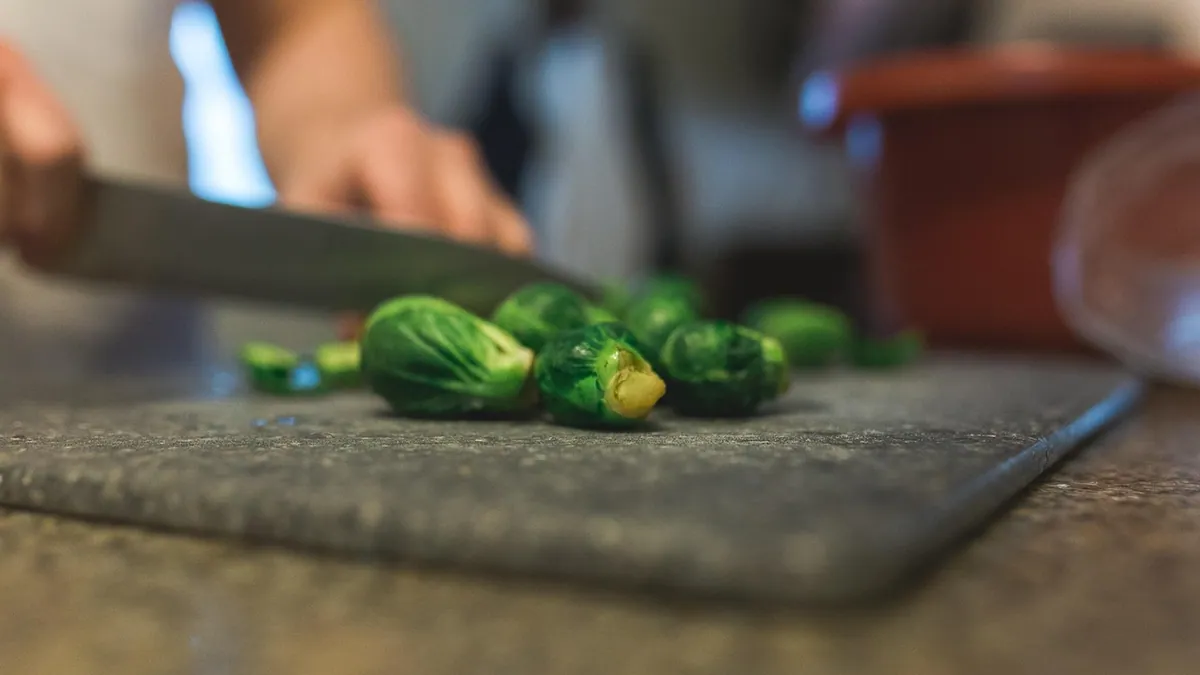
Can dogs eat Brussels sprouts raw? Yes, in small amounts, as long as they are plain and cut into bite-sized pieces. Raw Brussels sprouts are not toxic to dogs, but they are tougher to digest than cooked ones and can cause gas, loose stool, or choking in dogs that eat them too fast. Cooked, unseasoned sprouts are usually the gentler choice.
This article is educational and is not a substitute for veterinary diagnosis or treatment.
Quick Answer
- Plain Brussels sprouts, raw or cooked, are safe for most dogs in small amounts.
- Treat them as a topper or snack, not a meal. A piece or two for a small dog and a few pieces for a large dog is plenty.
- Always cut sprouts into small pieces. Whole sprouts are a choking hazard and can cause a blockage.
- Never feed sprouts cooked with butter, oil, salt, garlic, onion, xylitol, or other seasonings.
- Expect gas and softer stool if your dog eats too many. Stop feeding them if digestive signs appear.
Can Dogs Eat Brussels Sprouts Raw or Cooked?
Both forms are safe for most healthy dogs when served plain and in small amounts. The difference is digestibility. Cooking softens the plant fibers, which makes the sprouts easier on your dog's stomach. Raw sprouts keep more of their crunch and their water-soluble nutrients, but that same firm texture is harder for a dog's gut to break down.
Dogs are not built to eat large volumes of any cruciferous vegetable. Their digestive tract handles meat, fat, and easily digested carbohydrates better than tough plant fiber. When you change what a dog eats, even with a healthy food, the gut can react. One study found that an abrupt switch from dry kibble to a canned diet changed digestibility and shifted the gut microbiota in healthy dogs [1]. A sudden pile of raw sprouts can do something similar on a smaller scale. Introduce any new food slowly.
If your dog has a sensitive stomach, chronic enteropathy, or a history of pancreatitis, talk to your veterinarian before adding sprouts. Dogs with chronic gastrointestinal disease often need a controlled diet, and even small extras can trigger signs [2].
Are Raw Brussels Sprouts Harder on the Stomach?
Yes, usually. Raw sprouts contain more intact fiber and natural plant compounds that can ferment in the colon. That fermentation is what produces gas. Cooked sprouts are softer, so less reaches the colon undigested.
This does not mean raw is dangerous for every dog. A healthy dog that steals one raw sprout off the floor will almost certainly be fine. The problem comes from volume. A whole bowl of raw sprouts is a lot of fiber for a dog to handle at once.
Can Dogs Eat Brussels Sprouts Leaves?
Yes, the leaves are safe in small amounts, and they are often easier to chew than the tight head. Wash them well and tear or chop them into small pieces. Discard any wilted, slimy, or moldy leaves. If the leaves were cooked with garlic, onion, butter, or a sugar substitute, do not share them.
Nutrition and Any Real Benefit
Brussels sprouts are low in calories and provide fiber, vitamin C, vitamin K, and small amounts of other vitamins and minerals. For a dog carrying extra weight, a few plain sprout pieces can add crunch and volume without adding many calories.
That said, your dog does not need Brussels sprouts. A complete and balanced commercial diet already meets a dog's nutritional needs. Sprouts are a treat, and treats should stay a small part of the daily calorie intake. If you want to add fresh food to your dog's bowl, do it with your veterinarian's guidance so the overall diet stays balanced. Fresh food formats are popular, and one study found improved fecal consistency in dogs fed a fresh-frozen diet compared with extruded kibble [3], but that does not mean any single vegetable is a nutritional fix.
If you are comparing fresh and raw feeding options, see Raw Dog Food and the Raw Food Diet Dogs Feeding Guide.
Risks of Feeding Brussels Sprouts to Dogs
Gas, Bloating, and Loose Stool
This is the most common problem. Cruciferous vegetables like Brussels sprouts, broccoli, cabbage, and bok choy can cause flatulence and soft stool in dogs. The more your dog eats, the more likely you will see it. Signs usually show up within hours to a day.
Choking and Blockage
Whole or half sprouts are round, firm, and about the size of a small ball. A dog that gulps food can choke on one or swallow it whole. A swallowed sprout can also lodge in the esophagus or cause an intestinal blockage, which is a surgical emergency. Always cut sprouts into small, thin pieces.
Brassica Toxicity and Methemoglobinemia
Brussels sprouts belong to the Brassica genus, the same group as bok choy, cabbage, and broccoli. In rare cases, eating a very large volume of Brassica plants has been linked to methemoglobinemia, a condition where red blood cells cannot carry oxygen properly. One case report described a dog that developed methemoglobinemia after eating a large volume of fermented bok choy [4]. The suspected mechanism involved sulfur-containing compounds released during fermentation. This is not a typical outcome from a few pieces of fresh or cooked Brussels sprouts, but it is a reason to keep portions small and to avoid fermented or pickled Brassica products.
Dangerous Additives
The sprout itself is rarely the problem. The way it is prepared often is. Watch for these:
- Xylitol, a sugar substitute that is highly toxic to dogs even in small amounts
- Garlic and onion, which damage red blood cells and can cause anemia
- Bacon, ham, and other cured meats, which are high in fat and salt
- Butter, oil, and cream sauces, which can trigger pancreatitis
- Salt and heavy seasoning, which can cause sodium problems
If a sprout dish contains any of these, keep it away from your dog.
How to Offer Brussels Sprouts Safely
Start small. Give one small piece and watch your dog for a day. If there is no gas, vomiting, or diarrhea, you can offer a few pieces occasionally.
Preparation basics:
- Wash the sprouts thoroughly.
- Trim the stem end and remove any damaged outer leaves.
- Cut raw sprouts into thin slices or small quarters.
- Steam, boil, or roast cooked sprouts with no butter, oil, salt, or seasoning.
- Let cooked sprouts cool before serving.
- Mix pieces into your dog's regular food or offer them as a snack.
Avoid these forms entirely:
- Fermented, pickled, or kimchi-style sprouts
- Sprouts cooked in garlic, onion, or a sugar substitute
- Sprouts in cream sauce, cheese sauce, or bacon fat
- Whole sprouts, which are a choking risk
- Sprout stems that are too tough to chew
Form | Safe? | Notes
| Form | Safe? | Notes |
|---|---|---|
| Raw, plain, chopped small | Yes, in small amounts | Harder to digest. Can cause gas. |
| Steamed or boiled, plain | Yes, in small amounts | Softest option and easiest on the gut. |
| Roasted, plain, no oil or salt | Yes, in small amounts | Cool completely before serving. |
| Leaves, washed and chopped | Yes, in small amounts | Often easier to chew than the head. |
| Cooked with butter, oil, or salt | No | Fat and salt can cause pancreatitis or sodium problems. |
| Cooked with garlic or onion | No | Can damage red blood cells. |
| Any dish with xylitol | No | Highly toxic to dogs. |
| Fermented or pickled sprouts | No | Large Brassica volumes have been linked to methemoglobinemia [4]. |
| Whole or half sprouts | No | Choking and blockage risk. |
Can Dogs Eat Brussels Sprouts and Carrots?
Yes, plain Brussels sprouts and plain carrots can be offered together in small amounts. Carrots add crunch and beta-carotene, and most dogs like them. Cut carrots into small pieces or sticks, and never feed a whole carrot to a dog that gulps food.
Keep the total treat portion small. Two or three small pieces of each is plenty for a medium dog. If your dog has diabetes or another condition that requires carbohydrate control, ask your veterinarian first.
For more safe vegetable and fruit options, see Can Dogs Eat Asparagus? Raw vs Cooked Digestibility and Can Dogs Eat Berries Raw.
What to Do If Your Dog Ate Too Much
Most dogs that eat a few extra sprouts will have gas and maybe a soft stool. That usually settles on its own within a day. Offer water, keep meals simple, and skip treats until the stool is normal.
Call your veterinarian or a pet poison control service right away if your dog ate:
- Sprouts prepared with xylitol, garlic, onion, or a large amount of salt
- A large volume of fermented or pickled Brassica vegetables [4]
- A whole sprout and is gagging, retching, or unable to swallow
- Sprouts and then shows vomiting, diarrhea, weakness, or pale gums
For a suspected poisoning, contact your veterinarian or a pet poison control hotline. They will calculate any treatment dose from your dog's weight and health, so do not try to treat at home on your own.
Safer Alternatives
If Brussels sprouts cause gas or your dog turns up their nose, try these instead:
- Plain cooked green beans, cut small
- Plain cooked carrots, cut small
- Plain cooked zucchini, no seasoning
- A few raw berries, washed and cut
- Plain cooked asparagus, cut small
Avoid raw potatoes and potato skins, which contain solanine and can make dogs sick. See Can Dogs Eat Raw Potatoes? Solanine and Green Skin Warning.
Limitations and When to Contact a Veterinarian
This guide covers general safety for healthy adult dogs. Puppies, seniors, pregnant dogs, and dogs with heart, kidney, liver, or gastrointestinal disease may need different advice. Every case is different, so your own veterinarian should make the call for your dog.
Contact your veterinarian the same day if your dog:
- Ate a large amount of raw or cooked sprouts and has vomiting or diarrhea
- Ate sprouts cooked with garlic, onion, or a sugar substitute
- Has gas and bloating that does not improve within a day
- Refuses food or seems uncomfortable
Go to an emergency clinic now if your dog:
- Is gagging, retching, or pawing at the mouth after swallowing a whole sprout
- Has a swollen, painful abdomen
- Has pale, blue, or gray gums
- Is weak, collapsing, or breathing fast
- Has repeated vomiting or bloody diarrhea
Schedule a routine visit if your dog gets gas or loose stool every time you feed sprouts, or if you want help building a balanced treat plan.
Frequently Asked Questions
Can puppies eat Brussels sprouts?
Puppies can eat a tiny piece of plain cooked sprout, but their digestive systems are still developing and their diets need to be complete and balanced for growth. Treats should make up only a small share of daily calories. Ask your veterinarian before adding any new food to a puppy's diet.
Are Brussels sprouts good for dogs?
They offer fiber and some vitamins, but they are not a required part of a dog's diet. A complete and balanced commercial diet already covers your dog's needs. Think of sprouts as an occasional low-calorie snack, not a health treatment.
Can dogs eat frozen Brussels sprouts?
Plain frozen sprouts are safe once thawed or cooked, but they are often sold with sauces or seasonings that are not safe. Check the label for garlic, onion, salt, xylitol, or added fats. When in doubt, skip them.
Do Brussels sprouts clean a dog's teeth?
No. Chewing a sprout does not replace brushing or dental care. Firm plant pieces can also break or damage teeth in some dogs. Use a dog toothbrush and pet-safe toothpaste for real dental cleaning.
What if my dog eats Brussels sprouts every day?
A small piece daily is unlikely to harm a healthy dog, but daily gas, soft stool, or weight changes mean you should cut back. Variety and portion control matter more than any single vegetable. If your dog has a chronic condition, ask your veterinarian how sprouts fit into the overall plan.
Related Articles
- Can Dogs Eat Asparagus? Raw vs Cooked Digestibility
- Can Dogs Eat Berries Raw
- Raw Dog Food
- Raw Food Diet Dogs Feeding Guide
- Can Dogs Eat Raw Potatoes? Solanine and Green Skin Warning
- Can Dogs Eat Strawberry Tops Raw
- Can Dogs Eat Cabbage Raw or Cooked? Safe Amounts and Prep
- Can Dogs Eat Collard Greens Raw or Cooked?
- Can Dogs Eat Turnips? Raw, Cooked, and Greens Safety
References
- Impact of an abrupt change from dry to canned diet on digestive function and gut microbiota in dogs. Journal of animal science, 2025.
- Clinical and Faecal Outcomes in Adult Dogs with Chronic Enteropathy Fed an Hydrolysed Protein Diet with and Without Bacillus velezensis DSM 15544: A Randomised, Double-Blind, Cross-Over Trial. Animals : an open access journal from MDPI, 2026.
- Impacts of a fresh-frozen dog food on fecal consistency and microbiome in colony dogs. Journal of animal science, 2026.
- Transient methemoglobinemia suspected secondary to ingestion of Brassica species in a dog. Veterinary medicine (Auckland, N.Z.), 2019.