Why Is My Cat Tearing Up? Causes of Excessive Eye Watering
By Dr. Zubair Khalid, DVM, MS, PhD ·
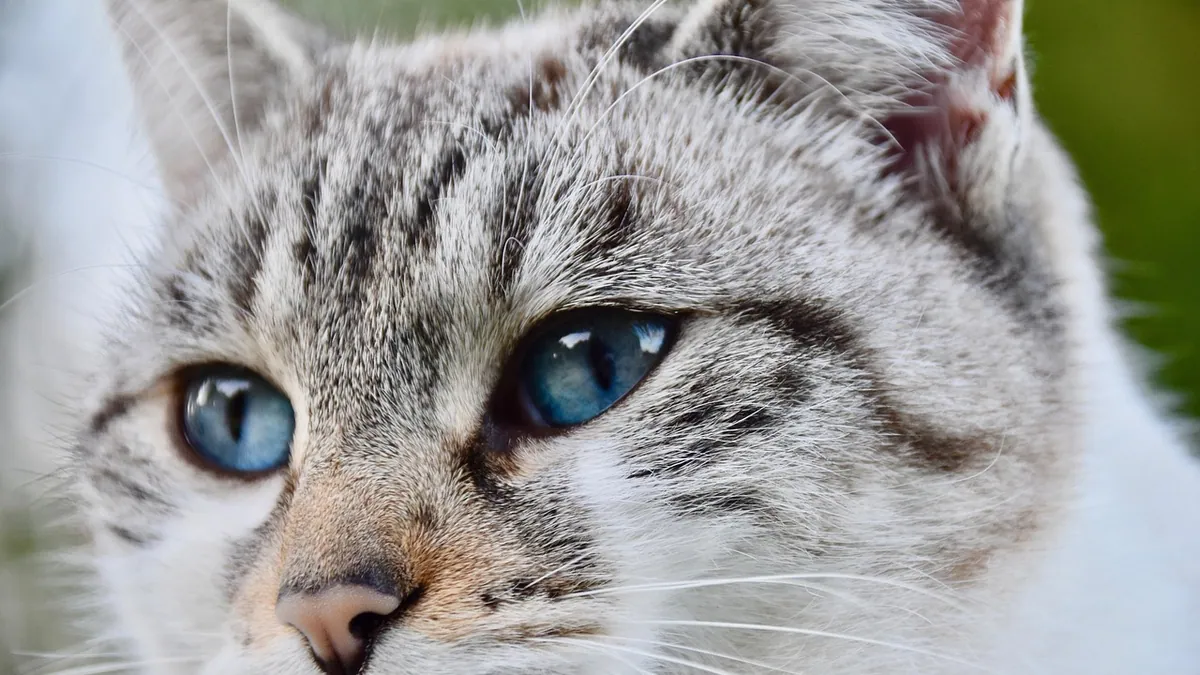
Cats tear up for many reasons, and most of them are mild. The most common causes are irritation of the eye surface, allergies, infections, and problems with the tear drainage system that normally carries tears into the nose. When you ask why is my cat tearing up, the answer usually comes down to either too many tears being made or too few draining away.
This article is educational and is not a substitute for veterinary diagnosis or treatment.
Quick Answer
- Clear, watery tears with no squinting, redness, or pus are often harmless and may just mean the tear drainage system is slow or blocked [1].
- Tears that come with squinting, pawing at the eye, redness, or thick discharge point to irritation or infection and need a vet visit.
- Flat-faced breeds like Persians and Himalayans are prone to chronic tear overflow because of how their tear ducts are built [1].
- Never use human eye drops or leftover pet medications in your cat's eye unless your veterinarian tells you to.
- Any sudden eye swelling, cloudiness, or a cat that cannot open its eye is an emergency, so call your vet right away.
What Normal Tearing Looks Like in Cats
A small amount of moisture at the inner corner of the eye is normal. Tears keep the eye surface clean and comfortable, then drain through a small channel called the nasolacrimal duct, which empties into the nose [1]. That is why a cat with a watery eye often has a wet nose on the same side.
The watery part of tears is made by the lacrimal gland, which sits at the top outer edge of the eye [1]. When everything works well, you rarely notice tears at all.
What you want to watch for is change. A little clear moisture that has always been there is different from a cat that suddenly has wet fur under one eye, tear staining down the face, or tears plus squinting. The pattern matters as much as the amount.
What Causes Cat Tears? The Main Reasons
Tears can build up because the eye makes too many, because the drainage path is blocked, or because something on the eye surface is causing irritation. Here is a look at the most common causes.
| Cause | Typical clues | How urgent |
|---|---|---|
| Blocked tear duct (epiphora) | Clear tears running down the face, often one or both eyes, no squinting, common in Persians and Himalayans [1] | Routine visit |
| Allergies or irritants | Both eyes watery, sneezing, itchy face, no pus, often seasonal | Routine visit |
| Conjunctivitis | Red, puffy tissue around the eye, discharge, squinting [2] | See vet soon |
| Foreign object or hair rubbing the eye | One eye only, sudden tearing, pawing, squinting [3] | See vet soon |
| Corneal injury or ulcer | Pain, squinting, cloudiness, tearing, light sensitivity [4] | Same day |
| Infection (viral or bacterial) | Watery or thick discharge, sneezing, runny nose, fever | See vet soon |
| Congenital duct problem | Tearing since kittenhood, no other signs [1] | Routine visit |
| Trauma to the eye or face | Swelling, blood, sudden onset after an accident [1] | Emergency |
Blocked Tear Ducts and Epiphora
Epiphora is the medical word for chronic tear overflow caused by a blocked nasal duct [1]. The eye makes normal tears, but they cannot drain, so they spill down the face. This is more common in Persian and Himalayan cats because of their facial structure [1].
In most cases, epiphora does not cause medical problems on its own [1]. It is mostly a cosmetic and comfort issue. If the wet fur bothers you or causes skin irritation, surgery can correct the drainage problem [1].
Allergies and Environmental Irritants
Dust, pollen, smoke, strong cleaners, and scented litter can all irritate a cat's eyes. Both eyes usually water at the same time, and you may also see sneezing or a runny nose. If your cat has watery eyes plus sneezing, our guide on why is my cat sneezing so much and watery eyes walks through the overlap.
Conjunctivitis and Eye Infections
Conjunctivitis is one of the most common eye problems in cats [2]. The tissue lining the eyelids becomes red and swollen, and tears or discharge build up. Tear fluid itself changes during conjunctivitis, with proteins related to immune defense showing up in the tears [2].
Many cases start with a virus, then a bacterial infection moves in. If your cat has discharge along with a runny nose, see cat runny nose watery eyes for more on that pattern.
Foreign Objects and Eyelid Problems
A stray hair, an eyelash growing in the wrong spot, or a foreign body can rub the eye and trigger constant tearing. One report described a young Maine Coon cat with a long history of tearing in both eyes and squinting in one eye, caused by abnormal hairs growing from the third eyelid [3]. Eyelid shape problems, including entropion (where the lid rolls inward), can do the same thing [3].
Corneal Injury and Other Serious Eye Disease
The cornea is the clear front surface of the eye. When it is injured, the eye waters heavily and the cat squints. One case report described a cat with acute corneal hydrops, a condition where fluid builds up inside the cornea, showing up as conjunctival redness, ocular discharge, and intermittent squinting in both eyes [4].
Other serious eye conditions, including cataracts, can also appear alongside a history of tearing and eye inflammation [5]. These are not things you can diagnose at home.
Congenital and Anatomic Causes
Some cats are born with tear drainage systems that do not work well [1]. Others develop narrowing after infection, foreign objects, or trauma [1]. If your cat has teared up since kittenhood with no other signs, a congenital cause is more likely.
Red Flags That Mean an Emergency
Some eye signs cannot wait. Call your veterinarian right away or go to an emergency clinic if you see any of these:
- Your cat cannot open the eye at all or holds it tightly shut.
- The eye looks cloudy, blue, or bulging.
- There is sudden swelling around the eye or the eyeball itself.
- You see blood, a puncture, or a visible object stuck in the eye.
- Your cat is crying out, rubbing the eye constantly, or seems in real pain.
- The eye changed within hours instead of days.
- Your cat is also lethargic, not eating, or has a fever.
Eye pain in cats is easy to underestimate. A cat that squints and hides is often in more discomfort than it shows.
What You Can Safely Do at Home While You Wait
You cannot treat most eye problems at home, but you can keep your cat comfortable and avoid making things worse.
- Gently wipe away clear tears with a clean, damp cotton ball, using a fresh one for each eye.
- Do not touch the eyeball or press on the eye.
- Do not use human eye drops, saline, or any leftover medication unless your vet prescribed it for this cat.
- Keep your cat indoors and away from dusty rooms, smoke, and strong cleaning fumes.
- Check for other signs, like sneezing, appetite changes, or increased drinking, and write them down. Increased thirst can point to a separate problem, covered in why is my cat drinking so much water.
- If your cat wears a cone from a previous visit, ask your vet before using it again.
If your cat is squinting or the eye looks red, do not wait to see if it clears on its own. Eye damage can progress quickly.
What Your Veterinarian Will Check and Test
Your vet will start with a full eye exam, often in a darkened room with a bright light. They will look at the eyelids, the third eyelid, the conjunctiva, the cornea, and the inside of the eye.
Common tests include:
- A fluorescein stain to check for scratches or ulcers on the cornea.
- A Schirmer tear test to measure tear production. This test uses small paper strips placed at the eyelid edge, the same strips used in tear research [2].
- A tear duct flush to see whether the drainage system is open. If fluid comes out the nose, the duct is working. If it backs up, there may be a blockage [1].
- A close look under the eyelids for abnormal hairs, foreign material, or masses [3].
- Pressure checks or imaging if the vet suspects deeper disease.
If your cat has a history of eye inflammation along with other health problems, your vet may recommend blood work or other testing. One case report described a diabetic cat with a long history of conjunctivitis and tearing who needed a full systemic workup before eye surgery [5]. Your vet will decide what is appropriate for your cat.
Treatment depends on the cause. Blocked ducts may need flushing or, in some cats, surgery [1]. Infections need the right medication, and your vet will calculate the dose based on your cat's weight and health. Never guess at a dose on your own.
Prevention and Monitoring
You cannot prevent every eye problem, but you can lower the odds and catch issues early.
- Keep the litter box and bedding clean to reduce dust and ammonia buildup.
- Use unscented litter if your cat tends to have watery eyes.
- Keep your cat up to date on vaccines and routine exams.
- Wipe tear staining daily in flat-faced breeds, and keep the skin under the eye dry [1].
- Watch for changes in the amount, color, or thickness of tears.
- Note whether one eye or both eyes are affected, and whether your cat squints.
If your cat has chronic tearing with no other signs, your vet may simply monitor it over time [1]. If tearing comes with discharge, redness, or pain, that is a different situation and needs treatment.
Limitations and When to Contact a Veterinarian
This article cannot tell you what is causing your cat's tearing. Only an exam can do that. Individual cases need a veterinarian, and the timing depends on the signs you see.
Contact your veterinarian the same day if your cat has new squinting, redness, discharge that is yellow or green, or tearing in only one eye.
Go to an emergency clinic now if your cat cannot open the eye, the eye looks cloudy or bulging, there is swelling or bleeding, or your cat seems to be in severe pain.
Schedule a routine visit if your cat has had clear tearing for weeks with no other signs, especially if it is a flat-faced breed [1]. Even mild chronic tearing deserves a look so your vet can rule out a blockage or an anatomic problem.
Frequently Asked Questions
Is it normal for my cat to have watery eyes every day?
Daily clear tearing with no squinting, redness, or discharge can be normal, especially in flat-faced breeds with narrow tear ducts [1]. It becomes a concern when the tears change color or thickness, or when your cat starts squinting or pawing at the eye. A routine exam can confirm whether the drainage system is the issue.
Can allergies make my cat's eyes water?
Yes. Allergies and airborne irritants are common reasons for watery eyes in cats, and both eyes are usually affected at the same time. You may also notice sneezing or a runny nose. Removing the irritant and keeping your cat indoors during high-pollen days often helps.
Will my cat's blocked tear duct fix itself?
Sometimes a mild blockage clears on its own, but chronic epiphora often needs veterinary attention. Your vet may flush the duct to see if it opens, and surgery is an option if the blockage keeps coming back [1]. Most cats with epiphora do not have medical problems from it, but the wet fur can irritate the skin [1].
Should I use human eye drops on my cat?
No. Human eye drops can contain ingredients that are harmful or that sting a cat's eye, and they are not made for feline eyes. Only use medications your veterinarian prescribes for your cat, and follow the instructions exactly. If you are unsure, call your vet before putting anything in the eye.
When should I worry about my cat's watery eye?
Worry when the tearing comes with squinting, redness, cloudiness, swelling, or thick discharge, or when it appears suddenly in one eye. These signs can point to a corneal injury, infection, or another serious problem that needs prompt care [4]. Clear tears alone, with no other signs, are usually less urgent but still worth mentioning at your cat's next visit.
Related Articles
- Why Is My Cat Sneezing So Much And Watery Eyes
- Why Is My Cat Drinking So Much Water?
- Cat Runny Nose Watery Eyes
- Why Is My Cat Crying at Night?
- Why Is My Cat having eye discharge? Herpesvirus Chlamydia and Conjunctivitis
- Cat Eye Discharge: Causes and When to See a Vet
- Why Is My Cat's Eye Watering? Causes and When to Worry
- Why Is My Cat's Eye Red and Watery? Causes and Next Steps
- Eye Mucus in Cats: Causes and When to See a Vet
References
- Disorders of the Nasal Cavity and Tear Ducts in Cats - Cat Owners. Merck Veterinary Manual.
- A Pilot Proteomic Analysis of Tear Fluid in Domestic Cats with and Without Conjunctivitis Using MALDI-TOF/TOF Mass Spectrometry. Animals : an open access journal from MDPI, 2026.
- Bilateral Third Eyelid Ectopic Cilia in a Maine Coon Cat. Veterinary ophthalmology, 2026.
- Optical coherence tomographic features of feline acute corneal hydrops: A case report. Veterinary ophthalmology, 2024.
- Rare occurrence of an intumescent cataract in a diabetic domestic longhair cat. JFMS open reports, 2026.