Cat Swollen Face or Eye: Causes and What to Do
By Dr. Zubair Khalid, DVM, MS, PhD ·
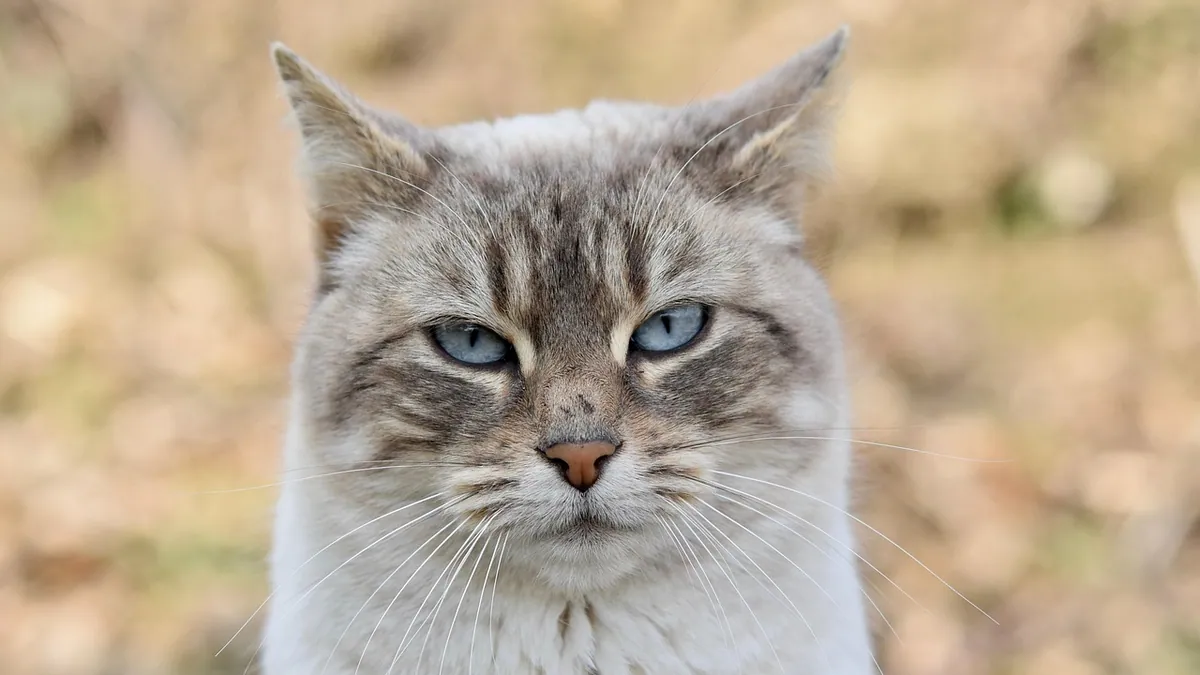
A cat with a swollen face or eye needs a careful look before you try anything at home. A home remedy for cat swollen face can help with mild, allergy-type swelling, but an abscess, dental infection, or eye injury needs a veterinarian. This article is educational and is not a substitute for veterinary diagnosis or treatment.
Quick Answer
- A cool compress and a quiet, dim room are the safest first steps for mild swelling while you call your vet.
- Never give human pain relievers, antihistamines, or leftover pet antibiotics without veterinary direction, since many are toxic to cats or dosed wrong.
- One-sided swelling with pus, a bad smell, drooling, or a firm lump points to an abscess or dental problem, not an allergy.
- An eye that is bulging, bleeding, or cannot close is an emergency and needs care right away [1].
- Any swelling with trouble breathing, collapse, or swelling of the whole head and neck is an emergency.
What a Swollen Face or Eye Looks Like in a Cat
Swelling can show up in different places. You might see a puffy cheek, a closed or squinting eye, a swollen muzzle, or a lump along the jaw. Sometimes the eyelid itself is puffy and red, and the eye waters more than usual.
The conjunctiva is the thin membrane that lines the inside of the eyelids and covers the white of the eye. It makes tears, protects the eye, and helps the cornea heal after injury [2]. When this tissue swells, the eye can look red, weepy, or partly shut.
Some swelling is normal and short-lived. A cat can get a puffy eyelid after a bug bite, a scratch, or a mild allergic reaction, and it often settles within a day. Swelling that keeps growing, feels hot, smells bad, or comes with pain is not normal.
Main Causes of a Swollen Face or Eye
The cause decides how urgent the problem is. Here is a simple guide.
| Cause | Typical clues | How urgent |
|---|---|---|
| Allergic reaction (insect bite, sting, contact) | Sudden puffiness, often both sides, itchy, no pus | Same-day call, emergency if breathing changes |
| Abscess or bite wound | One-sided firm swelling, heat, pain, pus, bad smell, fever | Same-day to urgent visit |
| Dental or tooth root problem | Swelling under the eye or along the jaw, drooling, bad breath, chewing on one side | Same-day to urgent visit |
| Eye injury or trauma | Squinting, tearing, blood in the eye, cloudiness, bulging eye | Emergency if the eye bulges or cannot close [1] |
| Conjunctivitis (eye surface inflammation) | Red, swollen eyelid, discharge, squinting | Routine to same-day visit |
| Foreign body (grass awn, splinter) | Sudden one-sided swelling, pawing at the face, discharge | Same-day visit |
| Infection in the nasal cavity or sinuses | One-sided facial swelling, nosebleed, nasal discharge | Same-day visit |
| Muscle enlargement (rare) | Slow, firm swelling over the cheek muscle, no pain | Routine visit |
Some causes are rare but serious. A fungal infection called blastomycosis can cause one-sided facial swelling and nosebleeds in cats living in endemic areas, and it needs long treatment [3]. Cowpox, which is uncommon, can cause progressive one-sided facial swelling with fever, and cats can pass it to people [4]. These are not things you can treat at home.
Eye problems deserve their own note. Conjunctivitis is a common cause of a swollen, red eye in cats, and it involves real inflammation of the eye surface [5]. Some conjunctival problems point to disease elsewhere in the body, and others can lead to blindness if they are not treated [2]. That is why a swollen eye should be checked instead of watched for too long.
If the swelling is part of a broader skin problem, see Cat Skin Rash with Swelling: When to Worry. If your cat also has ear trouble, Cat Ear Infection with Swelling: What to Do and When to Worry covers that. And if the swelling is in the eye itself, What Can You Do For Cat Conjunctivitis walks through the basics.
Red Flags That Mean an Emergency
Call an emergency clinic now if you see any of these:
- The eye is bulging forward or sitting outside the eyelids. Forward displacement in cats usually follows severe head trauma, and facial bones are often broken. The eye needs to be put back in place surgically as soon as possible if your cat is healthy enough for anesthesia [1].
- Your cat is struggling to breathe, breathing fast, or making noise with each breath.
- The whole face, muzzle, or throat is swelling quickly.
- There is heavy bleeding from the nose or eye.
- Your cat is collapsed, weak, or unresponsive.
- The eye cannot close, the surface looks cloudy, or there is blood inside the eye.
- Your cat is in obvious pain, crying, or pawing hard at the face.
For eye trauma, time matters. The outcome depends on how bad the injury is, how deep the eye socket is, how long the eye has been out of place, and the condition of the eye itself [1]. Even when vision does not return, the eyeball can often be saved with fast treatment [1].
Safe Home Steps While You Wait
A home remedy for cat swollen face is about comfort and safety, not cure. Do these while you arrange a vet visit.
Keep your cat calm and cool
Move your cat to a quiet, dim room. Bright light can bother a sore eye. Keep other pets and children away so your cat is not bumped or startled.
Use a cool compress
Soak a clean cloth in cool water, wring it out, and hold it gently against the swollen cheek or closed eyelid for a few minutes. Do this a few times a day. Use a fresh cloth each time, and never press on the eyeball itself.
Do not give human medications
Never give acetaminophen, ibuprofen, aspirin, or human antihistamines to a cat unless your veterinarian tells you to. Many of these are toxic to cats, and the correct dose depends on your cat's weight and health. Your vet will calculate any dose.
Do not squeeze or drain anything
If you see a lump or a scab, leave it alone. Squeezing can push infection deeper and cause more damage. Do not try to pull a foreign body out of the eye or nose.
Keep the area clean
Wipe away discharge from the outside of the eye with a warm, damp cotton ball, working from the inner corner outward. Use a new cotton ball for each wipe. Do not touch the eyeball.
Watch closely and take notes
Note when the swelling started, which side is affected, whether your cat is eating and drinking, and any discharge, drooling, or bad breath. These details help your vet.
Call for advice
Call your veterinarian or a pet poison control line if you think your cat ate something, was bitten, or got a chemical in the eye. Have your cat's weight and any medications ready.
What Your Veterinarian Will Check and Test
Your vet starts with a full physical exam. They will look at both eyes, the eyelids, the teeth, the gums, the nose, and the lymph nodes. They will check whether the swelling is soft or firm, warm or cool, painful or not.
For the eye, your vet may use a special stain to check for scratches on the cornea, measure tear production, and check the pressure inside the eye. These tests are quick and usually done without sedation. They help separate a surface problem from something deeper.
For facial swelling, dental problems are a common focus. Your vet may recommend dental X-rays to look at tooth roots. If the swelling is in the nasal area, imaging such as a CT scan can show a mass or bone changes, and biopsies can identify the cause [3].
Blood work and other tests may be needed. In one reported case, a cat with eye problems and one-sided swelling around the eye had a full workup that included blood counts, biochemistry, and tests for several infectious diseases [6]. That kind of testing helps rule out causes that need very different treatments.
Treatment depends on the cause. Abscesses are usually drained and treated with antibiotics. Dental disease needs dental care. Allergic swelling may settle with medication your vet chooses. Fungal disease such as blastomycosis needs months of specific antifungal treatment [3]. Eye injuries may need surgery, antibiotics by mouth or injection, and topical ointments or creams, with the eyelids stitched closed for a time to protect the eye [1].
Prevention and Monitoring
You cannot prevent every cause, but you can lower the odds.
- Keep your cat indoors or supervise outdoor time to reduce bites, stings, and fights.
- Check your cat's mouth and face weekly. Look for drooling, bad breath, tartar, or swelling along the jaw.
- Keep up with dental care and routine vet visits.
- Use flea and tick prevention your vet recommends, since bites can cause swelling.
- Watch for early eye signs such as squinting, redness, or extra tearing, and get them checked early [2].
- If your cat has a known condition, follow the treatment plan and keep follow-up visits.
Track any swelling over time. Take a photo each day with your phone so you can compare. If the swelling is the same or worse after 24 hours, or if your cat stops eating, call your vet.
If you notice swelling in other parts of the body, such as the belly, see Why Is My Cat's Belly Swollen? or Cat Swollen Belly Causes.
Limitations and When to Contact a Veterinarian
Home care cannot diagnose or cure a swollen face or eye. It can only keep your cat comfortable until a vet sees them. Individual cases need a veterinarian, because the same sign can come from a mild allergy or a serious infection.
Call your veterinarian the same day if:
- The swelling is one-sided, firm, hot, or painful.
- There is pus, a bad smell, drooling, or trouble chewing.
- Your cat is squinting, tearing, or has discharge from the eye.
- Your cat has a fever, is eating less, or seems tired.
- The swelling has not improved in 24 hours.
Go to an emergency clinic now if:
- Your cat has trouble breathing or the swelling is spreading fast.
- The eye is bulging or out of the socket [1].
- There is heavy bleeding from the nose or eye.
- Your cat is weak, collapsed, or in severe pain.
See your vet for a routine visit if:
- The swelling is mild, painless, and slowly changing.
- You notice a firm lump over the cheek muscle with no other signs [7].
- You want a dental check because of bad breath or tartar.
Frequently Asked Questions
Can I use a warm compress on a swollen cat eye?
A cool compress is safer for a fresh, puffy eye, and a warm compress can help a draining abscess on the cheek. Keep either one gentle, use a clean cloth, and never press on the eyeball. If your cat pulls away or seems painful, stop and call your vet.
Is a swollen eye in a cat always an emergency?
No, many swollen eyes are mild and treatable, such as simple conjunctivitis. But a bulging eye, blood inside the eye, or an eye that cannot close is an emergency. When in doubt, call your vet the same day.
Can I give my cat Benadryl for facial swelling?
Do not give any human medication without asking your veterinarian first. The correct drug and dose depend on your cat's weight and health, and some human medicines are toxic to cats. Your vet can advise you by phone or prescribe something safe.
How long does facial swelling last in a cat?
Mild allergic swelling often improves within a day or two once the trigger is gone. Swelling from an abscess, dental problem, or infection will not resolve on its own and usually gets worse without treatment. If it lasts more than 24 hours, see your vet.
Can a tooth problem cause a swollen face in a cat?
Yes, tooth root infections and dental disease are common causes of swelling under the eye or along the jaw. Clues include bad breath, drooling, chewing on one side, and pain when you touch the area. Dental X-rays and treatment are usually needed.
Related Articles
- Cat Ear Infection with Swelling: What to Do and When to Worry
- Cat Skin Rash with Swelling: When to Worry
- Why Is My Cat's Belly Swollen?
- Cat Swollen Belly Causes
- What Can You Do For Cat Conjunctivitis
- Dog Swollen Face Home Treatment
- Swollen Face or Cheek in Cats: Causes and When to Worry
- Puffy Face in Cats: Causes of Facial Swelling
- My Kitten's Eye Is Swollen: Causes and When to Worry
References
- Prolapse of the Eye in Cats - Cat Owners. Merck Veterinary Manual.
- Disorders of the Conjunctiva in Cats - Cat Owners. Merck Veterinary Manual.
- Epistaxis and Facial Swelling Due to Nasal Blastomycosis in a Cat. Journal of the American Animal Hospital Association, 2024.
- A Case of Cowpox Presenting as Progressive Unilateral Facial Swelling and Fever Without Any Skin Lesions. Case reports in infectious diseases, 2026.
- Tear cytokines as potential markers of inflammation in feline conjunctivitis. Veterinary ophthalmology, 2025.
- Rare occurrence of an intumescent cataract in a diabetic domestic longhair cat. JFMS open reports, 2026.
- Masseter and Pterygoid Muscle Hypertrophy in a Cat. Journal of veterinary dentistry, 2026.