Cat Lump on Arm or Elbow: Causes and When to Worry
By Dr. Zubair Khalid, DVM, MS, PhD ·
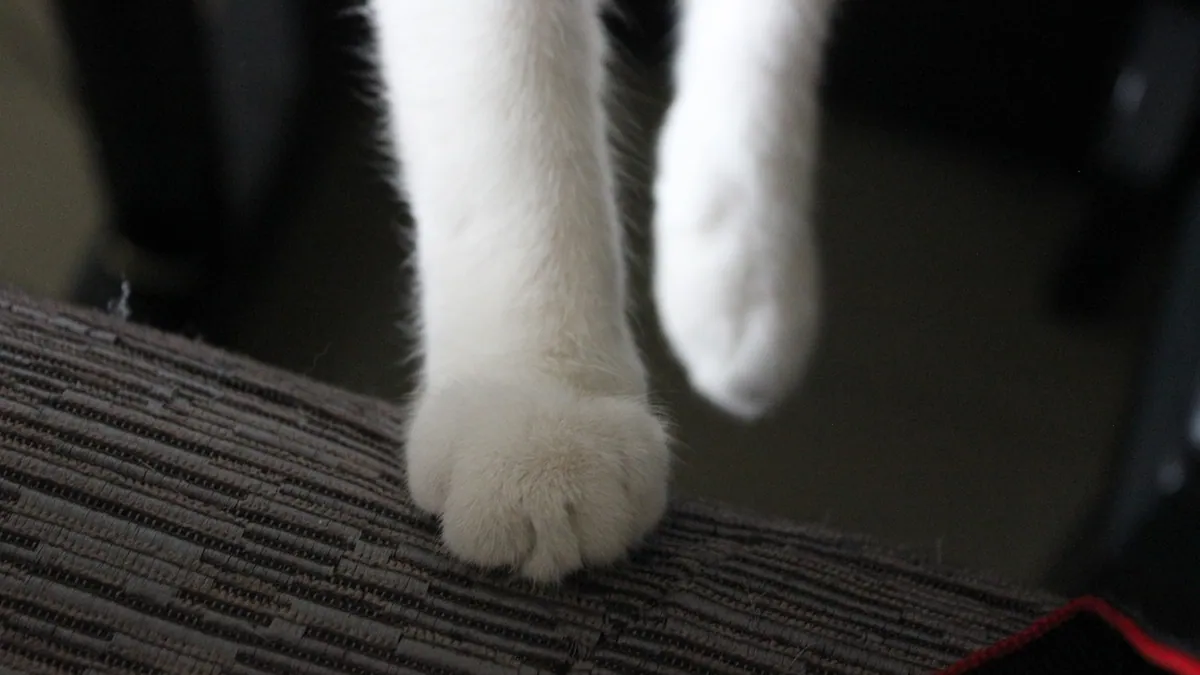
A cat bump on arm or elbow is common, and most turn out to be minor problems like an insect bite, a cyst, or a small injury. Some lumps, though, are tumors or serious infections that need treatment. This article is educational and is not a substitute for veterinary diagnosis or treatment.
Quick Answer
- Any new lump on a cat's leg should be checked by a veterinarian, even if it looks small and your cat seems fine.
- Fast growth, pain, heat, redness, hair loss over the lump, or an open sore are reasons to call the vet right away.
- Lumps that appear where a vaccine or injection was given need special attention, because a rare but aggressive cancer can form at those sites [1][2].
- A swollen limb with limping, fever, or your cat not eating is more urgent than a small, firm, painless bump.
- Do not squeeze, poke, or try to drain a lump at home. Keep your cat from licking it and book a veterinary visit.
What a Cat Bump on Arm or Elbow Looks Like
Lumps on a cat's limbs come in many forms. You might feel a pea-sized bead under the skin, a soft squishy swelling, a firm knot attached to deeper tissue, or a raised sore that oozes. Some are hairless. Some are tender when you touch them. Others sit quietly for months without changing.
It helps to know what is normal for your cat. Cats often have small, stable lumps that never cause trouble. A lipoma (a benign fatty tumor) is soft and movable. A sebaceous cyst feels like a round ball under the skin. Old scars and calluses on the elbows can also feel like bumps.
The problem is that you cannot tell a harmless lump from a dangerous one just by touch. A veterinarian needs to look at the cells inside the lump to know what it is.
Common Causes of a Cat Lump on Arm or Elbow
Many different problems can cause a lump or swelling on a cat's leg. Here are the main ones.
Abscesses and Bite Wounds
Cats fight, and bite wounds on the legs are common. Bacteria get pushed under the skin, and pus builds up. The result is a hot, painful, squishy swelling that may burst and drain. Your cat may limp, run a fever, or stop eating. Abscesses need veterinary care, usually drainage plus antibiotics.
Insect Bites and Stings
A mosquito, spider, bee, or ant can leave a small, itchy, red bump. These often fade in a few days. A sting can cause more swelling, especially on a paw or lower leg. Watch for spreading redness or trouble breathing, which would be an emergency.
Cysts and Benign Growths
Follicular cysts, sebaceous cysts, and benign skin tumors are very common in cats. They tend to be round, slow-growing, and painless. They still deserve a check, because benign growths can look exactly like malignant ones at first glance.
Injection-Site and Vaccine-Associated Masses
Any injection, including a vaccine, can leave a small lump. Most of these fade within a few weeks. A rare but serious cancer called feline injection-site sarcoma (FISS) can also develop at these spots [2]. In one reported case, a mass at a previous vaccination site turned out to be a malignant plasmacytoma, a tumor type that can behave aggressively and spread [1]. This is why any lump that lingers at an injection site should be examined.
Skin Cancer and Other Tumors
Cats get several kinds of skin tumors on the limbs. Squamous cell carcinoma can appear on a digit or paw as swelling and ulceration, sometimes with mineral deposits visible on x-rays [3]. Skin lymphosarcoma can form thick patches or lumps, often on the trunk, and it spreads quickly [4]. These tumors need a veterinary oncologist's help.
Infections Spread from a Scratch
A cat that scratches a person can pass on Bartonella henselae, the bacteria behind cat scratch disease. In one pediatric case, a bug bite on a finger was followed by soft tissue swelling of the elbow, and imaging showed enlarged, inflamed lymph nodes that needed surgical removal [5]. Cats themselves can also develop swollen lymph nodes or abscesses after scratches and bites.
Table: Causes at a Glance
| Cause | Typical clues | How urgent |
|---|---|---|
| Abscess or bite wound | Hot, painful, squishy swelling, limping, fever, pus | Same-day vet visit |
| Insect bite or sting | Small red itchy bump, recent outdoor exposure | Monitor, urgent if swelling spreads |
| Cyst or benign growth | Round, slow-growing, painless, movable | Routine visit |
| Injection-site mass | Lump where a shot was given, may persist or grow | Prompt visit, especially if growing |
| Skin cancer or sarcoma | Firm, fast-growing, hairless, ulcerated, attached to tissue | Prompt or urgent visit |
| Swollen lymph node from infection | Firm swelling near a wound, possible fever | Same-day vet visit |
Red Flags That Make It an Emergency
Some signs mean you should stop reading and call a veterinarian now.
- Your cat is struggling to breathe, has pale gums, or collapses.
- The leg is suddenly very swollen, hot, and painful, and your cat will not put weight on it.
- The lump bursts and bleeds heavily, or drains foul-smelling pus.
- Your cat has a high fever, is vomiting, or refuses all food and water.
- The swelling is spreading quickly up the leg.
- Your cat cries out when the area is touched or cannot use the limb at all.
These signs can point to a severe infection, a blood clot, or a fast-growing tumor. They need same-day or emergency care.
Safe Things You Can Do at Home While You Wait
You cannot diagnose the lump at home, but you can keep your cat comfortable and avoid making things worse.
- Take a photo of the lump next to a coin or ruler so you can track its size.
- Write down when you first noticed it and whether it has changed.
- Keep your cat indoors so the lump is not exposed to dirt or further injury.
- Stop your cat from licking or chewing the area. A cone or a soft recovery collar can help.
- Do not squeeze, pierce, or apply human creams or ointments to the lump.
- Do not give any human pain medication. Many are toxic to cats. Your veterinarian will calculate the correct dose from your cat's weight and health.
- If the lump is from a recent vaccine, note the date and which product was used.
If the lump is small, soft, and your cat is acting normal, a routine visit within a few days is reasonable. If it is growing, painful, or your cat seems sick, call sooner.
What Your Veterinarian Will Check and Test
Your vet will start with a full physical exam. They will feel the lump and compare it to the other leg. They will check the nearby lymph nodes, take your cat's temperature, and watch how your cat walks.
Next, they will usually collect cells from the lump with a fine needle. This is quick and often done while you wait. The sample goes to a lab for cytology. If the cells are unclear, your vet may recommend a biopsy, which removes a piece of the lump for a pathologist to examine. Immunohistochemistry, a special staining test, can help tell similar-looking tumors apart, which matters because treatment differs [1].
Imaging may be needed. X-rays can show whether a tumor has touched the bone. In one reported case, a cat with a swollen digit had a spherical soft tissue mass with lacy mineral opacities on radiographs [3]. Advanced imaging like CT or MRI helps vets plan surgery and check for spread [1][2].
Blood work and urine tests give a picture of your cat's overall health before any procedure. If cancer is found, your vet may refer you to a veterinary oncologist. Treatment options can include surgery, radiation, and other therapies, depending on the tumor type [4][2].
For more on what a visit involves and what it may cost, see Cat Skin Bumps and Lumps: What the Vet Will Do and How Much It Costs. If the lump comes with a rash or skin irritation, Cat Skin Rash with Swelling: When to Worry covers that pattern. And if you are sorting out many lumps at once, Cat Skin Bumps and Lumps: When to See a Vet and When to Monitor walks through the decision.
Prevention and Monitoring
You cannot prevent every lump, but you can catch problems early.
- Do a monthly nose-to-tail check. Run your hands down each leg and feel for new bumps.
- Record the date, size, and location of any lump you find.
- After any vaccine or injection, feel the site weekly for three months. Report anything that is still there or growing.
- Keep up with routine veterinary visits so small changes get noticed.
- If your cat goes outdoors, check for bite wounds and scratches often.
- If your cat has had a tumor removed, follow your vet's recheck schedule closely. Some tumors, including skin lymphosarcoma, often come back even after surgery [4].
Limitations and When to Contact a Veterinarian
This article cannot tell you what your cat's lump is. Only a veterinarian can do that with an exam and testing. Individual cases need a veterinarian's judgment.
Call for an emergency visit now if your cat is having trouble breathing, collapses, has a leg that is suddenly hugely swollen, or is bleeding heavily from the lump.
Call the same day if your cat is limping badly, has a fever, is not eating, has a hot and painful swelling, or has a lump that appeared or grew quickly.
Book a routine visit soon if you find any new lump, even a small painless one. Also book if a lump at a vaccine site is still present after a few weeks, if a lump changes in size or texture, or if your cat licks at one spot constantly.
Frequently Asked Questions
Is a lump on my cat's leg always cancer?
No. Most lumps on cat legs are not cancer. Abscesses, cysts, insect bites, and benign growths are far more common. Still, you cannot tell by looking, so a vet visit is the safe choice.
How fast do cancerous lumps grow in cats?
It varies a lot by tumor type. Some skin tumors grow slowly for months, while others enlarge in weeks. Any lump that grows quickly or changes shape should be checked without delay.
Can I wait a few weeks to see if the lump goes away?
For a small, soft lump in a cat that acts completely normal, a short wait is sometimes reasonable. If the lump is firm, fixed, painful, ulcerated, or growing, do not wait. Early diagnosis usually gives more treatment options.
Should I worry about a lump where my cat got a vaccine?
Yes, it deserves attention. Most post-vaccine lumps fade on their own, but a rare aggressive cancer can form at injection sites [2]. Have your vet look at any lump that is still there after a few weeks or that is getting bigger.
Will my cat need surgery to remove the lump?
Not always. Some lumps are treated with antibiotics, drainage, or simple monitoring. Others need surgical removal, and the margins matter for tumors. Your vet will discuss the best plan after they know what the lump is.
If your cat is sneezing or showing other odd signs along with the lump, Cat Sneezing: Common Causes and When to Worry can help you sort out what is urgent.
Related Articles
- Cat Skin Bumps and Lumps: When to See a Vet and When to Monitor
- Cat Skin Rash with Swelling: When to Worry
- Cat Sneezing: Common Causes and When to Worry
- Cat Skin Bumps and Lumps: What the Vet Will Do and How Much It Costs
- Cat Hissing at Nothing: When to Worry About Hallucinations or Medical Issues
- Cat Skin Rash with Bumps: Common Causes and Next Steps
- Lump on Your Cat's Leg or Foot: What It Could Be
- Lump or Tumor on a Cat's Paw: Causes and When to Worry
- Cat Lump Getting Bigger or Hard: What to Do
References
- A Rare Case of Malignant Plasmacytoma at a Previous Injection Site in a Cat. Veterinary sciences, 2026.
- Suspected recurrent sarcoma resembling feline injection-site sarcoma with spinal cord invasion in a cat. JFMS open reports, 2026.
- Osteoinductive squamous cell carcinoma associated with a putative novel papillomavirus on the digit of a cat. New Zealand veterinary journal, 2024.
- Tumors of the Skin in Cats - Cat Owners. Merck Veterinary Manual.
- Vague Presentation of Cat Scratch Disease in a Child. Ochsner journal, 2024.