Why Is My Cat's Eye Red and Watery? Causes and Next Steps
By Dr. Zubair Khalid, DVM, MS, PhD ·
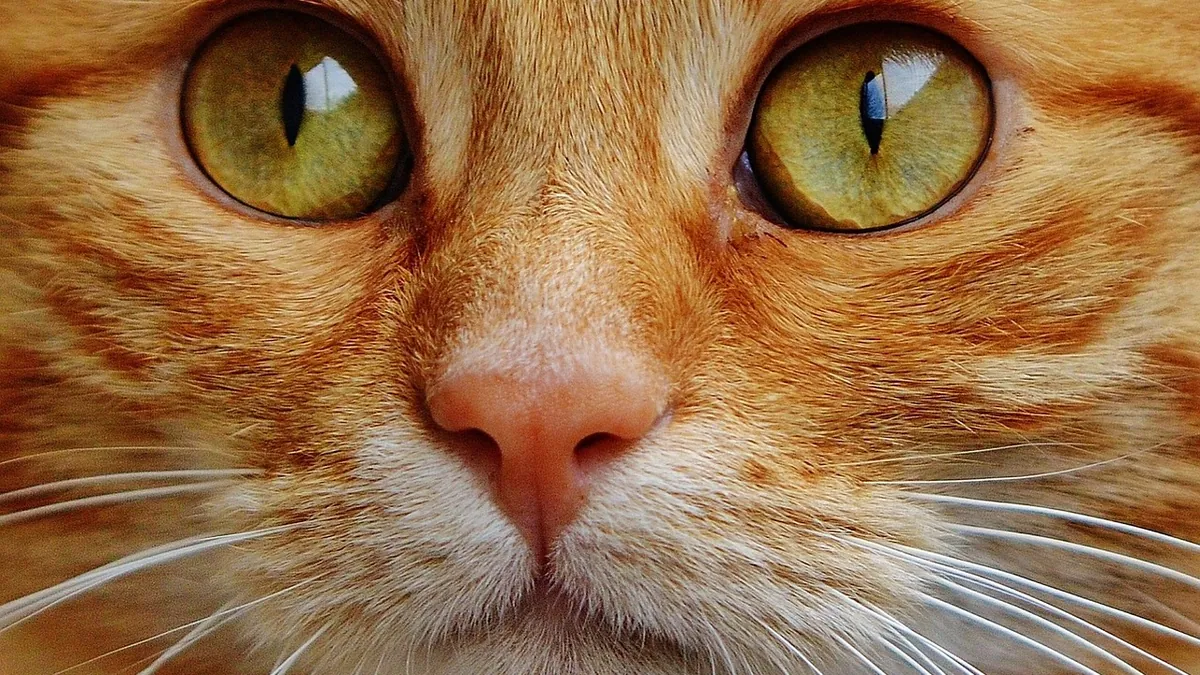
A red, watery eye in a cat is most often conjunctivitis, the inflammation of the thin membrane that lines the eyelids and covers the white of the eye [1]. That said, a red eye can also mean a scratched cornea, an ulcer, or deeper inflammation inside the eye, and those problems need different treatment. Because the signs overlap so much, you cannot safely tell them apart at home.
This article is educational and is not a substitute for veterinary diagnosis or treatment.
Quick Answer
- A red, watery eye is common in cats and has many causes, from mild irritation to serious corneal damage.
- Conjunctivitis is the most frequent reason, and it often comes with discharge, squinting, or swelling of the pink tissue around the eye [1].
- A corneal ulcer is a scratch or sore on the clear surface of the eye. It is painful and needs prompt veterinary care [2].
- Uveitis is inflammation inside the eye. It can look like a red, cloudy, or squinting eye and may signal disease elsewhere in the body.
- Any cat that is squinting, holding the eye closed, or has a cloudy eye should be seen by a veterinarian quickly, ideally the same day.
What a Red, Watery Cat Eye Looks Like
The conjunctiva is the thin membrane that lines the inside of the eyelids and extends over the white of the eye [1]. When it becomes inflamed, it turns pink or red, and it may swell. This is what most owners mean when they say their cat eye red.
Watery eyes, also called epiphora, often go along with the redness. You may see clear tears running down the fur, or you may see thicker discharge that ranges from cloudy to yellow-green. Some cats squint, blink more than usual, or hold the eye partly or fully closed. Others rub the eye with a paw or against furniture.
A small amount of clear tearing can be normal, especially in flat-faced breeds or after a cat gets something mild in the eye. What is not normal is redness that lasts more than a day, swelling, discharge that changes color or thickness, squinting, or a cloudy look to the eye itself.
If your cat also has a runny nose or sneezing, the eye problem may be part of a broader upper respiratory issue. You can read more about that pattern in Cat Runny Nose Watery Eyes and Why Is My Cat Sneezing So Much And Watery Eyes.
Main Causes of a Red, Watery Eye in Cats
Several conditions can make a cat's eye red and watery. The table below gives the typical clues for each and how quickly you should act.
| Cause | Typical clues | How urgent |
|---|---|---|
| Conjunctivitis | Red, swollen pink tissue, watery or thick discharge, one or both eyes | See a vet within a day or two |
| Corneal ulcer | Squinting, pawing at the eye, cloudy spot, heavy tearing | See a vet the same day |
| Uveitis | Red eye, cloudy or hazy eye, sensitivity to light, squinting | See a vet the same day |
| Foreign object or hair | Sudden tearing, rubbing, visible speck or hair | See a vet the same day |
| Trauma | Redness after a fight, fall, or scratch, possible blood in the eye | Emergency if the eye looks damaged |
| Eyelid or eyelash problem | Chronic tearing, rubbing, rolled-in eyelid, extra hairs | Routine visit, sooner if painful |
| Viral or bacterial infection | Discharge, sneezing, runny nose, often both eyes | See a vet within a day or two |
Conjunctivitis
Conjunctivitis is a common eye surface problem in cats, and it involves inflammation of the conjunctiva [3]. The eye looks red or pink, and there is often discharge. Some cases are mild, and some are part of a contagious infection that can spread to the other eye.
Infectious conjunctivitis can be viral or bacterial, and both forms spread easily, which is why keeping the unaffected eye clean matters [4]. A recent study found higher levels of certain inflammatory markers in the tears of cats with conjunctivitis compared with healthy cats, which supports what vets see in the exam room: the eye surface is actively inflamed [3].
Corneal Ulcers
The cornea is the clear dome on the front of the eye. It protects the eye and helps focus light, so any injury to it needs prompt attention [2]. An ulcer is a sore or defect in that surface.
Ulcerative keratitis, the medical term for an inflamed cornea with ulcers, is often caused by feline herpesvirus-1. It can also come from a foreign object or from eyelid problems that rub the eye [2]. These sores can be superficial or deep, and secondary bacterial infections are common and can make them worse [2]. Herpes-related ulcers can heal slowly and come back throughout a cat's life [2].
Uveitis
Uveitis is inflammation of the inner structures of the eye. It can make the eye red, painful, and cloudy, and it may cause the pupil to look different from the other eye. Uveitis can be linked to disease elsewhere in the body, so a vet may recommend blood tests or other checks. It is not something to watch at home.
Foreign Objects, Hair, and Eyelid Problems
Sometimes the cause is mechanical. A speck of dust, a plant seed, or an abnormal eyelash can rub the eye and cause redness and tearing. One report described a young Maine Coon cat with extra hairs growing from the third eyelid, along with chronic tearing and squinting [5]. That cat also had eyelid problems that let hair rub the eye surface [5]. These cases show how a physical irritant can keep an eye red and watery until it is corrected.
Infections and Other Causes
Viral and bacterial infections are common triggers for red, watery eyes, and they often come with sneezing or a runny nose. If your cat has discharge along with these signs, see Why Is My Cat having eye discharge? Herpesvirus Chlamydia and Conjunctivitis.
Less often, redness comes from something deeper. Ruptured blood vessels under the conjunctiva can follow trauma, a blood disorder, or certain infectious diseases. On its own this does not need treatment, but a vet needs to check whether the inside of the eye is also affected [1].
Why Is My Kitten's Eye Red?
Kittens get red, watery eyes for many of the same reasons adult cats do, but they tend to get sick faster. A kitten's immune system is still developing, and infections can spread quickly to both eyes or into the nose and throat.
If your kitten eye is red, watch closely for squinting, discharge, sneezing, or a drop in appetite. Any of these signs in a kitten deserves a vet visit within a day. Do not wait to see if it clears up on its own.
Red Flags That Mean Emergency Care
Some eye signs mean you should stop reading and call a veterinarian or an emergency clinic now.
- The eye is bulging, or the eyeball looks different from the other one.
- The cornea looks cloudy, blue, or white.
- There is blood inside the eye or under the conjunctiva.
- Your cat is holding the eye tightly shut and will not open it.
- Your cat is crying out, pacing, or pawing at the eye nonstop.
- The eye was hit, scratched, or exposed to a chemical.
- Your cat suddenly cannot see, bumps into things, or seems disoriented.
- The eye looks worse hour by hour.
A scratched or ulcerated cornea can worsen quickly, and deep ulcers can threaten vision [2]. When in doubt, treat it as urgent.
Safe Things You Can Do at Home While You Wait
You cannot diagnose or treat an eye problem at home, but you can keep your cat comfortable and avoid making things worse.
- Do not use any human eye drops or ointments unless your veterinarian prescribed them. Some contain steroids that can make a corneal ulcer much worse.
- Do not try to remove anything from the eye yourself. You could scratch the cornea.
- Keep the eye area clean with a soft, damp cloth and warm water. Wipe gently from the inside corner outward.
- If only one eye is affected, wash your hands before and after touching either eye. Infectious conjunctivitis spreads easily, and preventing spread to the unaffected eye matters [4].
- Use a cone if your cat keeps pawing at the eye. Ask your vet which size and style is safe.
- Keep your cat indoors and away from other pets until a vet has seen the eye.
- Note the timing of signs, what the discharge looks like, and whether your cat is eating and drinking. This history helps your vet.
What Your Veterinarian Will Check and Test
Your vet will start with a full eye exam. They will look at the eyelids, the conjunctiva, the cornea, and the inside of the eye. They will compare both eyes and check how your cat responds to light.
To find small corneal ulcers, your vet may put drops of a special dye into the eye [2]. The dye sticks to damaged areas and shows up under a blue light. This test is quick and helps tell a simple irritation apart from an ulcer.
Your vet may also measure tear production, check the pressure inside the eye, and look for foreign objects or abnormal hairs. If uveitis or a systemic cause is suspected, they may recommend blood tests or other diagnostics.
Treatment depends on the diagnosis. For ulcers, initial therapy involves removing dead or damaged tissue, followed by topical antibiotics and other prescription medication [2]. Resistant cases may need surgical procedures to help new corneal tissue form, and your vet can advise on the best option for your cat [2]. For conjunctivitis, treatment may include eye drops, ointments, or oral medication. Your veterinarian calculates the dose from your cat's weight and health, so never guess at a dose on your own.
Preventing and Monitoring Eye Problems
You cannot prevent every eye problem, but you can lower the odds and catch issues early.
- Keep your cat up to date on vaccines and routine care.
- Reduce exposure to irritants like dusty litter, smoke, and strong cleaning fumes.
- Check your cat's eyes during regular petting. Look for redness, discharge, or squinting.
- Trim long hairs near the eyes only if your vet shows you how.
- Isolate a cat with contagious eye discharge from other cats until a vet clears them.
- Follow up on every eye treatment for the full course, even if the eye looks better.
If your cat has repeated bouts of red, watery eyes, keep a simple log of dates and signs. Patterns help your vet decide whether herpesvirus or another chronic issue is involved. For more on discharge that comes and goes, see Cat Eye Discharge: Causes and When to See a Vet.
Limitations and When to Contact a Veterinarian
This article cannot tell you what is causing your cat's red eye. Only a veterinarian can examine the eye, run tests, and make a diagnosis. Individual cases need a veterinarian.
Contact a veterinarian the same day if your cat is squinting, holding the eye closed, has thick or colored discharge, or has had redness for more than 24 hours. Go to an emergency clinic now if the eye is bulging, the cornea is cloudy, there is blood in the eye, your cat is in obvious pain, or the eye was exposed to a chemical or a serious injury. For mild redness with no pain and no discharge, a routine visit within a few days is reasonable.
Frequently Asked Questions
Can a red, watery eye in a cat clear up on its own?
Sometimes mild irritation settles without treatment, but you cannot tell a harmless red eye from an ulcer or uveitis just by looking. If the eye is painful, cloudy, or still red after a day, see a vet. Waiting can let a small problem become a serious one.
Is a red, watery eye in cats contagious to other pets?
It depends on the cause. Viral and bacterial conjunctivitis are highly contagious, which is why preventing spread to the unaffected eye and to other cats matters [4]. Keep the affected cat separate from other pets until your vet says it is safe.
Should I use human eye drops on my cat?
No. Never put human eye drops or ointments in a cat's eye unless your veterinarian prescribed that exact product. Some human drops contain steroids or other ingredients that can harm a damaged cornea.
Why does my cat keep getting red, watery eyes?
Repeated episodes often point to a chronic cause such as feline herpesvirus-1, which can cause slow-healing and recurring corneal problems [2]. Eyelid shape, extra hairs, and allergies can also play a role [5]. Your vet can help identify the trigger and build a plan.
Does a red ear mean the same thing as a red eye?
No. A cat ear red is a separate problem, often related to ear infections, allergies, or ear mites. Eye redness and ear redness can sometimes share an underlying cause like allergies, but they are examined and treated differently. If both are red, mention it to your vet.
Related Articles
- Why Is My Cat Sneezing So Much And Watery Eyes
- Cat Runny Nose Watery Eyes
- Why Is My Cat having eye discharge? Herpesvirus Chlamydia and Conjunctivitis
- Cat Eye Discharge: Causes and When to See a Vet
- Cat Eye Discharge: Normal or Infection?
- Why Are My Dog's Eyes Red?
- Why Is My Cat's Eye Watering? Causes and When to Worry
- Why Is My Cat Tearing Up? Causes of Excessive Eye Watering
- Eye Mucus in Cats: Causes and When to See a Vet
References
- Disorders of the Conjunctiva in Cats - Cat Owners. Merck Veterinary Manual.
- Disorders of the Cornea in Cats - Cat Owners. Merck Veterinary Manual.
- Tear cytokines as potential markers of inflammation in feline conjunctivitis. Veterinary ophthalmology, 2025.
- Tear Film Osmolarity in Horses With Bacterial Conjunctivitis. Veterinary medicine and science, 2025.
- Bilateral Third Eyelid Ectopic Cilia in a Maine Coon Cat. Veterinary ophthalmology, 2026.