Why Is My Cat's Eye Watering? Causes and When to Worry
By Dr. Zubair Khalid, DVM, MS, PhD ·
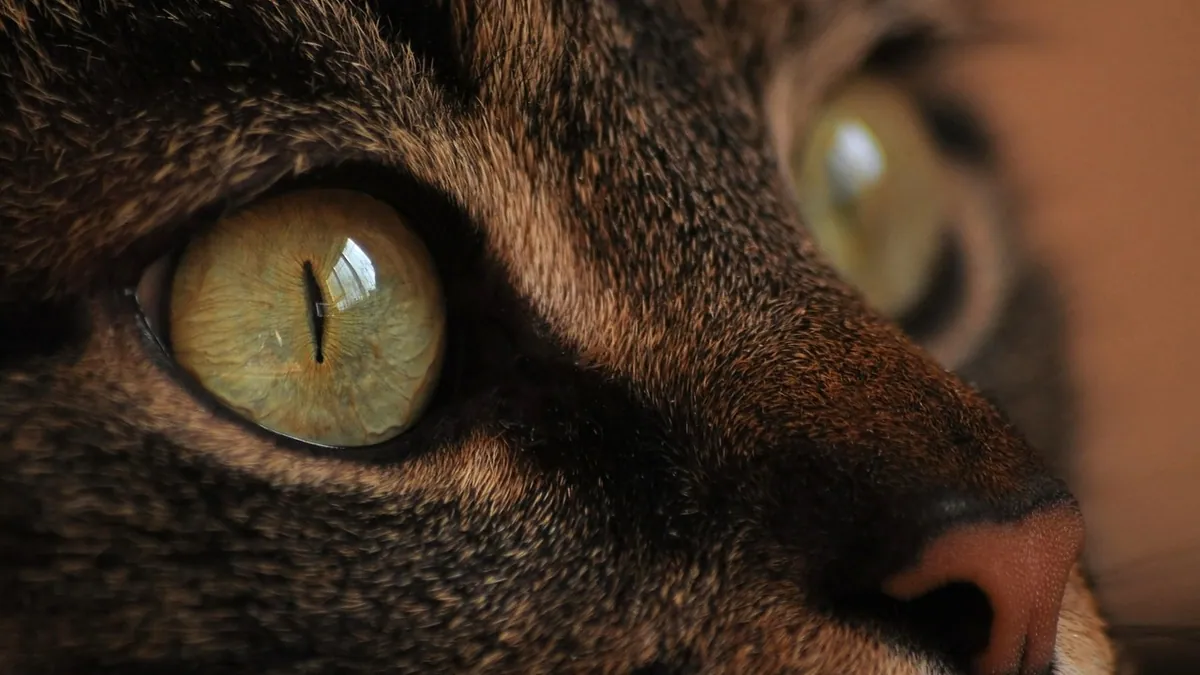
Cat eye watering usually means tears are spilling onto the fur instead of draining down the tear duct. It can be as harmless as a little irritation from dust or allergies, or it can signal an infection, a corneal ulcer, or a blocked drainage pathway. The pattern matters most: one eye or both, with squinting or without, and whether the discharge is clear or cloudy.
This article is educational and is not a substitute for veterinary diagnosis or treatment.
Quick Answer
- Clear watering with no squinting, no redness, and no pawing is often mild irritation or tear overflow, and a routine vet visit is reasonable if it lasts more than a day or two.
- Watering plus squinting, light sensitivity, or a cloudy eye is a same-day problem because squinting is a pain sign in cats.
- One-sided watering points more toward a foreign body, a scratch, a blocked tear duct, or a problem inside that eye, while both eyes watering together often fits allergies, irritants, or an upper respiratory virus.
- Do not use leftover human eye drops or old pet eye medicine. Some drops can worsen an ulcer.
- Any eye that looks cloudy, has a visible defect on the surface, or is held shut needs urgent care, not home monitoring.
What Cat Eye Watering Looks Like and What Is Normal
A cat's eye normally produces tears that spread across the surface and drain through small openings at the inner corner, then down a duct into the nose. When that balance is upset, tears spill over the lower lid and leave a wet streak, a tear stain, or a small puddle on the cheek. Owners often describe this as a cat eye leaking or a cat eye keeps watering.
Some cats have a mild, lifelong tendency to tear more, especially flat-faced breeds with shallow eye sockets and short drainage paths. A small amount of clear moisture at the inner corner after a nap or after being in a dusty room is usually not a concern. What matters is change. A new wet eye, a wet eye that stays wet all day, or watering that comes with redness, swelling, or squinting is different from a cat who has always had slightly damp eyes.
Look at the whole picture. Is the fur under the eye stained brown? Is the third eyelid (the pale membrane at the inner corner) more visible than usual? Is the cat rubbing the eye with a paw or pressing the face into furniture? These details help your veterinarian sort harmless overflow from something that needs treatment.
Why Is My Cat Eye Watering? Main Causes by Pattern
The pattern of watering is the best clue you have at home. Use the table below to match what you see, then read the sections that follow.
| Cause | Typical clues | How urgent |
|---|---|---|
| Irritants (dust, smoke, shampoo, strong cleaners) | Both eyes watery, no squinting, started after exposure | Routine, same day if severe |
| Allergies or environmental triggers | Both eyes, clear discharge, sneezing, itchy | Routine |
| Feline herpesvirus-1 or other upper respiratory infection | Both eyes, watery or thicker discharge, sneezing, lethargy | Same day if squinting or not eating |
| Conjunctivitis (bacterial or viral) | Red, swollen pink tissue, discharge, one or both eyes | Same day to 24 hours |
| Corneal ulcer or scratch | One eye, squinting, pawing, light sensitivity, tearing | Same day, urgent |
| Foreign body (grass awn, hair, grit) | One eye, sudden severe watering, squinting | Same day, urgent |
| Blocked tear duct (nasolacrimal) | One eye, constant clear watering, no pain, wet fur | Routine |
| Entropion or ectopic cilia (eyelid or hair abnormality) | Chronic watering, squinting, rubbing, often one eye | Routine to same day |
| Glaucoma or uveitis (pressure or internal inflammation) | One or both eyes, pain, cloudy eye, dilated pupil | Emergency |
| Corneal sequestrum (dead corneal tissue, often in Persians) | Dark plaque on the eye surface, chronic squinting and watering | Same day to 24 hours |
One Eye Watering
Cat eye watering one side is more likely to have a local cause in that eye. A scratch on the cornea, a trapped foreign body, an ingrown eyelash, or a blocked tear duct on that side can all produce one-sided tears. A study of a Maine Coon cat with abnormal hairs growing from the third eyelid described a long history of watering in both eyes along with squinting in the right eye, showing how eyelid and hair problems can drive chronic tearing [1].
One-sided watering with squinting is the pattern that worries veterinarians most. It suggests the eye hurts, and eye pain in cats is easy to miss because cats hide it well.
Both Eyes Watering
Watering in both eyes often points to something affecting the whole cat or the environment. Irritants, allergies, and upper respiratory infections commonly cause bilateral tearing. A case report of a cat with acute corneal hydrops (fluid buildup inside the cornea) described redness, ocular discharge, and intermittent squinting in both eyes with uneven timing between the two sides [2]. That uneven onset is a good reminder that "both eyes" does not always mean "mild."
If both eyes water and your cat is also sneezing, see Why Is My Cat Sneezing So Much And Watery Eyes. If the discharge turns thick or colored, see Cat Eye Discharge: When Should You Worry?.
Watering With Squinting
Squinting, also called blepharospasm, is a pain response. Any cat with a watering eye that is partly or fully closed needs to be seen the same day. In a series of cats with conjunctival sequestrum (a dark plaque of dead tissue on the conjunctiva), the first patient had two months of squinting and watering in the right eye along with mild redness [3]. Chronic squinting is not something to wait out.
Watering Without Squinting
Clear watering with a wide-open, comfortable eye is much less alarming. It may be tear overflow from a blocked duct, mild irritation, or a breed tendency. Watch for a day. If it persists, changes character, or the eye starts to look red or cloudy, call your vet.
Medication Reactions
Sometimes the treatment itself causes watering. In a review of 140 cats given topical ophthalmic cidofovir for presumed feline herpesvirus-1 infection, 6 cats (4.3%) developed a reaction that included persistent squinting, ocular discharge, redness, swelling, and rapidly progressive darkening of the conjunctiva [4]. If your cat's eyes get worse after starting any eye medication, stop and call your veterinarian.
Red Flags That Mean an Emergency
Go to an emergency clinic now, or call your vet and say you are coming in, if you see any of these:
- The eye is held shut or the cat cannot open it.
- The eye looks cloudy, blue, or has a visible white, yellow, or dark spot.
- The eyeball looks larger than the other one, or the pupil is fixed and wide.
- There is blood, pus, or a sudden thick green or yellow discharge.
- The cat is crying out, pacing, or pressing the head against walls.
- The cat stopped eating or is hiding more than usual.
- The eye changed within hours, not days.
These signs can fit serious problems such as glaucoma, uveitis, a deep ulcer, or a ruptured eye. Minutes matter for vision.
Safe Things You Can Do at Home While Waiting
Home care is about comfort and avoiding harm, not treatment.
- Do not put any human eye drops, Visine, or leftover prescription drops in the eye. Some can make an ulcer worse.
- Do not try to remove a foreign object yourself. You can scratch the cornea.
- Keep a soft, damp cloth and gently wipe away discharge from the closed eyelid, working from the inner corner outward. Use a fresh area of cloth for each wipe.
- Note the time symptoms started, which eye is affected, and whether the cat is squinting. Bring this to your visit.
- Keep the cat indoors and away from dusty litter, smoke, and strong cleaning fumes.
- If your cat is rubbing the eye, a temporary cone (Elizabethan collar) can prevent self-trauma until you see the vet. Ask your vet before using one if you are unsure.
- Do not stop or change any eye medication your vet prescribed without calling first.
If your cat is also urinating more or drinking more, that is a separate problem worth mentioning. See Cat Urinating Frequently: Causes and When to Worry.
What Your Veterinarian Will Check and Test
Your vet will start with a full eye exam in a dim room, using a light to look at the eyelids, conjunctiva, cornea, and the inside of the eye. They will check the third eyelid, look for abnormal hairs or rolled eyelids, and compare both eyes.
Common tests include:
- Fluorescein stain. A yellow dye shows scratches and ulcers on the cornea. This is the single most important test when a cat is squinting.
- Schirmer tear test. A small paper strip measures tear production. Too few tears causes dryness and irritation. Too many can mean overflow.
- Tonometry. A device measures eye pressure. High pressure suggests glaucoma, low pressure can suggest uveitis.
- Tear duct flush. The vet places a small amount of fluid in the eye and watches for it to come out the nose. If it does not, the duct may be blocked.
- Conjunctival swabs. Samples can be tested for herpesvirus, chlamydia, or mycoplasma.
- Corneal or conjunctival exam under magnification. This helps find foreign bodies, sequestra, or abnormal hairs. In the conjunctival sequestrum series, an amorphous black plaque was seen in the conjunctiva during eye exams in all cases, and three of four additional cases also had corneal sequestra on the same side [3].
Your vet will also ask about the cat's history, other pets, recent boarding, new litter, and any previous eye problems. A diabetic cat with a history of conjunctivitis and one-sided watering and swelling may need a broader workup, since eye signs can connect to systemic disease [5].
Prevention and Monitoring
You cannot prevent every eye problem, but you can lower the odds and catch trouble early.
- Keep the litter box low-dust and scoop daily. Dust and ammonia fumes irritate eyes.
- Avoid smoking indoors and keep strong cleaners, perfumes, and sprays away from your cat.
- Wipe the face gently after grooming or bathing to remove shampoo residue.
- For flat-faced breeds, check eyes daily for wetness, redness, or staining.
- Keep vaccinations current and discuss herpesvirus risk with your vet, especially in multi-cat homes.
- If your cat has a known chronic eye condition, keep a simple log of watering, squinting, and discharge so you can spot changes.
- Schedule a routine eye check if watering lasts more than a few days, even without pain.
If the discharge becomes thick or colored, see Cat Eye Discharge: Causes and When to See a Vet. If you suspect herpesvirus or chlamydia, see Why Is My Cat having eye discharge? Herpesvirus Chlamydia and Conjunctivitis.
Limitations and When to Contact a Veterinarian
No article can tell you what is happening inside your cat's eye. Only an exam with a light, dye, and pressure check can do that. Individual cases need a veterinarian, and the timing below is a guide, not a rule.
Call for a same-day appointment if:
- Watering lasts more than 24 to 48 hours.
- One eye is affected and the other is normal.
- There is redness, swelling, or a small amount of discharge.
- Your cat is squinting but still eating and acting mostly normal.
- The eye looks different from yesterday.
Go to an emergency clinic now if:
- The eye is shut and the cat will not open it.
- The eye is cloudy, bulging, or bleeding.
- The cat is in obvious pain, crying, or pressing the head.
- The cat stopped eating or is vomiting along with the eye problem.
- The eye changed suddenly, within hours.
Call your regular vet for a routine visit if the watering is mild, both eyes are open and comfortable, and the cat is acting normal, but the wetness has not gone away in a few days.
Frequently Asked Questions
Why is my cat's eye watering clear fluid?
Clear watering usually means tears are overflowing because of mild irritation, allergies, or a drainage problem. If the eye is open, not red, and the cat is comfortable, watch it for a day. If it persists or the eye starts to look cloudy or painful, see your vet.
Can cat eye watering go away on its own?
Mild irritation from dust or a minor allergen can settle once the trigger is gone. Watering caused by an ulcer, infection, blocked duct, or abnormal eyelid will not fix itself and often gets worse. Any watering with squinting needs a vet visit.
Is one eye watering more serious than both?
One-sided watering is more likely to come from a problem in that specific eye, such as a scratch, foreign body, or blocked duct. Both eyes watering often fits allergies or an upper respiratory virus. Either pattern can be serious, so the deciding factor is pain and eye appearance, not just the number of eyes.
What does it mean if my cat is watering and squinting?
Squinting means the eye hurts. Common causes include a corneal ulcer, a foreign body, uveitis, or glaucoma. This combination needs a same-day veterinary visit, because untreated eye pain can lead to vision loss.
Should I use human eye drops on my cat?
No. Human eye drops can contain preservatives or medications that harm a cat's eye, and some can worsen an ulcer. Only use eye products prescribed by your veterinarian for your cat, and call if the eye gets worse after starting any drop.
Related Articles
- Cat Eye Discharge: When Should You Worry?
- Cat Urinating Frequently: Causes and When to Worry
- Why Is My Cat Sneezing So Much And Watery Eyes
- Cat Eye Discharge: Causes and When to See a Vet
- Why Is My Cat having eye discharge? Herpesvirus Chlamydia and Conjunctivitis
- Cat Diarrhea: Causes, Home Care, and When to Worry
- Why Is My Cat Tearing Up? Causes of Excessive Eye Watering
- Why Is My Cat's Eye Red and Watery? Causes and Next Steps
- Why Does My Cat Have Eye Boogers? Causes and When to Worry
References
- Bilateral Third Eyelid Ectopic Cilia in a Maine Coon Cat. Veterinary ophthalmology, 2026.
- Optical coherence tomographic features of feline acute corneal hydrops: A case report. Veterinary ophthalmology, 2024.
- Feline Conjunctival Sequestra-A Case Series. Veterinary ophthalmology, 2026.
- Frequency and Characterization of Local Ocular Toxicity in Cats Treated With Topical Ophthalmic Cidofovir for Presumptive Feline Herpesvirus-1 Infection. Veterinary ophthalmology, 2026.
- Rare occurrence of an intumescent cataract in a diabetic domestic longhair cat. JFMS open reports, 2026.